






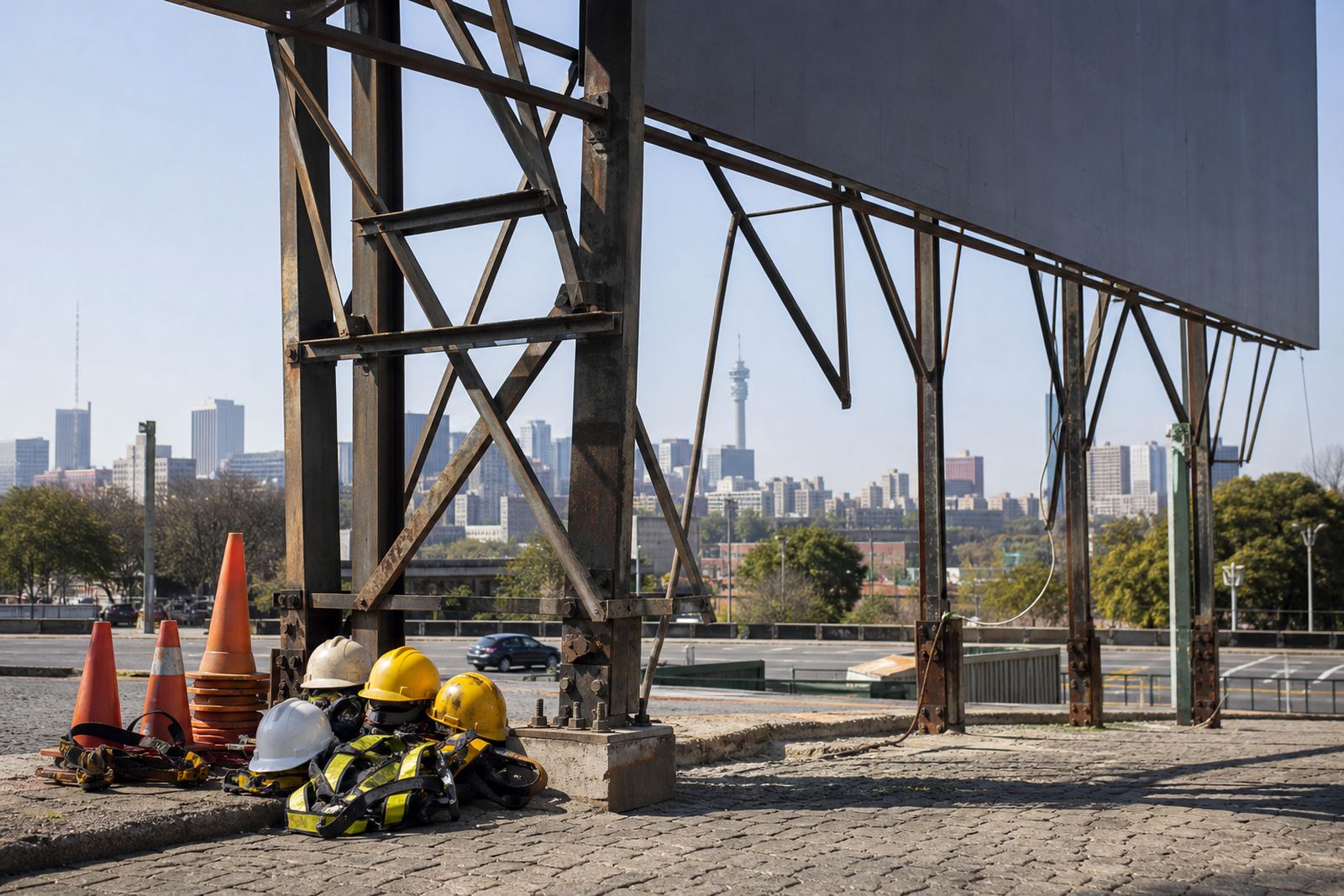
Choosing the Right Wall or Billboard Space
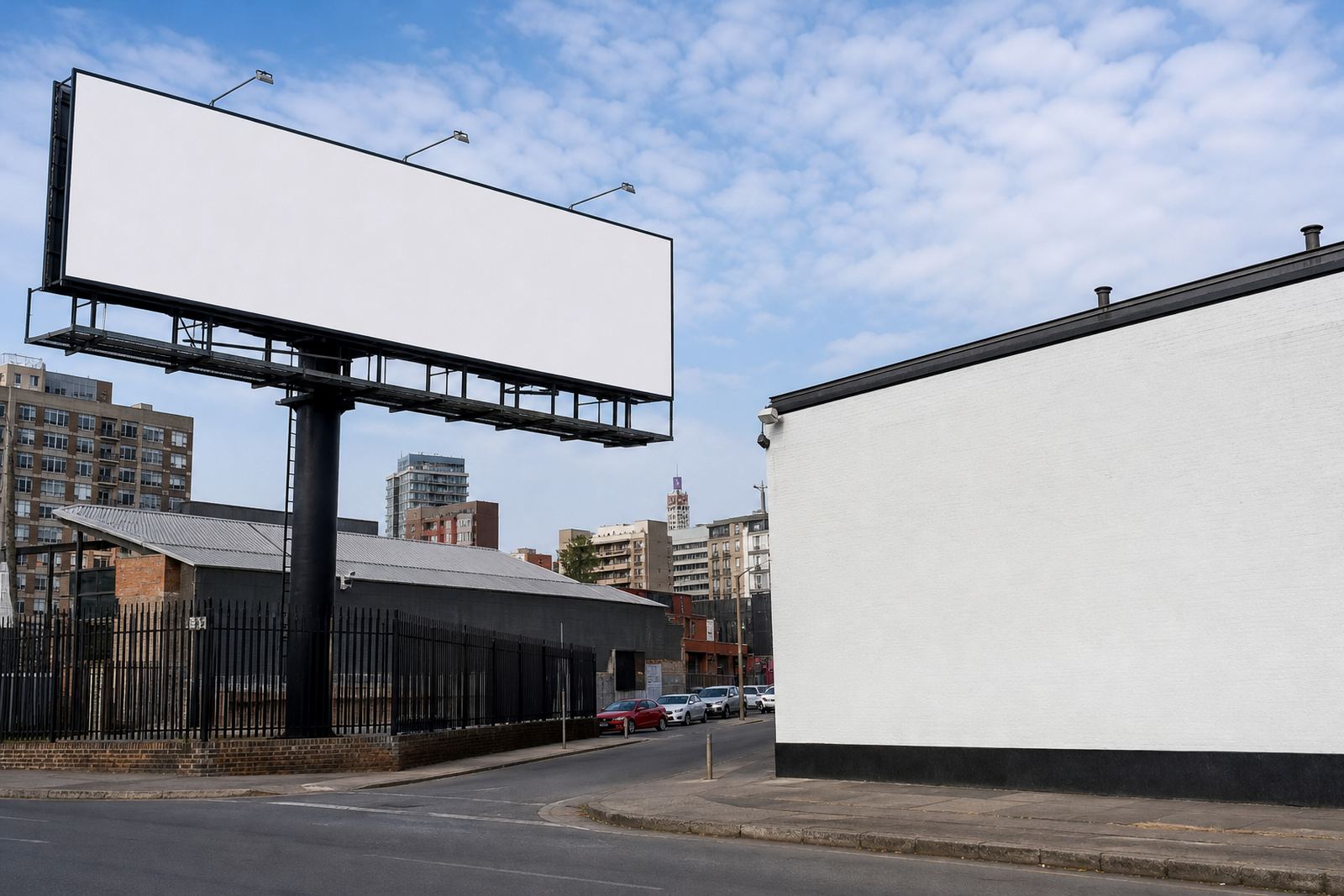
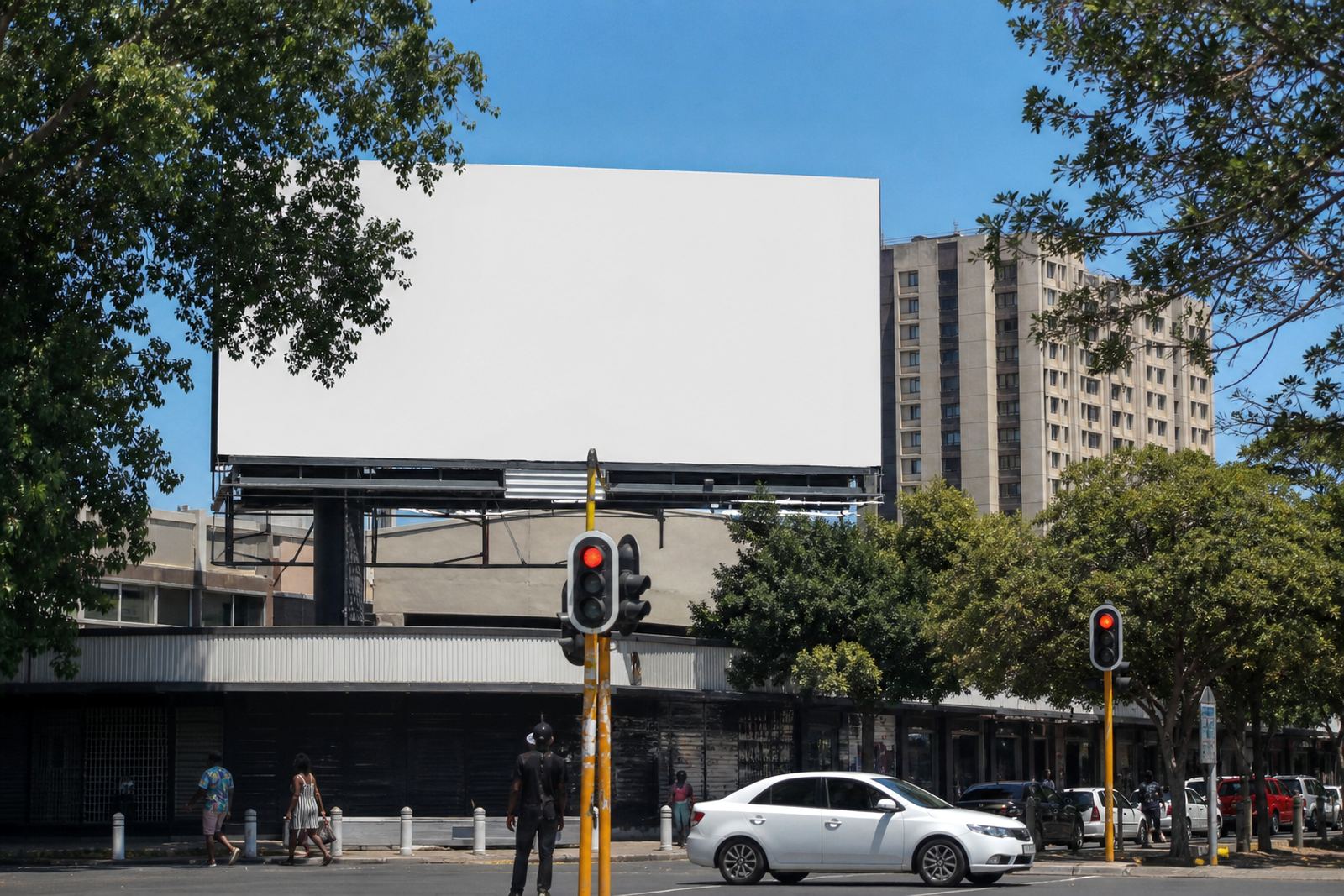
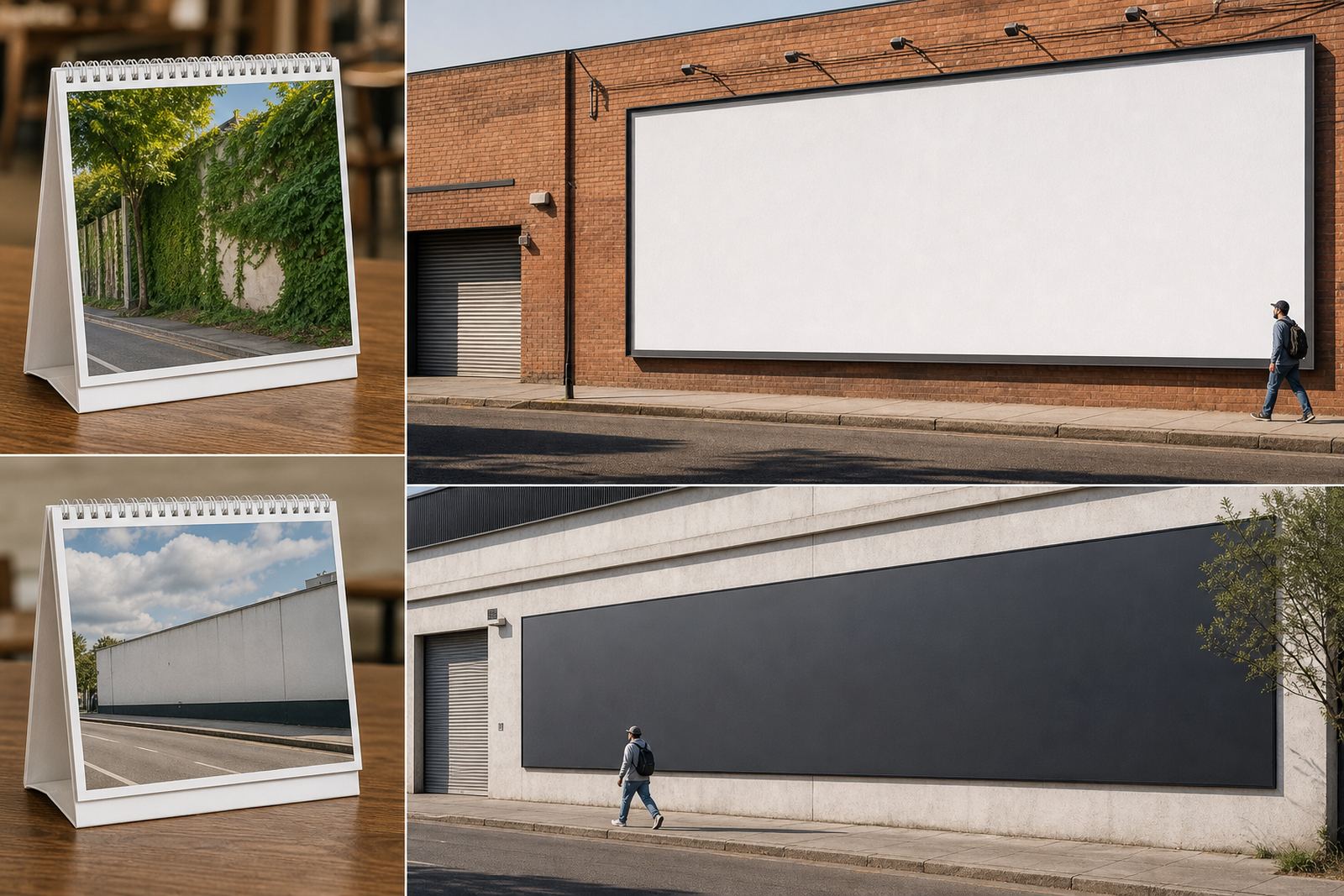
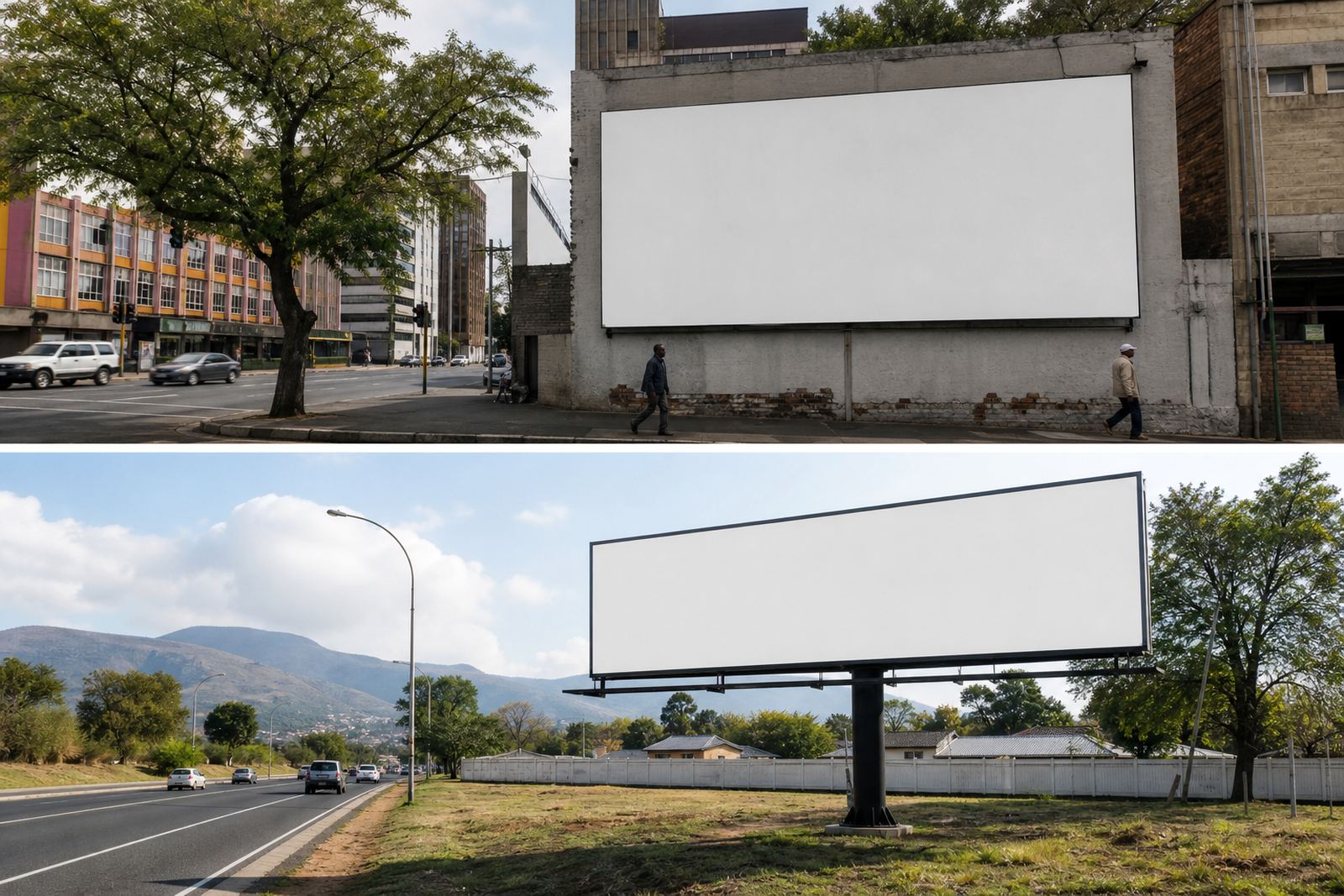
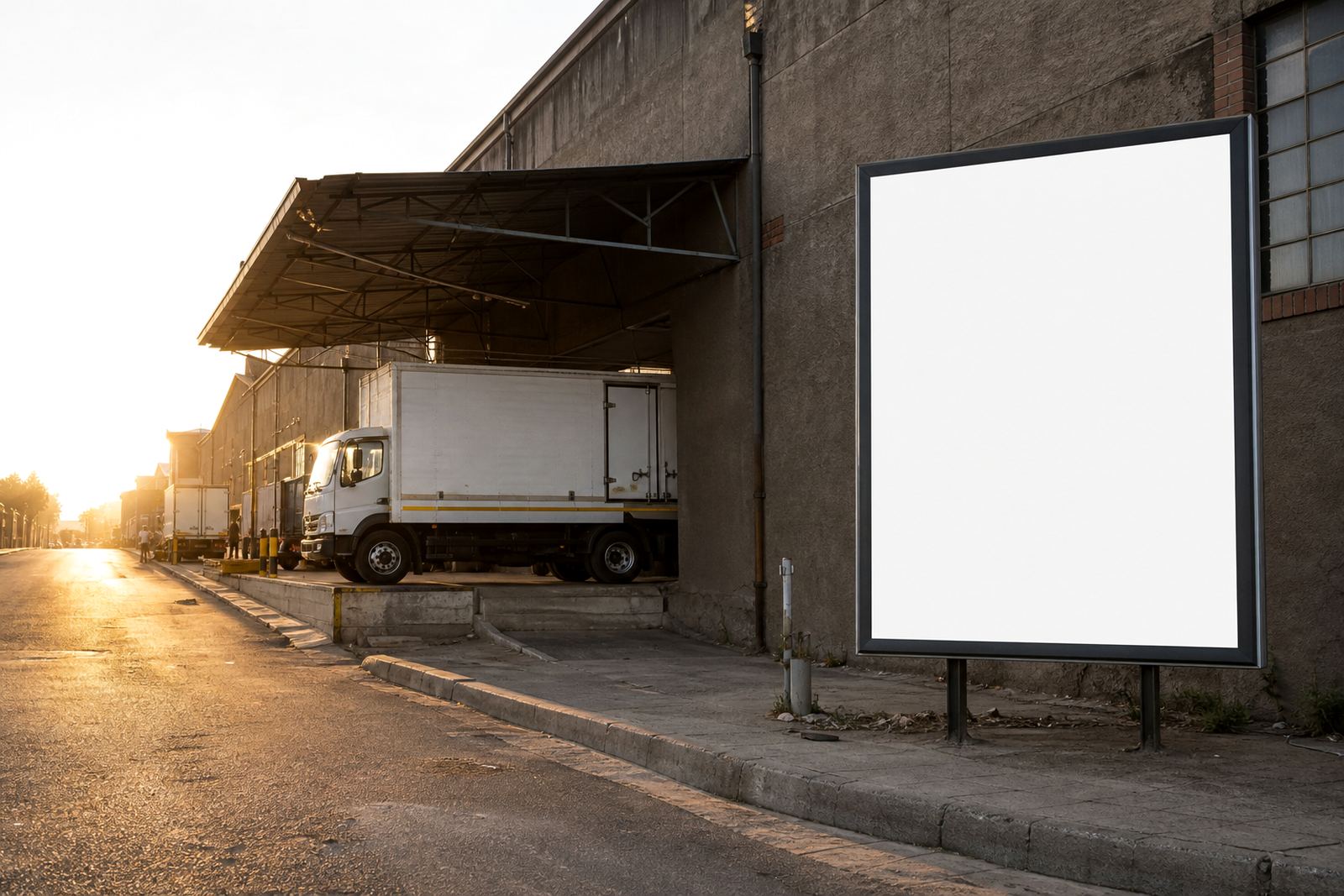
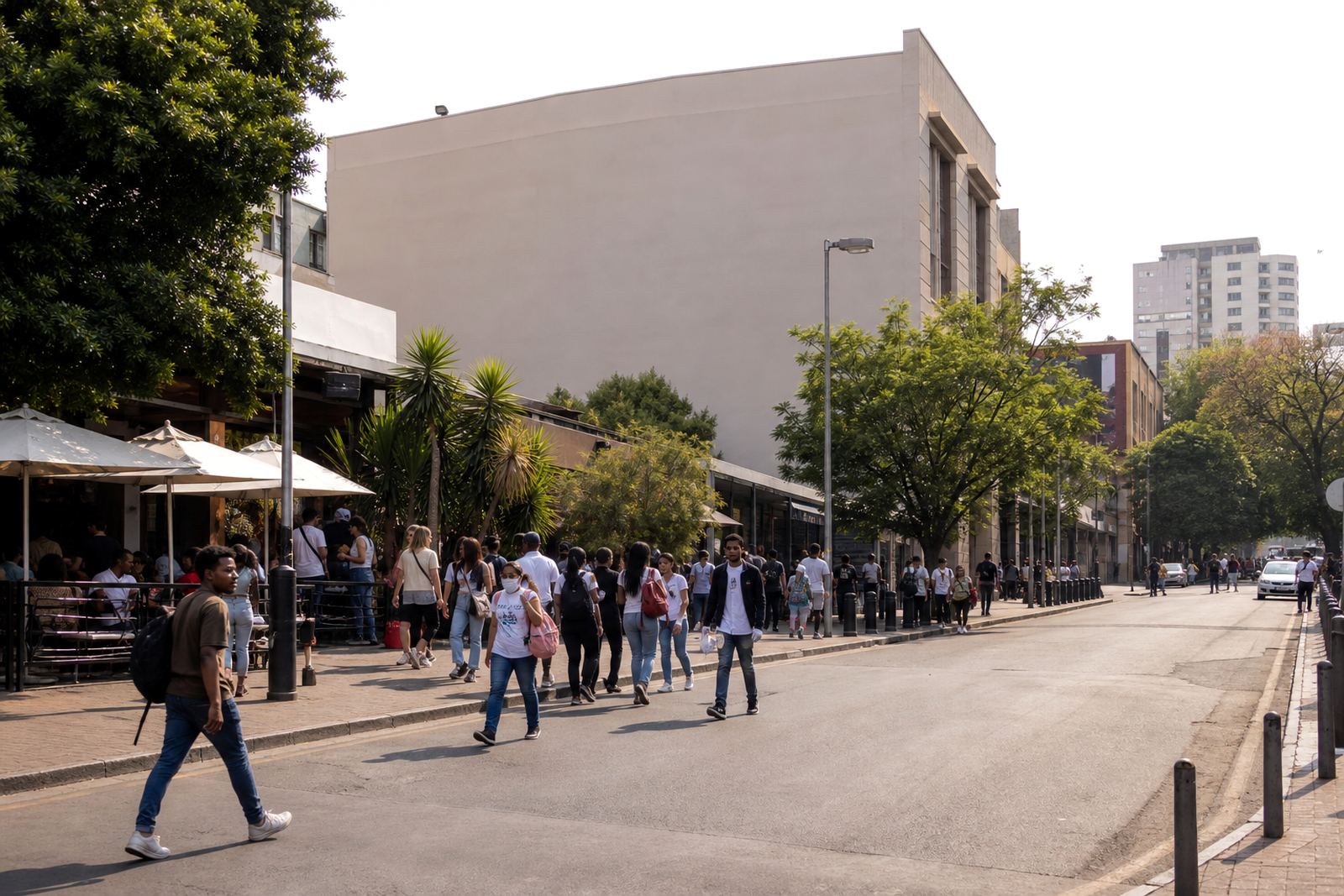
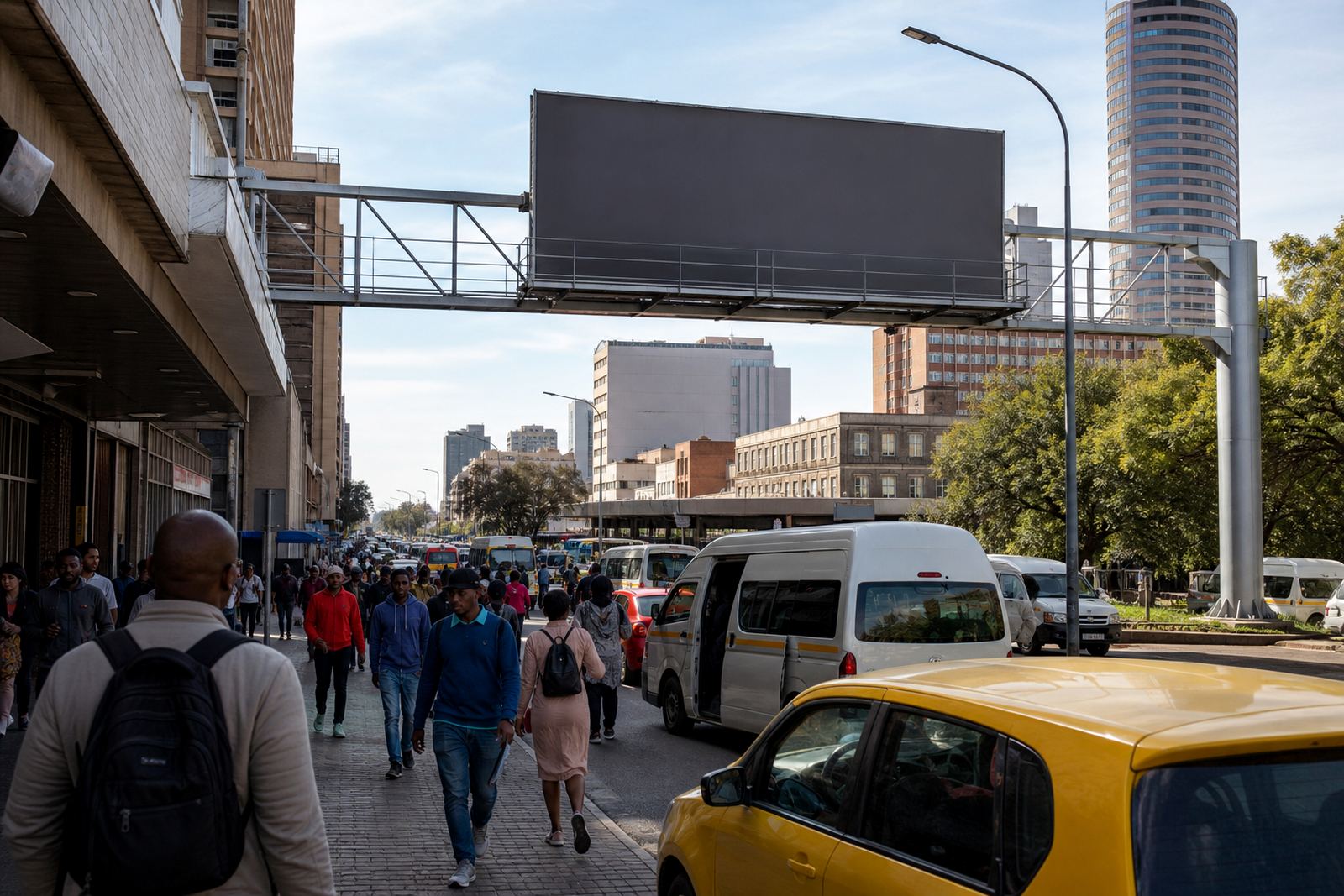
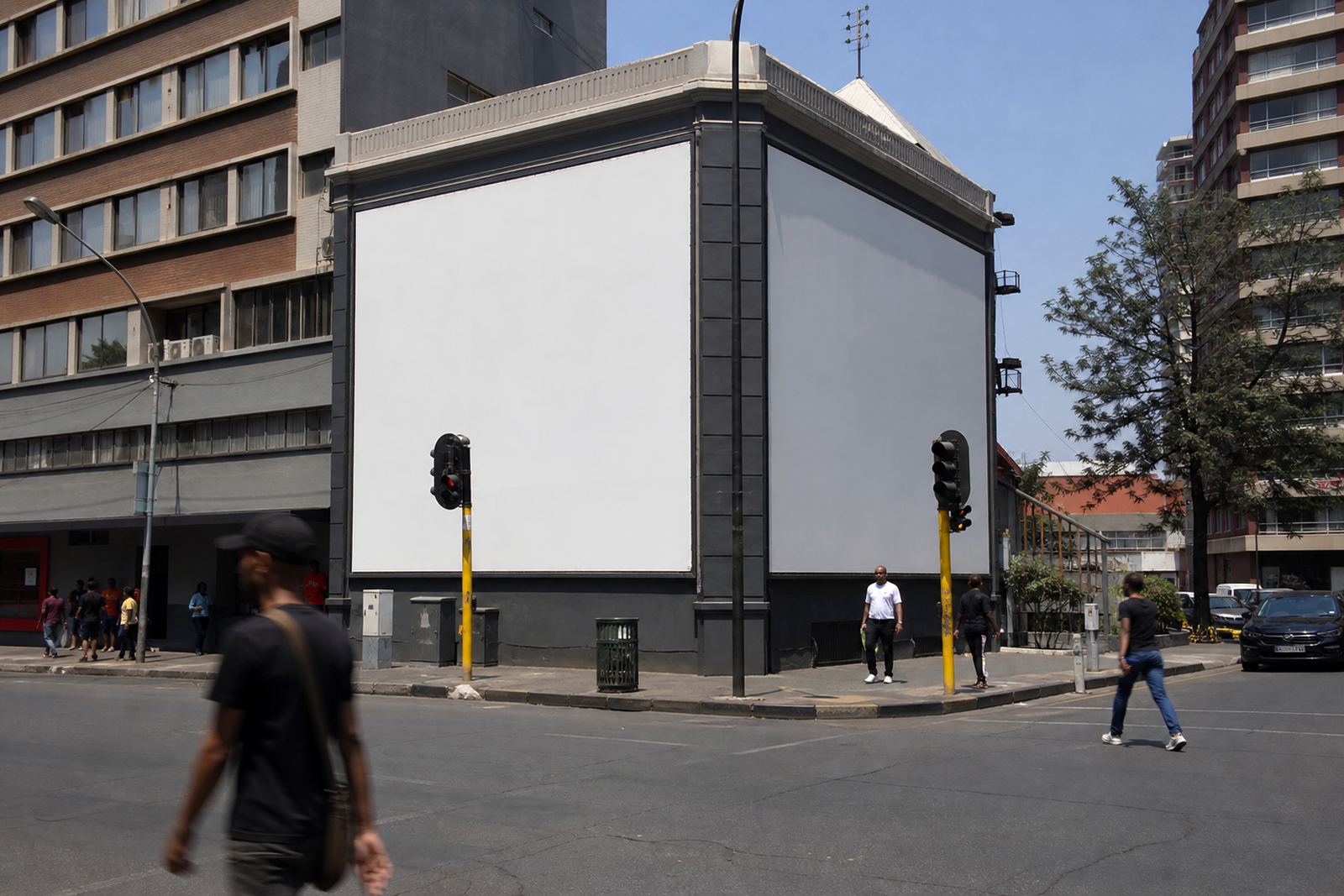
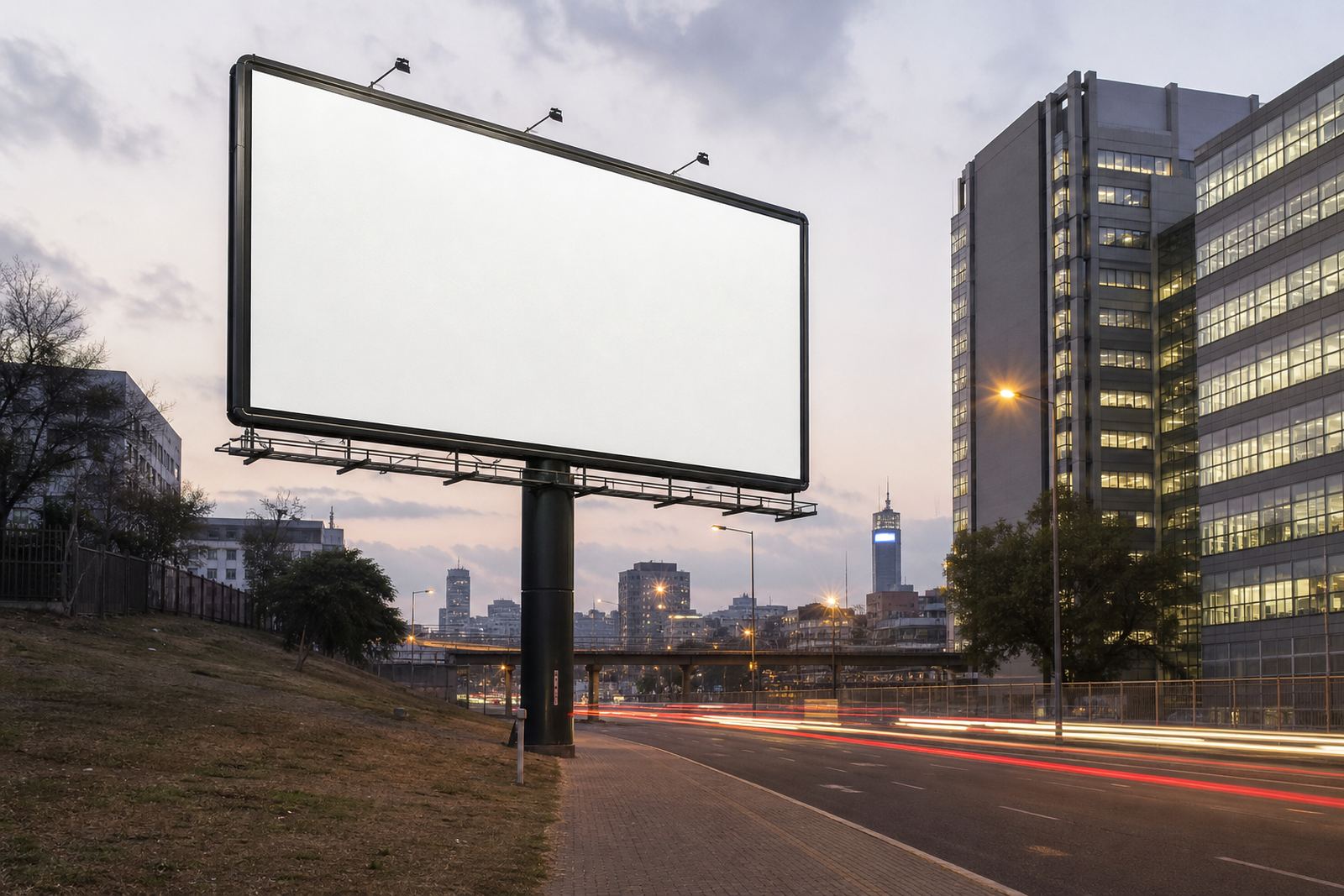
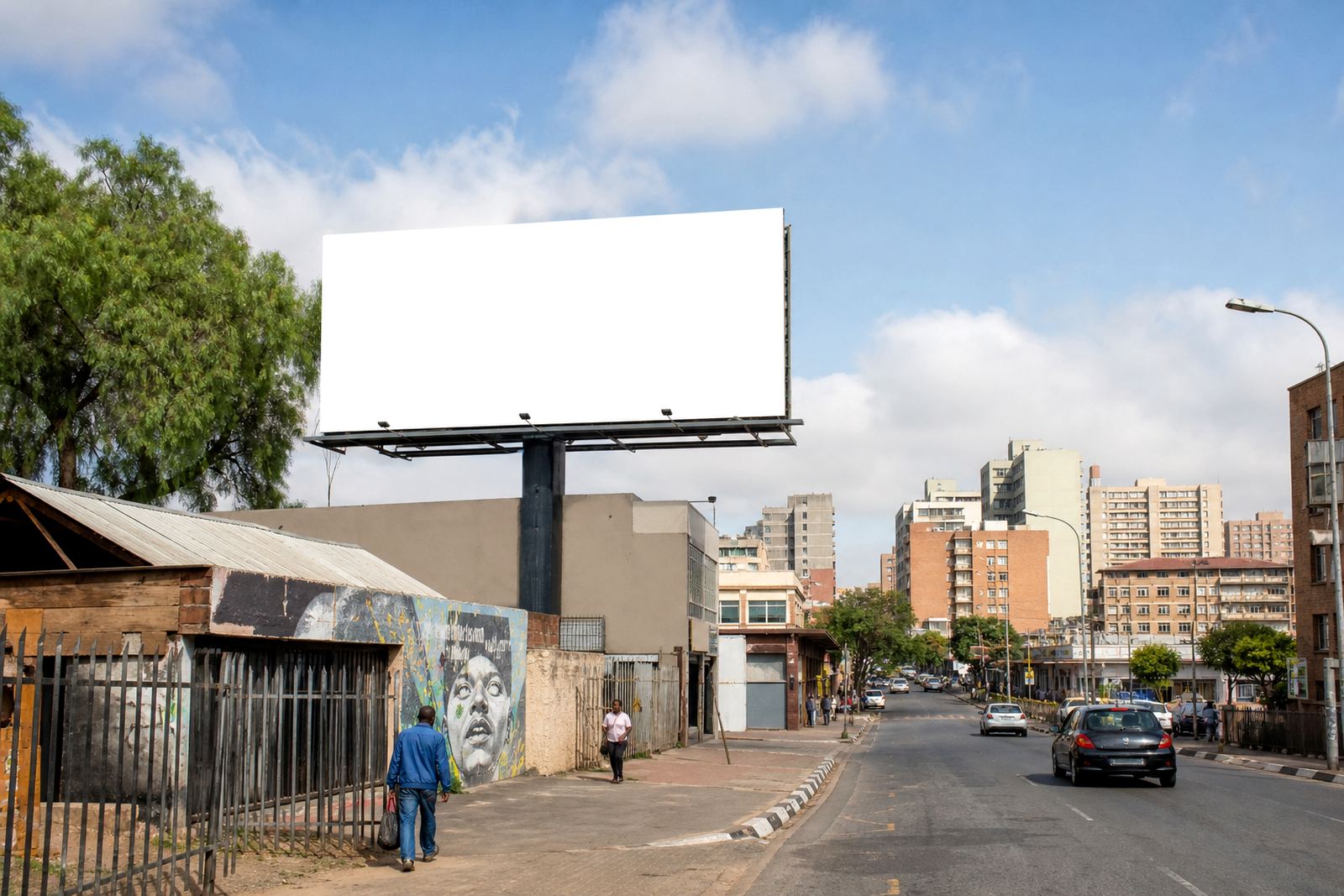
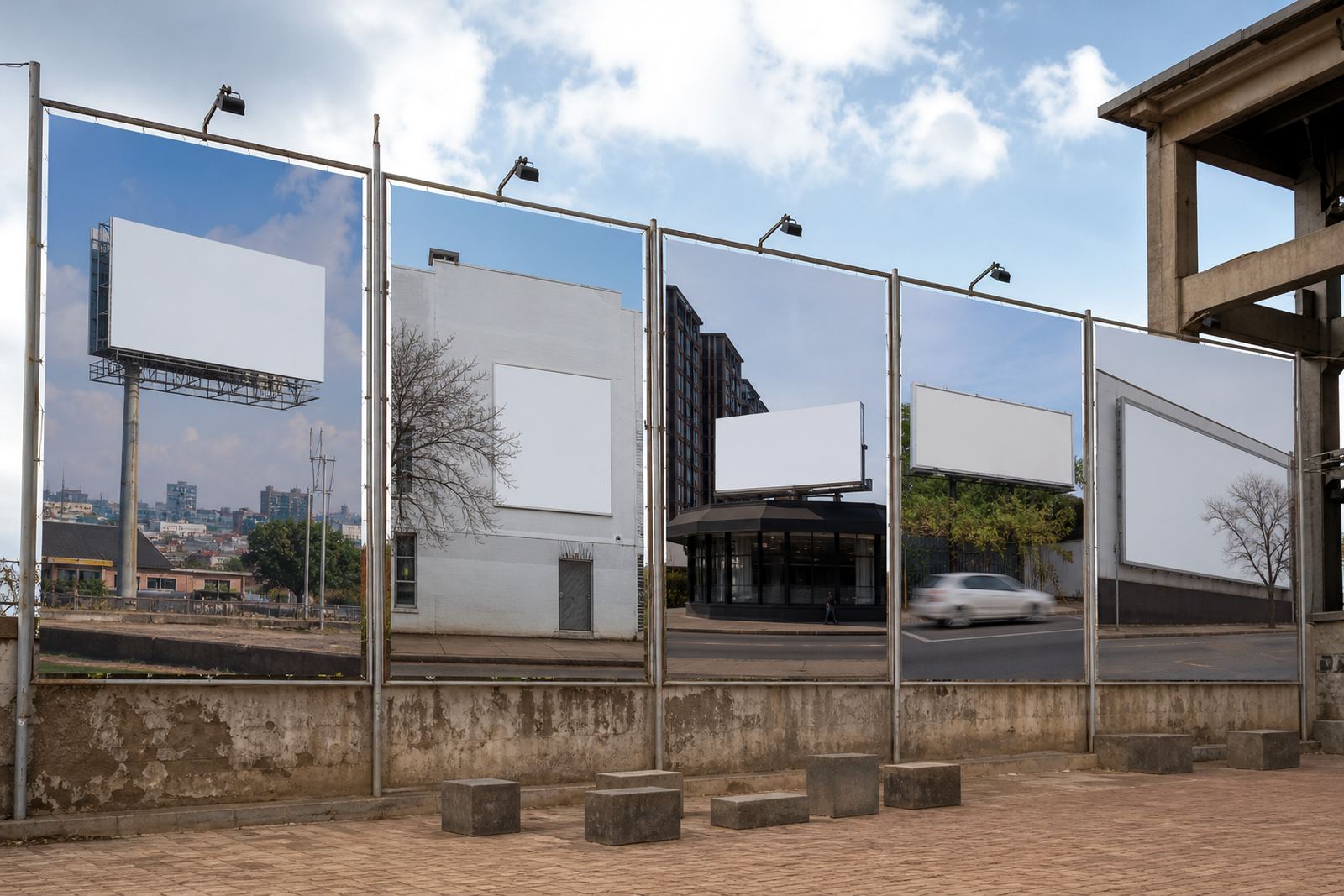
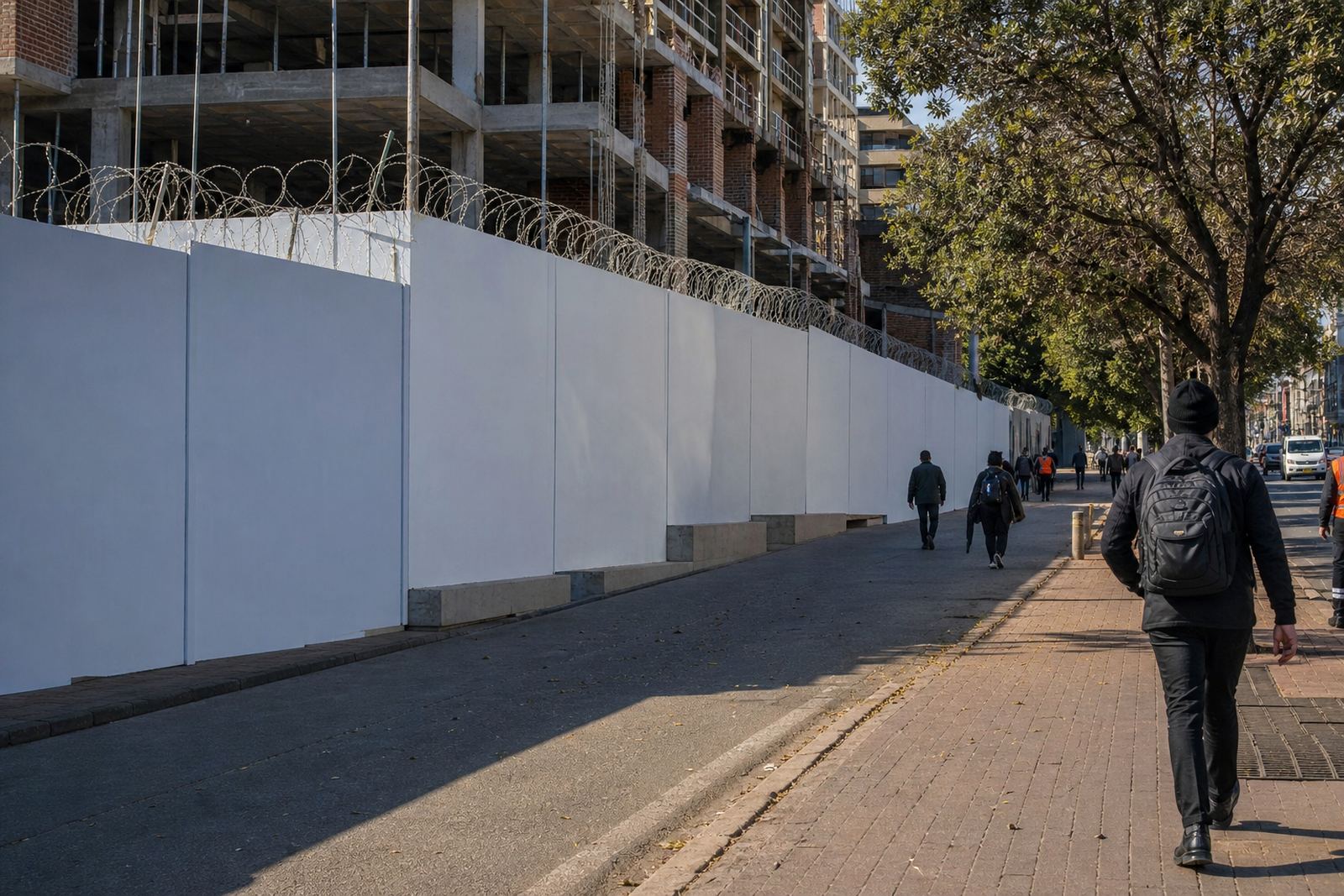
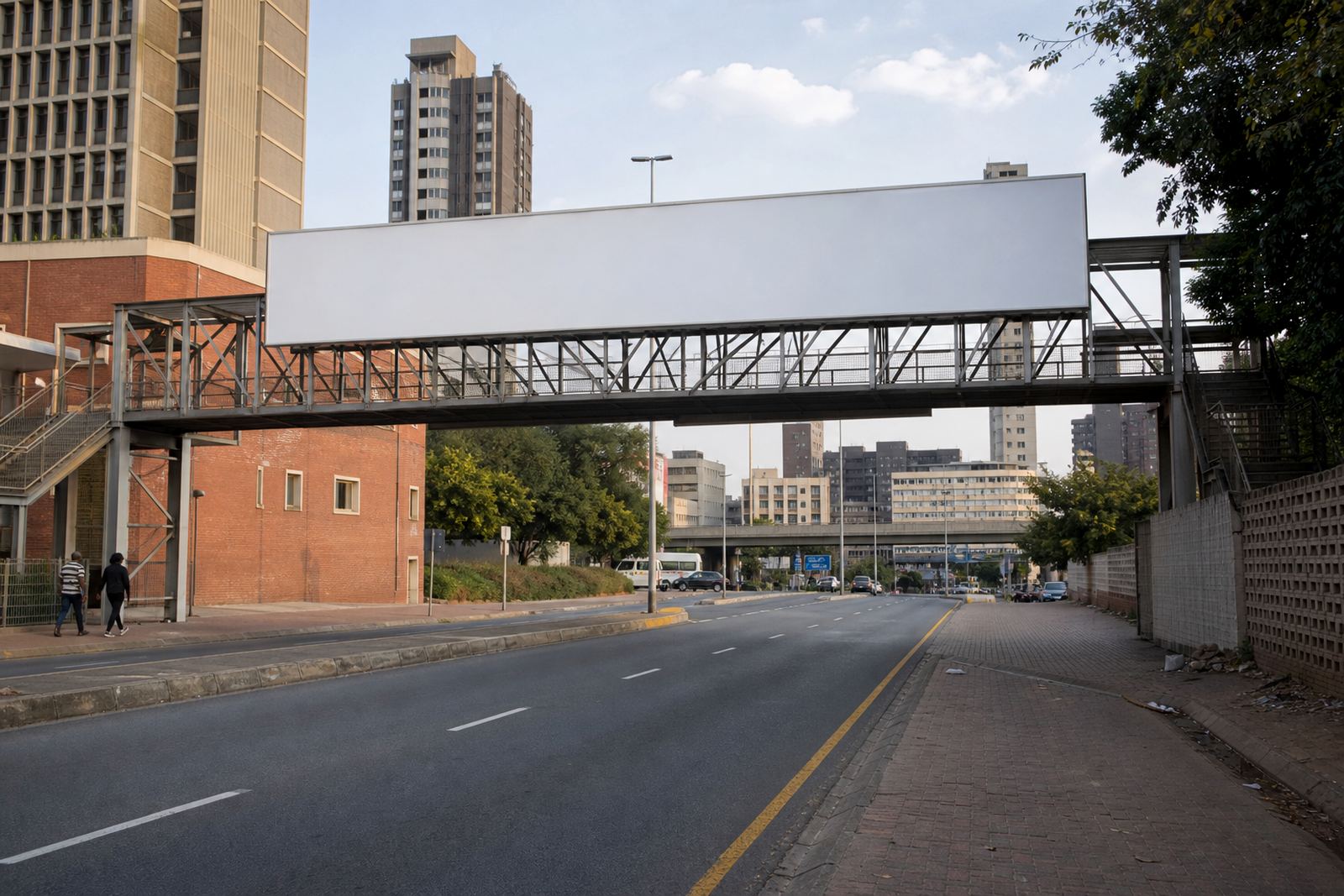
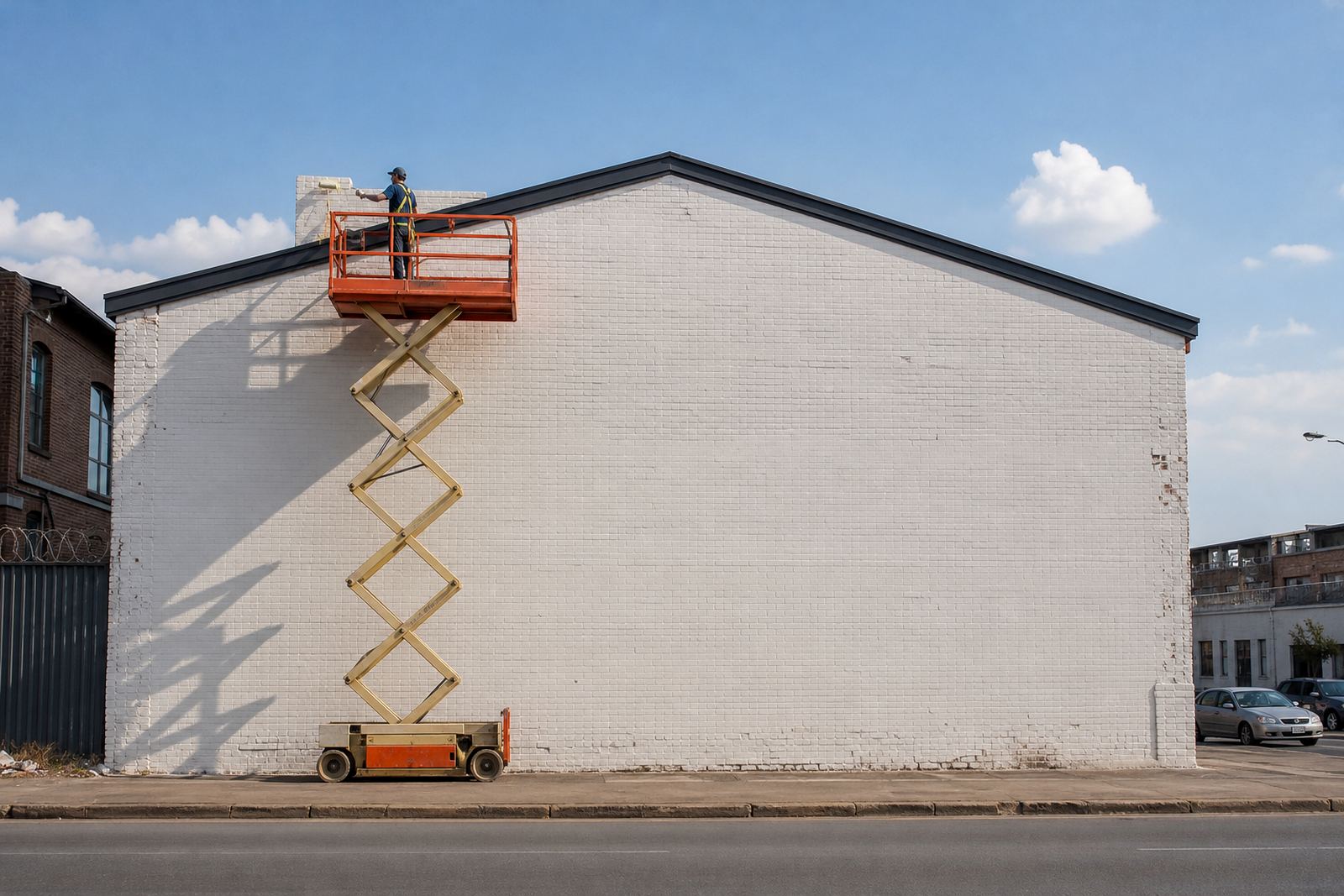
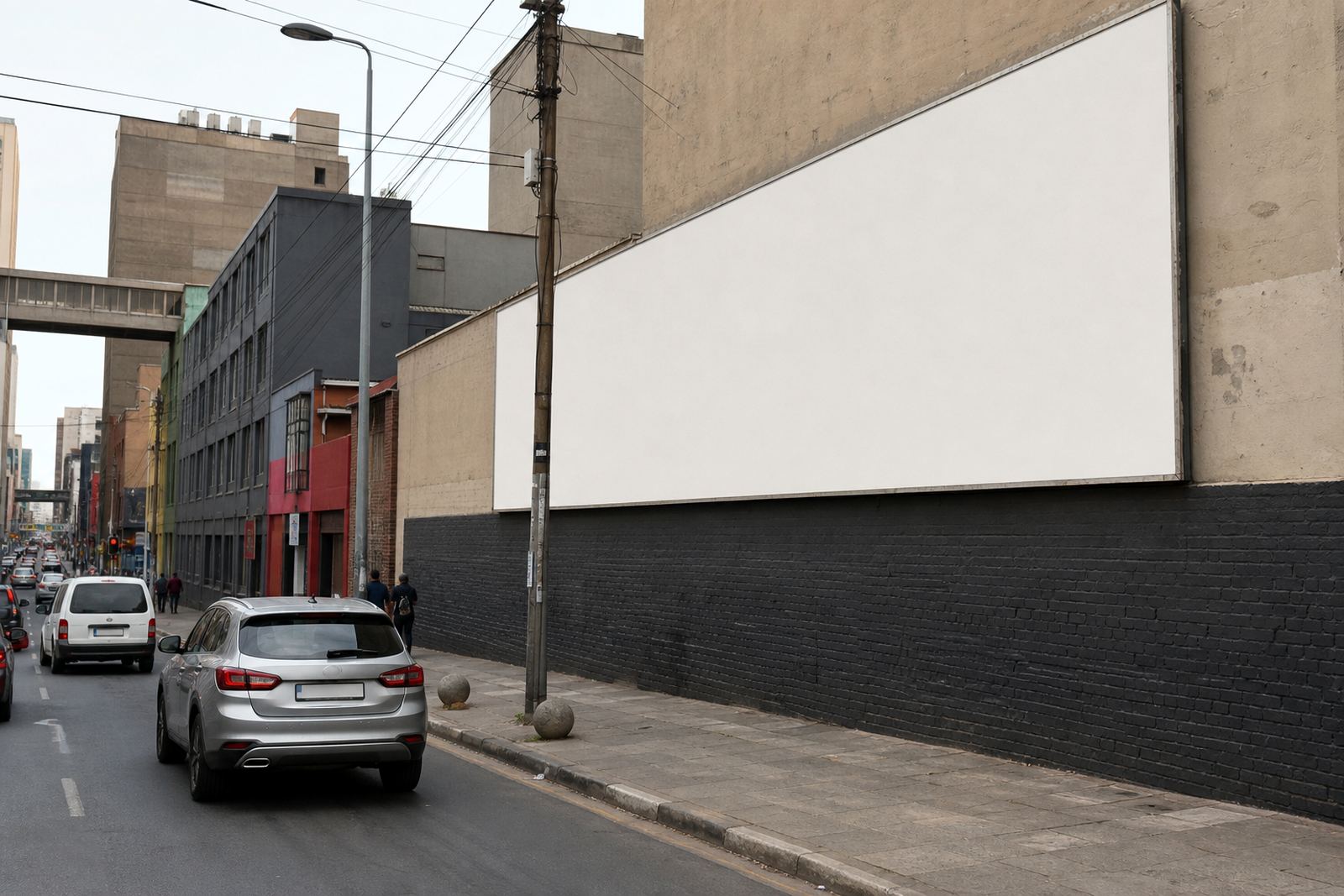
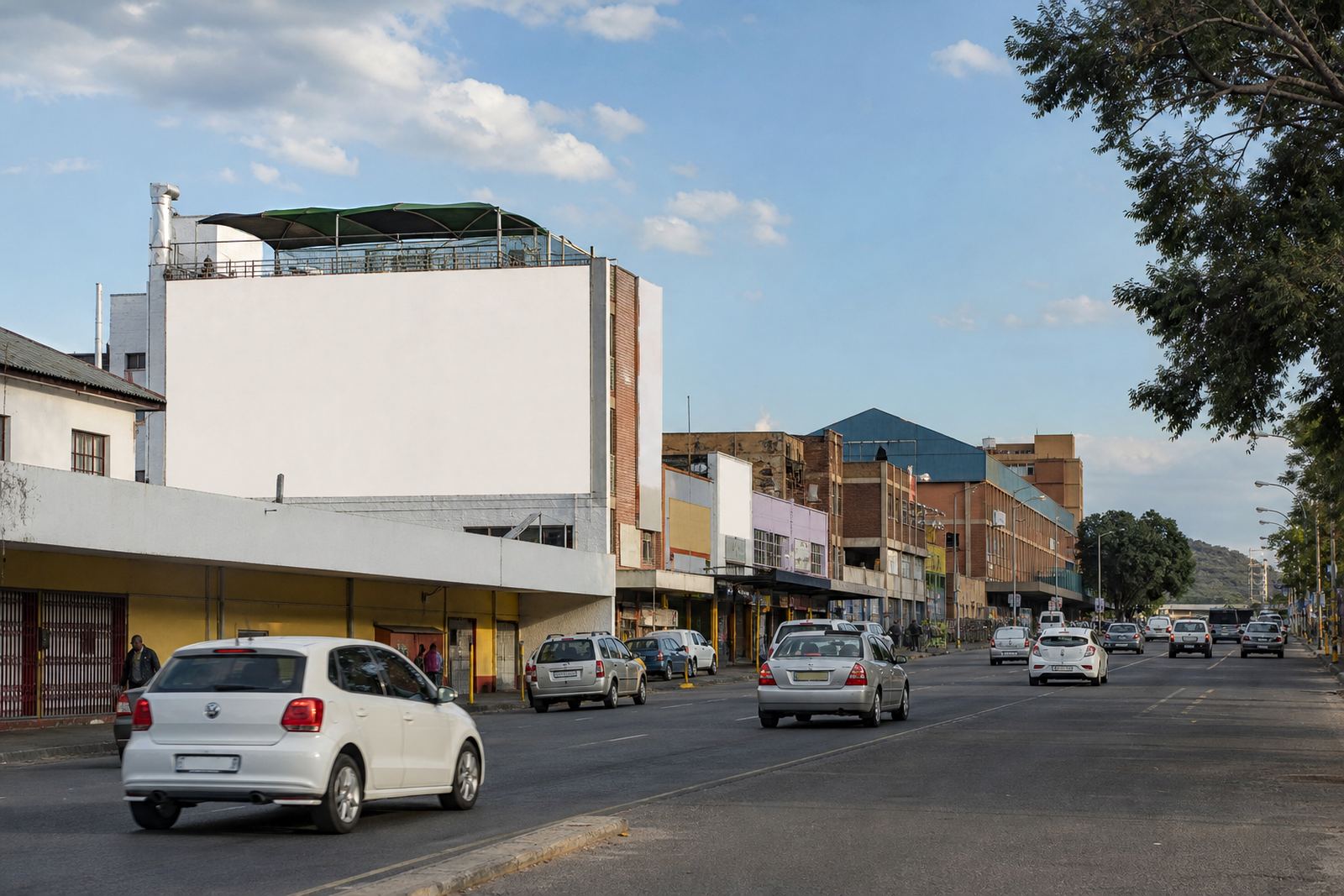
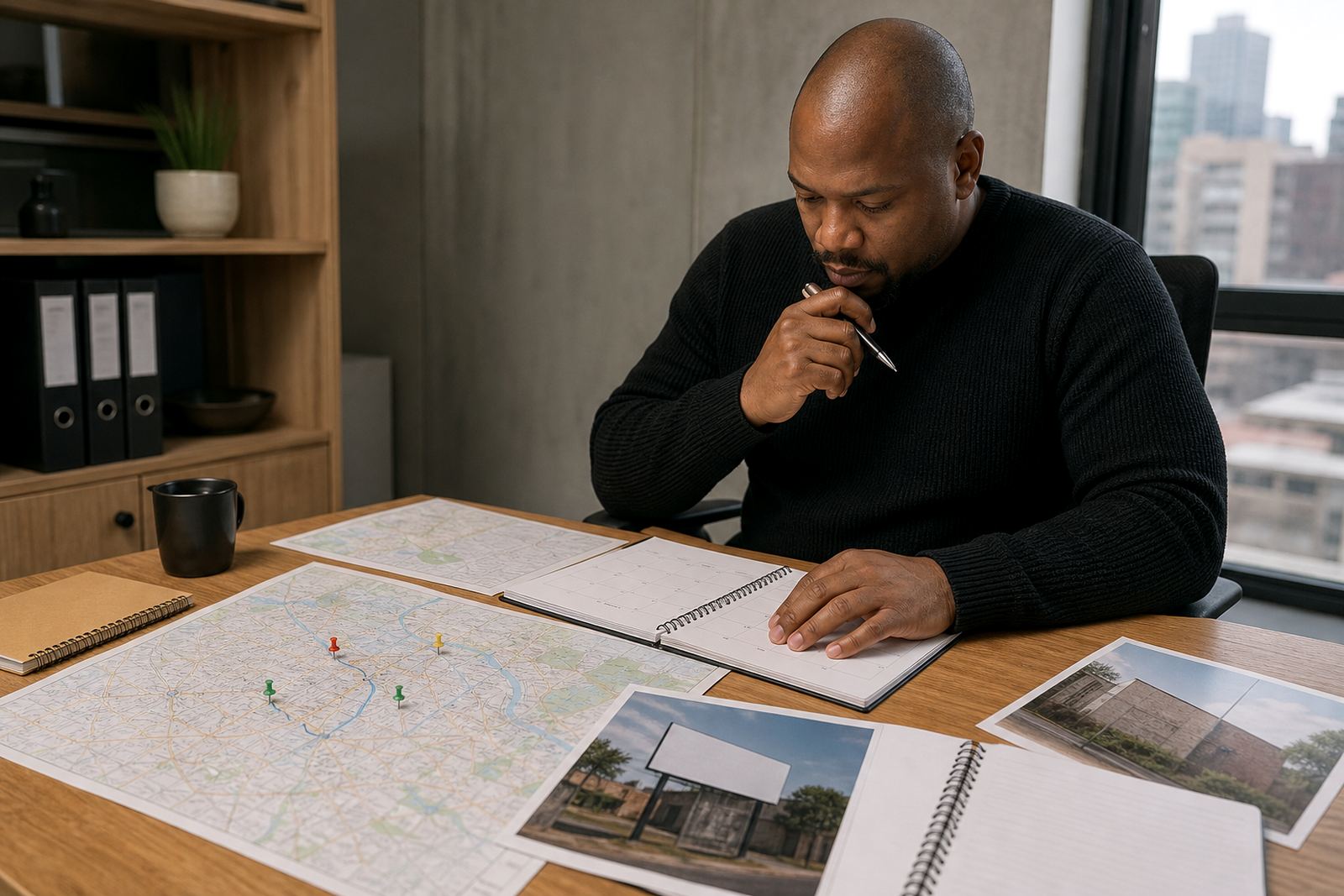
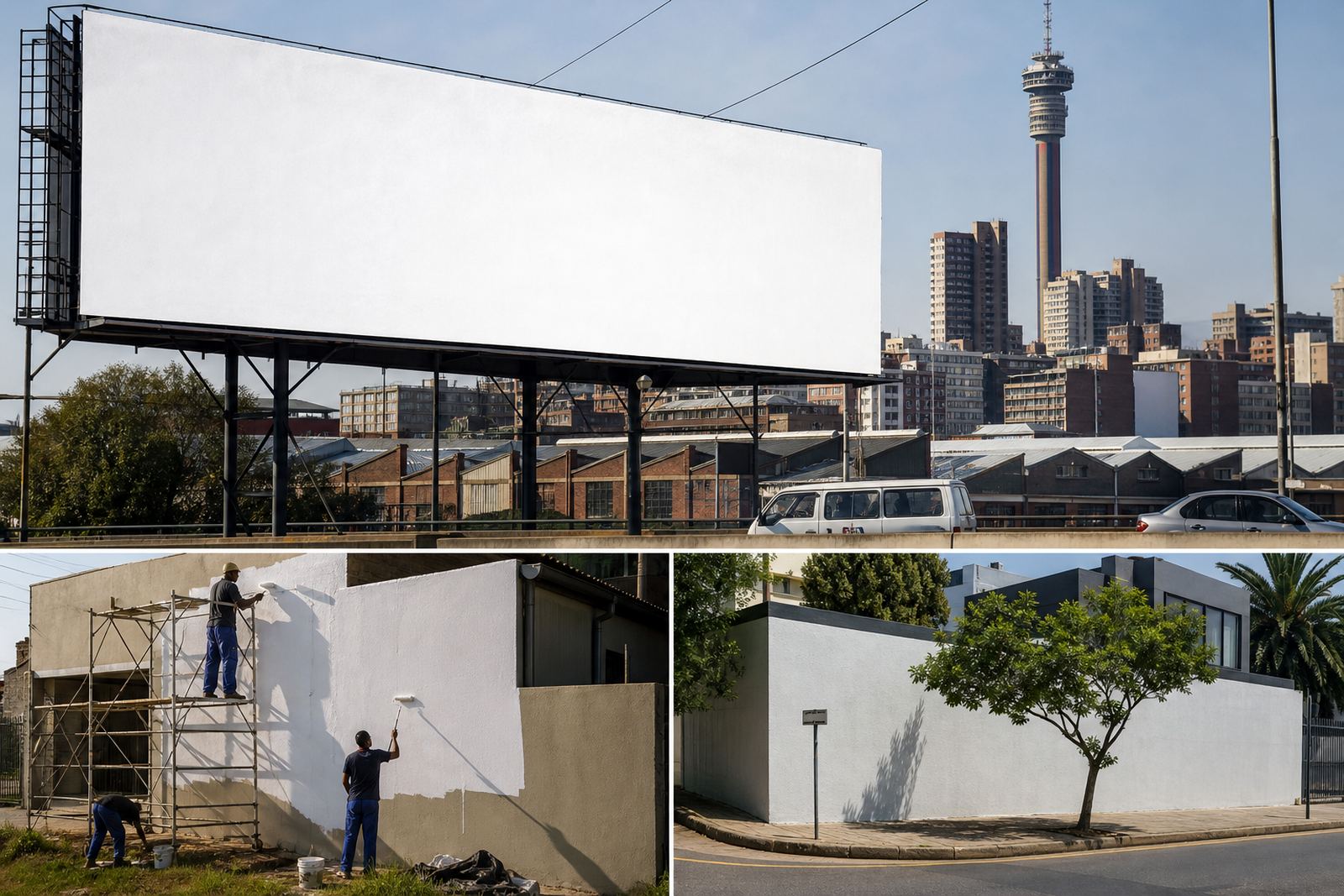
Outdoor advertising works best when the space suits the message, the site and the surrounding area. In Johannesburg, Pretoria, Cape Town, Durban and Bloemfontein, that can mean different wall sizes, viewing angles, mounting options and access needs. A wall above a busy street may suit a short campaign, while a longer roadside panel may be better for ongoing visibility.
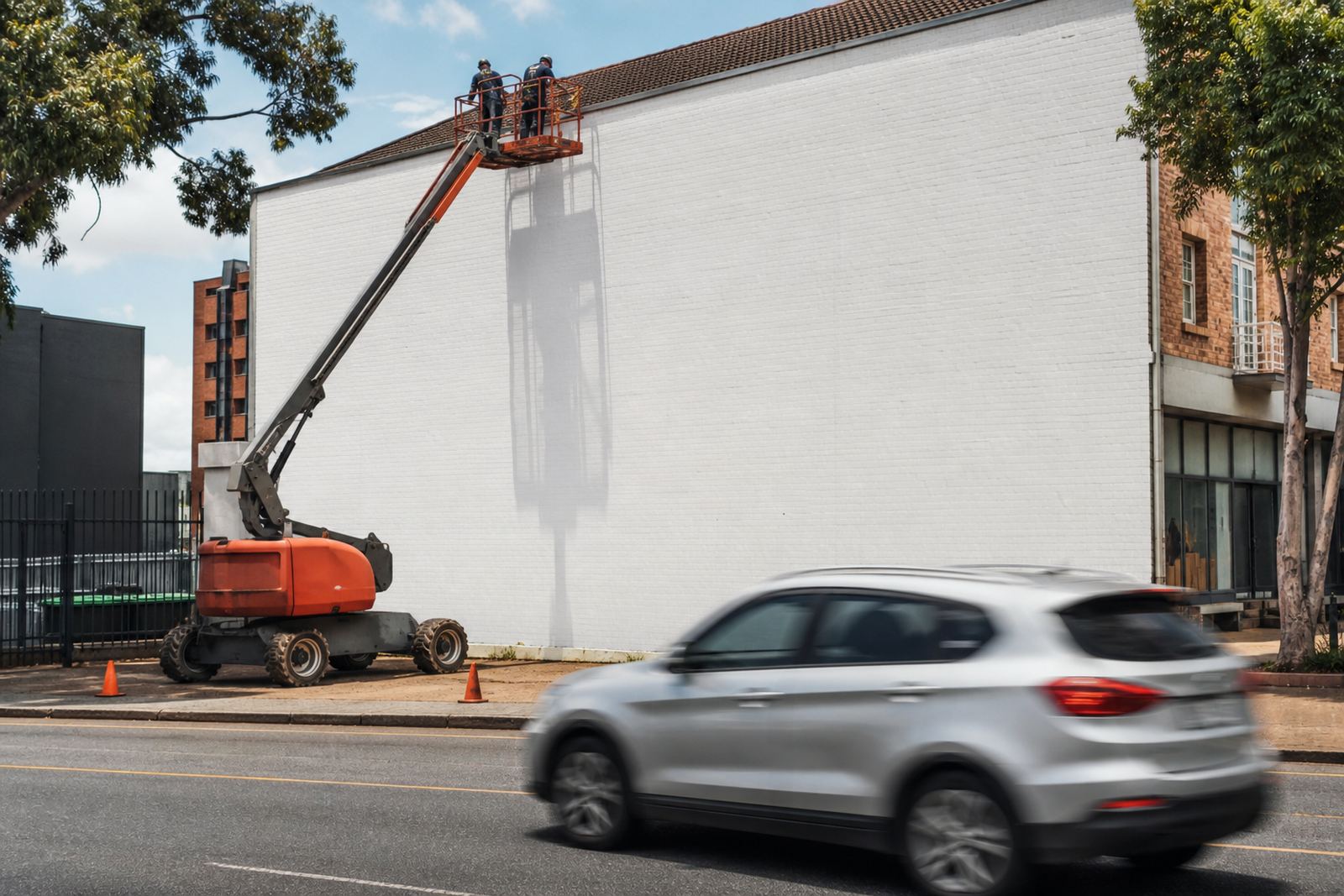
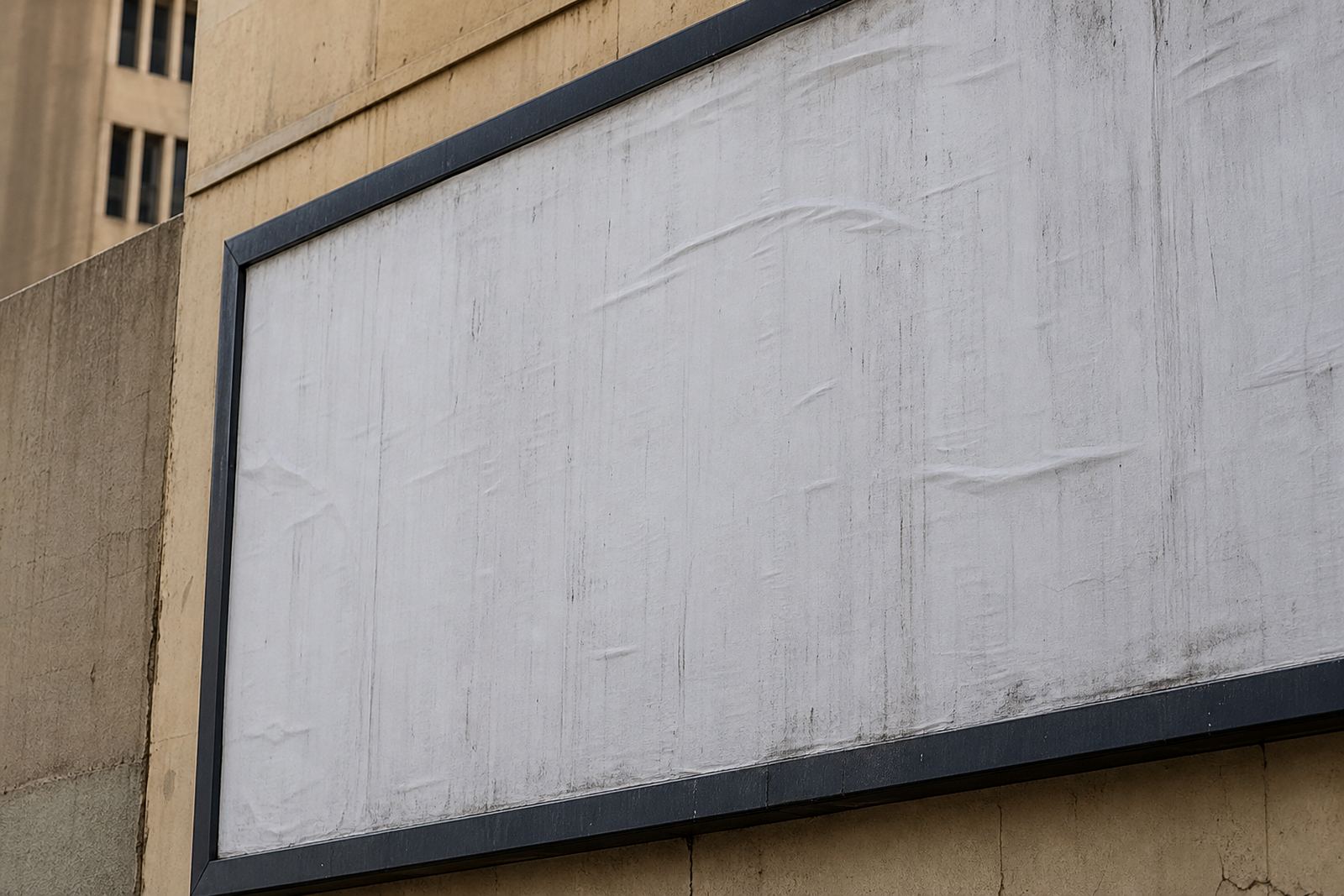
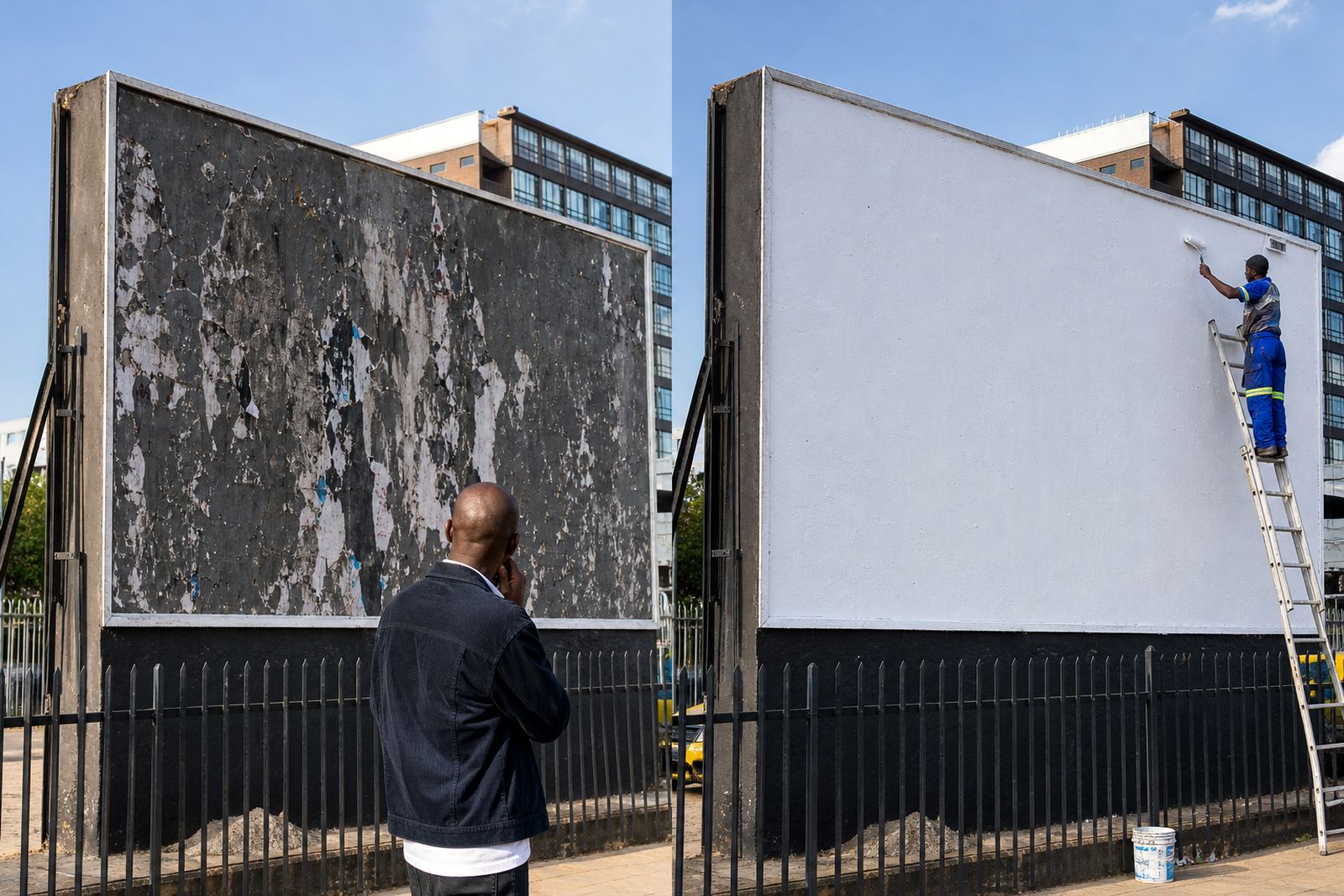
When comparing spaces, look at the wall finish, line of sight, nearby obstructions and whether the structure can carry the format you want. Coastal conditions can affect exposed materials, so it helps to check corrosion risk, wind exposure and maintenance access before any booking is confirmed.
What Property Owners Should Have Ready Before Listing
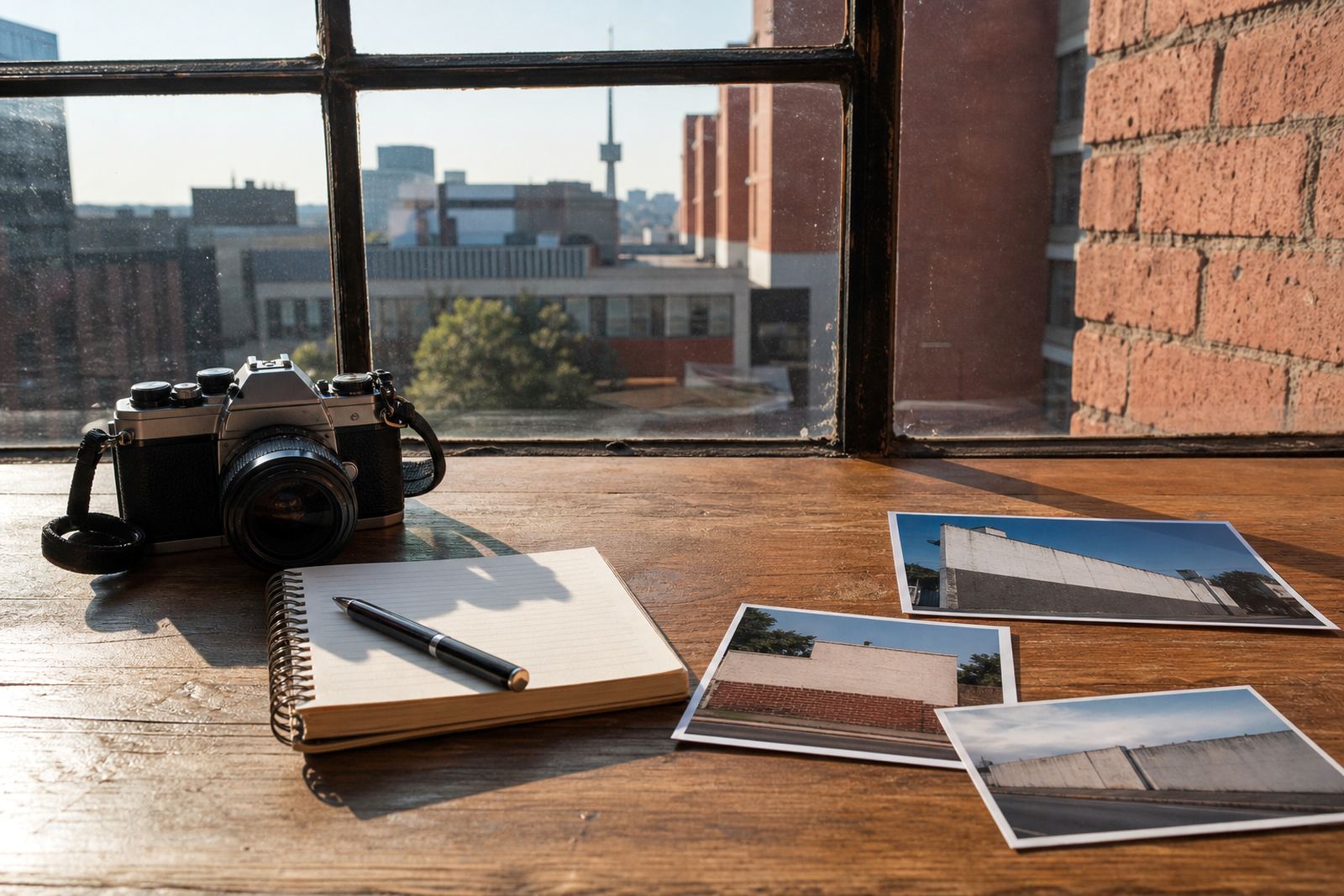
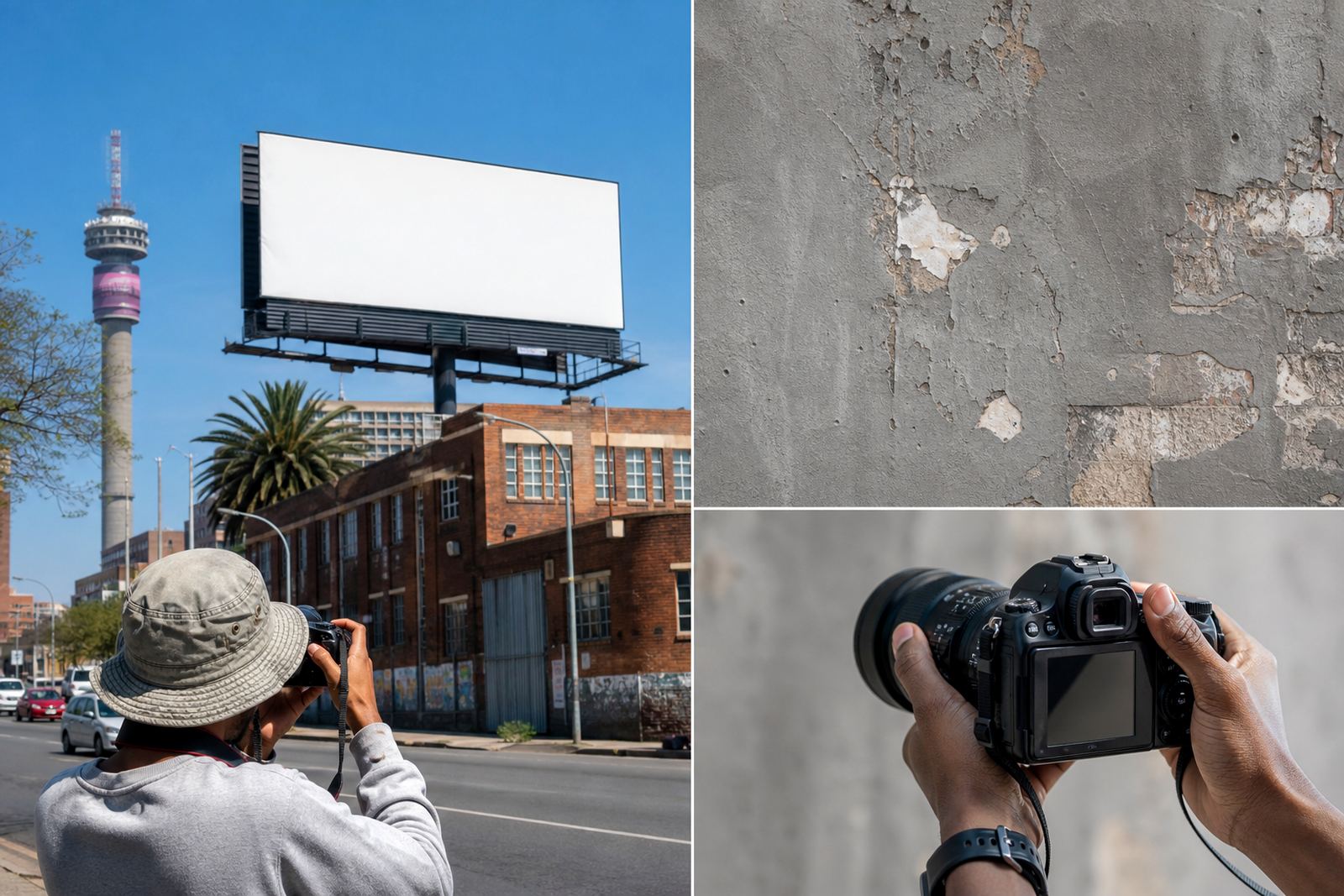
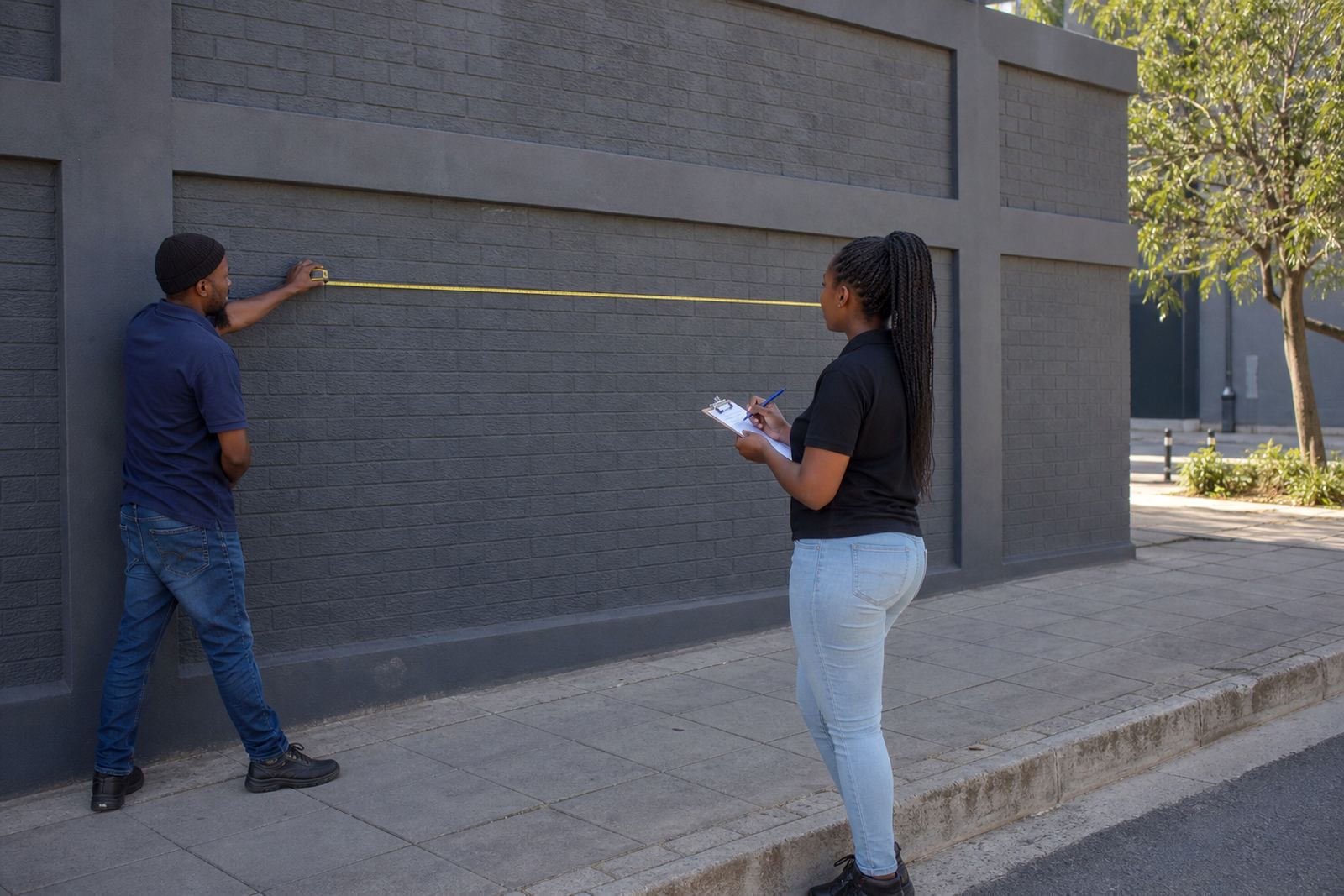
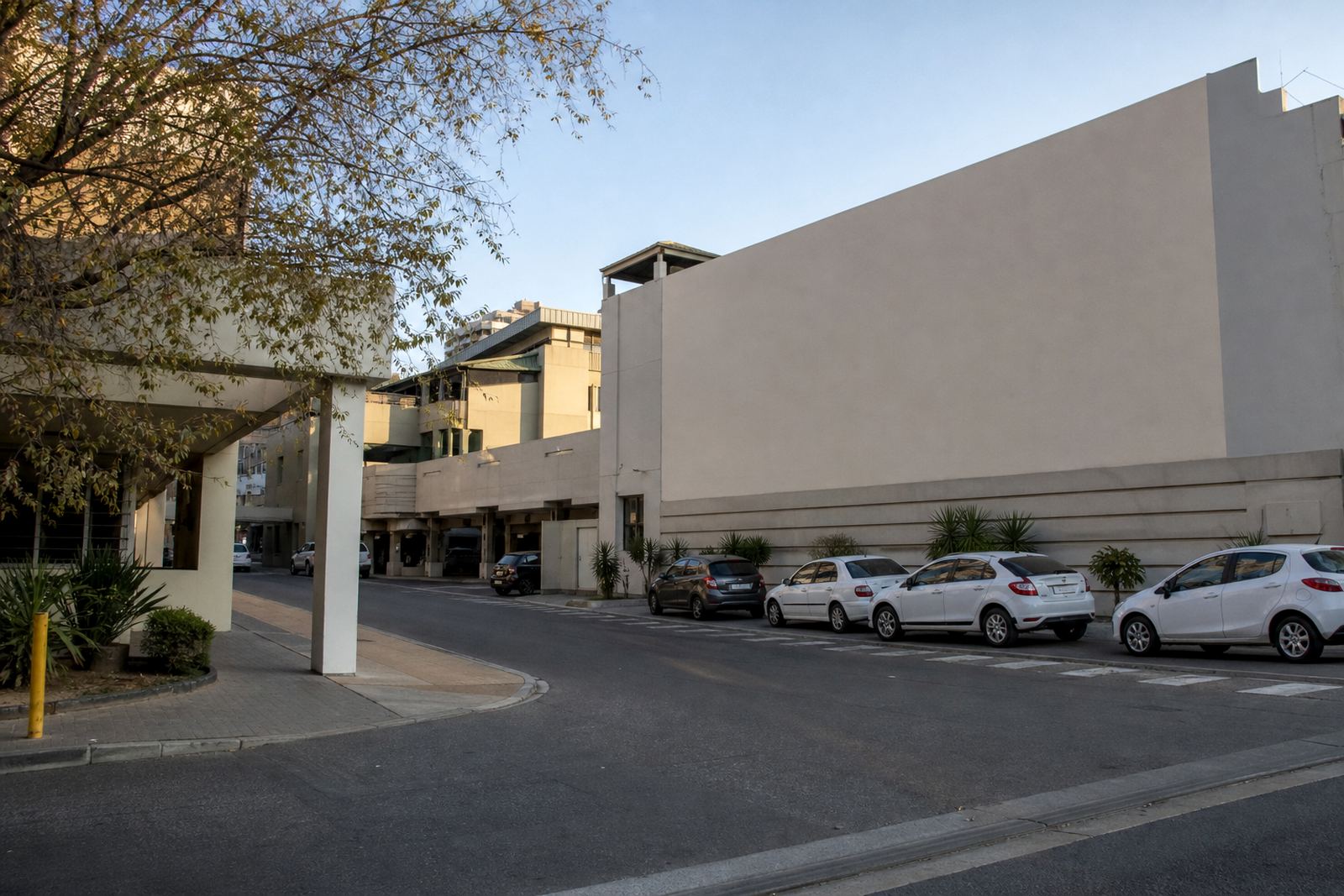
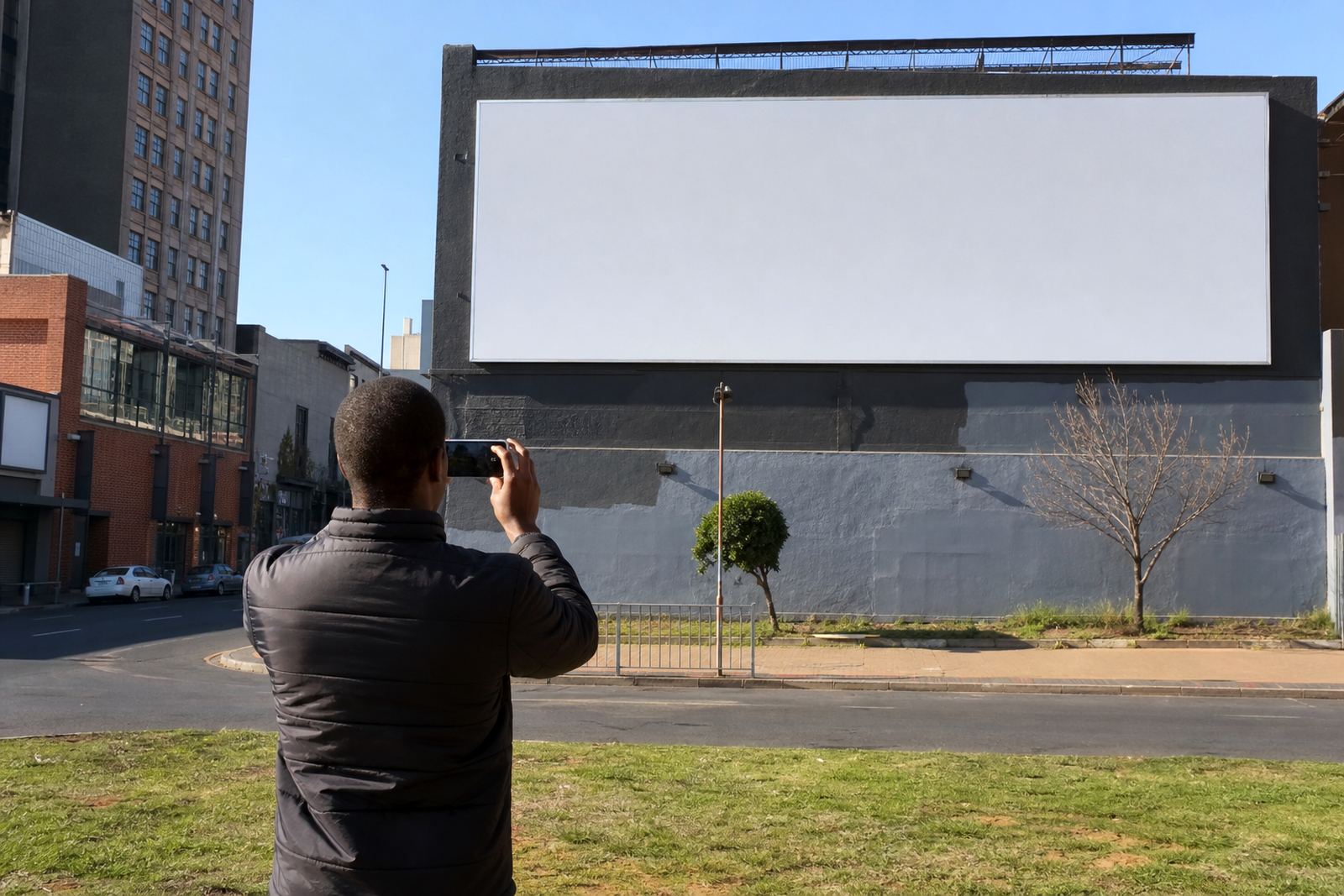
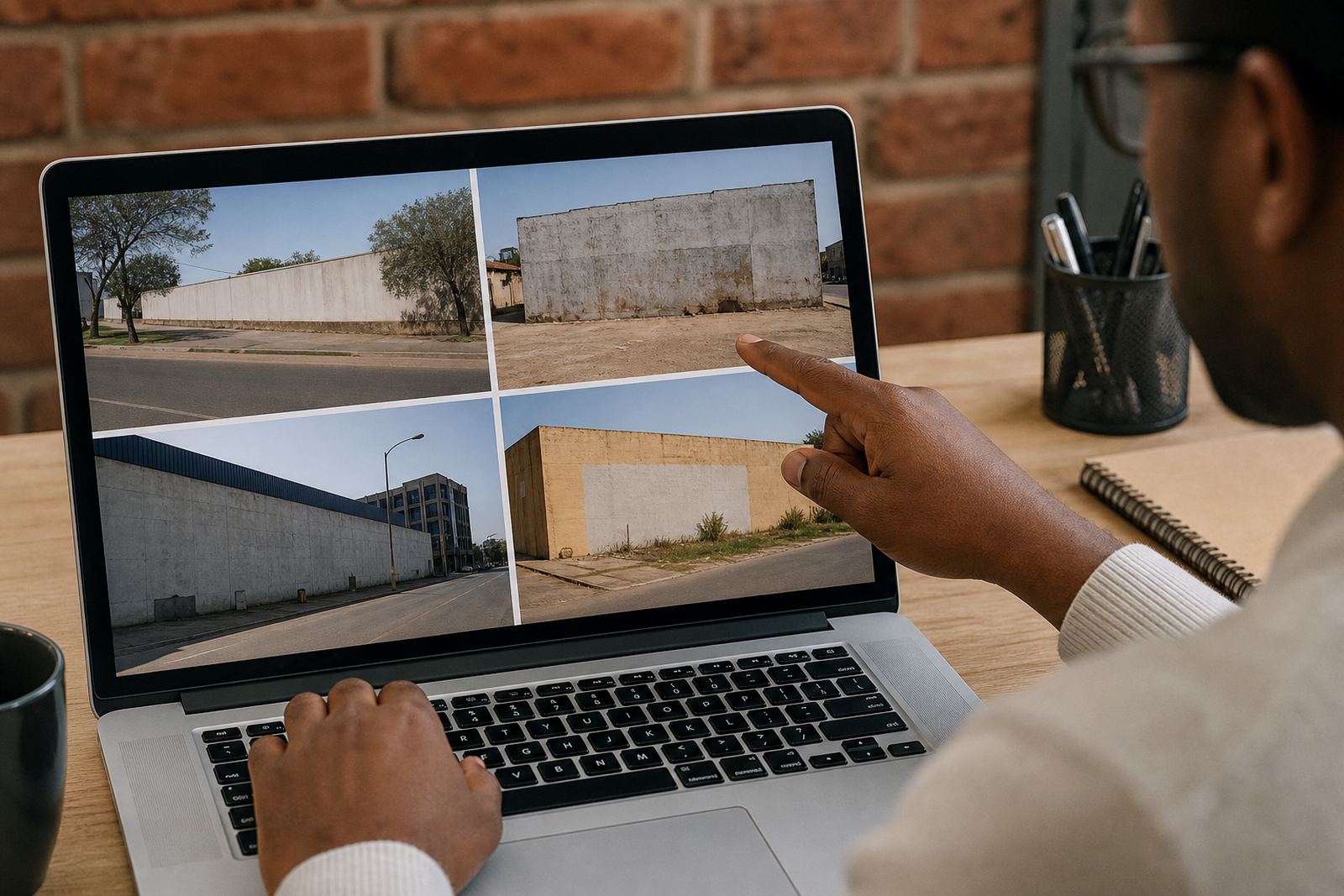
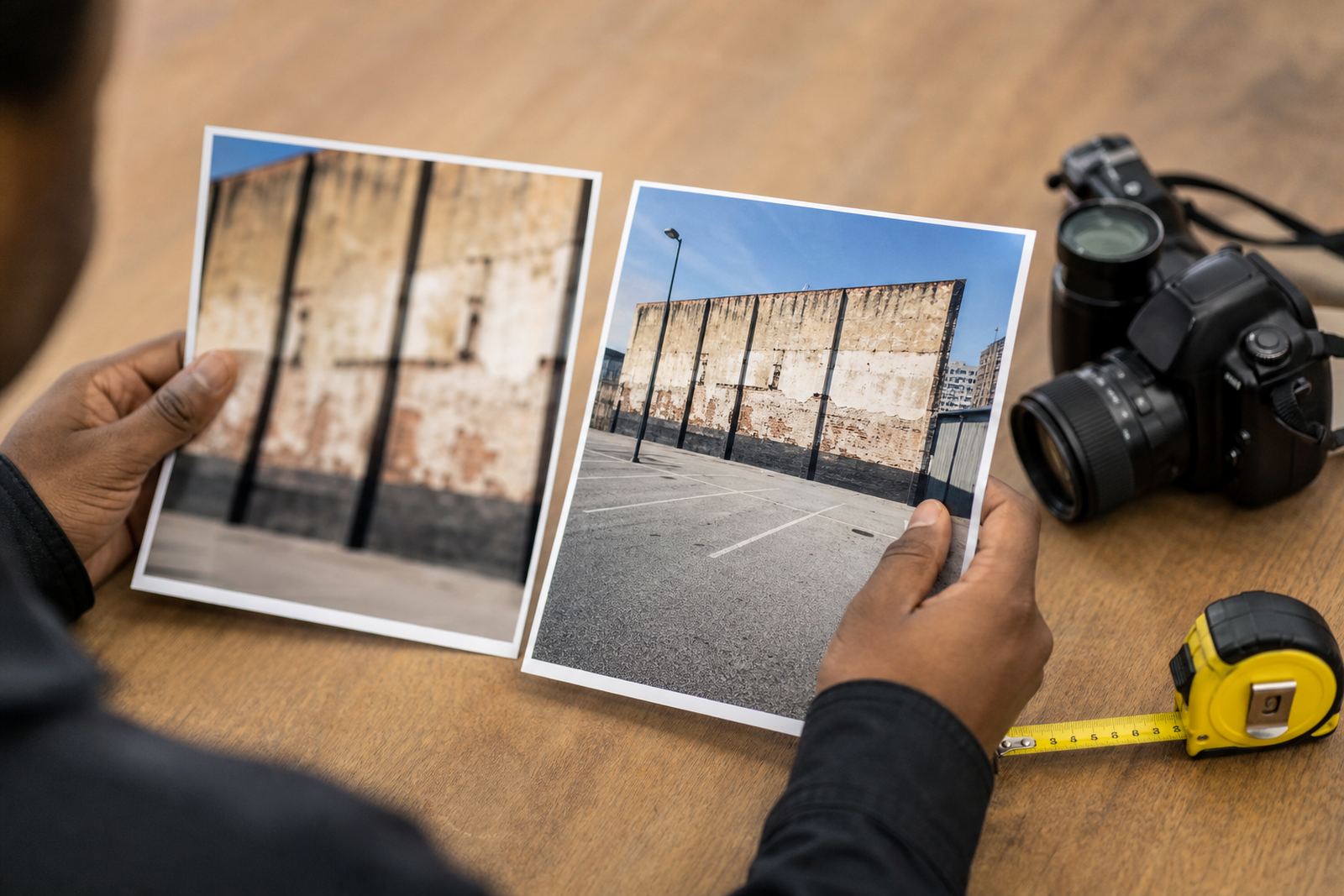
If you own a wall or billboard site, a clear listing starts with accurate details. Good photos, exact dimensions and a simple description make it easier for advertisers to decide quickly. It also helps to note whether the site is on a main route, in a commercial area or near mixed-use properties. Small details matter, because they can affect sign placement and installation planning.
- Current photos from more than one angle
- Approximate width and height in metres
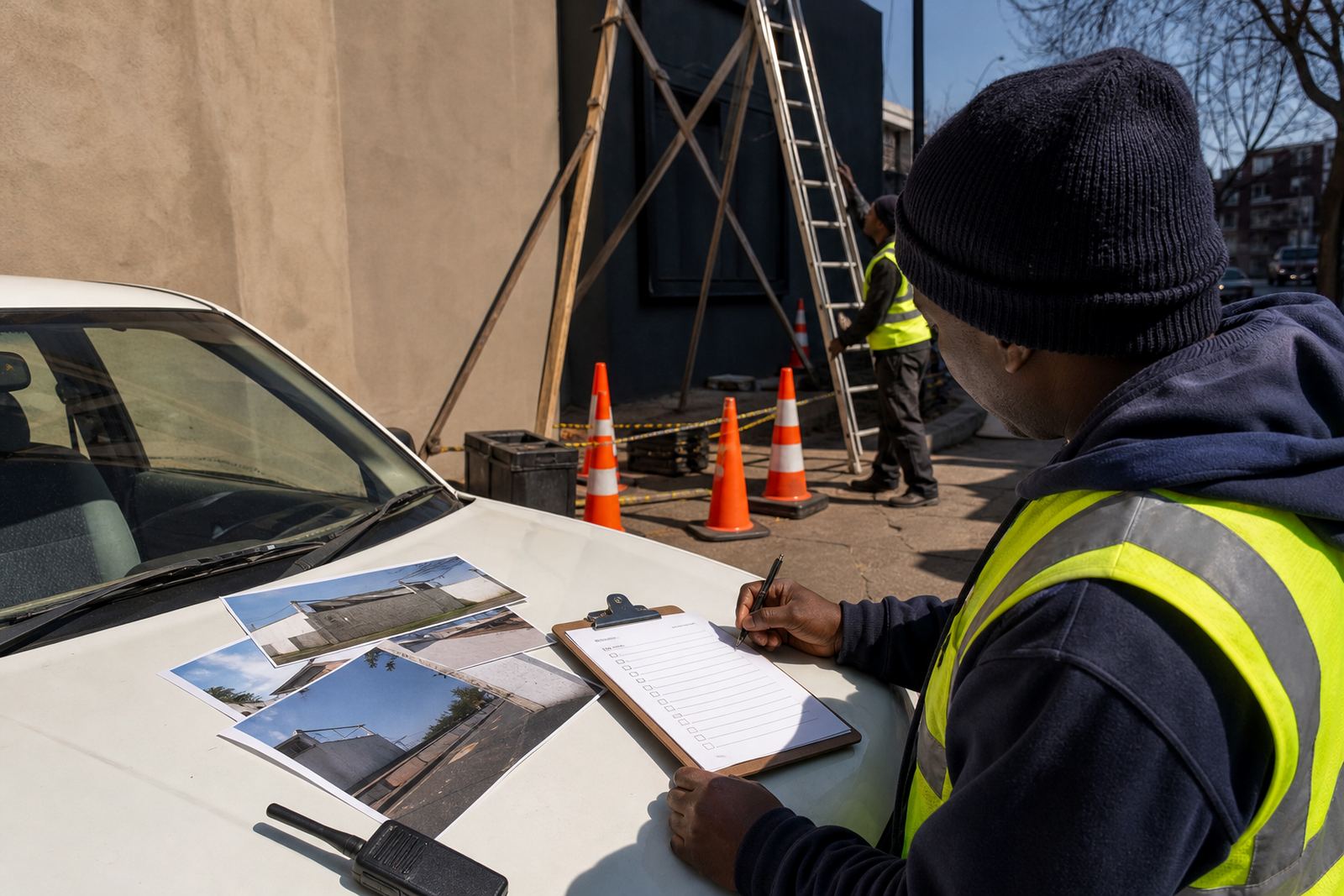
- Access notes for installers or maintenance teams
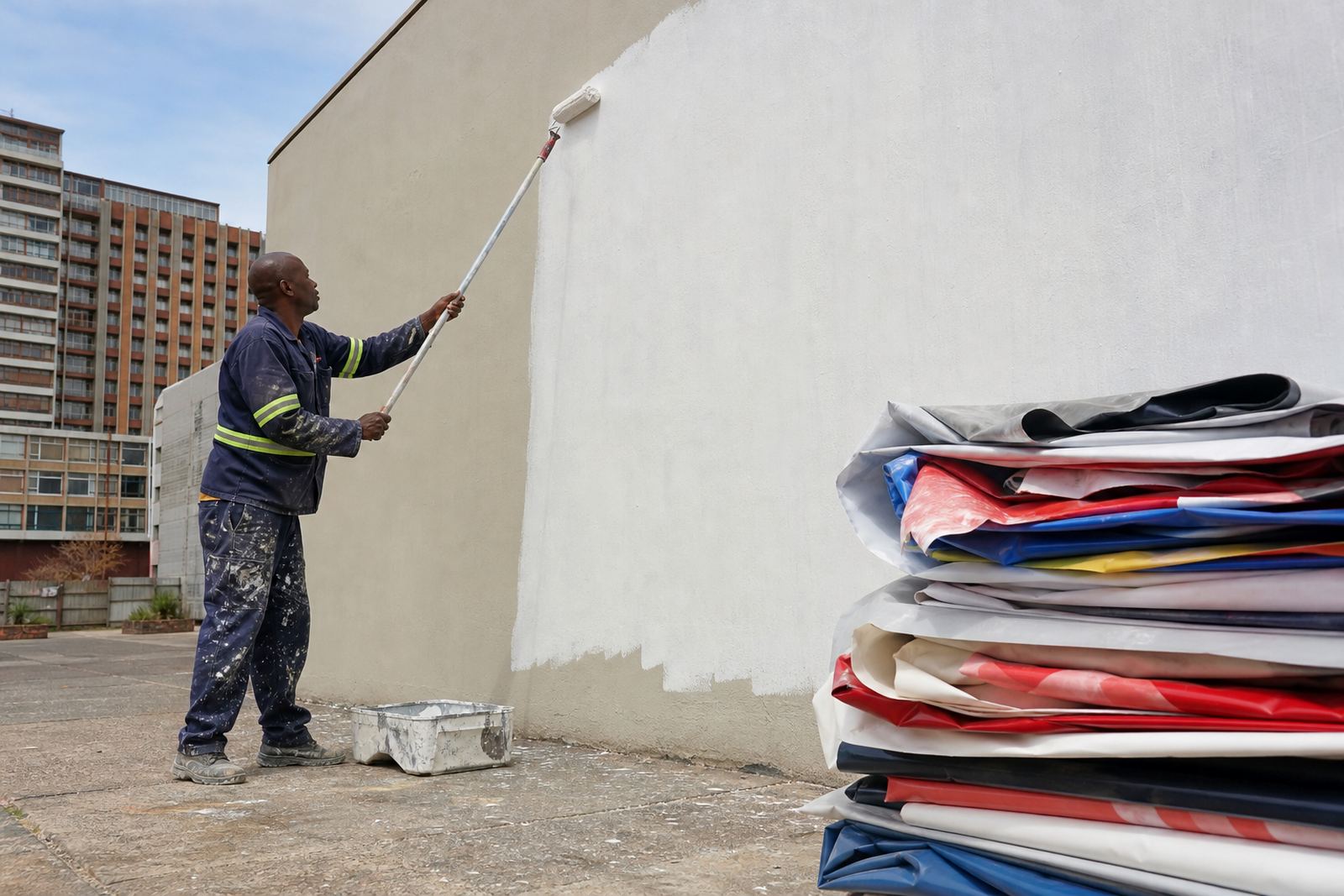
- Any restrictions on drilling, painting or frame fixing
- Whether lighting or power access is already available
For shared buildings or sectional title properties, it is wise to confirm who may sign off on use of the wall before any discussions go too far. That avoids delays later.
Consent, Municipal Rules and Practical Compliance
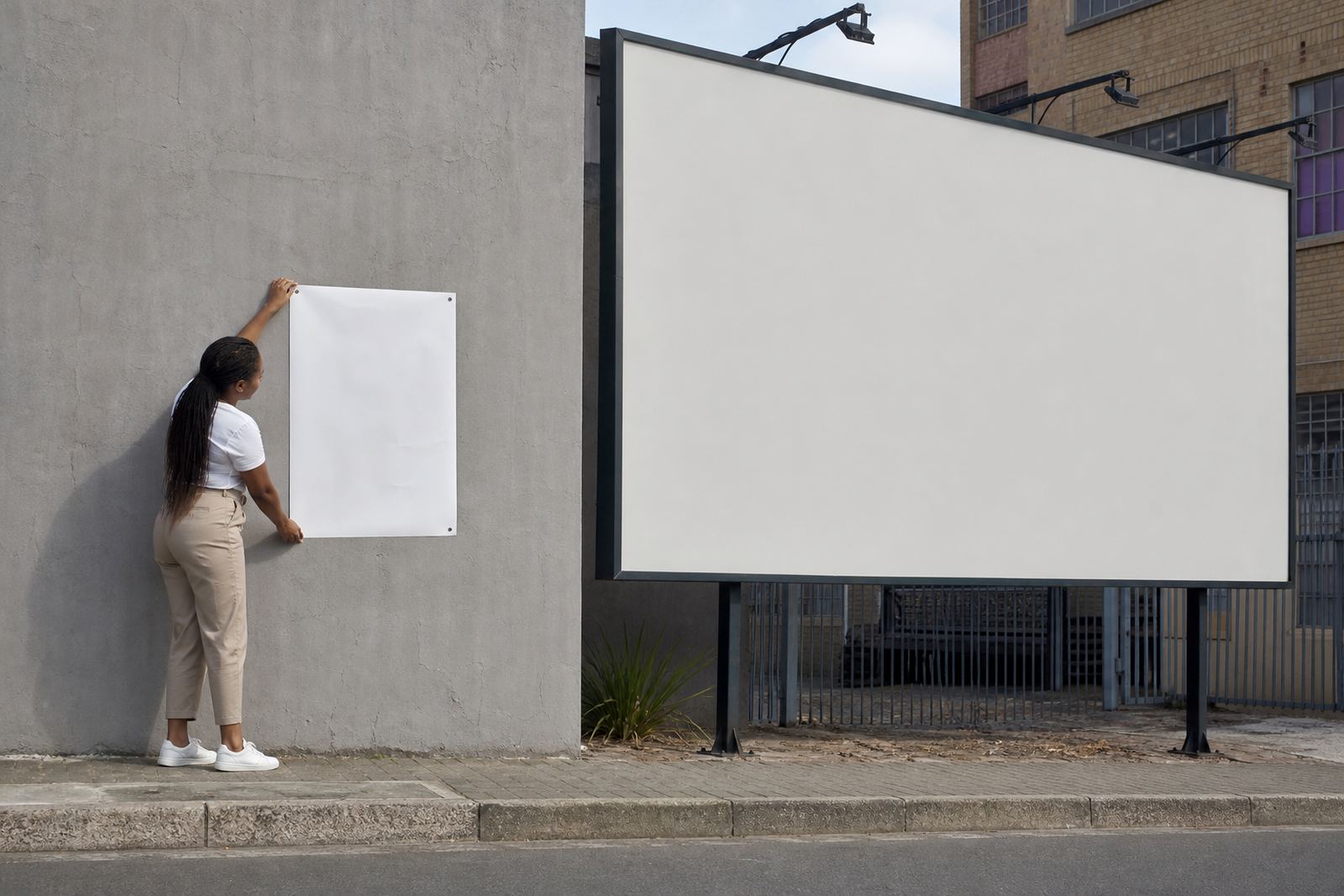
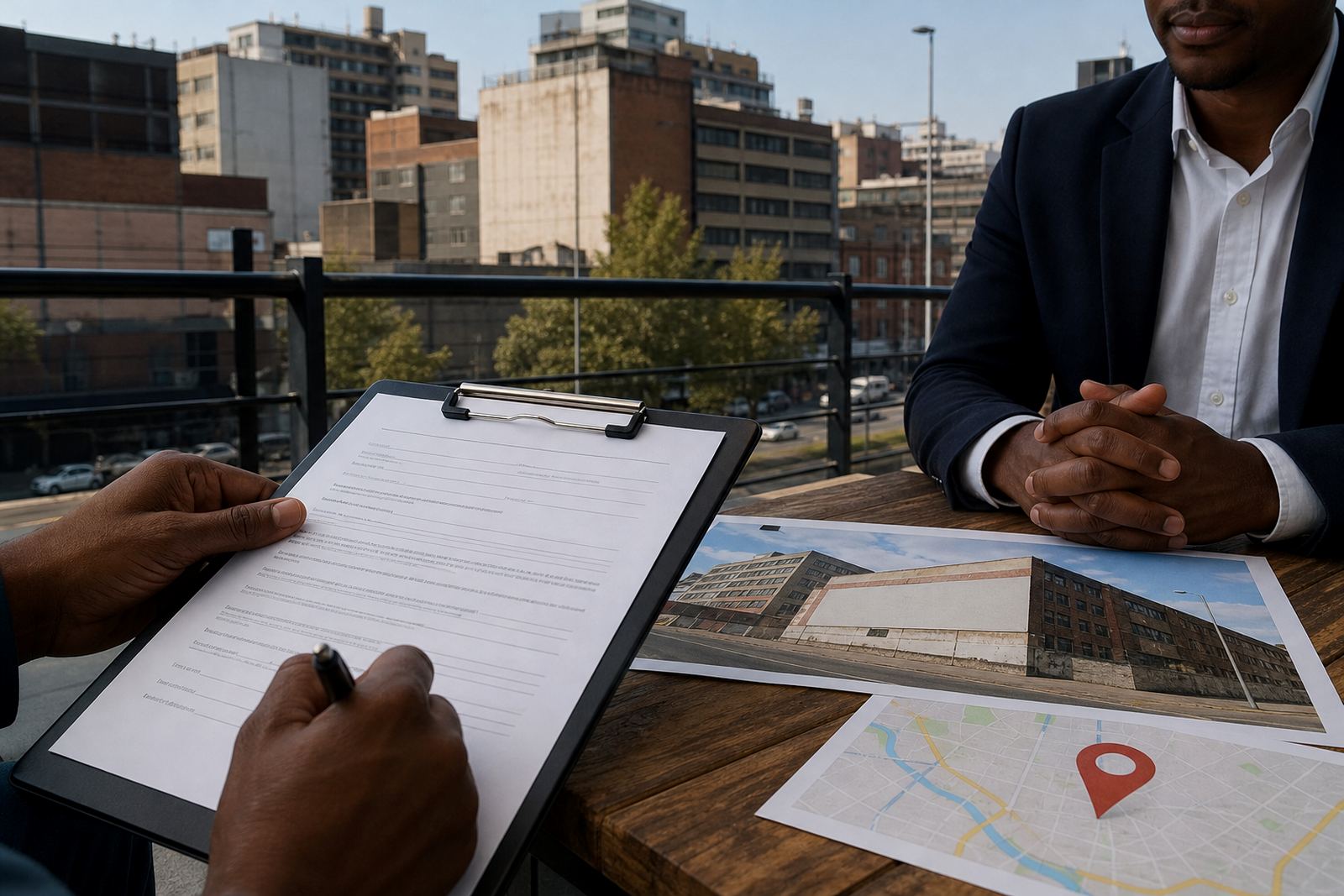
Signage needs the property owner's consent and local municipal bylaw approval. That applies whether the space is a freestanding billboard, a painted wall, a vinyl wrap or another outdoor format. The approval process can differ by area, so it is worth checking the local rules early, especially where heritage controls, road reserve limits or building restrictions may apply.
Our journal explains the basics of consent checks and bylaw process support in plain language. It also covers practical matters such as artwork spec checks, installation scheduling and how to keep a campaign moving without missing paperwork. A careful start saves time later and avoids unnecessary removals or corrections.
Preparing Artwork for Outdoor Use
Artwork for outdoor spaces needs to be readable from a distance and built for weather exposure. That means strong contrast, clear type and layouts that still work in bright sun, rain or evening conditions. In South Africa, the summer heat and load-shedding can also affect lighting plans, so campaigns should not depend on one single power option if visibility after dark matters.
- Use large lettering and a simple message
- Check image resolution before print or production
- Keep brand elements consistent across sizes
- Allow for edges, seams and fixing points
- Match the artwork to the exact site dimensions
If the panel is near a busy junction or on a narrow street, shorter copy often performs better because viewers have less time to read it. A clean layout is usually the safer choice.
From Enquiry to Booking, Step by Step
Our journal also explains how a booking usually moves from first enquiry to campaign launch. After a brief is shared, the space can be matched to the location, format and timing needs. From there, availability is checked, the site details are confirmed and the next steps are lined up with the property owner. It keeps everyone on the same page, especially when the campaign has tight dates.
Booking coordination may include listing renewal support, campaign monitoring and installation scheduling so the space stays active for the agreed period. For advertisers, that means fewer surprises. For owners, it means better control of how and when the wall is used.
Why the Journal Matters for Both Sides
The same space can mean different things to different people. An advertiser wants clear visibility and a practical booking path. A property owner wants proper use of the wall, clear consent records and a straightforward process. The journal bridges that gap by explaining common issues without jargon and by showing what to check before any agreement is made. That is useful whether the site is in Braamfontein, Sandton, Midrand or another part of the country.
- Understand what makes a site suitable for outdoor use
- Learn which details matter before listing or booking
- See how consent and bylaw checks fit into the process
- Get practical tips for maintenance and campaign timing
We keep the articles general and educational, so you can use them as a starting point before you decide on a specific space or brief. The listing cards are added separately, once the site details are ready.