

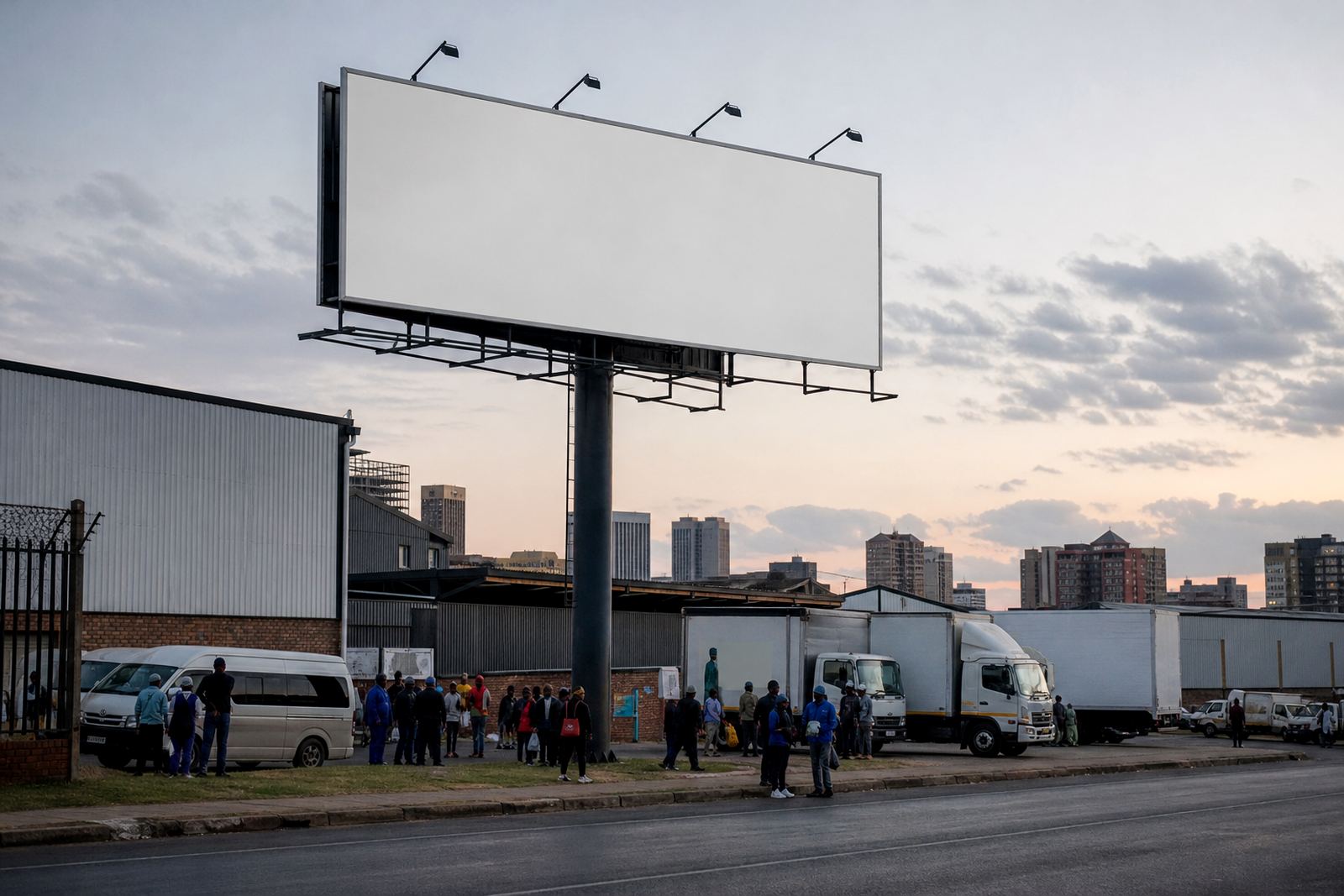
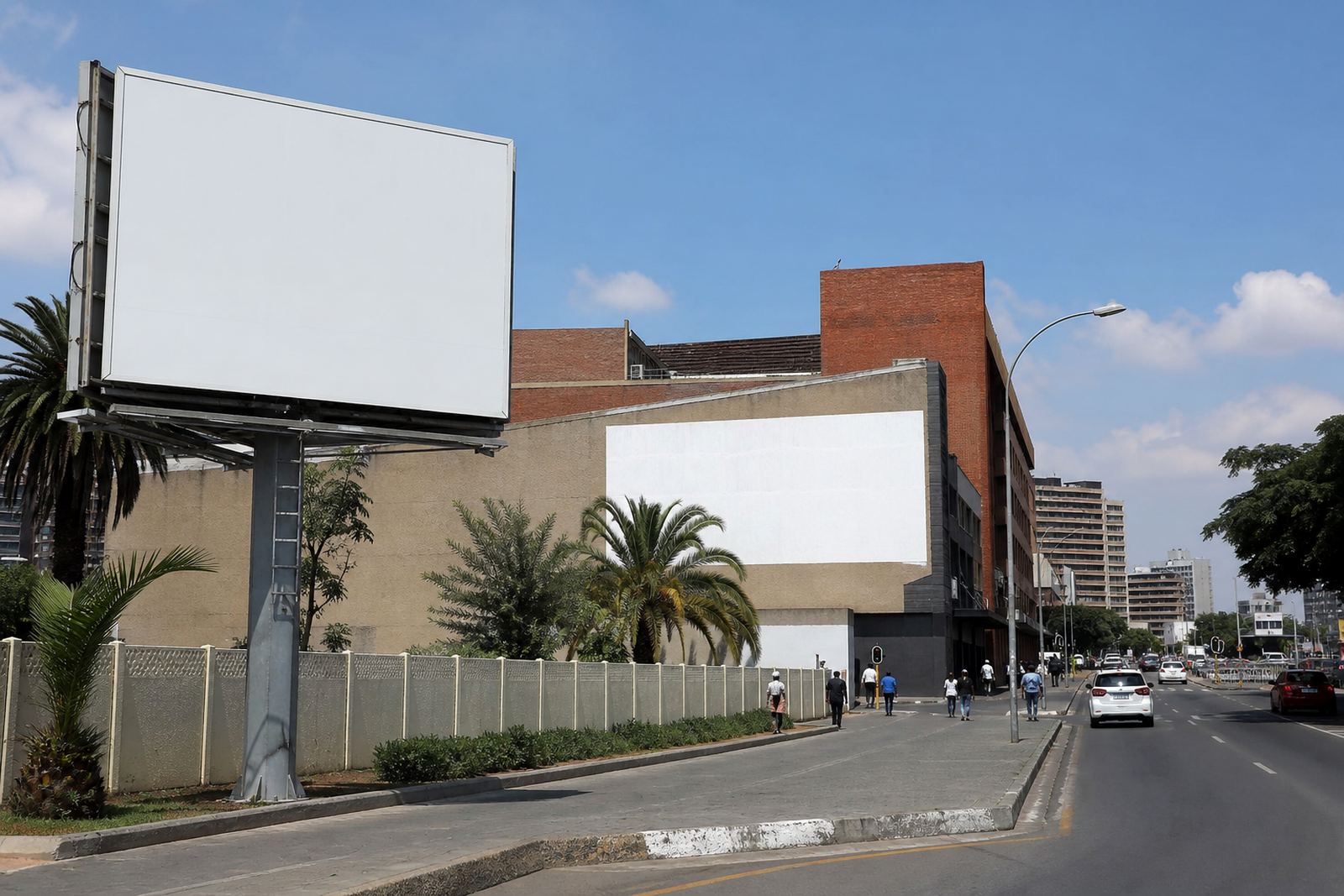
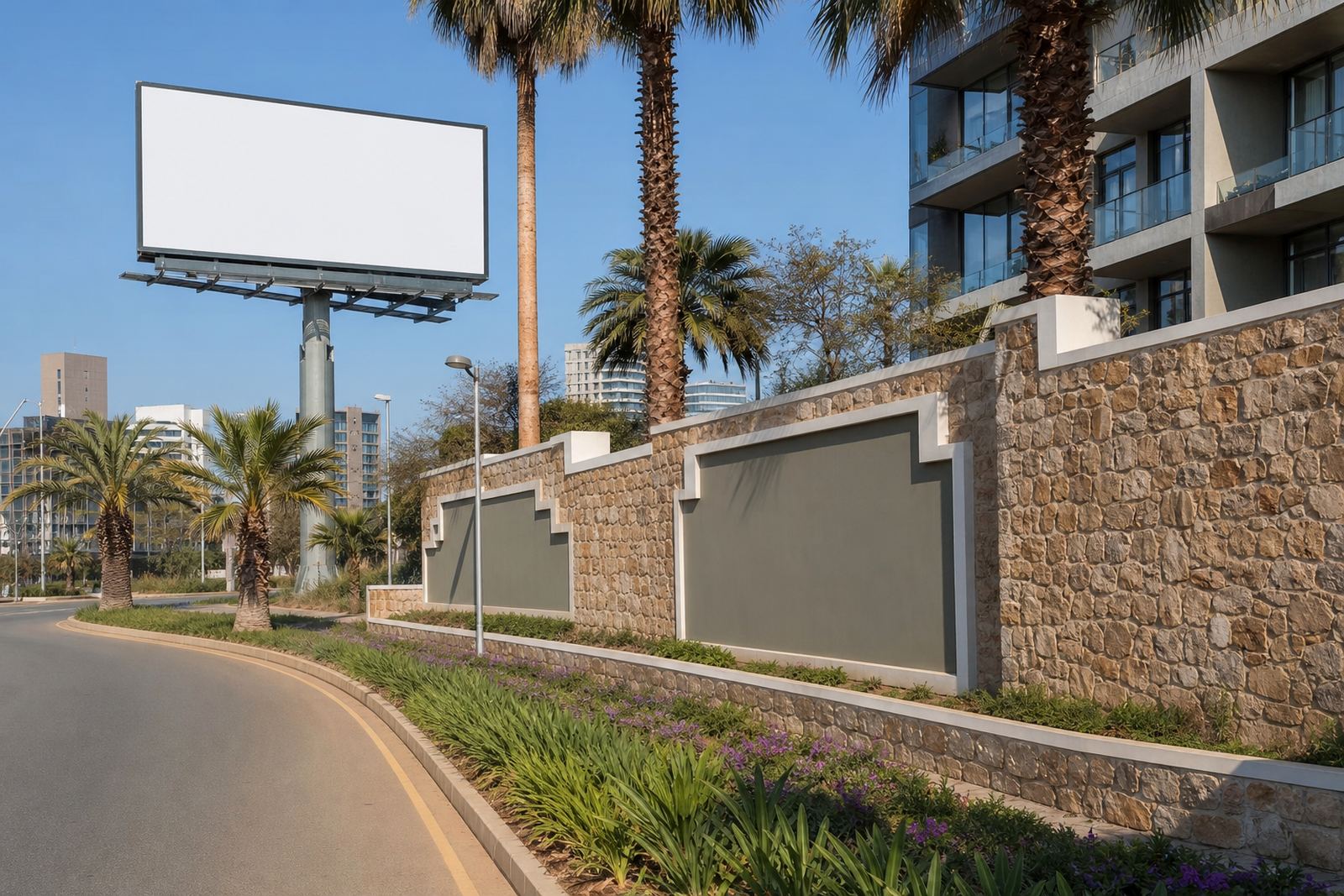
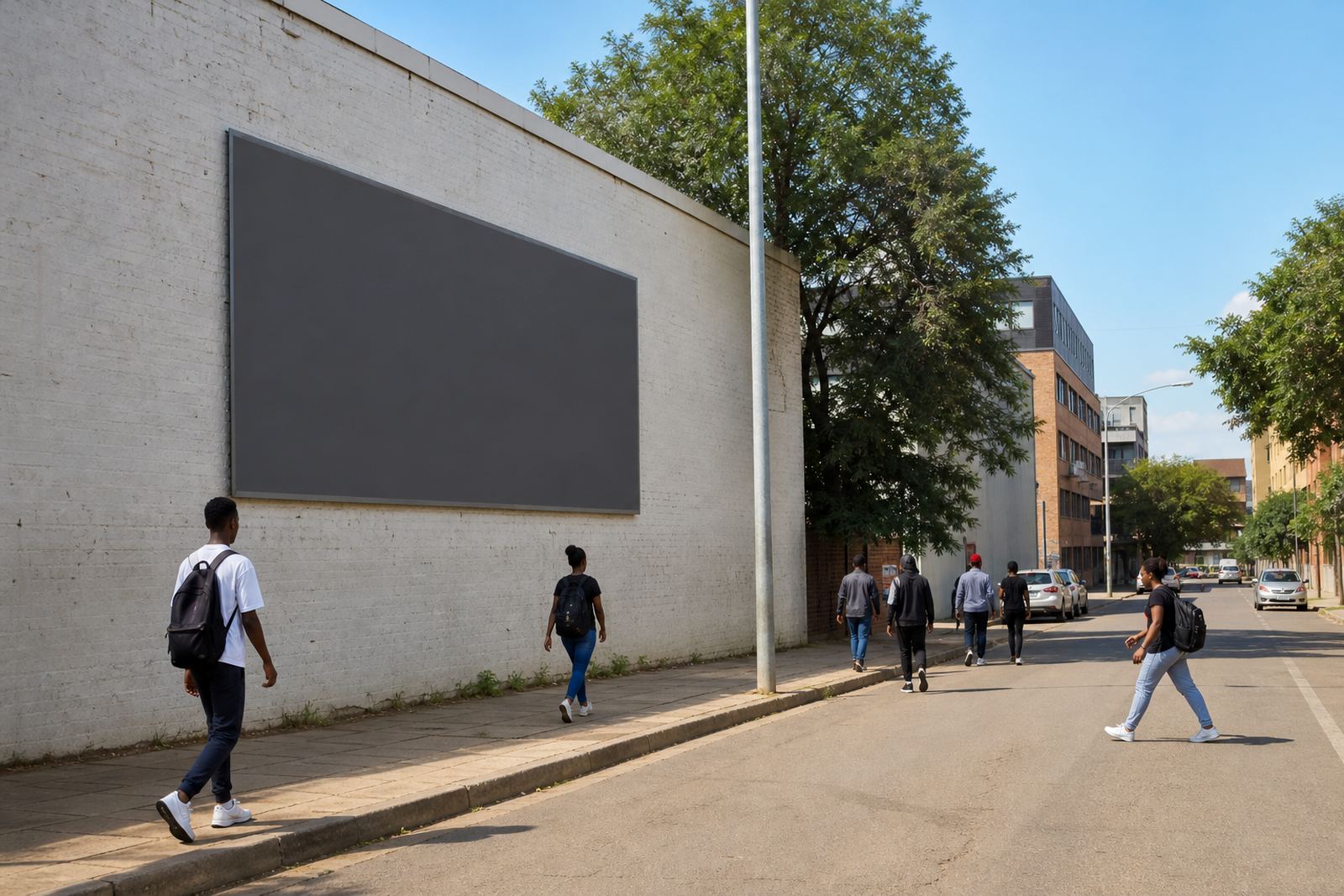
How to read these campaign stories
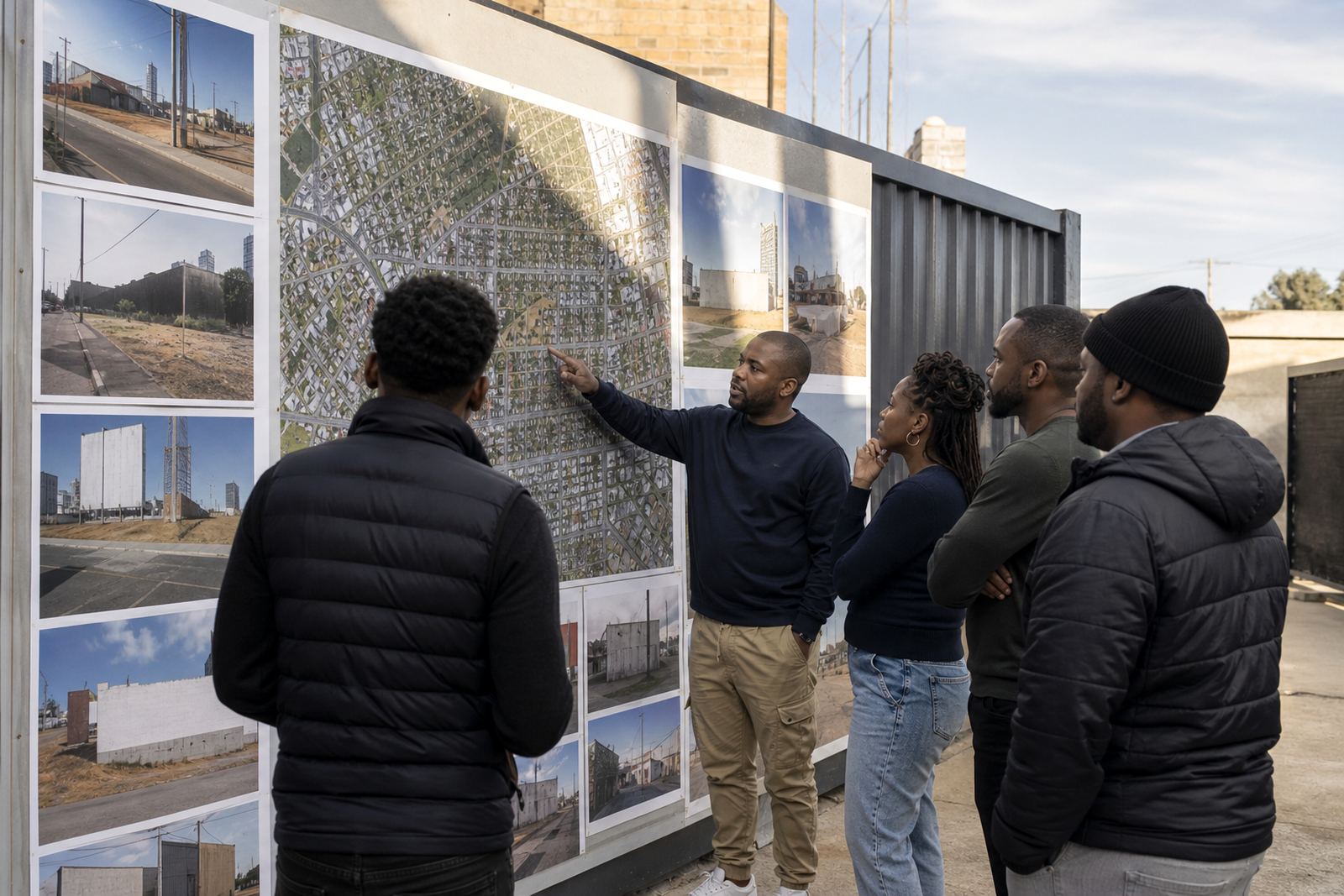
Each example below is a practical guide to the kind of space, site condition and message fit that can work well for outdoor and wall advertising. You will see how a simple brief can be matched to a building wall, roadside panel or visible frontage in places like Braamfontein, Sandton, Pretoria, Cape Town, Durban and Bloemfontein.
The stories are not tied to real companies. They are meant to help advertisers, property owners and agents understand what matters most when comparing options, from viewing distance and wall size to lighting, access and the property owners consent.
- Choose based on where people actually see the space, not just the suburb name
- Check whether the message suits long viewing time or a quick glance
- Confirm artwork sizes early so there are no last minute changes
Retail launches near commuter routes
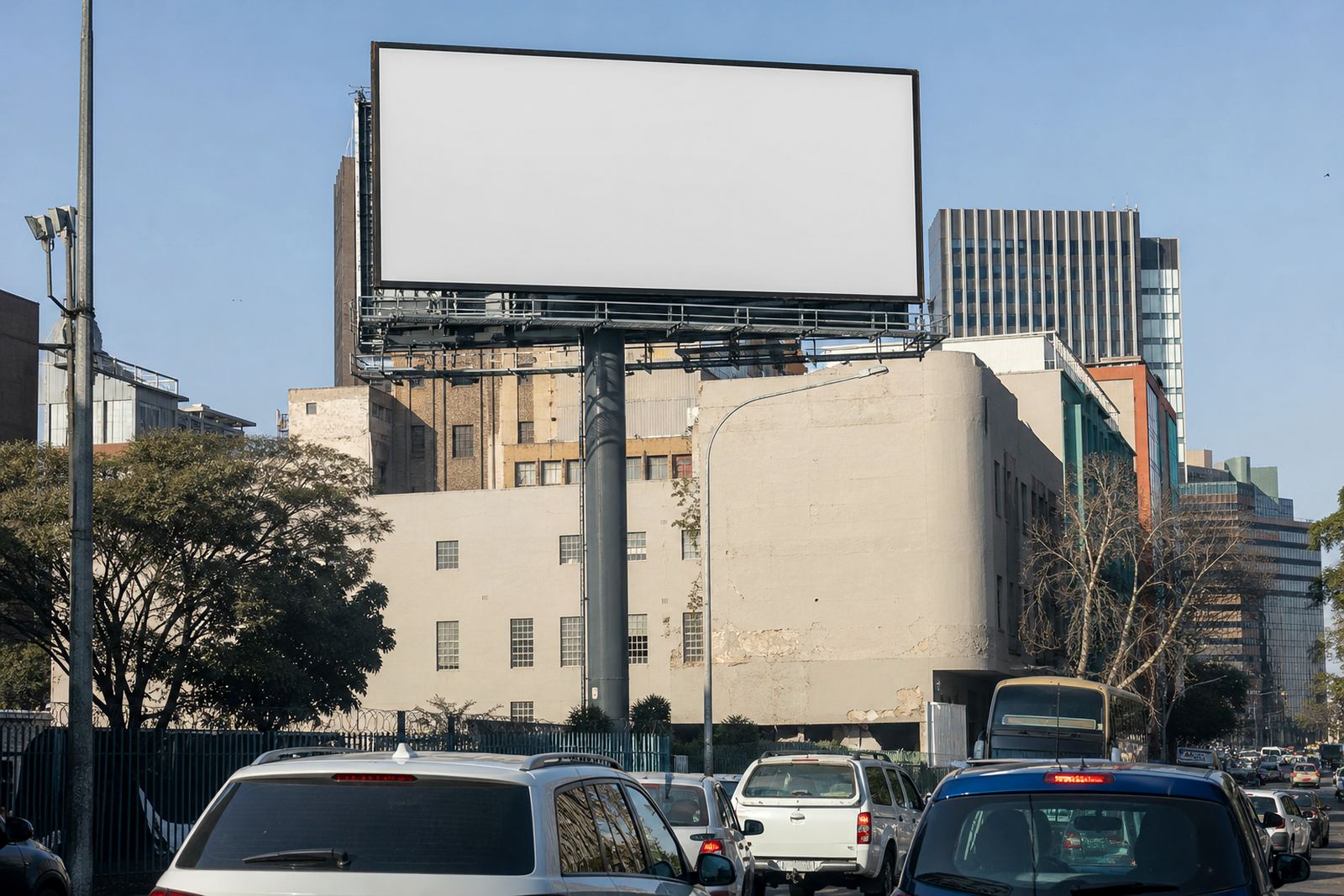
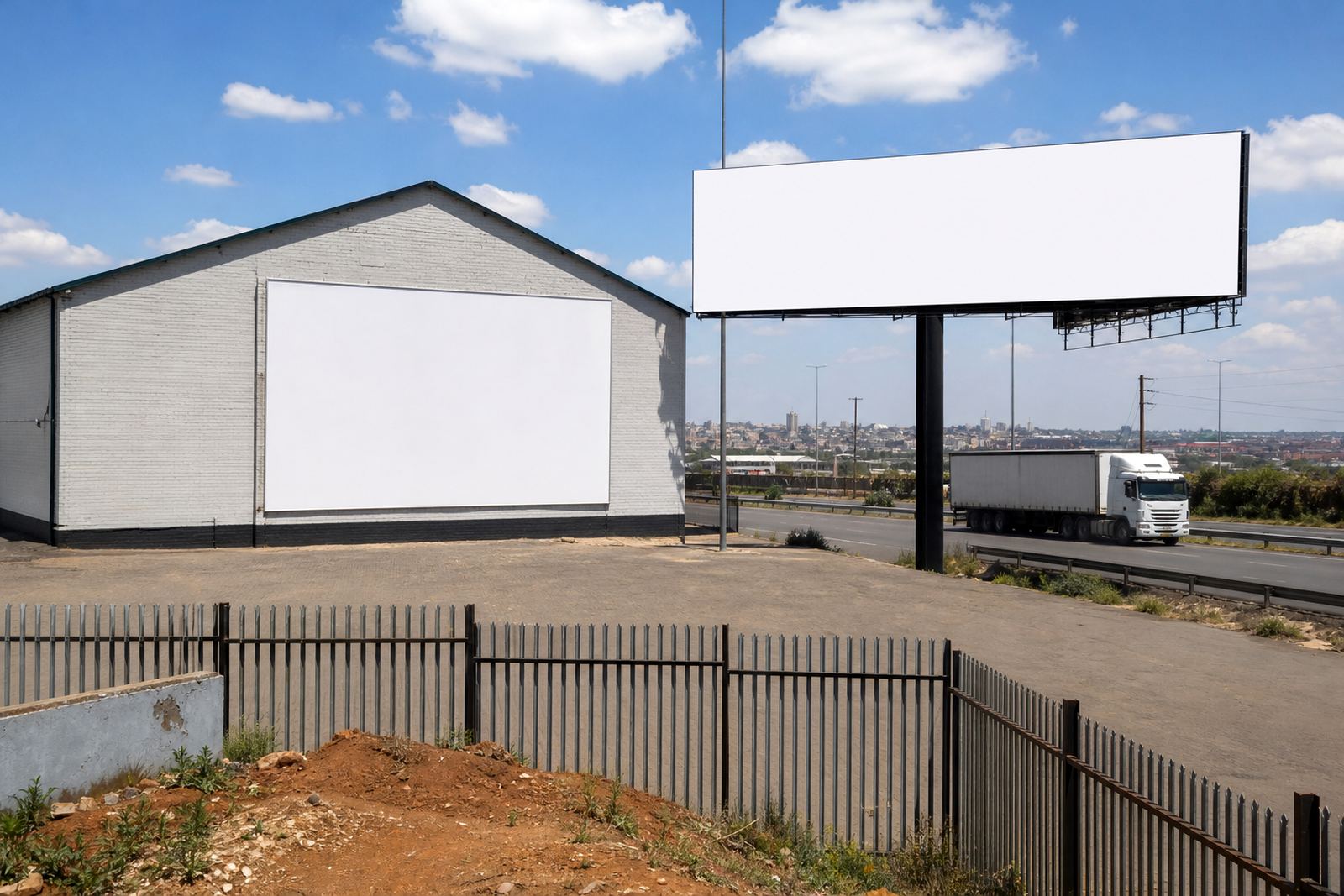
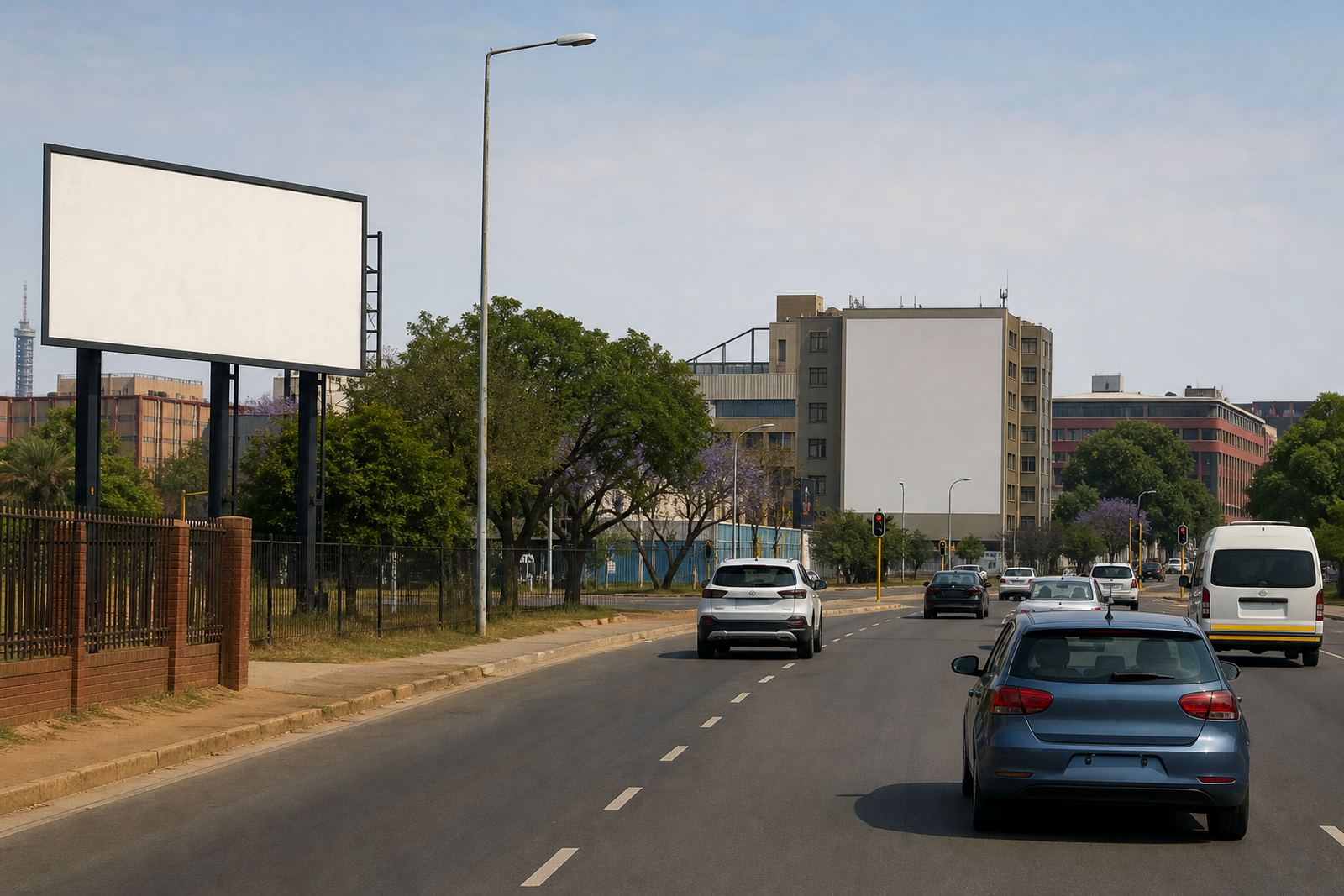
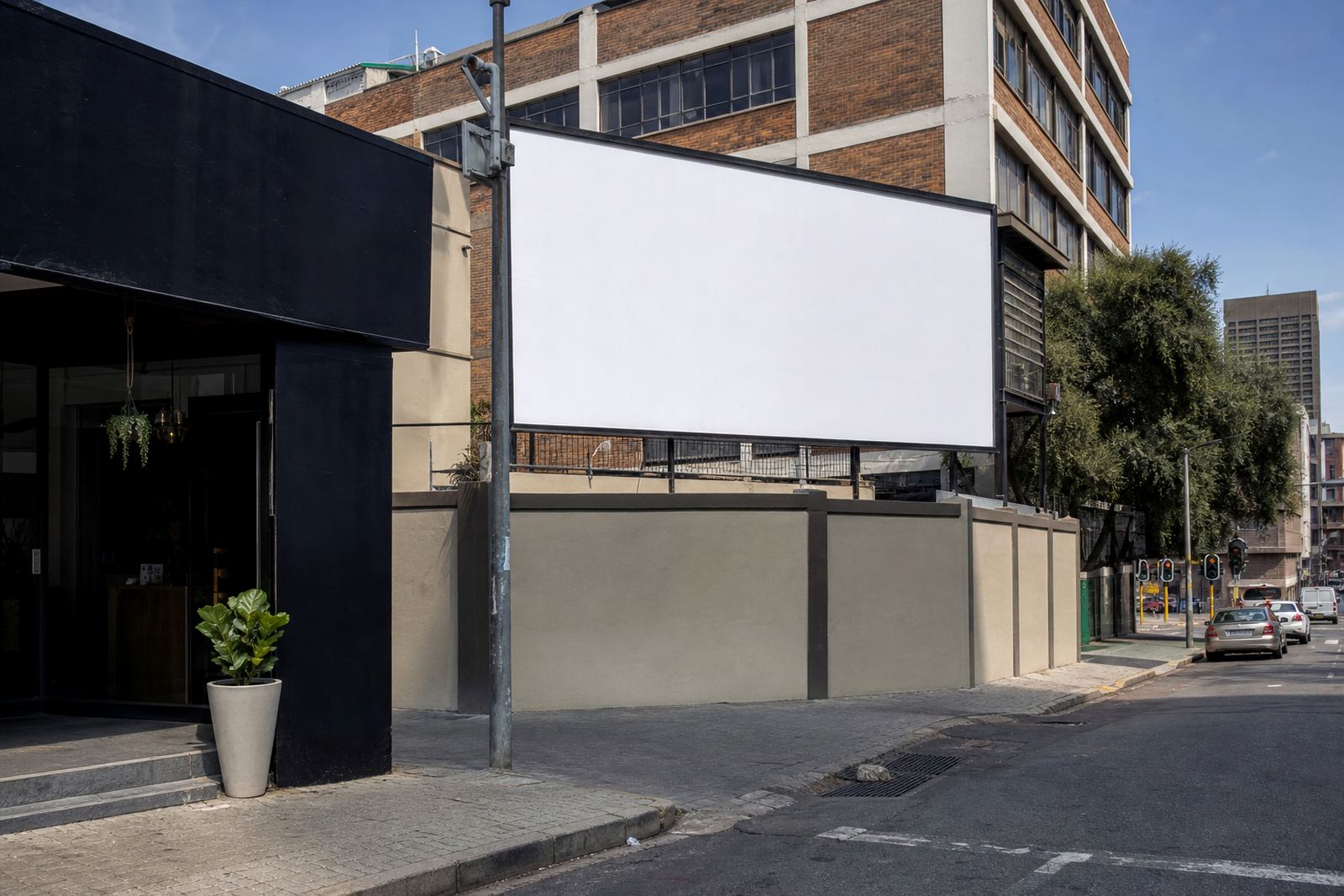
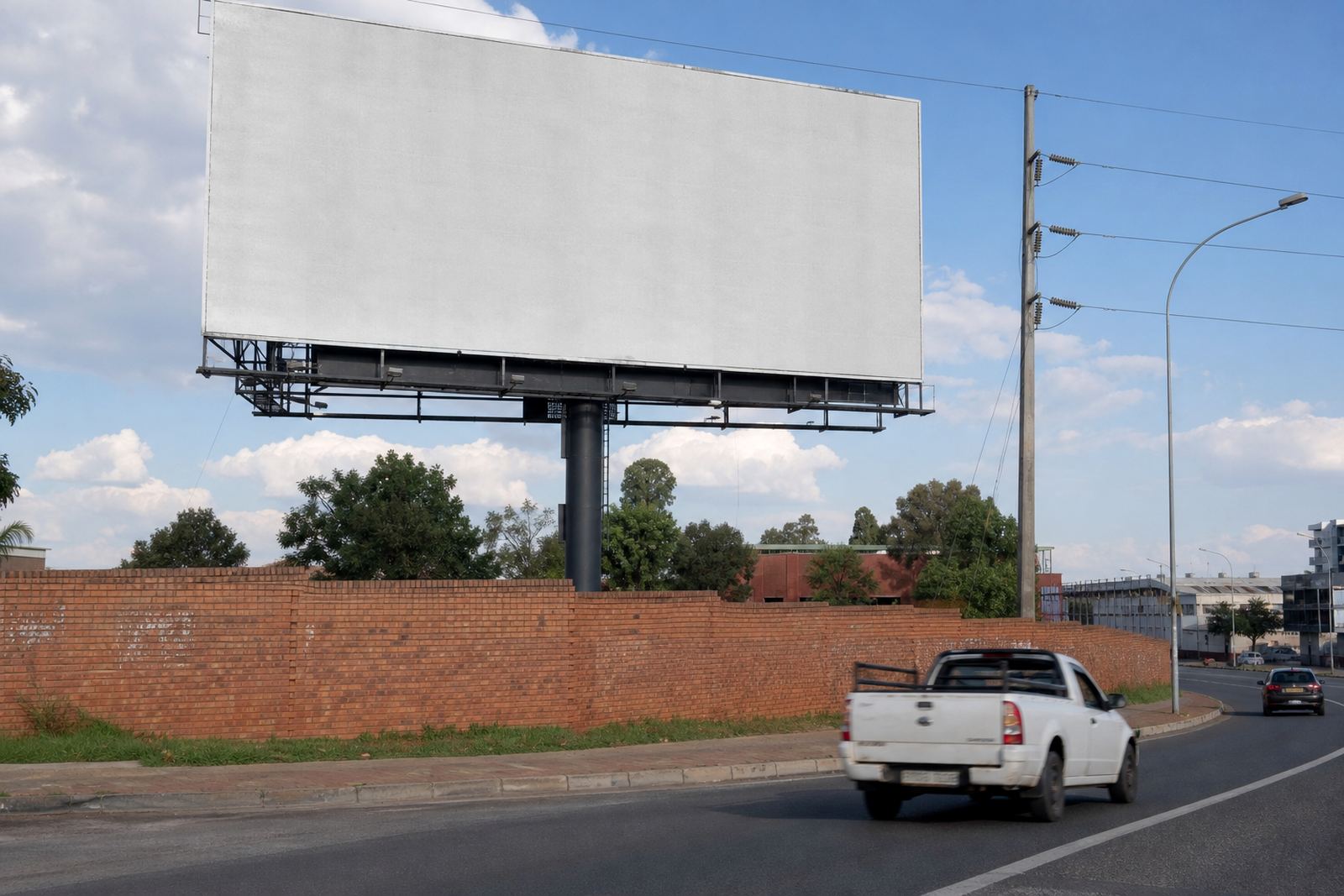
A small retailer with a new branch opening in Johannesburg might use a wall facing a busy approach road, where the message can be read by drivers, taxi passengers and pedestrians. In this kind of campaign, the copy is usually short, the logo is clear and the call to action is simple enough to read in a few seconds.
For local launches, the useful part is often not just the main road frontage but the support around it. A nearby building wall can carry the launch message while the store frontage handles wayfinding for customers once they turn in.
- Best suited to short copy and strong contrast
- Useful for openings, seasonal offers and branch directions
- Works well where the site is close to parking or pedestrian access
Service businesses that need trust and visibility
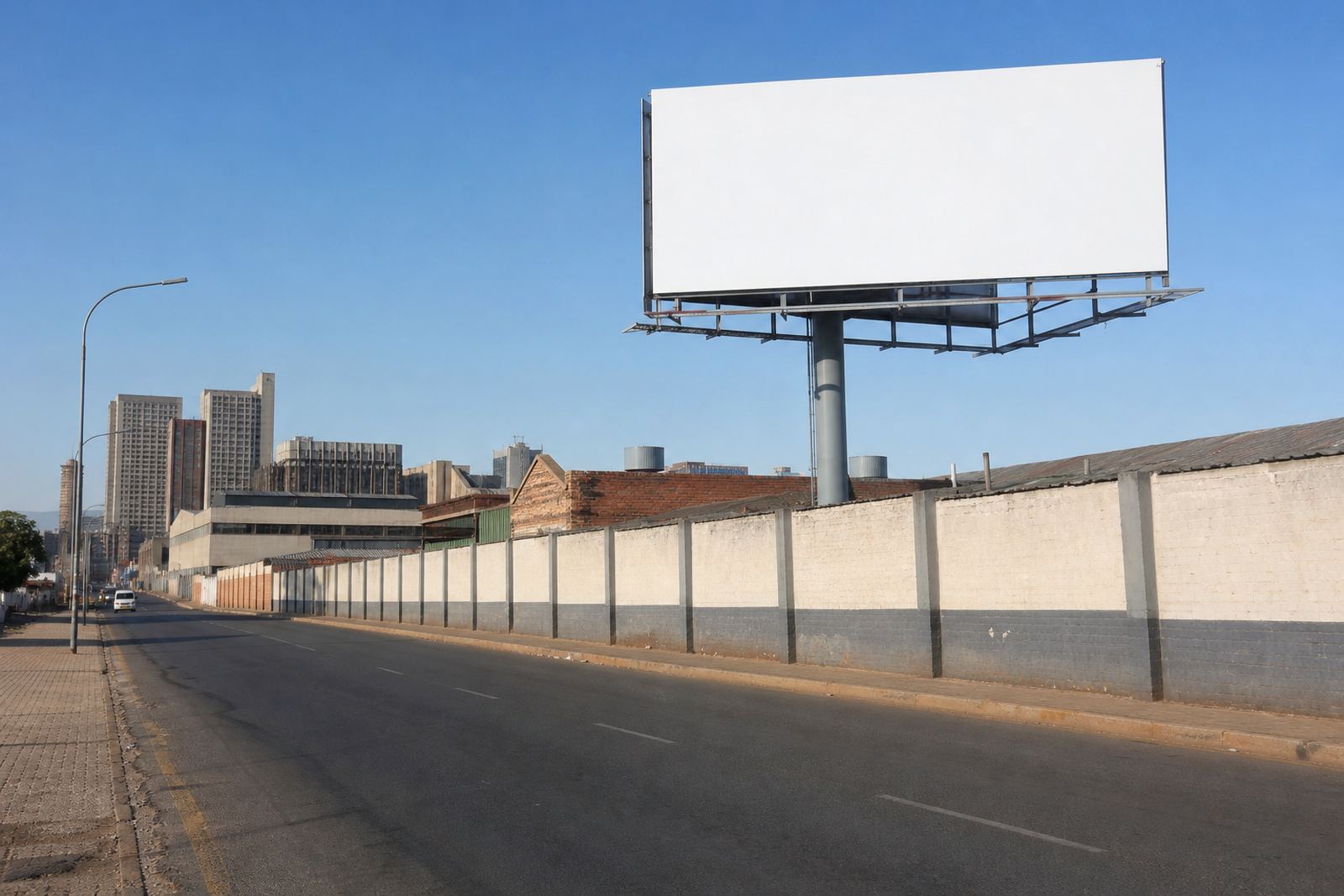
Professional services, trades and home service providers often use wall advertising where the audience is already thinking about action. A campaign in Pretoria, Midrand or Durban can support brand recall with a simple message that explains what the business does and where it operates.
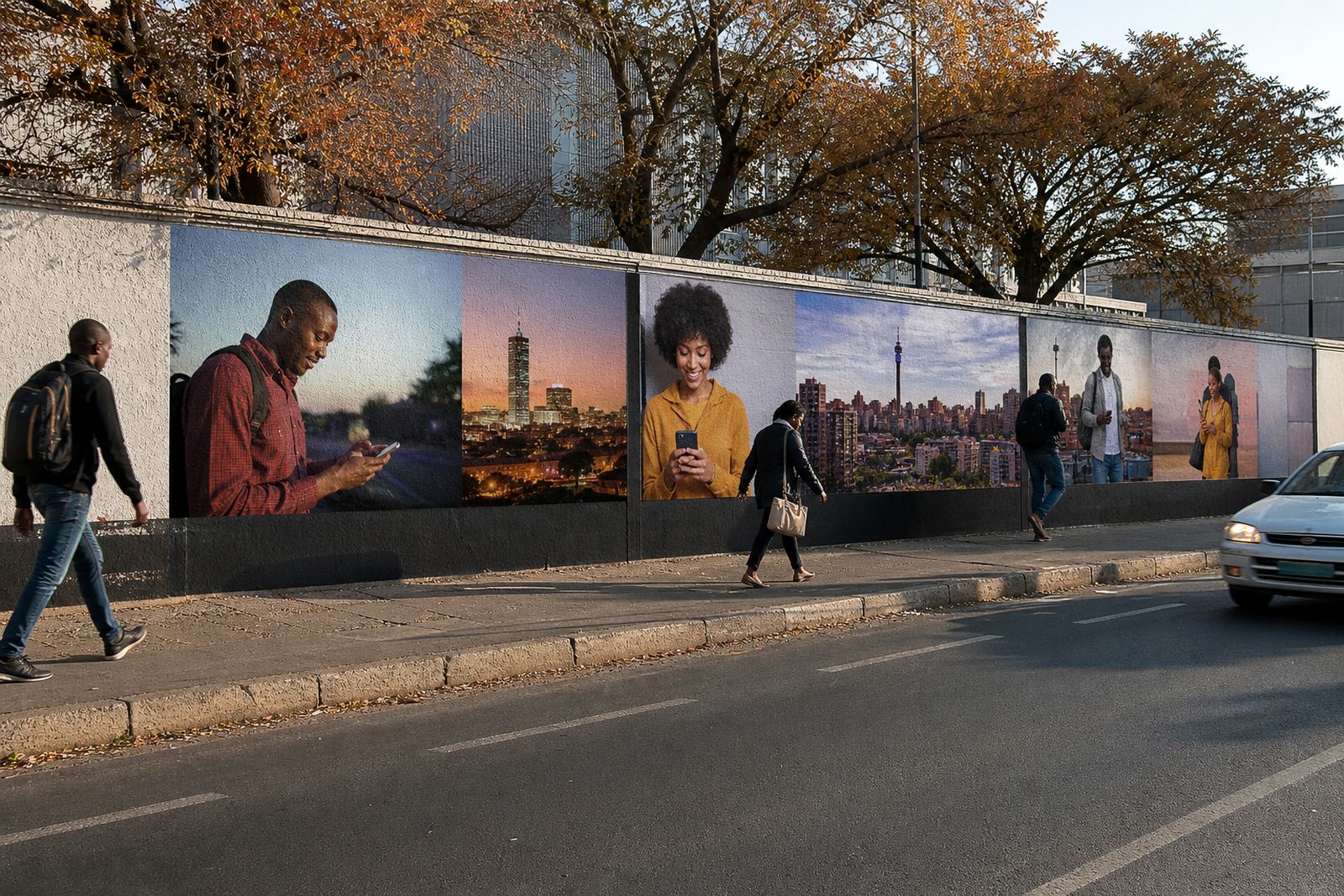
These campaigns work best when the site looks tidy and the message feels steady rather than crowded. A clean wall, accurate spacing and strong lettering can do more than a busy layout with too many words.
- Good for plumbers, moving teams, clinics, legal services and training providers
- Needs clear artwork that remains readable from a moving vehicle
- Site condition matters, especially on older buildings or exposed corners
Property owners and landlords using idle wall space
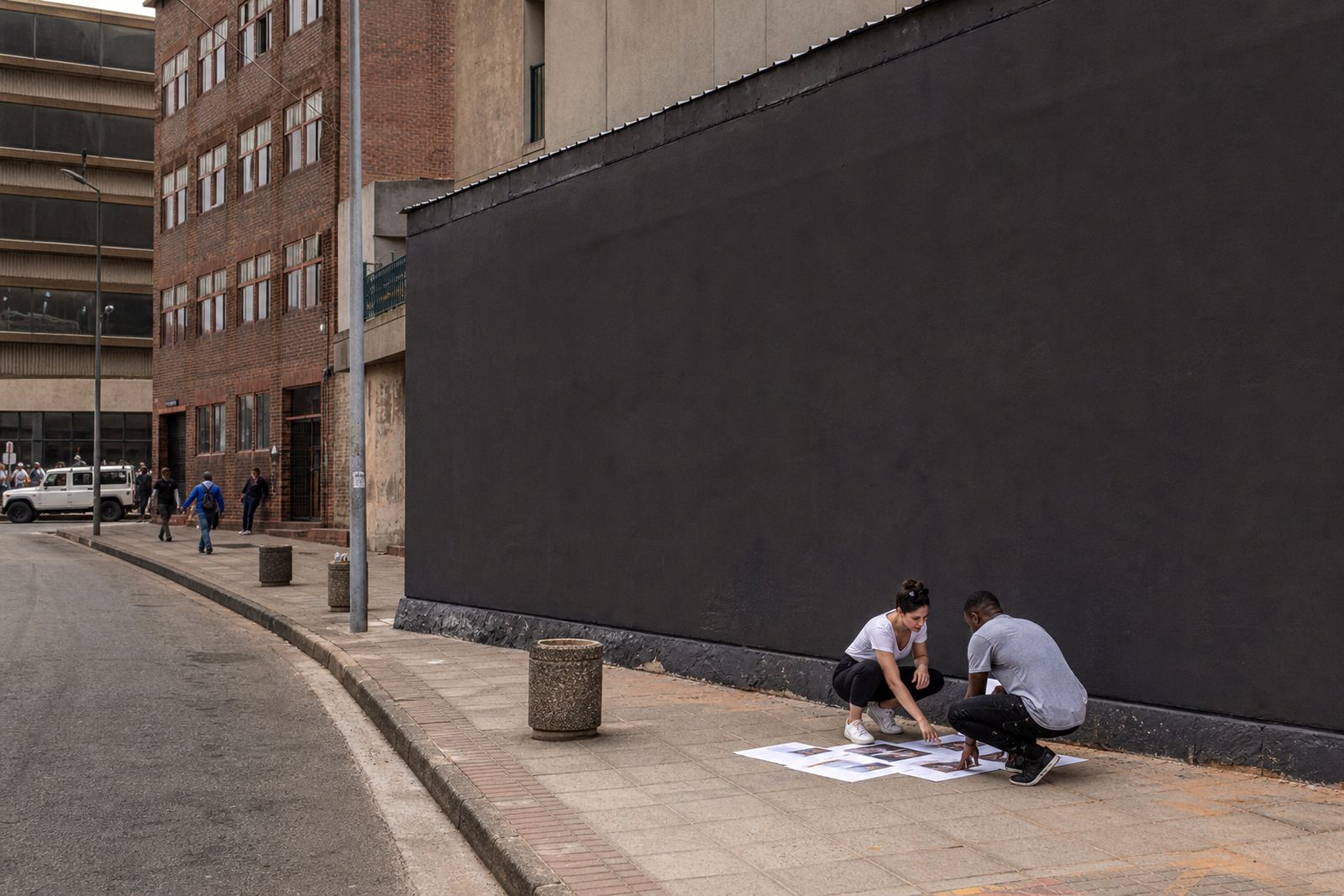
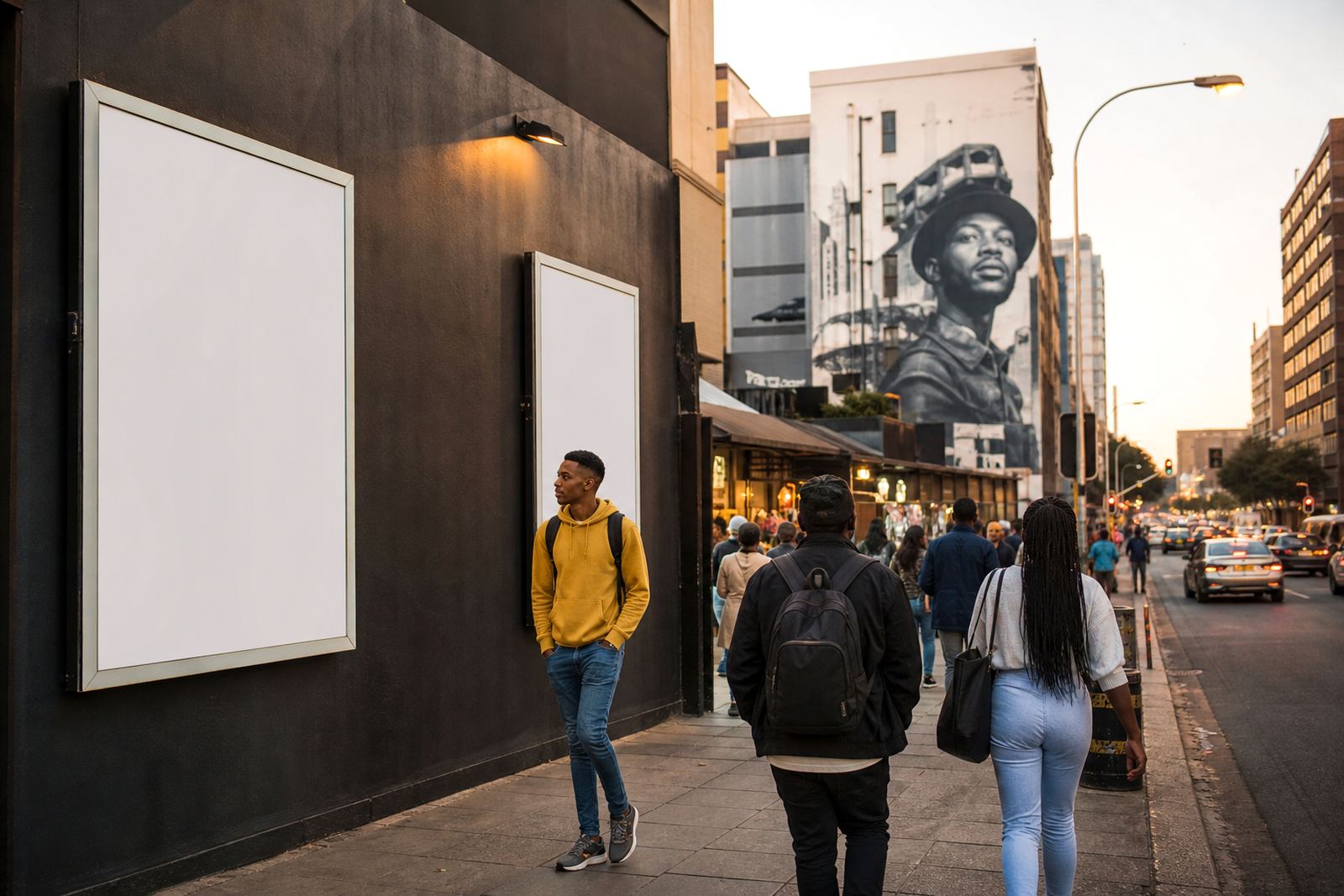
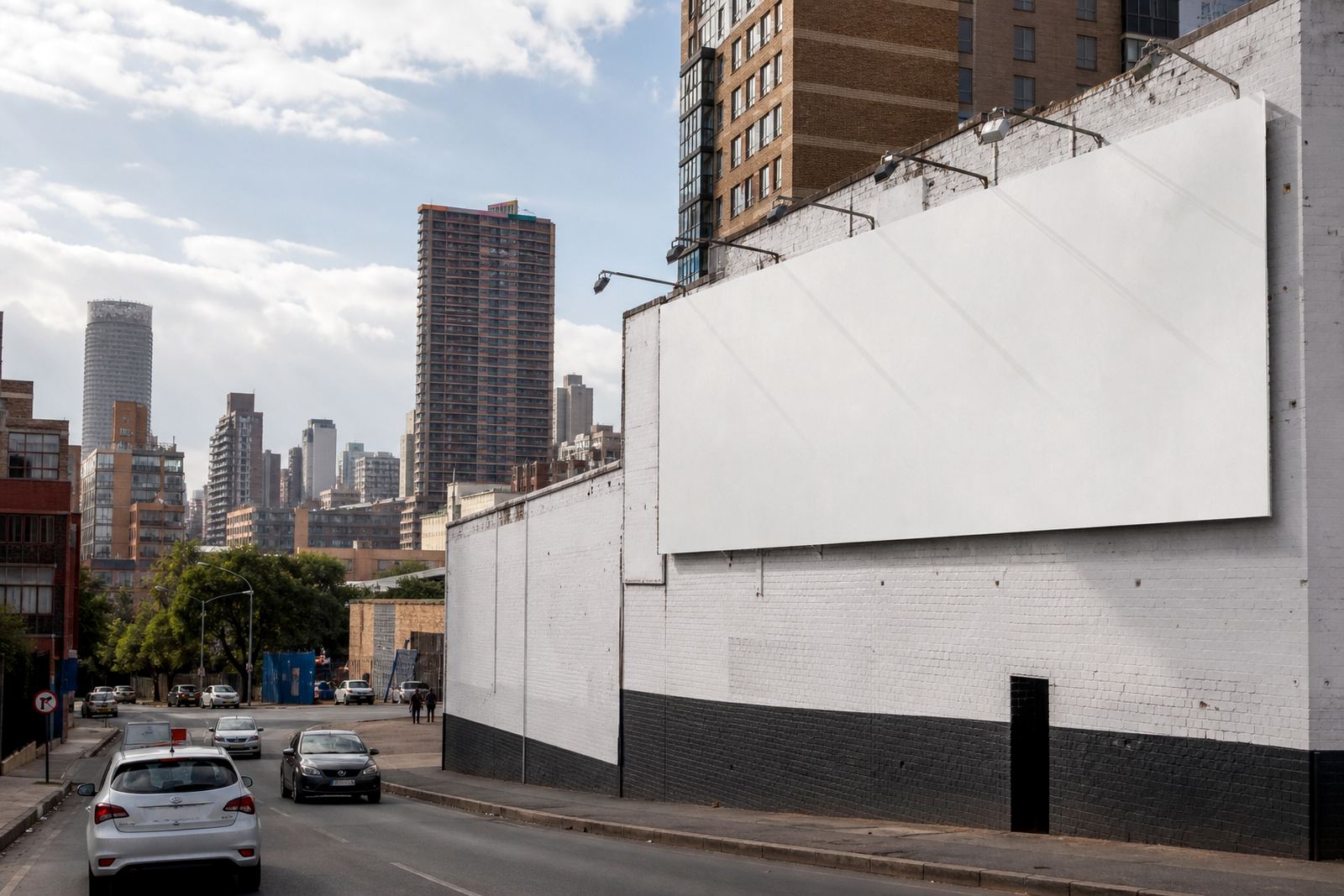
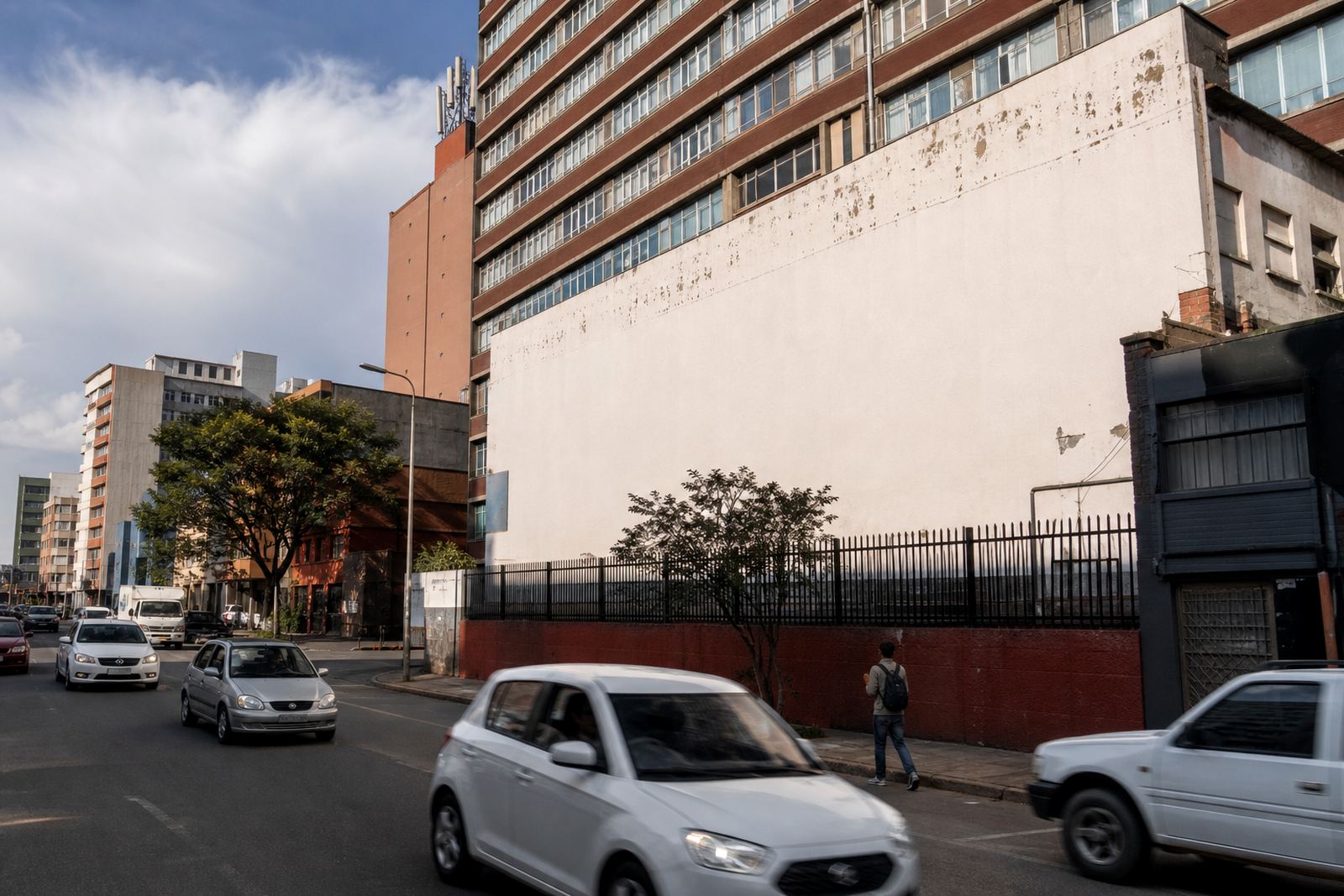
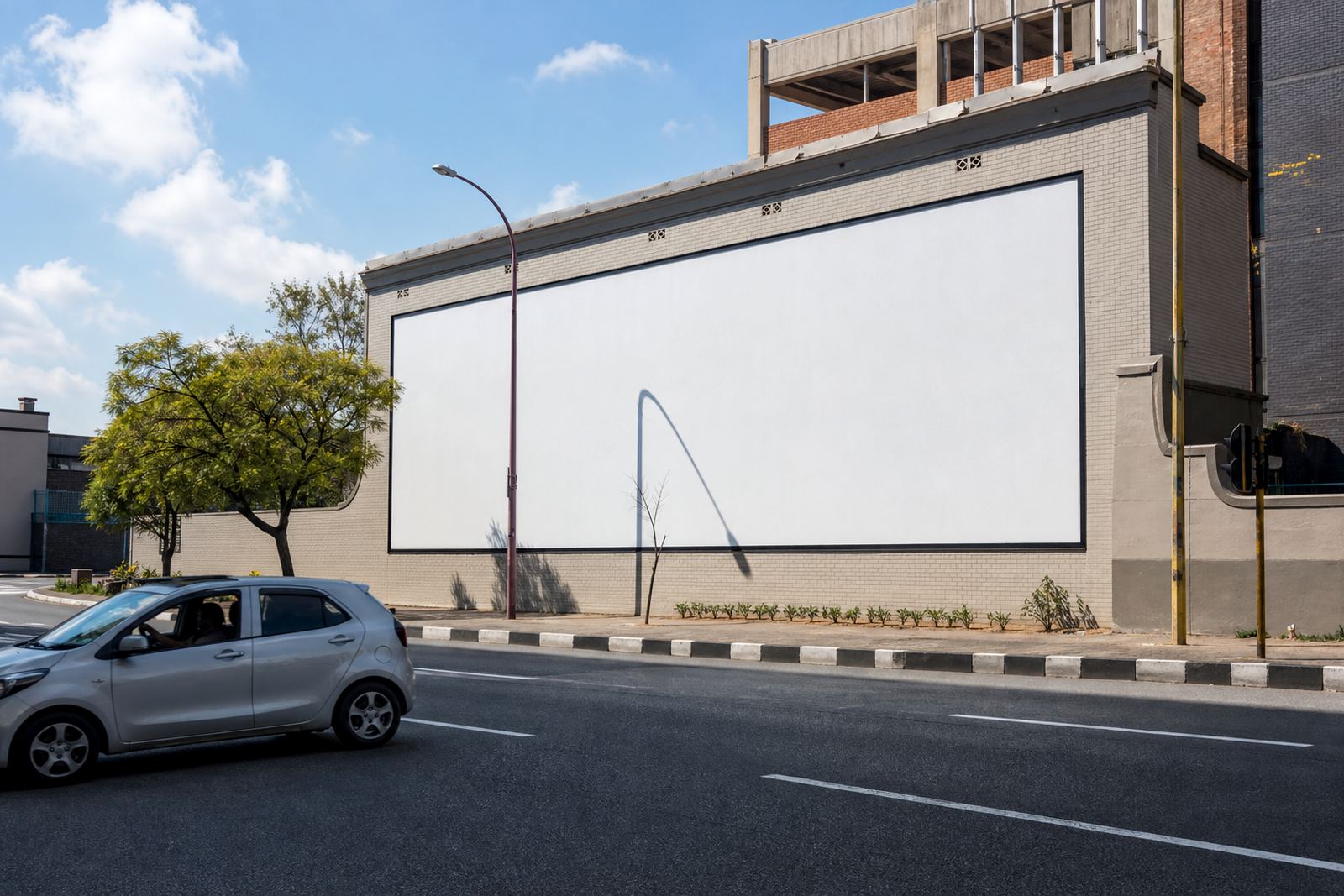
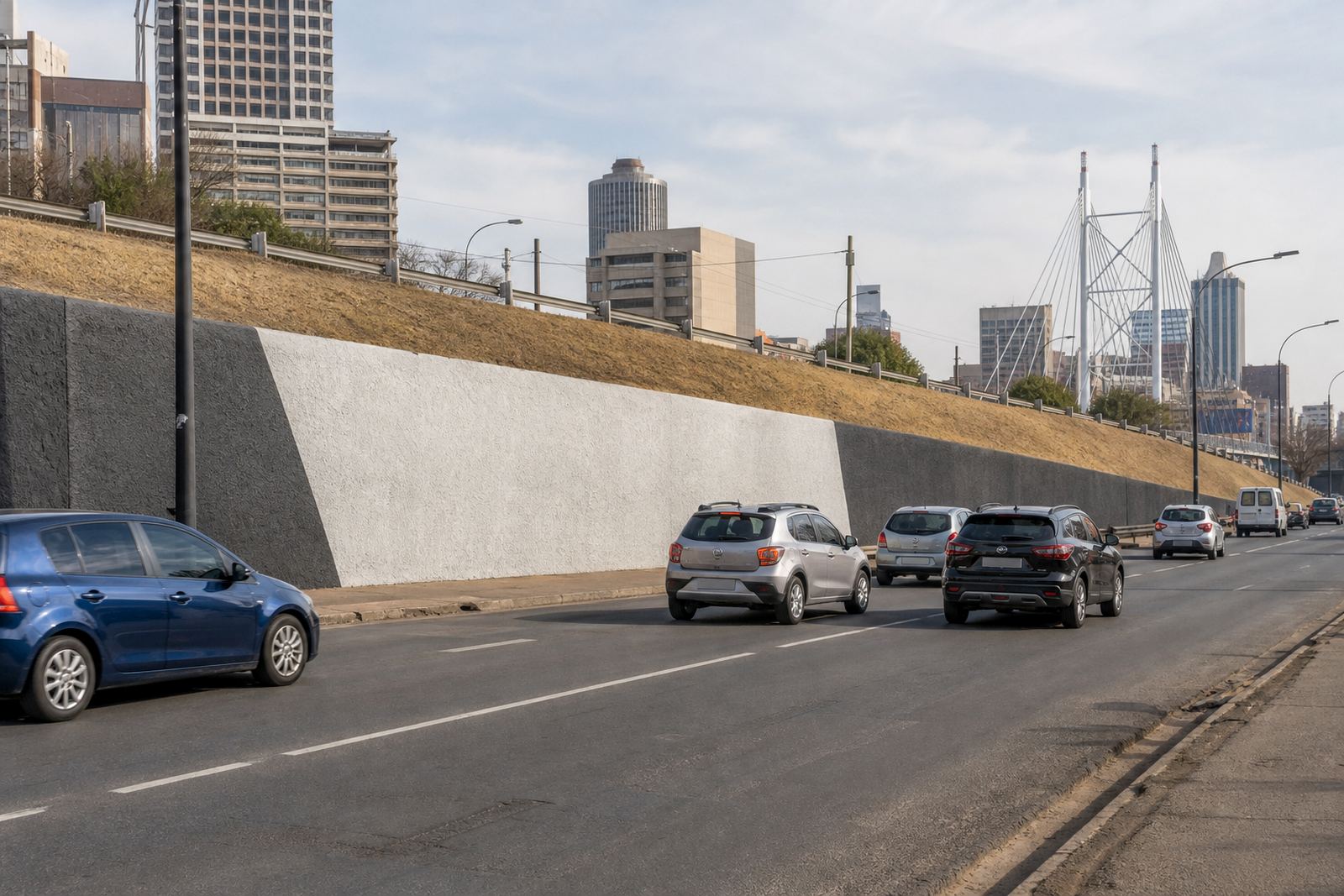
Some campaign stories start with a property owner who has a visible wall or boundary facing traffic and wants to make that space work. In Braamfontein, Cape Town or Bloemfontein, an underused wall can become a rental asset if it is suitable for signage and the required approvals are in place.
These examples often involve a simple match between the site and an advertiser brief. The property owner keeps the building in place, while the advertiser gains exposure without having to own the structure. It is a practical arrangement, but the consent and bylaw checks must be done first.
- Property visibility, access and wall condition are checked before booking
- Signage needs the property owners consent
- Local municipal bylaw approval is also required before installation
Campaigns that need careful logistics
Some sites are easy to book but still need careful planning. A wall in a busy area may need after hours work, safe access equipment and clear coordination with the property owner. In coastal towns and humid areas, material choice matters too, because weather can affect finish and fixing points over time.
For campaigns that run through load shedding periods or in areas with limited site lighting, the listing should show how visible the space remains after dark. If a site depends on evening exposure, the lighting and surrounding activity should be checked before the final booking is confirmed.
- Plan installation times around business hours and access rules
- Check exposure to wind, rain and coastal humidity
- Allow time for artwork checks and scheduling, especially on larger sites
Choosing the right example for your brief
The easiest way to use these stories is to compare them with your own goal. If you want quick local awareness, a prominent wall near your branch may be enough. If you need broader coverage across more than one area, a set of listings in Johannesburg, Pretoria, Cape Town, Durban or Bloemfontein may suit the brief better.
Look for the story that matches your message length, your timing and your site requirements. Then use the listing cards to compare what is available, where it is located and what kind of consent and approval steps may be needed before a campaign goes live.
- Short message and fast recall: choose a simple roadside or wall site
- Branch support and local presence: choose a site near the point of sale
- Longer run campaigns: ask about renewal support and availability management