Start With The Site Itself
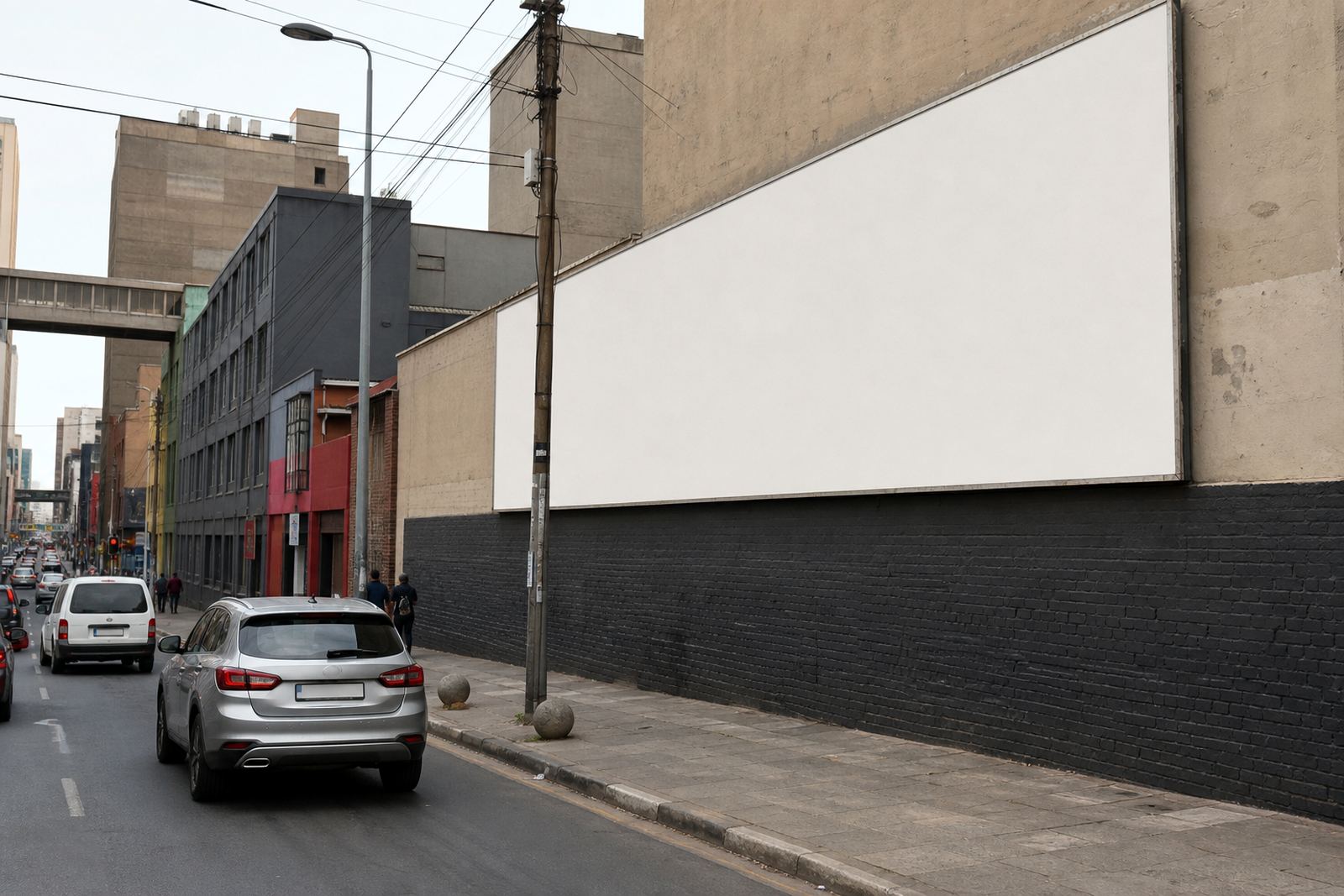
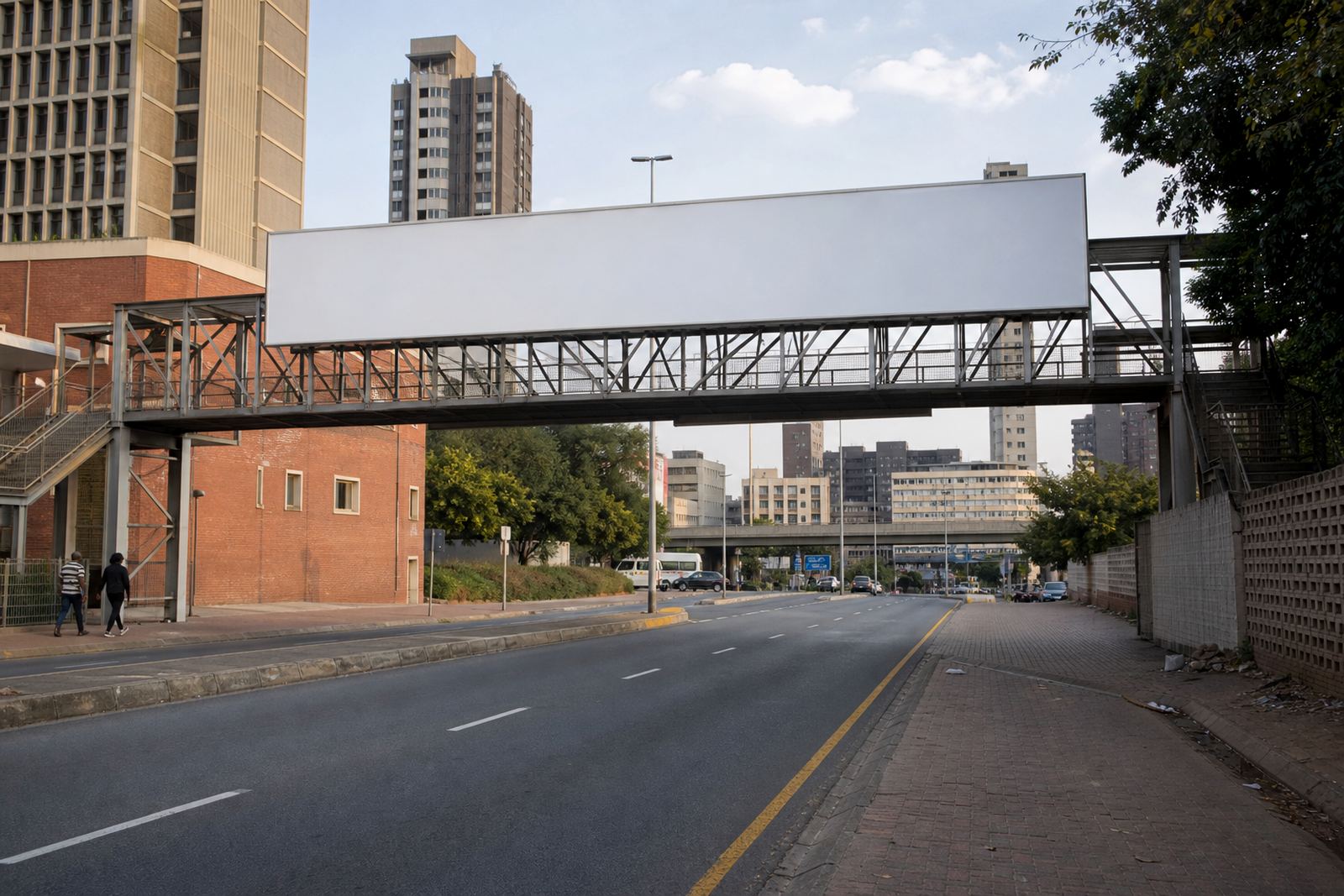
The first thing to check is whether the wall suits the kind of message you want to run. A strong listing should say where the wall sits, what the viewing angle is, and whether it faces pedestrians, passing cars, or both. In Johannesburg, a wall near a busy taxi route may need different treatment from one in a quieter side street in Braamfontein, so basic location detail matters.
Good wall basics also include the surface type, wall height, and whether the area is indoors, semi-exposed or fully outdoors. A wall with a rough finish or uneven patches may affect print quality and installation. If the wall is exposed to coastal moisture in Durban, or to dust and heat in places like Midrand, that should be noted upfront so the advertiser can plan the right material and fixing method.
Give Clear Access And Measurement Details
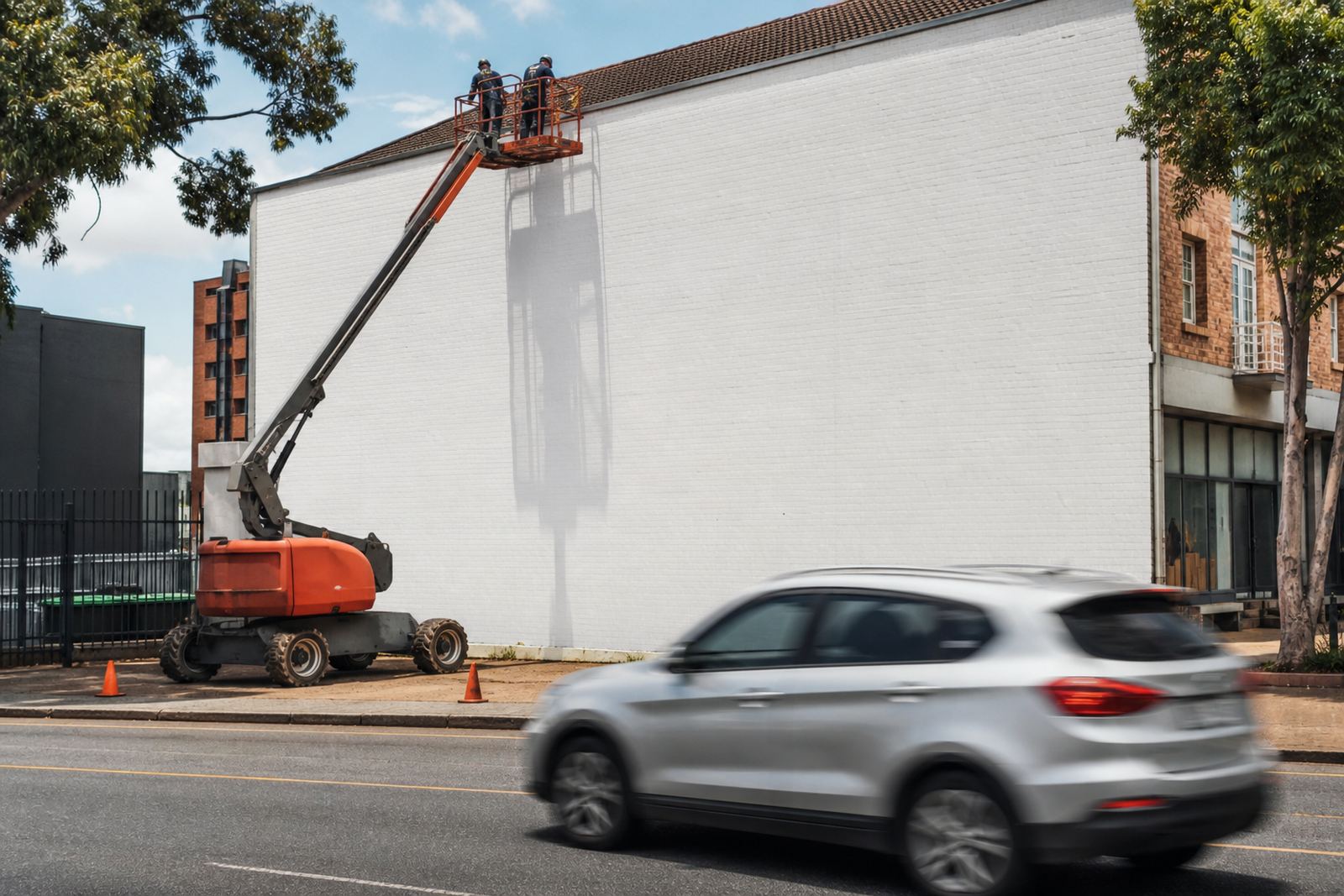
Access is one of the most common reasons a listing becomes hard to use. Advertisers need to know how installers will reach the wall, whether there is parking nearby, and if ladders, lifts or other equipment can be used on site. If access is only possible after certain hours, that should be included too. A wall above a shopfront in Pretoria CBD may have very different access rules from a freestanding boundary wall in Sandton.
- Exact or estimated wall dimensions in metres
- Any obstacles such as trees, cables, gates or signage nearby
- Whether the wall is at street level or raised above ground
- Loading, parking and access notes for installers
- Any security or site entry requirements
When these details are clear, the advertiser can judge quickly whether the wall is practical for the campaign. It saves time for both sides and avoids back and forth that slows things down.
Use Photos That Show The Real Conditions
Site photos should show the wall as it is now, not as it looked months ago. A useful set of photos includes a straight-on view, a wider street view, and close-ups of the surface. This helps the advertiser understand the surrounding context, sun exposure and any features that may affect sightlines. A neat photo can still be honest, and honesty helps everyone make a better decision.
For example, a wall in Bloemfontein close to a main arterial road may look ideal at first glance, but a wider photo could show a nearby tree line or another sign that competes for attention. In Braamfontein, a wall might be well placed for foot traffic yet sit beneath a balcony, which affects the usable height. Those small details matter more than polished wording.
- Take photos in daylight and from different angles
- Include nearby landmarks so the wall is easy to identify
- Show any wear, cracks, peeling paint or moisture marks
- Capture the wall from the distance where a viewer would normally see it
State The Consent And Approval Steps Up Front
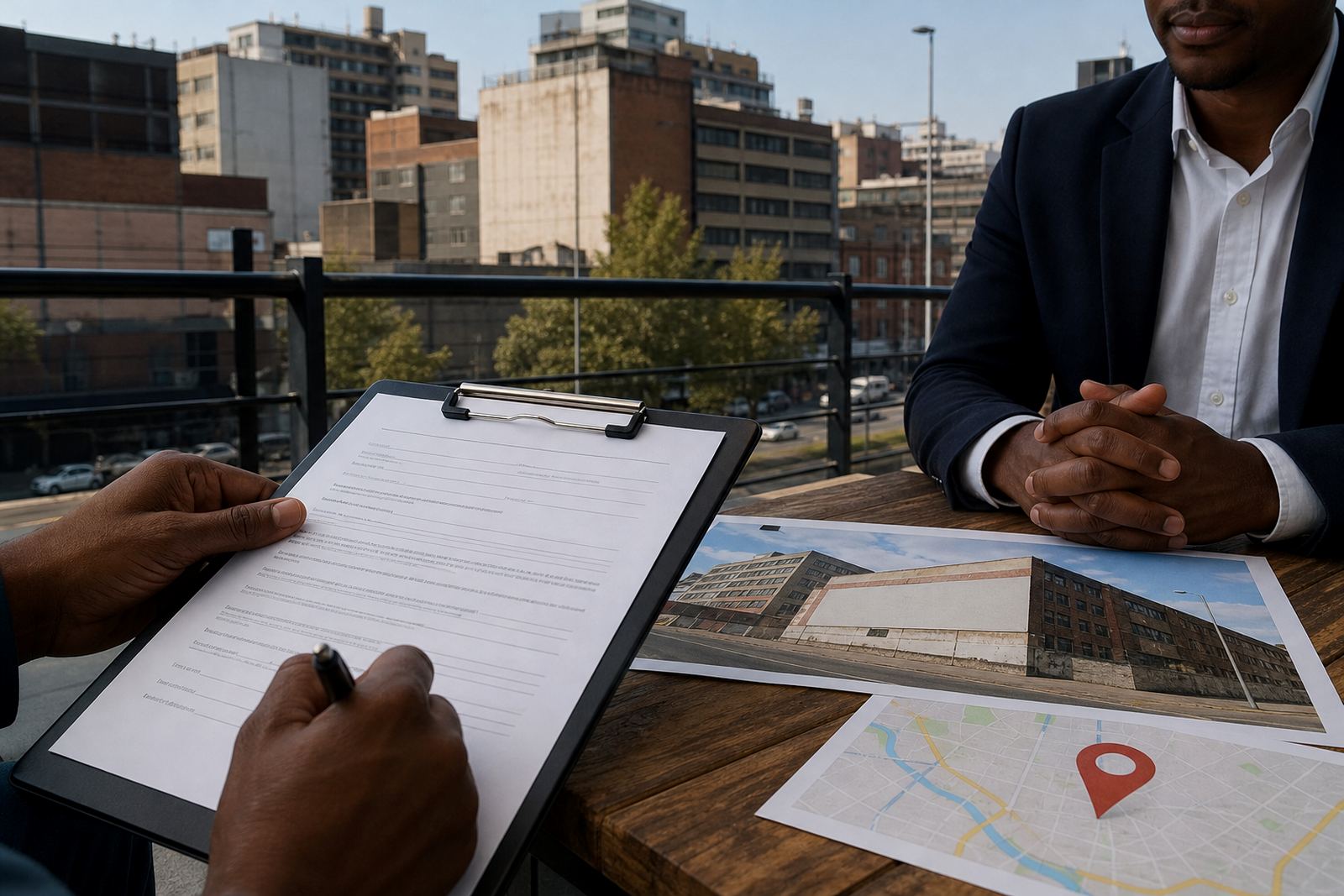
Any wall advertisement needs the property owner's consent, and local municipal bylaw approval may also be required. That should be mentioned clearly in the listing notes so no one assumes the site is ready before the proper steps are done. A good listing does not overpromise. It explains what has been confirmed, what is still pending, and what documents or checks may be needed before installation.
This is especially important in cities where outdoor signage rules can differ by suburb or road type. A site in Cape Town may need a different process from one in Johannesburg, even when the wall itself seems simple. If a wall is on a shared property, or close to a public walkway, extra checks may apply. Clear consent guidance keeps the process tidy and helps avoid last-minute hold ups.
Make Artwork And Installation Requirements Easy To Follow
Once the wall is approved, the next step is making sure the artwork fits the space. Listings should note the usable size, preferred file format if known, and whether the installation will need wraps, panels, painted work or another method. The more precise the specifications, the fewer mistakes there are when artwork is prepared.
Good basics also include practical notes on fixing points, wind exposure and whether the site needs special installation timing. In Durban, humidity can affect adhesives and finishes. In Johannesburg, load-shedding can affect after-hours work and site access if lighting is limited. These are ordinary site realities, not problems, but they should be planned for.
- Confirm the exact display area and bleed allowance
- Check whether the wall can carry the intended material
- Note any power, lighting or security limitations
- Set installation windows that suit the building and the street
Keep Availability And Renewal Information Current
A listing only works if it reflects the current status of the wall. If a campaign is already in place, if the wall is temporarily inaccessible, or if renewal dates are approaching, that information should be updated quickly. Advertisers do not want to plan around a site that is already spoken for. Property owners do not want repeat calls about a wall that is no longer open.
Availability management is more important than people think. A simple note that says when the wall can be booked, how long a booking is likely to run, and whether the listing may return after a campaign ends makes a big difference. It also helps teams in places like Sandton, Midrand and Braamfontein keep enquiries organised without confusion. The best listings are the ones that stay current, not just the ones that look attractive.
A Braamfontein Example Of A Well Prepared Wall Listing
Picture a boundary wall near a busy pedestrian route in Braamfontein. A useful listing would say whether the wall is street-facing, how big the display area is, and whether there is a clear line of sight from passing traffic or people walking past. It would also note if the surface is painted brick, plaster, or another finish, plus any repairs that need to be done before installation.
That same listing would say the property owner has given consent in principle and that municipal bylaw approval may still be needed. It would mention site access hours, parking, and whether the installer needs to use a ladder or lifting equipment. With those basics in place, advertisers can decide quickly if the wall suits their campaign and property owners can field enquiries with much less hassle. That is what makes a listing genuinely useful, not just available.