Start with the site files and the signed-off brief
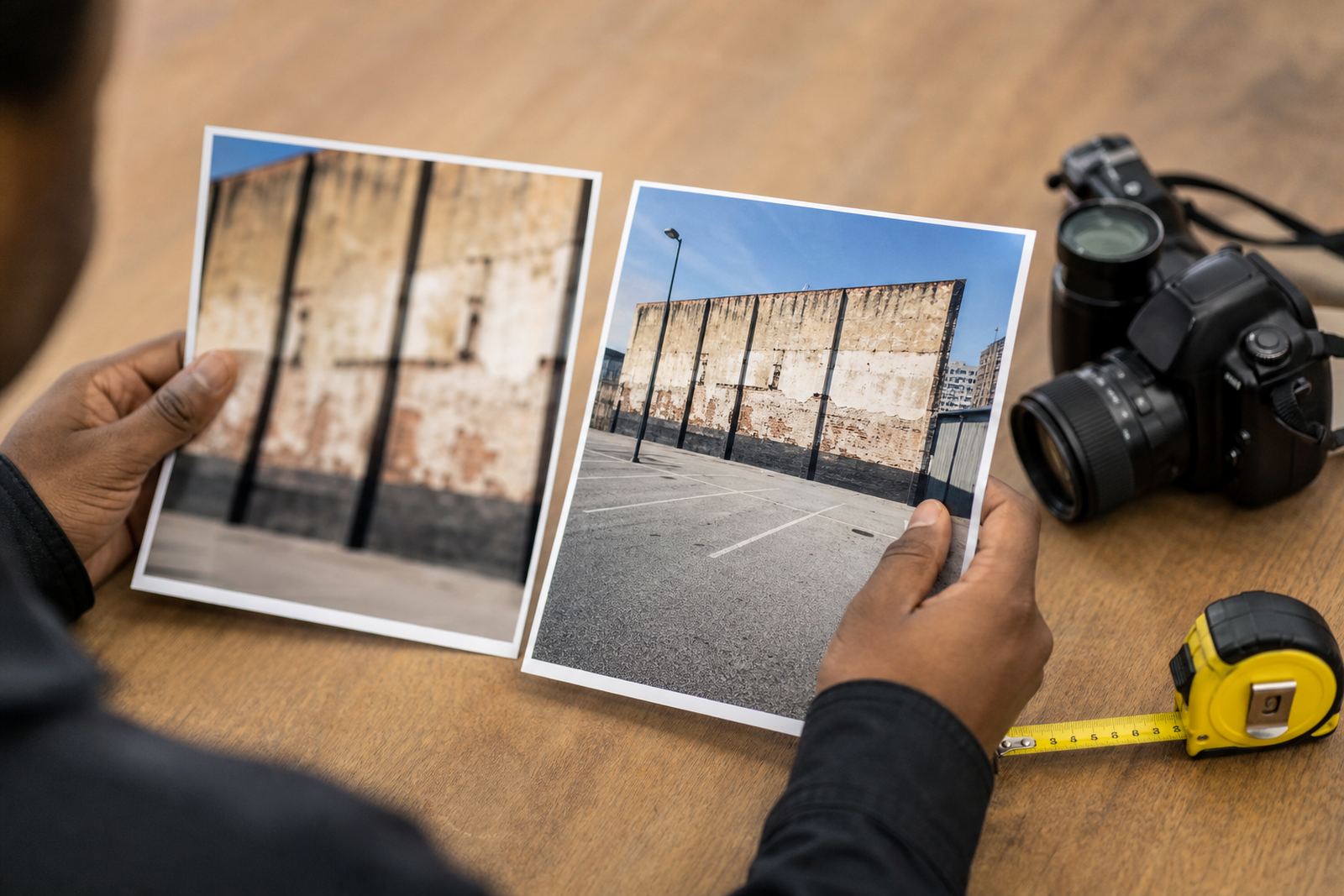
Before any crew is booked, the site file must be complete. That means the exact location, the wall or billboard dimensions, the mounting method, the access route, and the person who can unlock gates or open a rooftop point. If the site sits in Braamfontein, Sandton, Pretoria or any other busy area, a clear file saves time on the day and avoids a truck turning around at the kerb.
The brief should also confirm that the property owner has given consent for the signage, and that local municipal bylaw approval is in place where it is required. A site can look ready from street level, but if the owner has not confirmed the wall use or the municipality still needs sign-off, the crew should not be sent out. That one check protects everyone involved.
- Confirm the site address and nearest landmark
- Check who will grant access on arrival
- Match the artwork size to the measured space
- Verify property owner consent and bylaw approval status
Do a final artwork and material check two days before
Artwork issues are easier to fix before the crew is on site. Check that the final file matches the approved copy, that the margins allow for fixing points, and that the print material suits the site. A coastal wall in Durban may need different weather resistance from an inland site in Bloemfontein, while a shaded lane in Cape Town can behave differently from a sun-baked wall in Midrand.
Also confirm the fixings and finishing details. Eyelets, adhesive, brackets, safety lines and any protective coating should all be listed clearly. If the campaign will run through load-shedding periods, the team may also need torches, backup lighting or a plan for safe work if the area goes dark before the job is done. It sounds basic, but it is often the small things that slow down a fitment.
- Check spelling, crop marks and final sizes
- Match print material to wind, rain and sun exposure
- List all fixings, tools and safety items
- Plan for reduced light during load-shedding
Build the crew schedule around access, weather and traffic
Outdoor installation work is rarely just about the sign itself. The crew also needs enough time for travel, parking, loading, lifting and any pause that comes from roadworks or security checks. In Johannesburg, a morning run through Braamfontein can be slowed by traffic, shared access points and building rules, while a site in Sandton may need special loading bay timing. A site in Pretoria may need different timing again if it sits near an office node with tight access controls.
It helps to assign one person to confirm arrival time with the owner or site contact on the morning of the job. If rain is expected, a wall or billboard face may need a delay rather than a rushed fitment. Strong wind can also change the plan. Nobody wants to install on a half-secured surface and then come back to repair it later, so a short delay is better than a poor install.
Keep the crew instructions simple:
- Arrival time and backup arrival window
- Exact access point for vehicles and foot entry
- Weather trigger for postponement
- Emergency contact for the site owner or managing agent
Prepare the site so the crew can work without stops
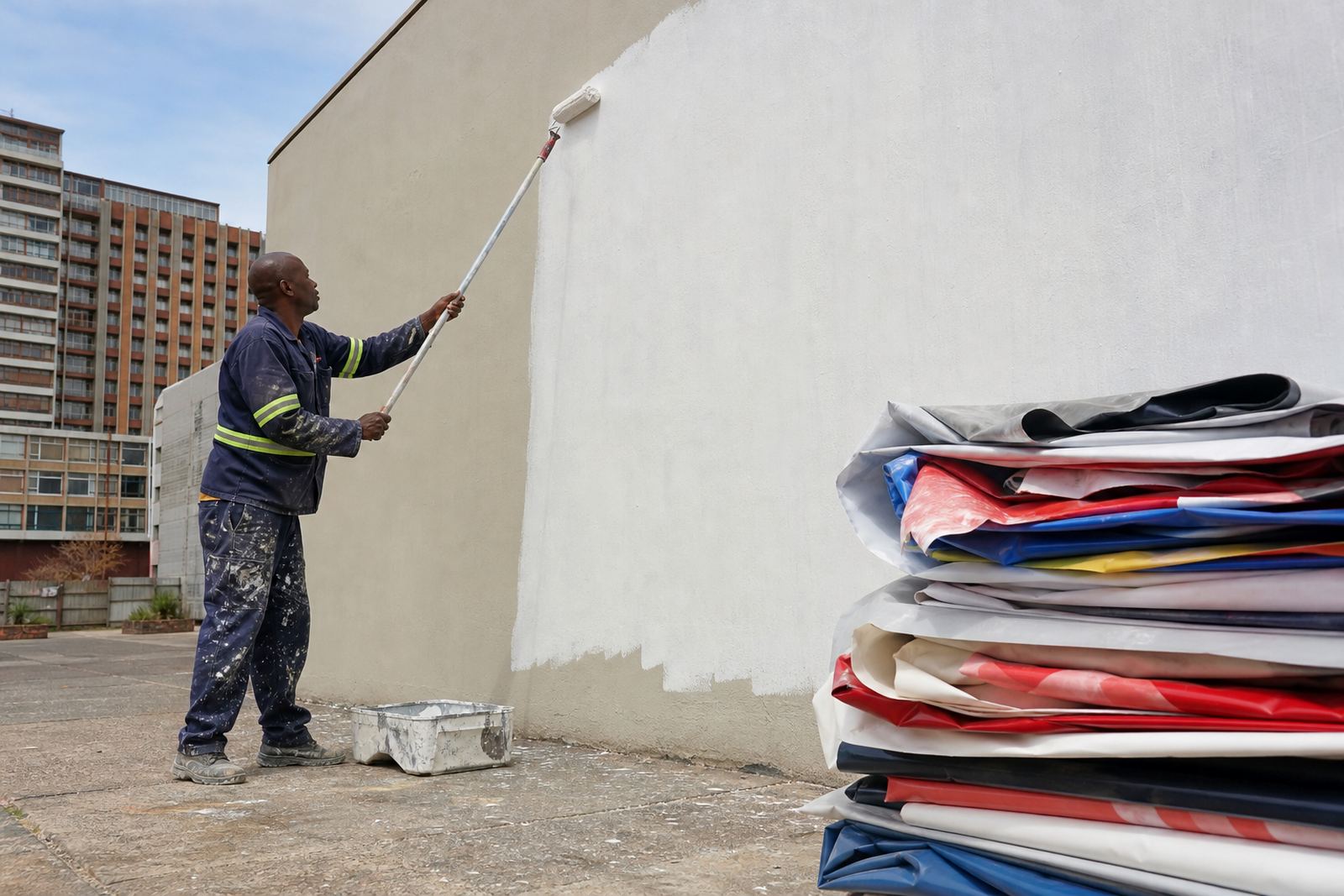
The site itself should be ready before the vehicle arrives. That means the surface has been checked, old materials removed where needed, and any obstacles cleared from the work area. If the installation is on a high wall or above a pavement, the space below should be protected and kept clear of pedestrians. In busy parts of Cape Town or Durban, that can include extra care around foot traffic, delivery bays and street trading areas.
Electrical supply, if needed for tools or lighting, should be confirmed in advance. Where power is unreliable or the area is affected by load-shedding, the crew may need battery equipment or a different work sequence. A clean site also includes proper disposal bags for offcuts, packaging and old fixing material, because many municipalities expect the area to be left tidy after work is complete.
Before the crew arrives, check the following:
- Surface is clean and dry enough for fixing
- Access routes are free of parked vehicles and loose items
- Any old signage has been removed or covered as agreed
- Tools, ladders and safety gear can be unloaded close to the work point
Use a simple day-of checklist for the site contact
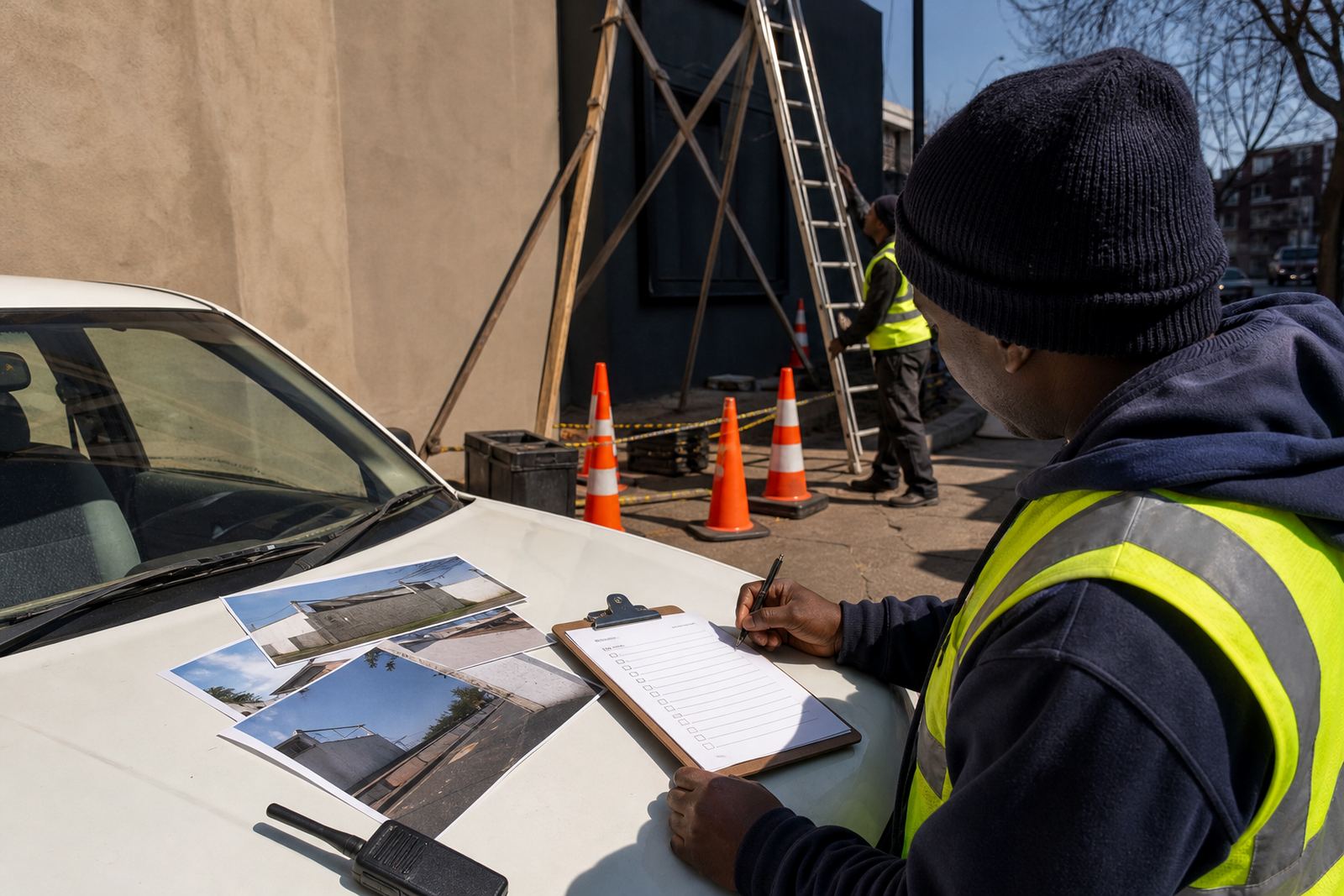
On installation day, one site contact should carry the checklist and make decisions quickly. That person needs the booking details, the approved artwork reference, the contact for the crew lead, and the consent and bylaw notes in case a question comes up on the ground. If the site is in a mixed-use area like Braamfontein, where building managers, tenants and security all have a say, clear authority avoids confusion.
A short handover at the gate or loading point can save an hour later. Confirm where the material will be dropped, where the crew may park, and who signs off once the sign is in place. If the campaign uses temporary wall advertising or a fixed billboard panel, the final check should include straightness, anchoring, finish quality and whether the piece is visible from the planned angle. A quick photo record is useful too, especially when the advertiser wants proof that the install was completed as agreed.
- Carry the booking reference and site file
- Nominate one person with authority on site
- Confirm where photos can be taken
- Sign off the finished work before the crew leaves
A Braamfontein example: how one weekday install stays on track
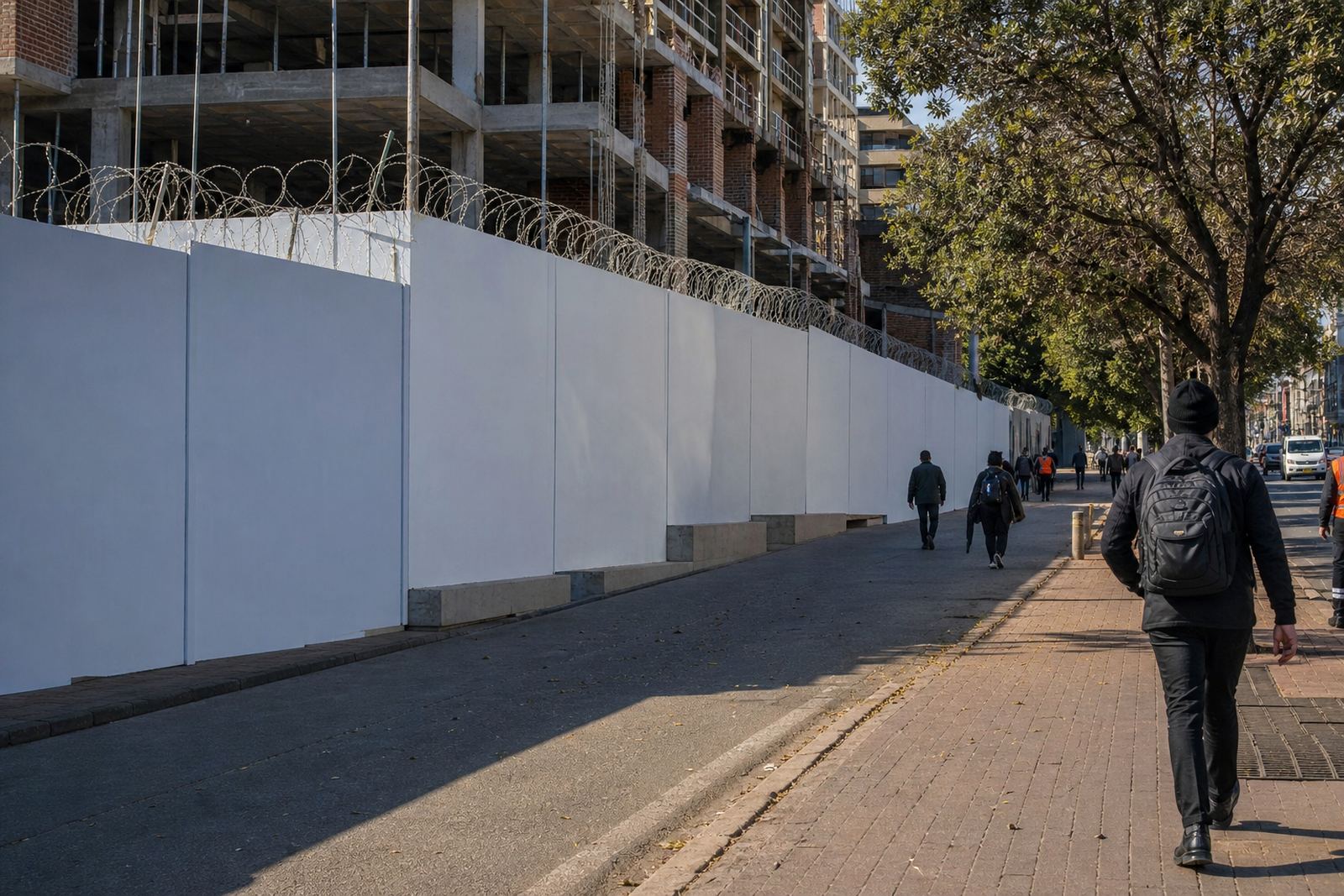
Take a wall-space booking near the edge of Braamfontein, Johannesburg. The site has pedestrian movement, building security and a narrow access point from the street. The week before install, the listing is checked, the property owner consent is confirmed, and municipal bylaw support is noted where needed. The artwork is checked again against the measured wall, and the crew is told to arrive early enough to miss the heaviest traffic.
On the morning of the job, the site contact opens the access route, the crew unloads close to the wall, and the installation starts with the safety gear already laid out. A small adjustment is needed because the wall is slightly uneven, so the team shifts the fixing points and carries on. The sign goes up, the area is cleared, and the final photos are sent through before lunch. That kind of day is not luck, it is planning. One missed detail can hold the whole job up, but a clear process keeps the work moving.
For advertisers and property owners alike, good installation day planning is about reducing uncertainty. It gives the crew enough room to work, it protects the site, and it makes sure the message is ready when the public sees it.
What to confirm before the crew leaves the depot
There is still one more check to make before the truck rolls out. The crew should have every item they need, including the artwork, fixings, tools, safety equipment, cleaning cloths and any site-specific documents. If the campaign covers more than one area, such as Johannesburg and Pretoria in the same week, each site pack should be labelled clearly so nothing is mixed up.
It is also wise to keep one fallback plan. If access is blocked, if the weather shifts, or if the municipal rule set requires a last-minute adjustment, the team should know what to do next. A well-run installation is not only about speed. It is about arriving prepared, keeping the site in order, and leaving the work finished properly.
- Pack the right site-specific documents
- Label artwork and fixings for each location
- Keep a backup plan for access or weather delays
- Make sure the site is left clean after fitment