
A wall does not advertise alone
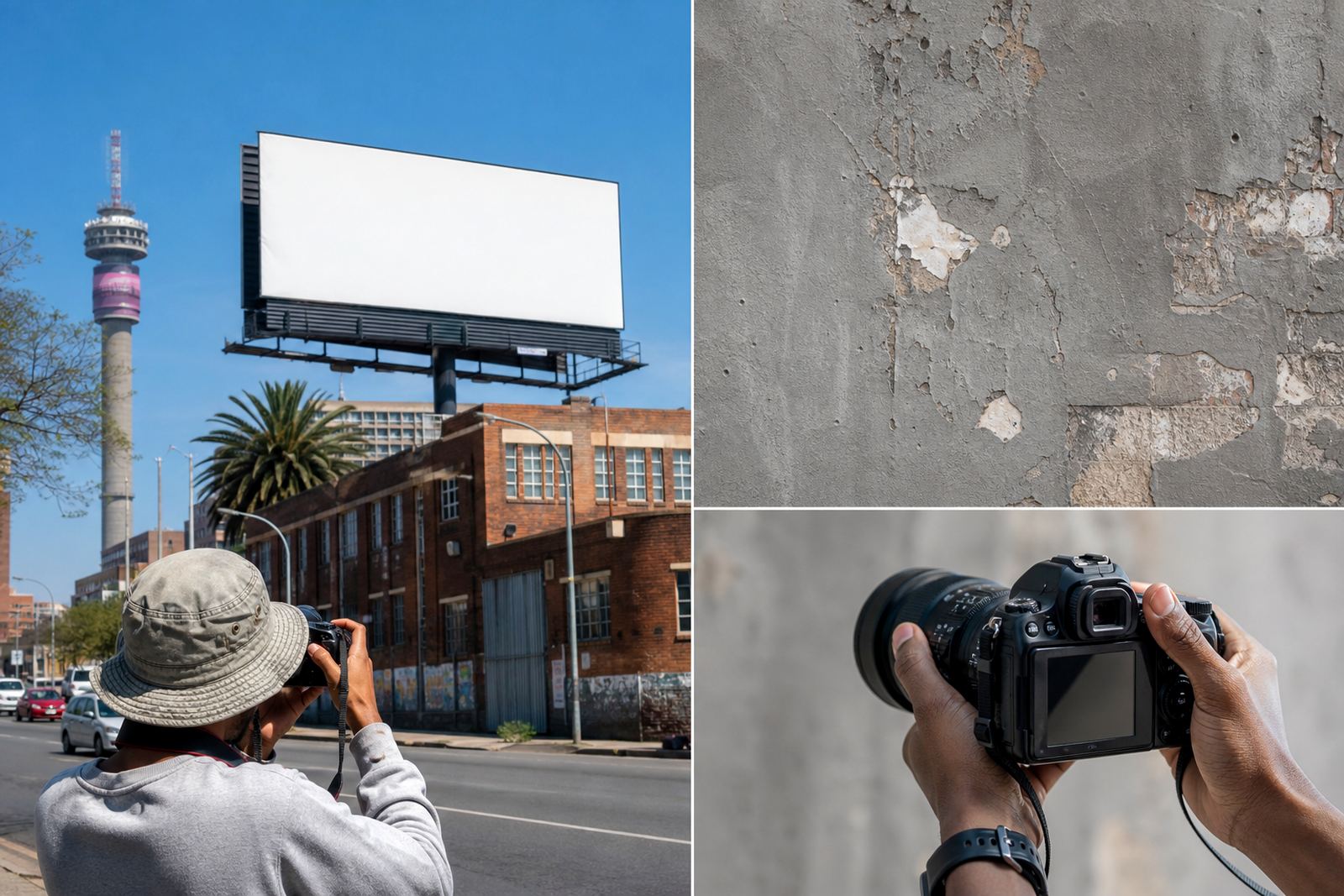
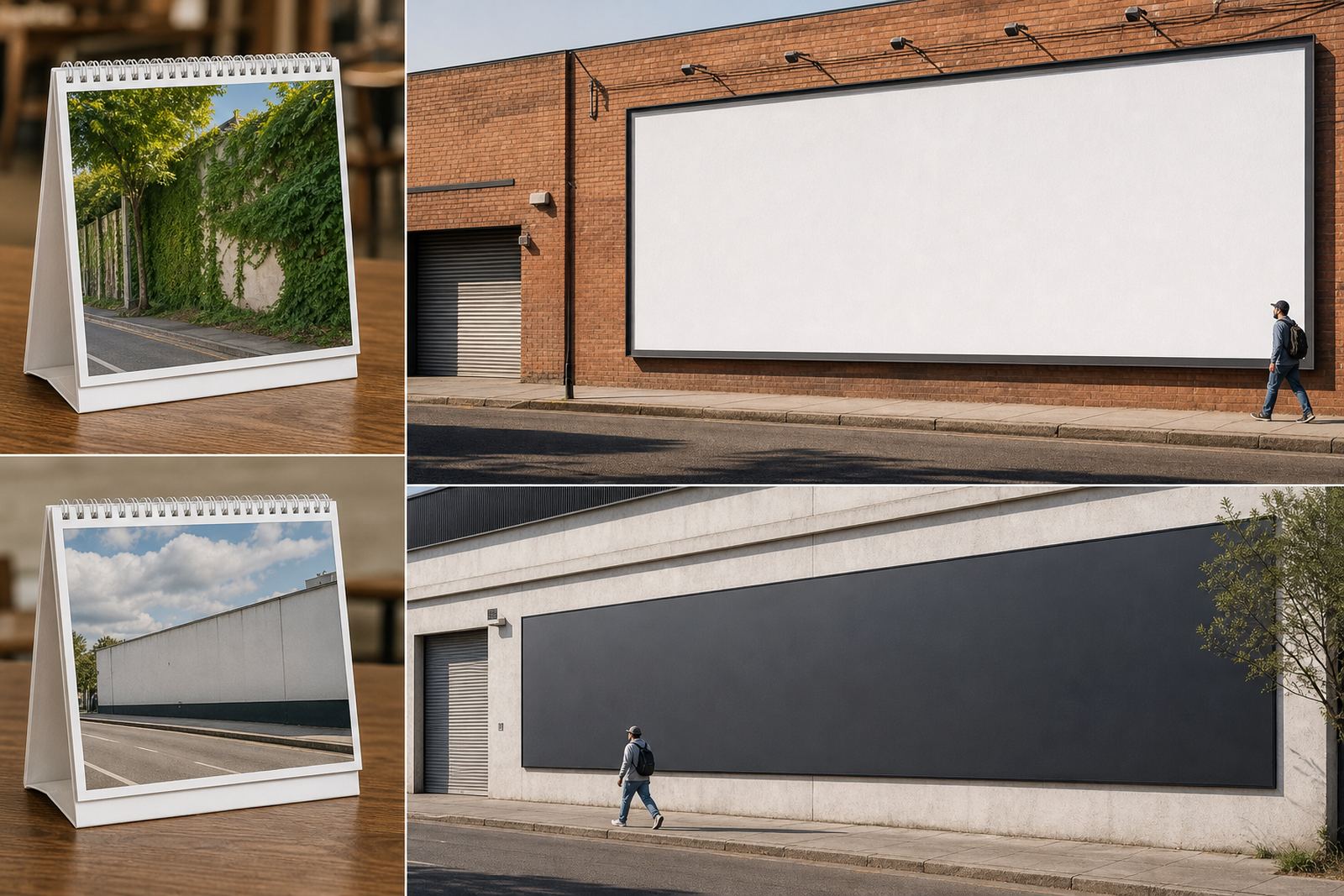
When advertisers choose outdoor or wall space, they are really choosing a context. A clean blank wall beside a busy intersection will behave differently from a panel tucked between shopfronts, trees and overhead cables. The eye does not read the sign in isolation. It reads the sign together with the street, the surrounding buildings and the pace of movement around it.
That is why a site that looks simple on paper can perform in a very particular way once you stand in front of it. A low wall near a turning lane may be seen from a short distance but for longer, while a high wall on a straight road may only hold attention for a moment. In Braamfontein and central Johannesburg, for example, mixed building heights and angled streets can change how quickly a message is taken in. In coastal areas like Durban, humidity and salt air can also affect surface condition so the wall itself becomes part of the decision.
What the buildings next door change
Neighbouring buildings shape sightlines, lighting and mood. A tall office block may block part of a view, while a lower neighbour may leave a site fully open. Glass facades can reflect sunlight and create glare at certain times of day. Older buildings may have rougher textures or tighter setbacks that make a wall feel closer to pedestrians. None of that is noise. It is part of how the advertisement will be read.
For advertisers, this means that the same artwork may need a different approach from site to site. If the surrounding buildings are mostly residential, a message may need to be calmer and more direct. If the area is full of trading activity, stronger contrast and simpler wording can help. On a windy street in Cape Town, movement from nearby trees, flags or loose material can also affect how steady the view feels. Little things matter more than people think.
- Check whether the wall faces open space or sits within a tight building line.
- Look at nearby windows, balconies and rooftop structures that may interrupt the view.
- Notice how sunlight, shade and reflections change during the day.
- Consider whether the surroundings support a premium, practical or high street feel.
Road shape changes what people remember
Road geometry is one of the most overlooked parts of outdoor advertising. A straight road gives drivers a clear and steady view. A bend, rise or drop in the road can shorten viewing time or change the angle completely. A site on an approach road may be seen by people slowing down, while a site after a junction may only be visible for a brief moment. That does not make it less useful, it just means the message has to work harder and faster.
In Sandton and Midrand, roads often carry a mix of commuters, delivery vehicles and service traffic, so sight distance and lane position can matter just as much as the size of the sign. Near Braamfontein, the road pattern can create stop start viewing, where people see a wall in pieces rather than in one clean frame. This is where simple artwork and strong contrast usually hold up better than a crowded layout.
- Straight roads can suit cleaner, more detailed messaging.
- Bends and junctions often work better with bold, short copy.
- Raised or dipped roads change how long a sign stays in view.
- Traffic lights and stop streets can create repeated exposure without needing moving parts.
Why the same wall works differently in each city
Outdoor space is local, even when the booking is national. A wall in Pretoria may sit against wider verges and more open sightlines. A wall in Cape Town may have coastal light and stronger wind exposure. In Durban, high humidity can affect the condition of printed materials and fixings over time. Bloemfontein often brings drier conditions, but strong sun can still affect colour and surface wear. These are practical details, not extras.
For property owners, this is also why a listing should describe the actual setting, not just the dimensions. Is the wall on a corner plot or along a side street? Is it close to a taxi route, a retail strip or an office block? Is there space for safe installation and maintenance access? These details help advertisers choose a location that fits their campaign and helps avoid wasted effort later on.
RentThisWall supports this with space listing setup, site photo curation, listing copywriting and availability management, so the surrounding context is visible before anyone books. The aim is to help both sides make a proper decision from the start.
Consent, bylaws and the practical side of placement
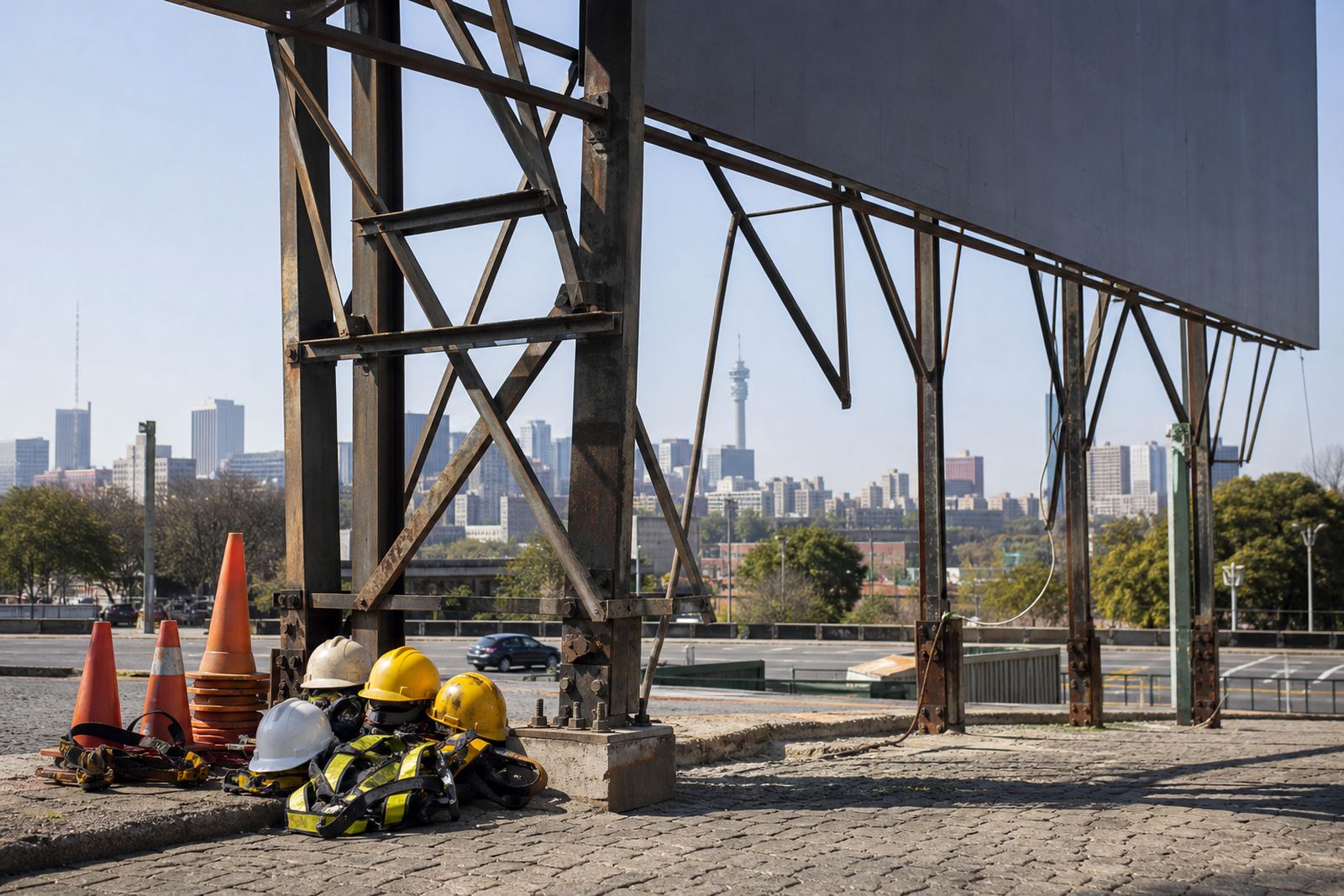
Before any signage goes up, the property owner’s consent is essential and local municipal bylaw approval must be checked as well. That is not just paperwork. It affects where a sign can be placed, how large it may be, and whether it can be installed safely without causing issues for neighbours, pedestrians or road users. A site that looks ideal may still need adjustments if the municipality has specific rules for the area.
Our team works through consent check guidance, bylaw process support and artwork spec checks so the booking process stays grounded in the real requirements of the site. Pieter Smit handles municipal compliance coordination, while Musa Khumalo manages campaign logistics and installation scheduling. That kind of support matters most when the site sits in a busy urban pocket where access, timing and approvals all need to line up. It saves back-and-forth and helps avoid delays.
- Confirm who owns the property and who may grant permission.
- Check local bylaw requirements before final artwork is produced.
- Match installation timing to site access, daylight and safety needs.
- Keep a record of approvals and renewal dates for ongoing campaigns.
A Braamfontein example of context at street level
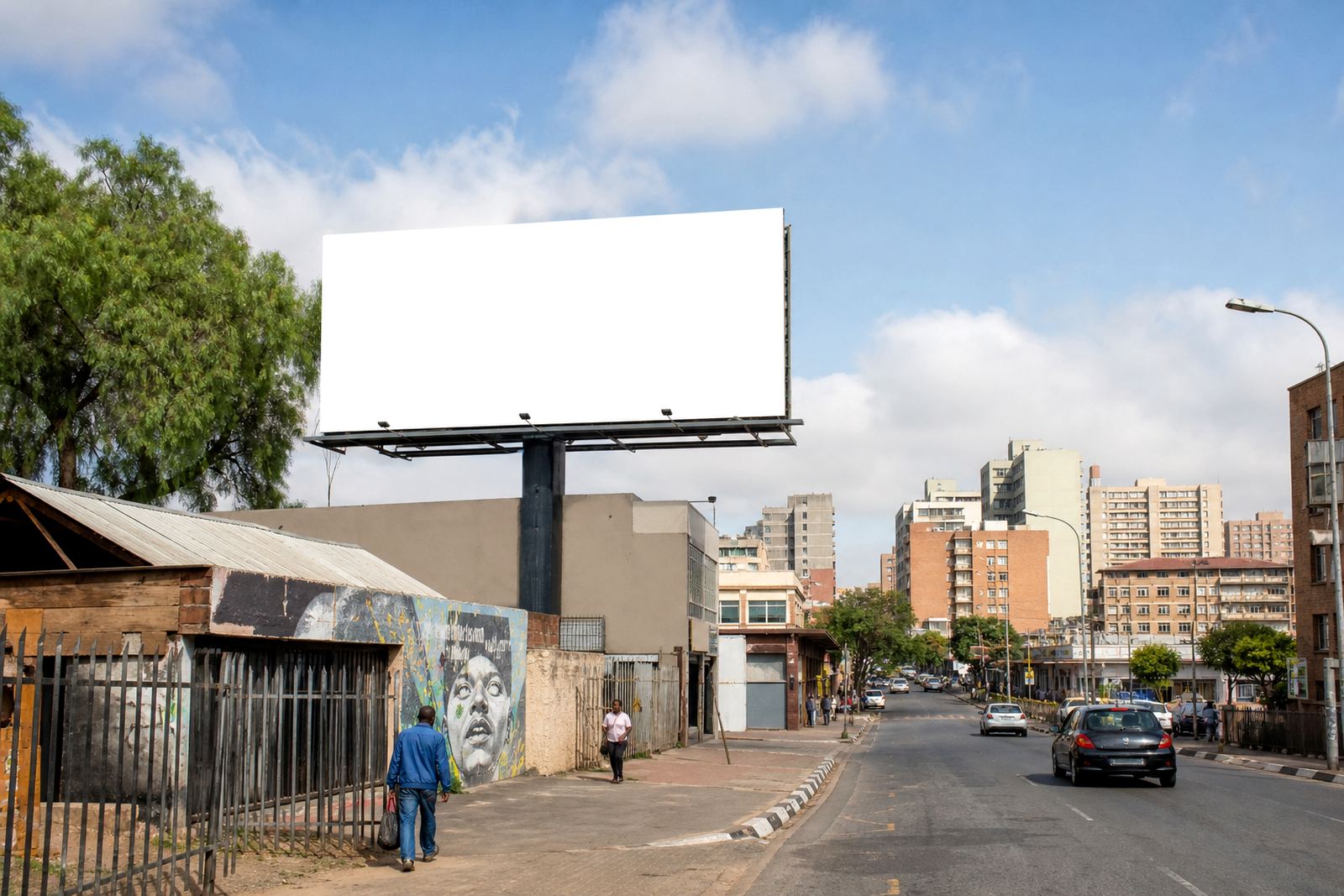
Take a wall space in Braamfontein as an example. A building near student movement and weekday office traffic may feel lively in the morning and early afternoon, then quieter after hours. The same wall may sit beside older masonry on one side and newer glass buildings on the other. The surrounding mix can make a campaign feel urban and immediate, but only if the message suits the setting. A cluttered layout may get lost in the background, while a clean message with strong contrast can hold its own.
That is also why site photos matter. A flat measurement does not show how the wall sits against the road, where the nearest corner is, or whether a tree or parapet cuts into the view. Our listings team, including Bianca Naidoo and Lerato Molefe, works on making the surrounding context clear enough for advertisers to judge properly. The point is not to dress the site up. It is to show what is really there so the campaign can fit the place rather than fight it.
The best bookings start with the right setting
Context is what turns a wall from a surface into an advertising opportunity. The road, the neighbouring buildings, the light, the weather and the local rules all shape the final result. When advertisers understand that, they can choose spaces that suit the message and the budget better. When property owners understand it, they can present their space more accurately and attract the right bookings.
That is the practical value of a marketplace built around outdoor and wall advertising. It helps property owners list available space clearly and helps advertisers compare sites across South Africa with proper context. Thabiso Mokoena leads the business from Braamfontein, with the team supporting listings, bookings and campaign coordination from Johannesburg to Pretoria, Cape Town, Durban and Bloemfontein.