Why suburb routes matter for everyday visibility
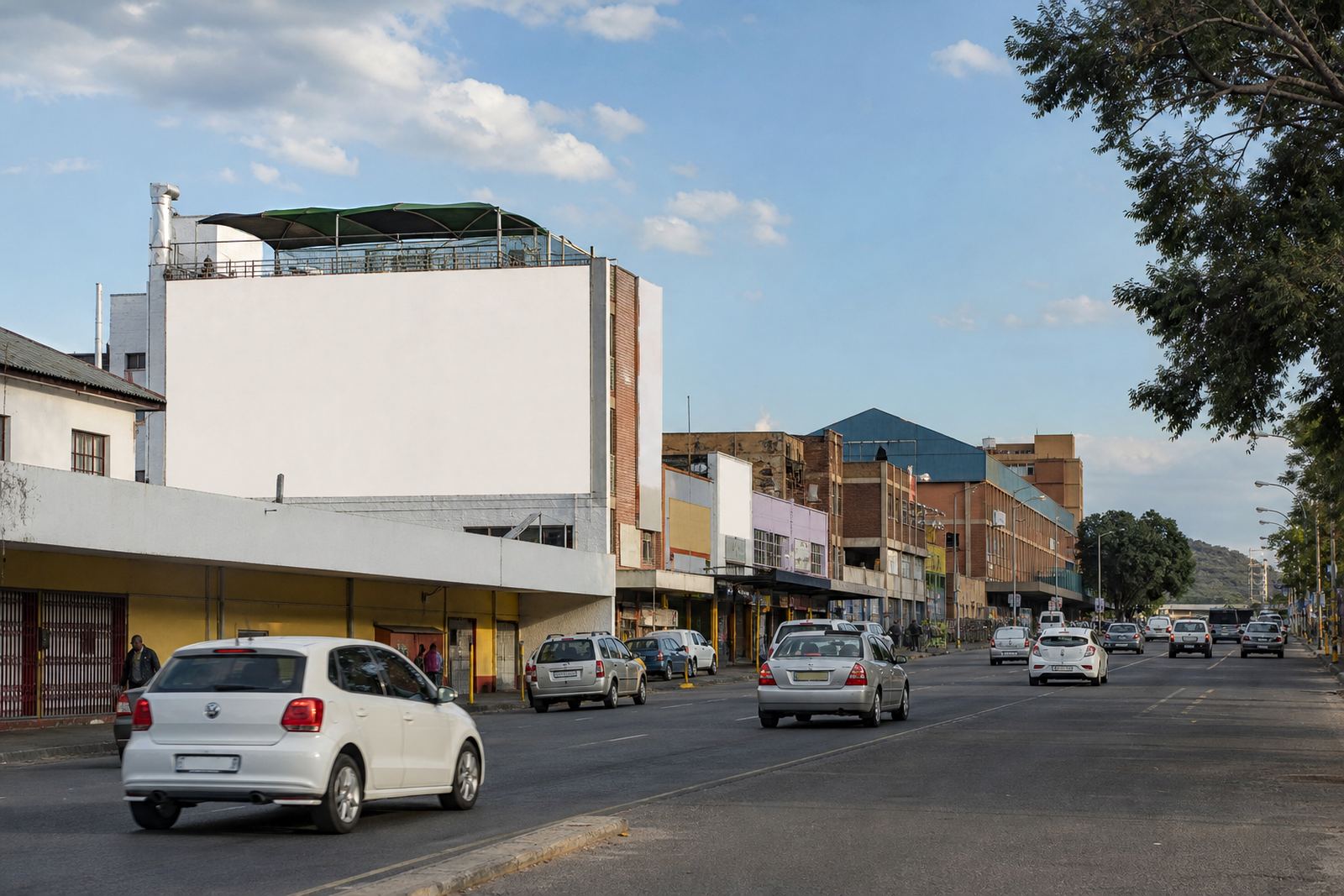
Not every campaign needs a highway stretch or a city-centre corner. Suburban arterials often carry a steady mix of commuters, service vehicles, school traffic and people heading to retail centres, medical rooms and offices. That makes them useful for businesses that want repeated local exposure without trying to shout over a huge catchment.
In Johannesburg, Pretoria, Cape Town, Durban and Bloemfontein, suburb routes tend to reward simple messages. A clear service, a recognisable business name and one direct call to action usually works better than a crowded layout. If your audience already lives, works or shops nearby, the route itself becomes part of the reminder.
Choosing the right wall or billboard position
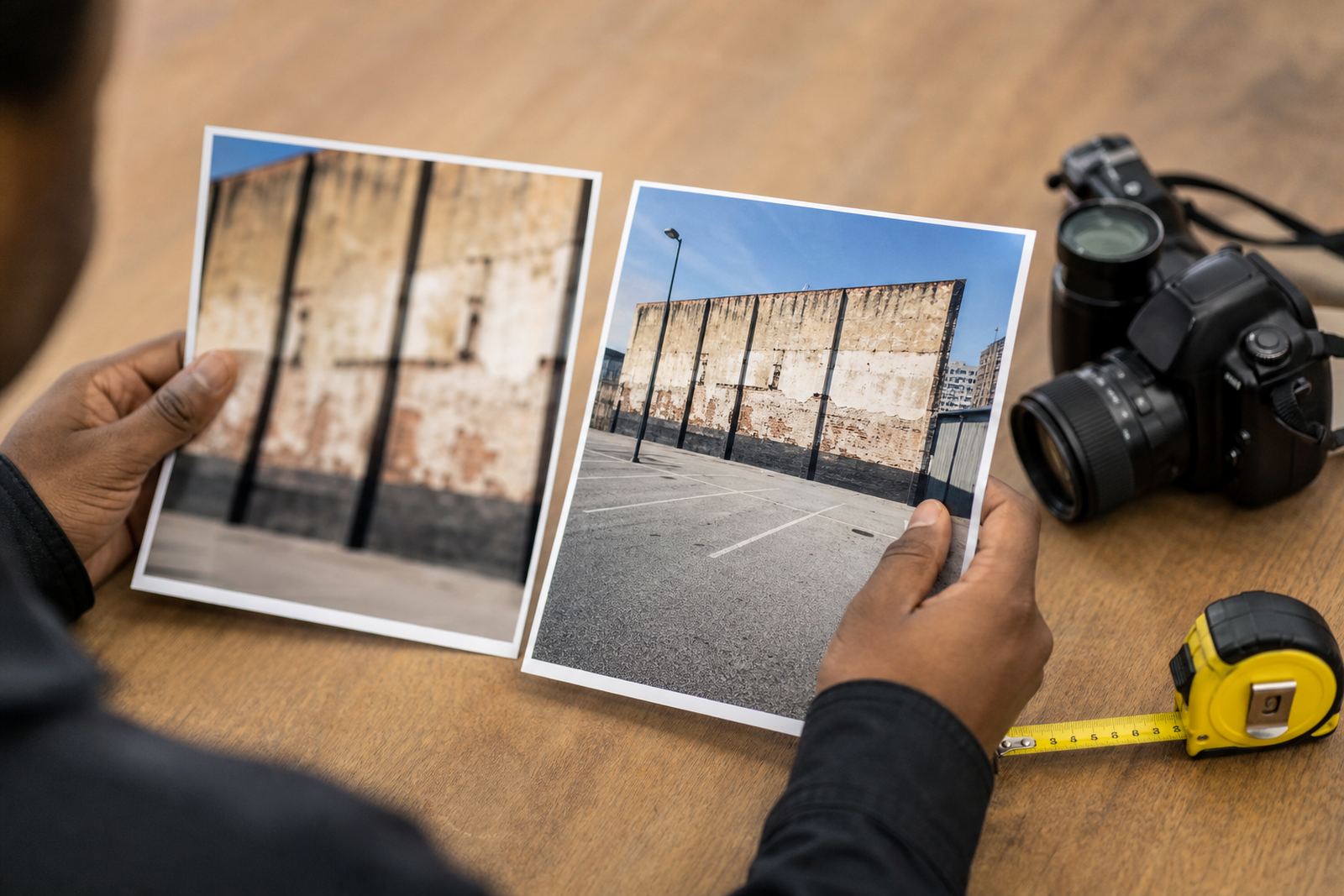
Good route presence starts with the right face, not just any available wall. Look at the direction of travel, whether drivers have time to read the message and how close the site is to intersections, parking access or frequent stops. A wall that faces an approach lane can work better than one tucked behind trees, boundary walls or street furniture.
It also helps to think about what surrounds the site. A business district edge, school corridor or mixed-use strip may suit different messages. For example, a plumbing supplier may want a route near residential repair activity, while a restaurant may prefer a road leading towards a cluster of shops and takeaways. The location should fit the offer, not just the postcode.
- Check the reading distance and viewing angle before booking
- Ask whether the face is visible in morning or afternoon traffic flow
- Confirm if nearby poles, trees or parked vehicles may block part of the view
- Make sure the artwork size matches the actual structure and mounting area
What landlords and advertisers both need to agree on
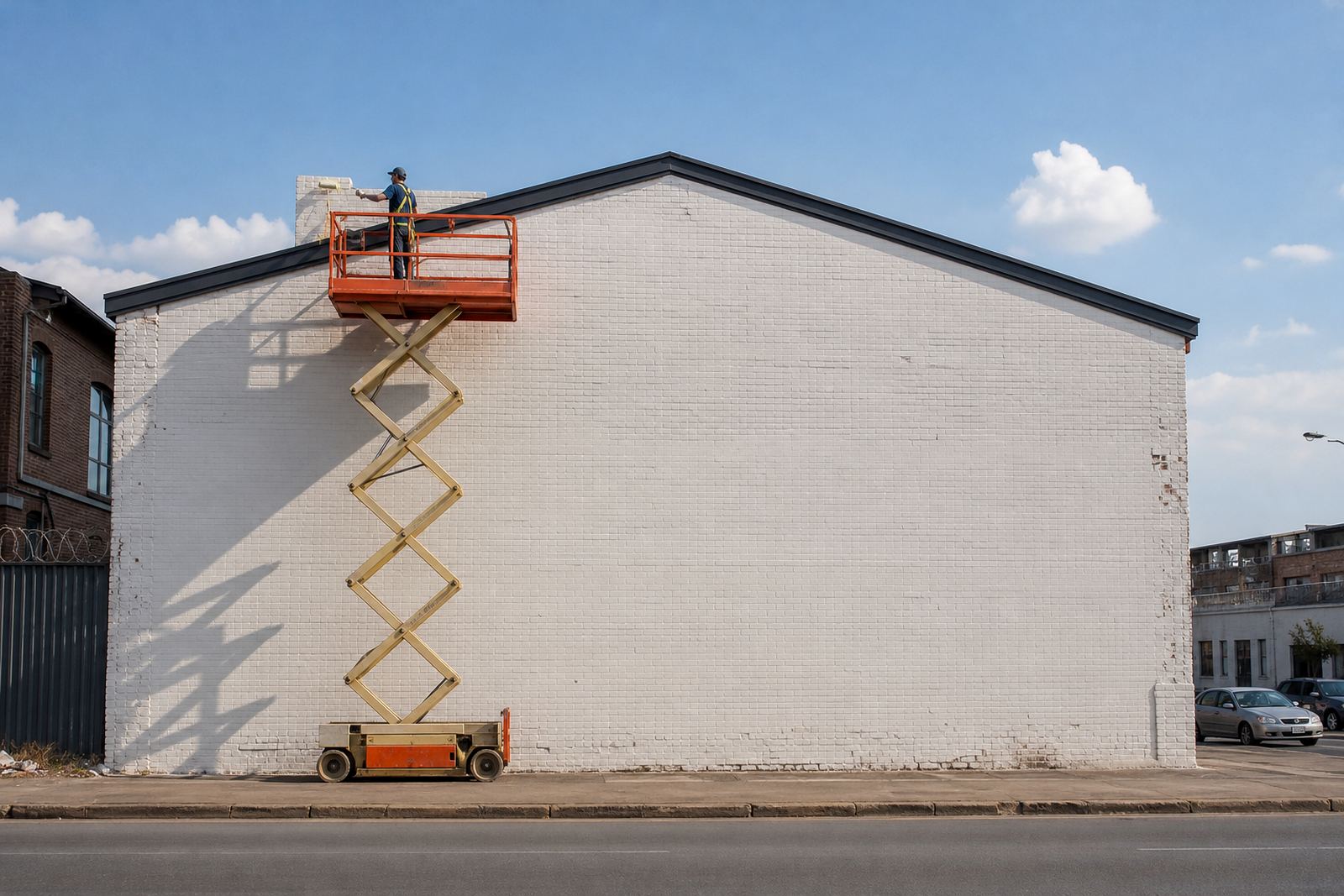
Outdoor and wall advertising on private property is never just a matter of hanging a sign. The property owner must give consent, and local municipal bylaw approval may also be needed depending on the site, the size of the display and how it is installed. Getting this right early saves time later and avoids disputes once the structure is already in place.
For property owners, the key questions are simple: who is responsible for access, how long the space is booked and what happens if the site needs maintenance. For advertisers, the main concern is whether the face will be available for the full campaign period and whether the layout complies with site rules. Clear paperwork on both sides keeps the booking practical.
- Confirm written owner consent before any installation planning
- Check whether the municipality requires notice, drawings or other supporting documents
- Agree on site access times for installers and monitoring visits
- Set out who handles maintenance if weather or wear affects the display
Local example from Braamfontein to the inner suburbs
Take a practical route through Braamfontein and out towards nearby suburban connectors. A small professional firm may not need a giant format. It may only need steady visibility on a road used by people moving between offices, apartments and nearby retail stops. In that setting, a clean wall space can do more useful work than a louder display placed where viewers are already distracted.
That same logic applies in Sandton, Midrand and Pretoria corridors where daily movement is predictable. If a business wants repeat contact with people in the area, the right site can help reinforce memory without needing constant changes. The message must still be short enough to read at a glance, especially where traffic slows and then starts moving again.
Suburb route campaigns also suit seasonal trading. A home improvement supplier, for instance, may want a run near residential areas during a period when repairs are more common. A medical practice may look for a road with regular local movement rather than a long-distance route. The point is to match the road to the reason for advertising.
Artwork, lighting and weather are not afterthoughts
A route campaign only works if the artwork holds up in real conditions. Johannesburg dry wind, Cape Town coastal moisture and Durban humidity can each affect material choice and finish. If the sign faces strong sun, the colours need to stay readable. If it sits in an area with evening movement, light levels nearby matter too.
Load-shedding can also affect nearby businesses and streets. That means a sign should still be understandable when the area is less lit than usual. Simpler layouts, stronger contrast and clean letter sizing help in those conditions. The safest campaigns are the ones that remain readable when the weather changes and the power does too.
- Use strong contrast and a short message that can be read quickly
- Choose material suitable for heat, humidity and wind exposure
- Check if any nearby lighting affects glare or night visibility
- Allow enough production time for artwork checks and installation scheduling
How RentThisWall handles route presence bookings
RentThisWall helps property owners and advertisers connect across South Africa through one marketplace for billboard and wall space rentals. The team works from Braamfontein, Johannesburg and supports listings in Johannesburg, Pretoria, Cape Town, Durban and Bloemfontein. For route presence campaigns, the process starts with the listing details, site photos and a brief that explains the kind of visibility needed.
The service team can help with space listing setup, site photo curation, listing copywriting, availability management, brief matching and booking coordination. There is also consent check guidance, bylaw process support, artwork spec checks, installation scheduling, campaign monitoring and listing renewal support. That matters because a suburban route campaign often depends on timing as much as location.
When an advertiser sends an enquiry through the contact page, the team can assess whether the site suits the campaign goal and whether the consent and municipal steps are in order. That practical approach keeps the booking grounded in what the property can actually support, not just what looks good on paper.