Why sightlines matter before the first quote is sent
Sightlines are the clear viewing lines people have to a sign as they move past it. On a busy road, that can be a driver turning into a side street, a pedestrian walking along the pavement, or someone sitting at a traffic light for a few seconds. If the view is blocked too early, the message has less chance to register, even when the site is in a strong position.
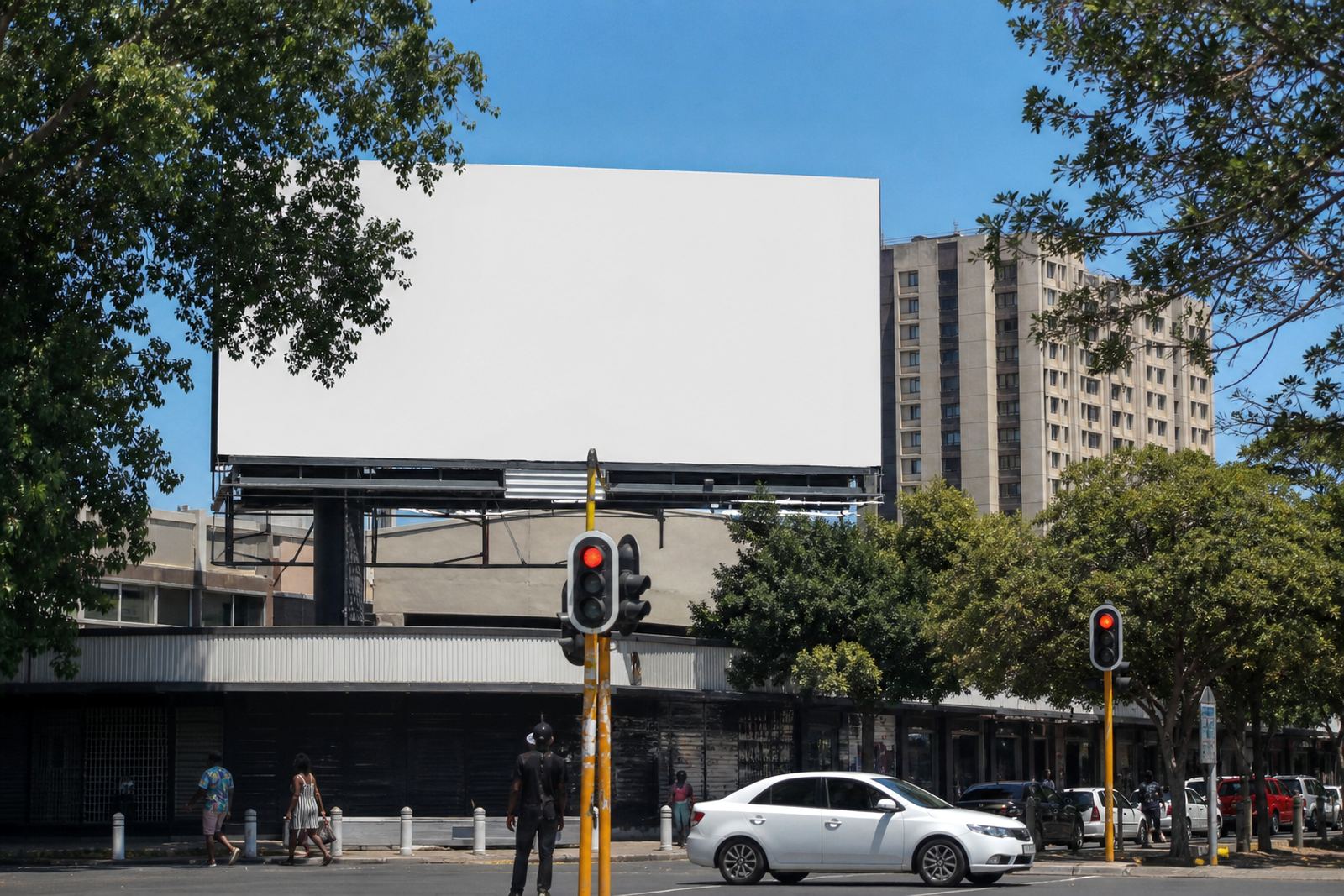
In outdoor advertising, the property may look suitable from one angle and poor from another. That is why a proper check starts with approach direction, viewing distance and what sits in the path of the eye. Trees, street poles, overhead cables, balcony rails and adjacent buildings can all change the way a wall space performs. In some cases the obstruction is permanent, in others it is seasonal, like a tree canopy that grows thicker after summer rains.
For property owners, this matters because a clear sightline can make a space easier to rent. For advertisers, it helps avoid a site that looks good on paper but is hard to read from the road. The best result is a location where the message is seen naturally, without forcing the viewer to crane their neck or slow down too much.
How approach angle changes what people notice
The angle from which a person meets the sign often matters as much as the sign itself. A wall facing traffic head-on can give a clean reading opportunity, while a wall viewed from the side may only be visible for a short stretch. In city areas like Braamfontein or Sandton, turning movements, slip roads and one-way systems can create very different viewing moments from the same property.
A site may suit long-format artwork when viewers are coming straight toward it, but not when they are passing at speed on a diagonal. If the message depends on detailed text, the angle has to allow enough time for reading. If the artwork is bold and simple, a shorter viewing window can still work. The point is to match the creative and the site conditions, not just the available wall size.
- Head-on viewing usually gives the clearest read
- Side-on viewing can shorten the time available to notice the message
- Curves, intersections and lane changes often create mixed viewing angles
- Artwork with fewer words usually handles shorter sightlines better
In practice, we often see that a site near a junction needs more careful artwork planning than a site along a straight road. A layout that looks fine in a still photo may read differently once a moving vehicle, bus stop shelter or roadside tree gets in the way. That is why angle checks should happen before booking is finalised.
Common obstructions that cut visibility
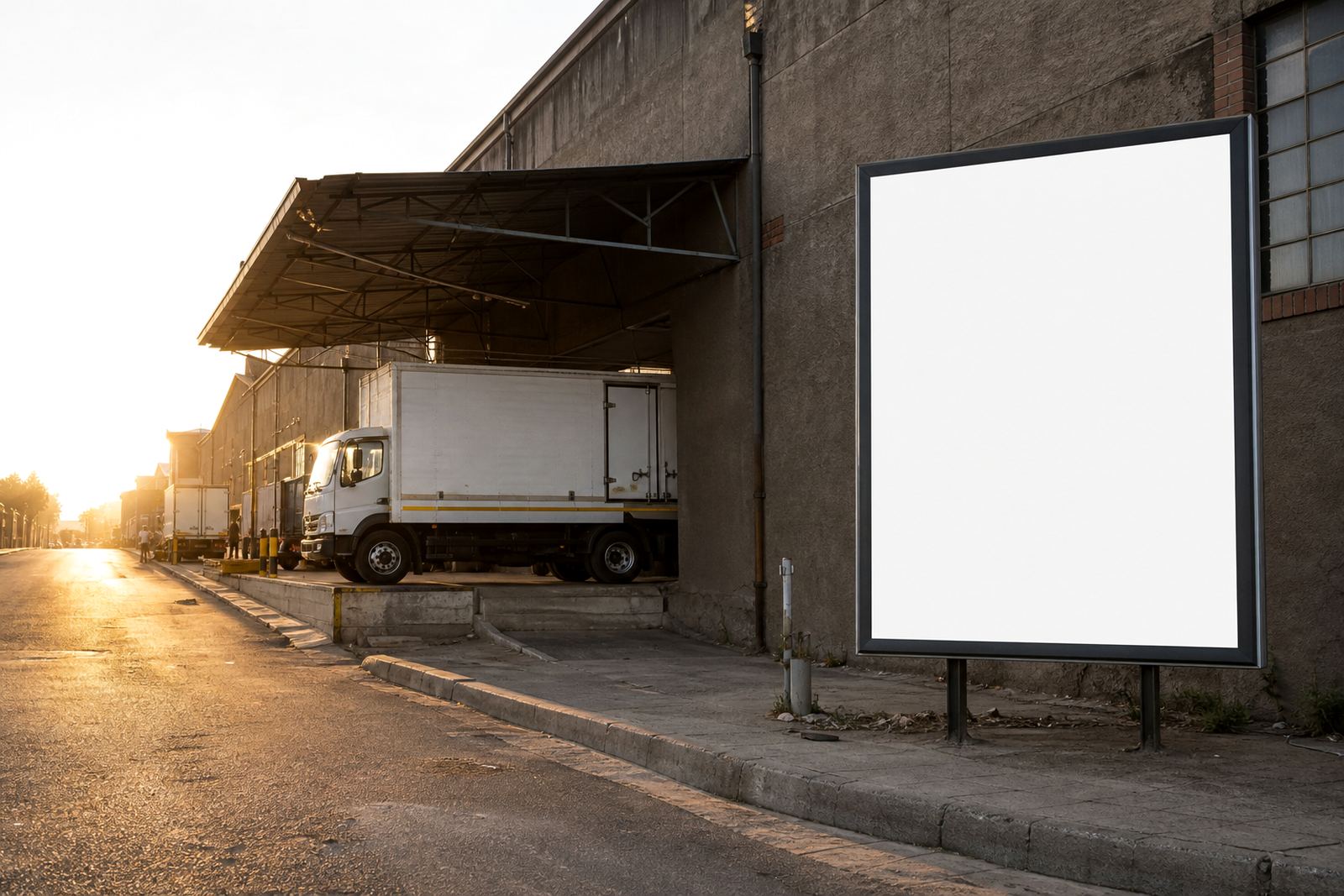
Obstructions come in many forms and they are not always obvious at first glance. A wall can be partly hidden by a parapet, the top of a fence, a pedestrian bridge or a row of parked vehicles that stay in place for most of the day. In some neighbourhoods, informal trading structures or municipal street furniture also interrupt the line of sight.
Weather and maintenance can affect visibility too. In coastal areas like Durban, salt and humidity can leave surfaces duller over time if upkeep is poor. In winter, glare from a low sun can make some angles harder to read. During load-shedding, surrounding areas can become darker in the evening and a poorly lit site may lose impact earlier than expected, especially where street lighting is not reliable.
- Roadside trees and growing branches
- Parked cars, taxis or delivery vehicles
- Balconies, railings and rooftop edges
- Street poles, signs and overhead services
- Walls that sit behind deeper setbacks or corners
It helps to view the site at different times of day. Morning and late afternoon can reveal shadows that are not visible at midday. On a wet day, reflections from the road surface can also change how a billboard or wall panel reads from passing traffic. A quick once-off visit is useful, but a return check often tells the fuller story.
What property owners should check before listing space
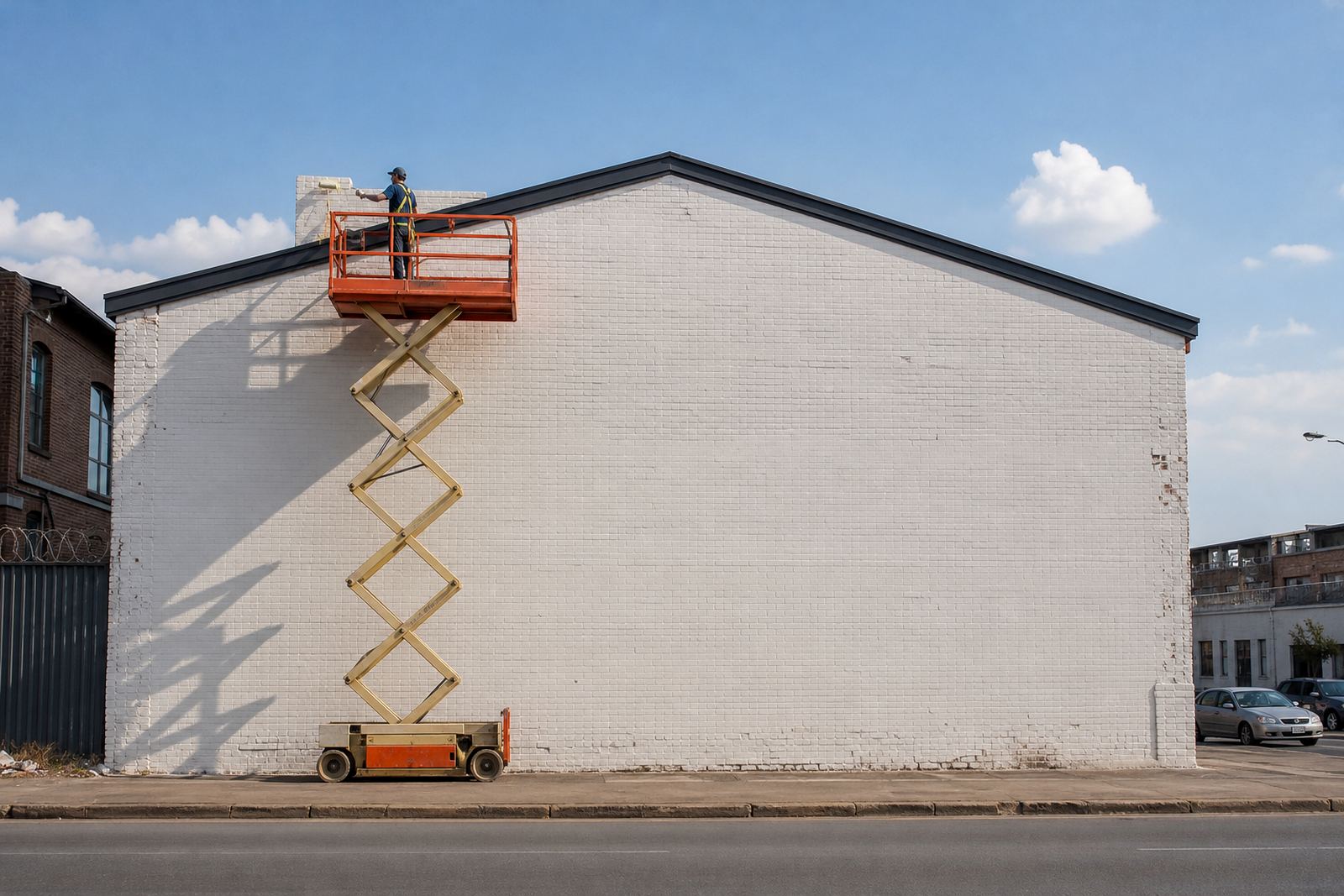
If you own a wall or building face, the first step is to look at it from the street, not only from the property side. Stand where the intended viewer would be and see how much of the face is actually open. If another structure blocks half the view, that should be noted from the start. Clear listing notes save time later and reduce failed bookings.
The property owner’s consent is essential, and local municipal bylaw approval may also be required depending on the site and the type of signage. It is better to identify those matters early than to leave them until artwork is ready. In Johannesburg, Pretoria, Cape Town, Durban or Bloemfontein, the rules can differ by area, zoning and road class, so the process needs proper checking.
- Confirm who owns the wall or structure and who may sign consent
- Check whether the site faces a public road or private access route
- Look for power lines, windows, fire escapes or access doors
- Note any access limits for installation or future maintenance
- Keep a record of what is visible from each direction
Good listings are not vague. They mention the exact side of the building, the road it faces, and any likely obstruction. That helps advertisers know whether the space suits a short campaign or something longer. It also helps with booking coordination, because the installer will know what to expect on site.
A Braamfontein example: one wall, two very different views
Take a wall in Braamfontein near a busy intersection where taxis, pedestrians and private cars all move through the same area. From one direction, the wall may be open and easy to read for a full block. From the opposite direction, a tree canopy, an overhead sign and a corner building may reduce the view to a few seconds only. The same space can therefore have two quite different outcomes depending on approach angle.
That is why local context matters. A site close to the inner city may need artwork that works quickly and cleanly, while a wall in Midrand or along a wider corridor may allow a longer look. The physical setting shapes the message. A small sign can still perform well if the sightline is direct, while a larger sign can underperform if it sits behind clutter. It is not always about scale, it is about how the eye reaches the surface.
For advertisers, this means asking for current site photos and a plain description of the viewing side. For property owners, it means giving accurate details about what can and cannot be seen from the road. A careful match at this stage avoids disappointment later on, and makes the campaign much easier to manage once the artwork is approved and the booking is confirmed.
How better sightline planning improves booking decisions
When sightlines are understood properly, the rest of the process becomes simpler. Artwork can be checked against the available viewing distance. Installation timing can be planned around access and traffic flow. Renewal decisions can be based on whether the site still has a clear path to viewers or whether nearby changes have reduced its value.
That is also where practical support helps. Site photo curation, listing copywriting, consent check guidance and bylaw process support all play a part in showing the real condition of a space. A listing that explains the approach angle, nearby obstructions and local approval steps is more useful than one that only gives a size. Accuracy matters, especially when a campaign has a deadline.
If you are assessing a wall or billboard space, the question to ask is simple: from where, and for how long, will people actually see it? Once that is answered, the site can be judged fairly and the booking can move forward with fewer surprises. That is good for property owners and advertisers alike, and it keeps the process practical from first enquiry to installation.