Why weak listings get passed over fast
When a business is looking for outdoor space, it wants to know three things straight away: where the site is, what it looks like, and whether it can actually be used for a campaign. If a listing leaves those basics unclear, the enquiry often goes nowhere. In Braamfontein or Sandton, where advertisers compare many options in one sitting, a vague listing can lose out to a cleaner one even if the location itself is strong.
One of the biggest mistakes is treating a listing like a quick note rather than a sales tool. A property owner may know the wall by sight, but an advertiser does not. The listing has to do the job of explaining access, visibility, size, surrounding buildings, and any practical limits. If that information is missing, the advertiser has to ask follow up questions, which slows the process and can lead to confusion later.
Missing the basic site facts that matter most
Outdoor and wall advertising works best when the listing gives clear, simple facts. Not every detail needs a long explanation, but the essentials should be there. A site without the right measurements, orientation or surface description is hard to compare with other options. Even a good wall can look less useful if the listing does not say whether it faces traffic, pedestrians, a junction, or a busy approach road.
- Give the exact area in metres, not just a rough guess.
- State whether the surface is flat, painted, textured or curved.
- Note the viewing direction and the side of the road if relevant.
- Say if there are trees, poles, balconies or other obstructions.
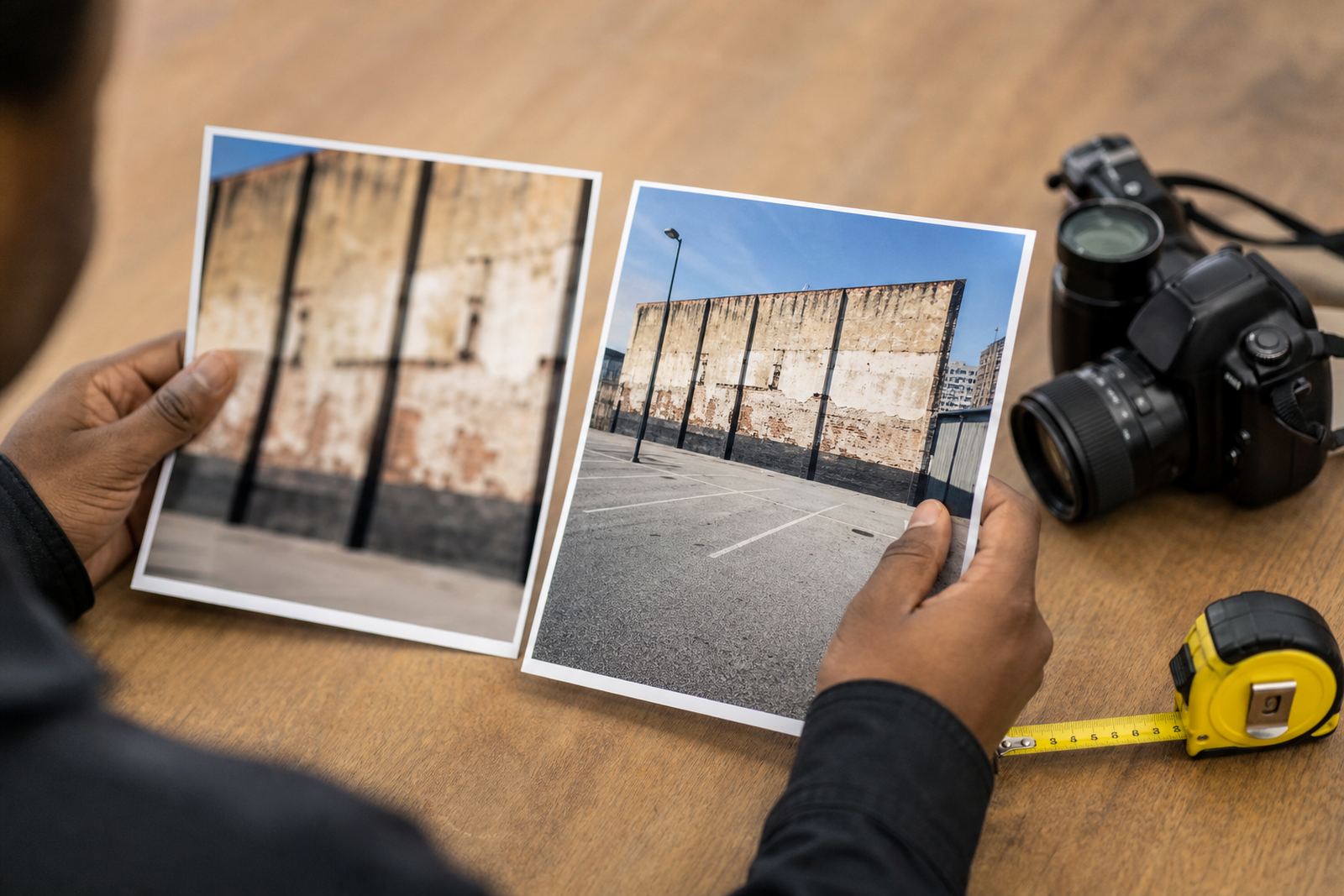
- Include recent site photos taken in daylight from street level.
A common error is to assume that an old photo is still fine. In many parts of Johannesburg and Pretoria, nearby construction, new signage or changed street furniture can alter the view quite a lot. A photo that is even a few months old may no longer show the actual sightline. That can waste time for everyone.
Leaving out the owner consent and bylaw checks
This is the mistake that causes the most trouble. A listing should never imply that a space is ready for signage unless the property owner has given consent and the local municipal bylaw process has been checked. Advertisers need to know that there is a proper route for approval before they commit to a booking. If that step is missing, the campaign can stall later when an installer or compliance officer asks for proof.
In some areas, especially around busy corridors in Cape Town, Durban and Bloemfontein, bylaw details can affect what type of display is allowed and how it must be presented. The listing does not need to give legal advice, but it should be honest about the process. If consent is still being confirmed, say so. If the site needs municipal review, say that too. Clear wording protects both the property owner and the advertiser.
- Confirm the owner or authorised manager has approved the space for advertising use.
- Check whether municipal approval is needed before installation.
- Note any site specific restrictions such as height limits or heritage considerations.
- Keep a record of the consent and process steps for later reference.
Being open about this does not scare serious advertisers away, it usually does the opposite. It tells them the space is being handled properly and that there will be fewer surprises later on.
Poor photos and thin copy make the space feel uncertain
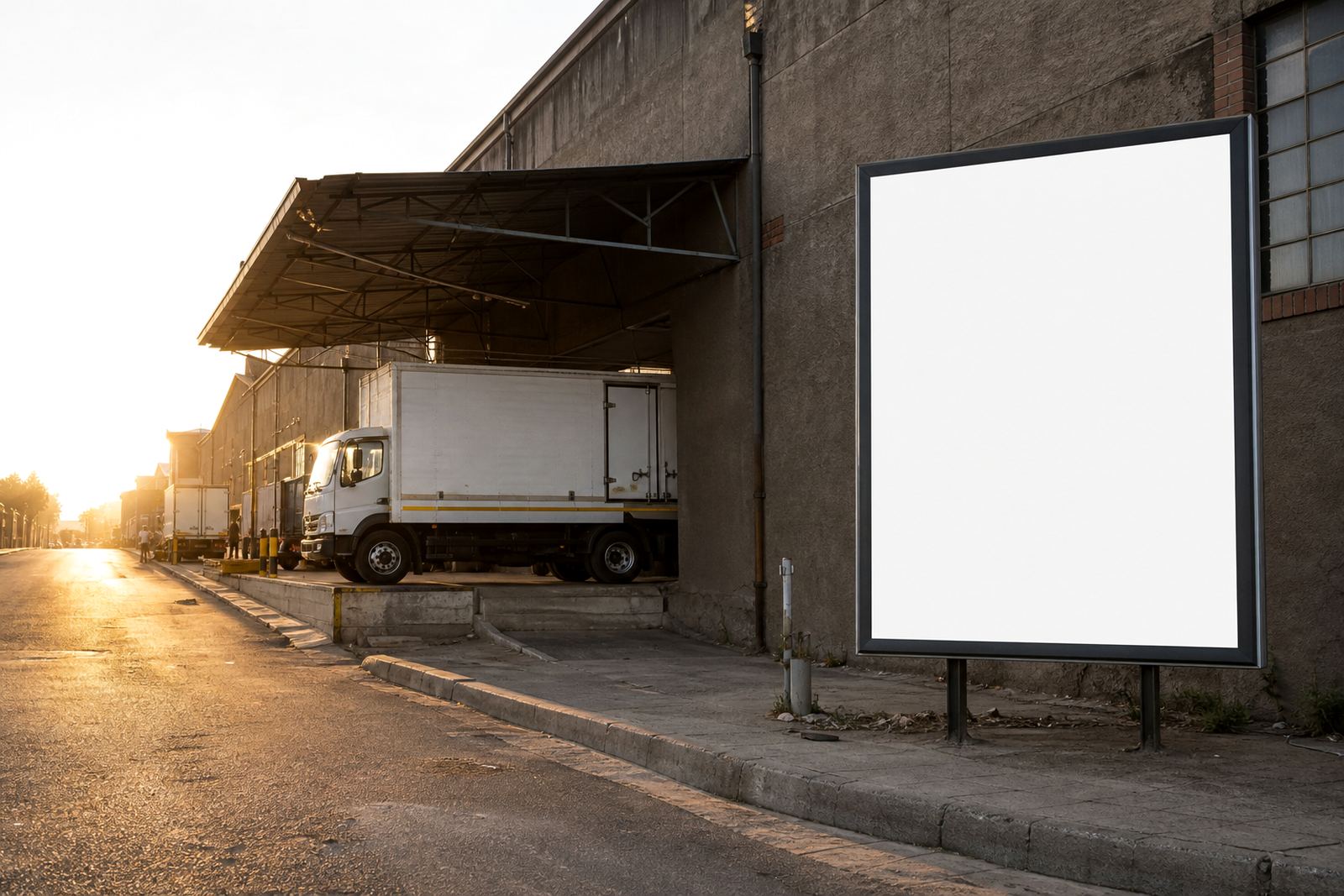
Many listings fail because the pictures do not show enough. A single front view is rarely enough for outdoor advertising. Advertisers want to see how the site sits in the street, what the background looks like, and whether the surrounding area supports visibility. A wall in Midrand can look completely different from one angle than from another, especially if vehicles, trees or nearby buildings interrupt the view.
Copywriting matters just as much as the photos. A short line like “good exposure” or “prime site” tells the advertiser almost nothing. Better wording explains the actual setting: near a junction, close to a retail strip, on a commuter route, or facing a wider open street. That kind of detail helps the advertiser judge whether the site suits a brand awareness campaign or a shorter local promotion. It also reduces back and forth over basic questions.
At RentThisWall, listings work best when the photos and text support each other. If the image shows a wall but the copy talks only about the building, the listing feels incomplete. If the copy claims visibility but the photos do not back that up, trust drops quickly.
Ignoring practical installation details
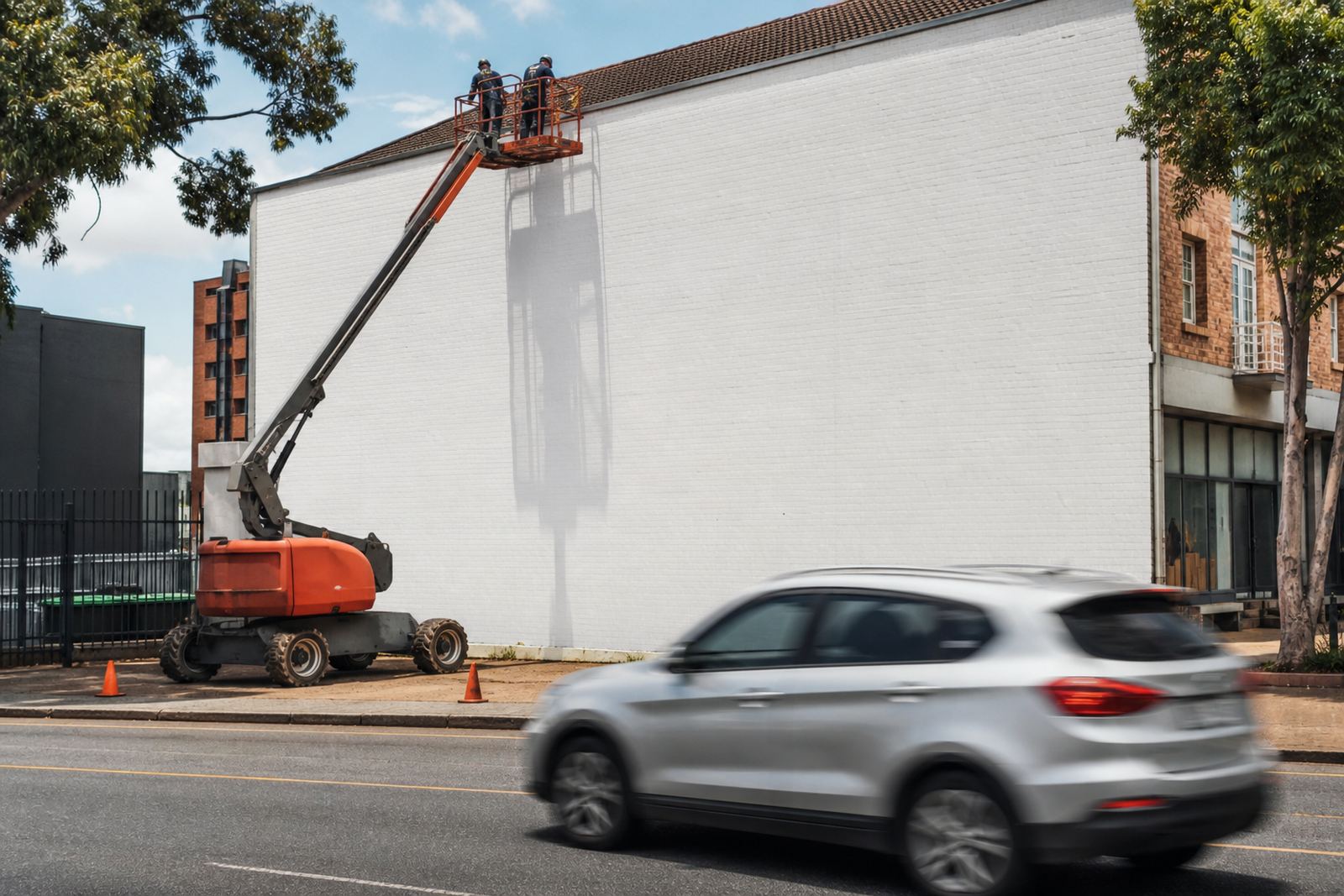
A lot of outdoor space looks usable until someone tries to install on it. That is why practical details should appear in the listing from the start. Is there safe access for installers. Is there enough room for lifting equipment or ladders. Is the surface suitable for the intended fixings. Can the work be done without blocking tenants, pedestrians, or loading areas. These questions matter whether the site is in Johannesburg CBD or a quieter street in Bloemfontein.
Weather also plays a part. Coastal humidity in Durban can affect materials and fixings, while strong sun and wind exposure in open areas can change the type of display that will last. Load-shedding can affect timing for work that depends on lights, gates or internal access points. A strong listing does not need to solve every issue, but it should flag anything that could affect scheduling or maintenance.
- State whether access is from the street, alley, parking area or rooftop.
- Note any time restrictions for installation or maintenance.
- Mention nearby services that may affect work such as security access or closing times.
- Highlight weather or exposure issues that could affect material choice.
Forgetting that advertisers need to match a brief quickly
Advertisers usually shortlist fast. They are comparing areas, formats and practical fit, not just the name of the suburb. If a listing is missing key context, it becomes harder to match to a brief. A space that is ideal for a local service business may not suit a national campaign, and the listing should help guide that decision. The more clearly the space is described, the less time is wasted on unsuitable enquiries.
Matching works best when the listing answers the unglamorous questions first. Who controls the site. What kind of display can fit there. How long it can remain up. Whether it can be renewed. Whether the artwork size has been checked against the wall or board. Those are the details that keep a campaign moving. Without them, even a good location can sit unused.
This is where availability management and listing renewal support become useful. Spaces can change quickly, especially when other tenants, building work, or seasonal promotions affect the site. A current listing helps keep the marketplace clean and saves everyone from chasing expired options.
A Braamfontein example of a cleaner listing
Take a wall space in Braamfontein as an example. A weak listing might say only that the site is visible and available. A better listing says where the wall sits, what it faces, how large the display area is, whether the owner has given consent, and whether municipal bylaw guidance has been checked. It also includes clear photographs, notes on access, and any timing limits for installation. That version gives the advertiser enough information to assess the space properly.
The same approach works across Johannesburg, Pretoria, Cape Town, Durban and Bloemfontein. Clear facts make the listing easier to compare and easier to trust. They also make the booking process smoother for the property owner and the advertiser alike. In the end, the best outdoor listings are not the flashiest ones, they are the ones that leave out the least.
If you want a space to perform well as a listing, think like the advertiser. Ask what they need to know before they can say yes. Then put that information in plain language, with honest photos and a clear process for consent and approval. That is usually enough to turn a slow listing into one that gets taken seriously.