Why nearby placements work for retail campaigns
When a shopper is already heading to a centre, pharmacy, takeaway, salon or bank, the right outdoor placement can reinforce a simple message at the right moment. You are not trying to explain everything in one frame. You are reminding people where to go, what to look for, and how to act quickly once they are in the area.
That is why retail proximity ads are often used for store openings, seasonal offers, short promotions and service reminders. They suit busy streets where people make quick decisions. In places like Braamfontein, Sandton, Midrand or Durban's retail corridors, a sign near the route into shops can work better than a message placed too far away from the point of interest.
Picking the right wall or billboard near a shopping node
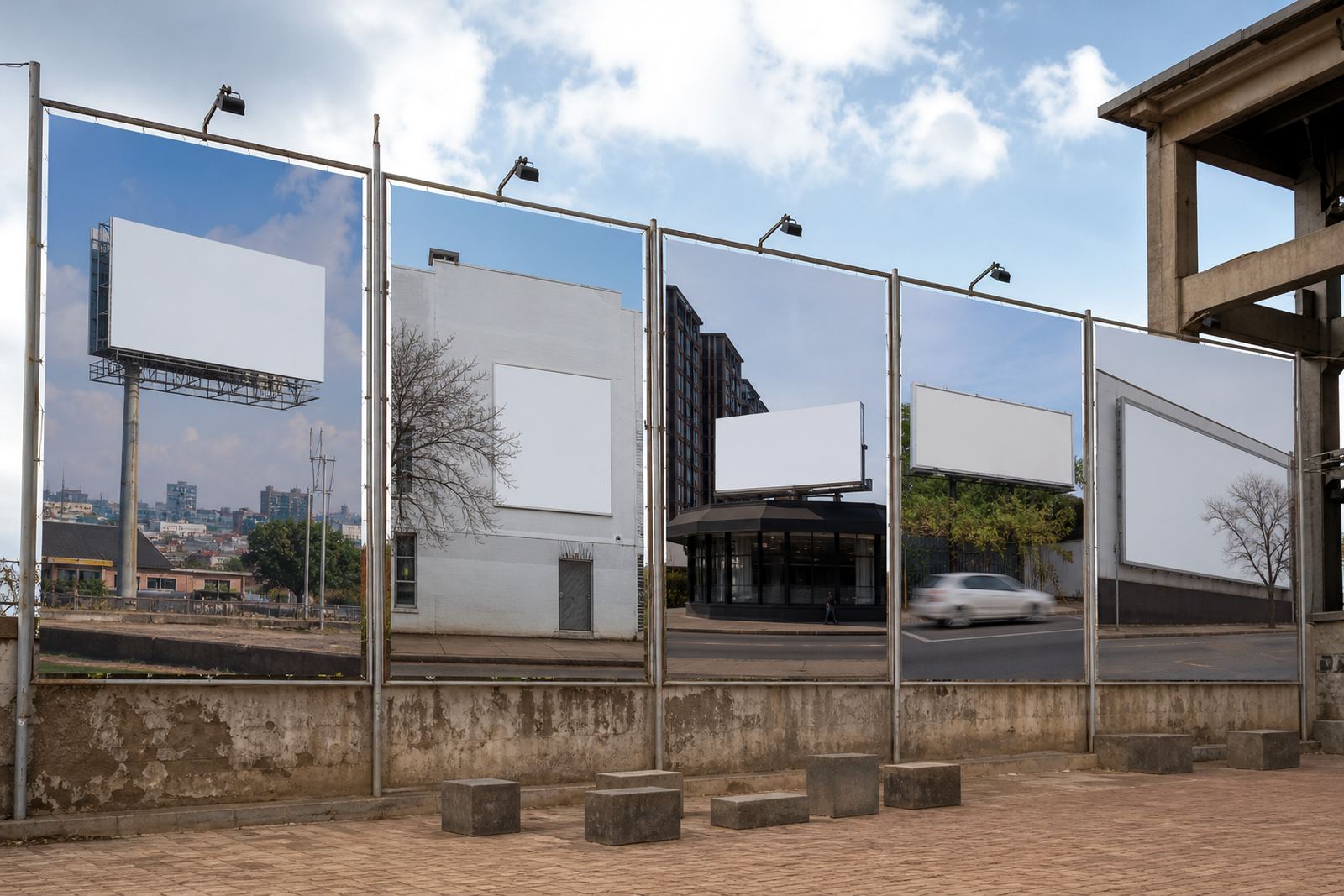
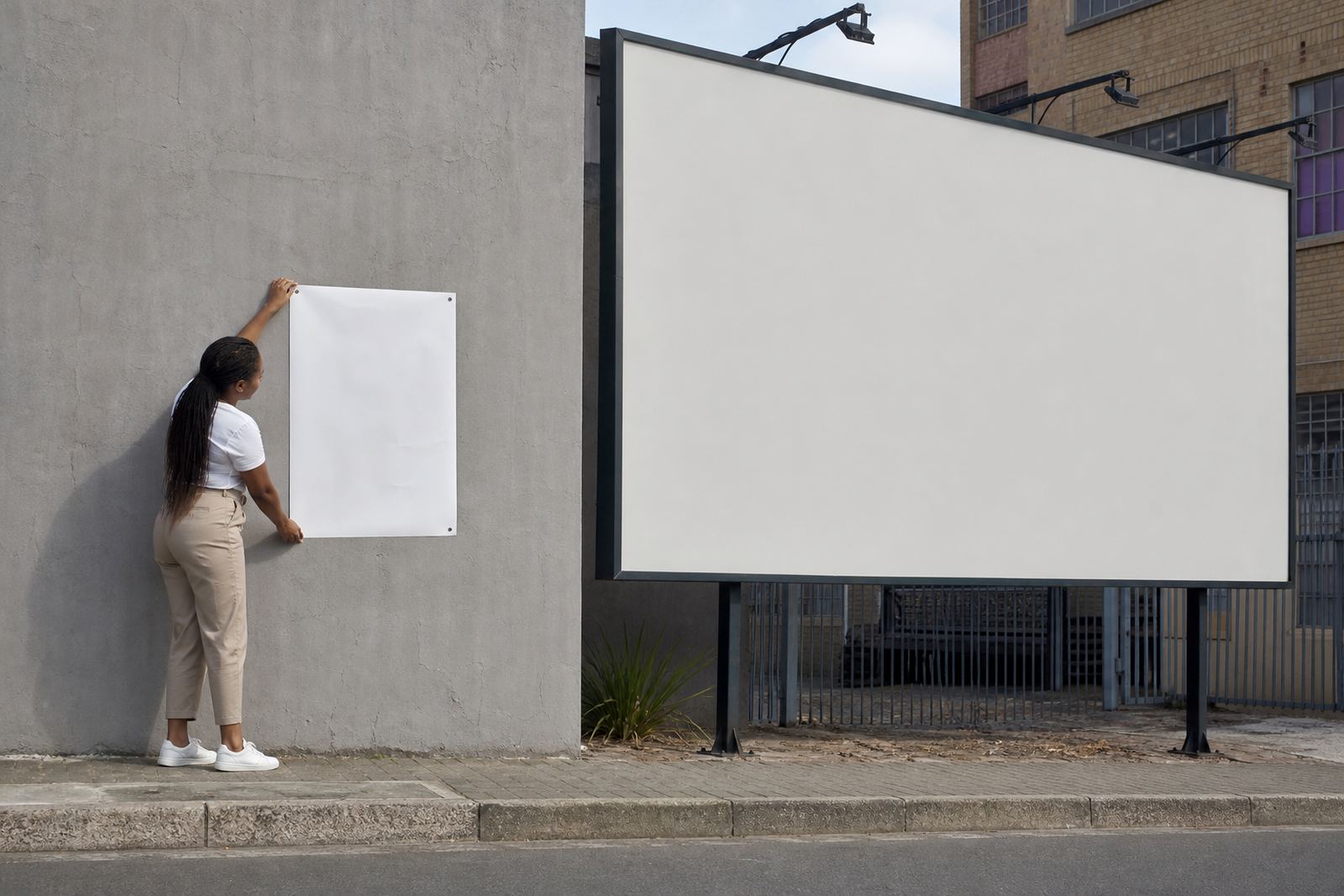
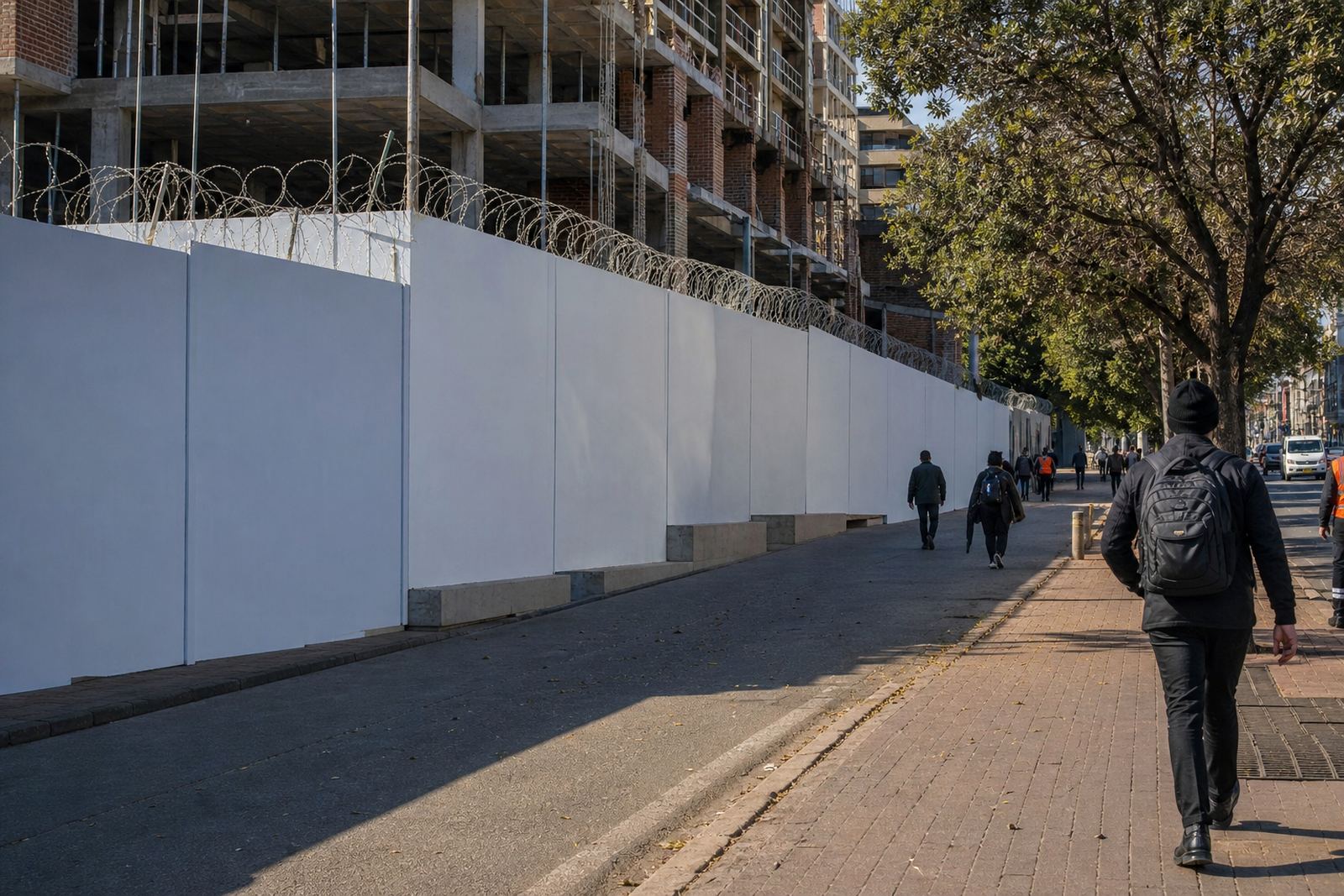
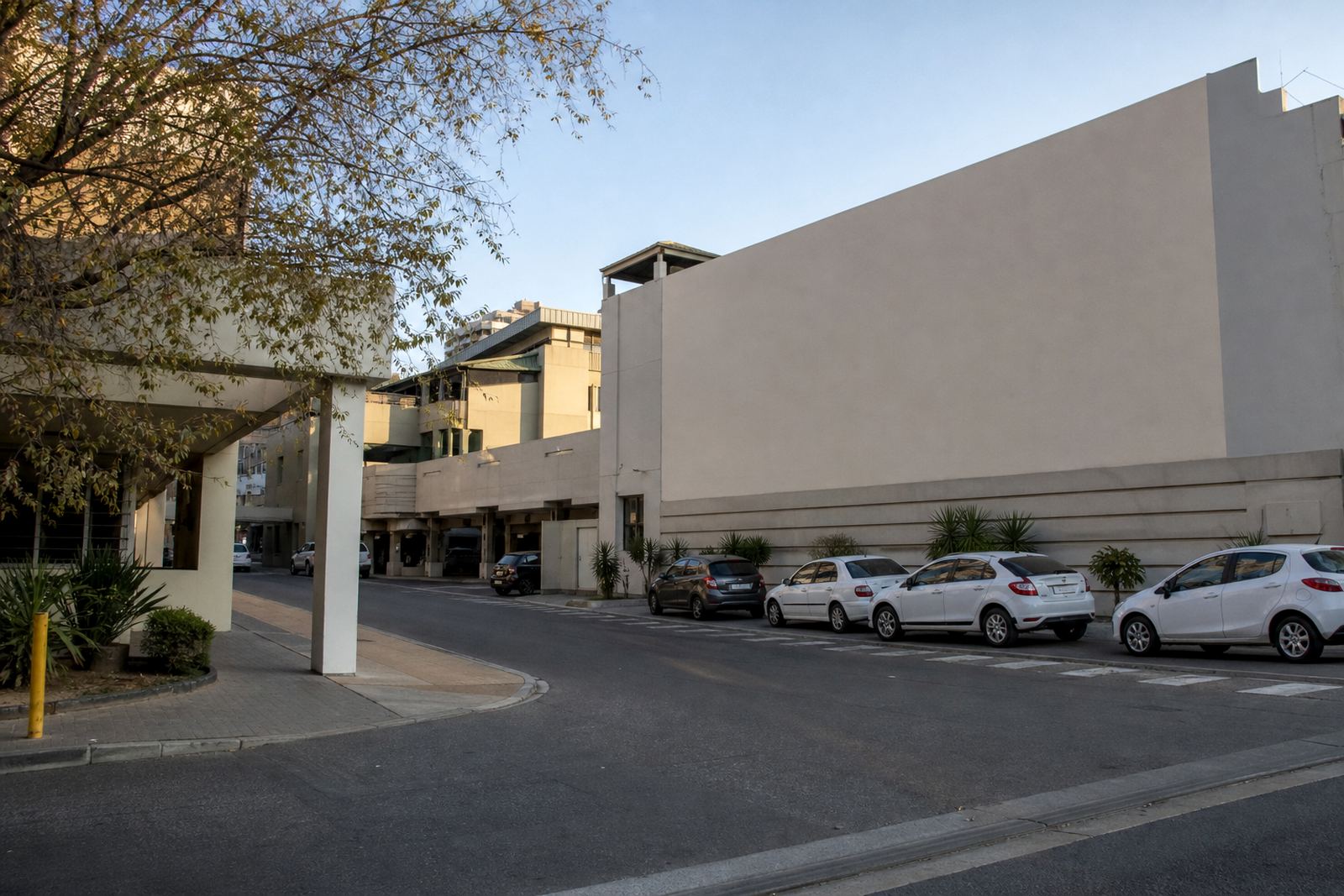
The best site is not always the biggest one. A smaller wall facing steady pedestrian or vehicle movement can be more useful than a large board hidden from view. Look for clear sight lines, simple approach routes and a position that gives your advert enough reading time. Height matters too, especially where vehicles, trees or awnings can block the lower edge.
- Choose a site close to the exact retail area you want to support.
- Check whether the message will be seen by drivers, walkers or both.
- Make sure the surface is suitable for the format and artwork size.
- Confirm if lighting is available for early evening visibility.
- Ask whether the wall is exposed to coastal humidity, dust or direct sun.
In coastal areas such as Cape Town and Durban, weather can affect material choice and maintenance timing. In high sun areas, fading becomes a concern. In busy inner-city locations, the site should also be easy to access for inspection and installation.
What to check before you book a retail proximity site
Outdoor advertising near shops is not only about visibility, it is also about permission and process. The property owner must agree to the use of the wall or billboard space, and the placement must comply with the local municipal bylaw process. That means the site needs the right sign-off before any campaign moves ahead.
It is worth checking the practical details early. If the advert will stay up for several weeks, confirm who handles the booking period, what happens if the property becomes unavailable and whether the artwork has to be adjusted for the final panel size. Small details save time later, especially when a campaign is tied to a store launch or trading period.
- Property owner consent is required before booking.
- Local municipal bylaw approval may be needed for the sign location and format.
- Artwork must match the finished size, viewing distance and installation method.
- Access for installers should be planned around trading hours and security.
- For long runs, ask about renewal dates and availability management.
How retail centres and nearby streets shape the message
Retail districts are different from highway placements. The viewer is usually closer, moving slower and reading with a specific errand in mind. That changes how you write the advert. Short lines, clear directions and one call to action are usually enough. Too much copy can be hard to read in a few seconds, especially where traffic lights, crossings and parked cars break the rhythm.
A message near a shopping centre can point to a category, a store name or a simple offer. A message near a strip of local shops might work better if it supports a service people need today, such as repairs, fittings or quick purchases. If the advert is near public transport or a taxi route, the wording should still be readable from a moving vehicle, not only from the pavement.
Braamfontein example: supporting local trading around a busy urban node
In Braamfontein, retail proximity placements can support the mix of students, workers, visitors and nearby businesses that move through the area every day. A wall facing a route into retail frontages can help a local retailer stay top of mind as people head toward lunch spots, convenience stores or after-work errands. The same approach can also suit nearby areas such as Johannesburg CBD, Sandton and Midrand where short decision-making windows matter.
For a practical campaign, the advertiser should keep the message simple and tie it to the exact action they want people to take. That might be visiting a nearby branch, asking for a service or noticing a seasonal special. The location does some of the work, but only if the message is clean and the artwork is legible from the street. Even one small mismatch between site and artwork can weaken the result.
How RentThisWall supports retail proximity bookings
RentThisWall helps connect property owners with advertisers looking for billboard and wall space across South Africa, including Johannesburg, Pretoria, Cape Town, Durban and Bloemfontein. The focus is on finding a suitable match between site, message and timing, while keeping the process practical for both sides. From initial listing setup to booking coordination, the work is handled with the site details in mind.
Support can include site photo curation, listing copywriting, availability management, brief matching, consent check guidance, bylaw process support, artwork spec check, installation scheduling, campaign monitoring and listing renewal support. That is useful when a retail advertiser needs a quick fit near a centre or shop cluster and wants the steps handled in a clear order. The team in Braamfontein works through the enquiry form on the contact page, which keeps the process tidy and easy to track.
- Space Listing Setup for owners with available walls or boards.
- Brief Matching for advertisers looking for a retail-adjacent position.
- Artwork Spec Check before production and installation.
- Campaign Monitoring for active placements over the booking period.