
Why consent comes before artwork and booking
Outdoor signage is never only about the image on the wall. It starts with permission from the person or entity that controls the property, because the wall, boundary or structure is their asset and the use of that space has to be agreed upfront. Without that permission, even a neatly printed panel can become a problem the moment it is delivered to site.
In practical terms, owner consent sets the tone for the whole job. It confirms that the location can be used, what part of the surface is available, how long the sign may remain up, and who is responsible for access when installers arrive. It also gives everyone a clear record if the campaign needs to change later. A missing consent trail can delay a launch by days or weeks, which is a headache nobody needs when a promotion is time sensitive.
What a proper consent process should cover
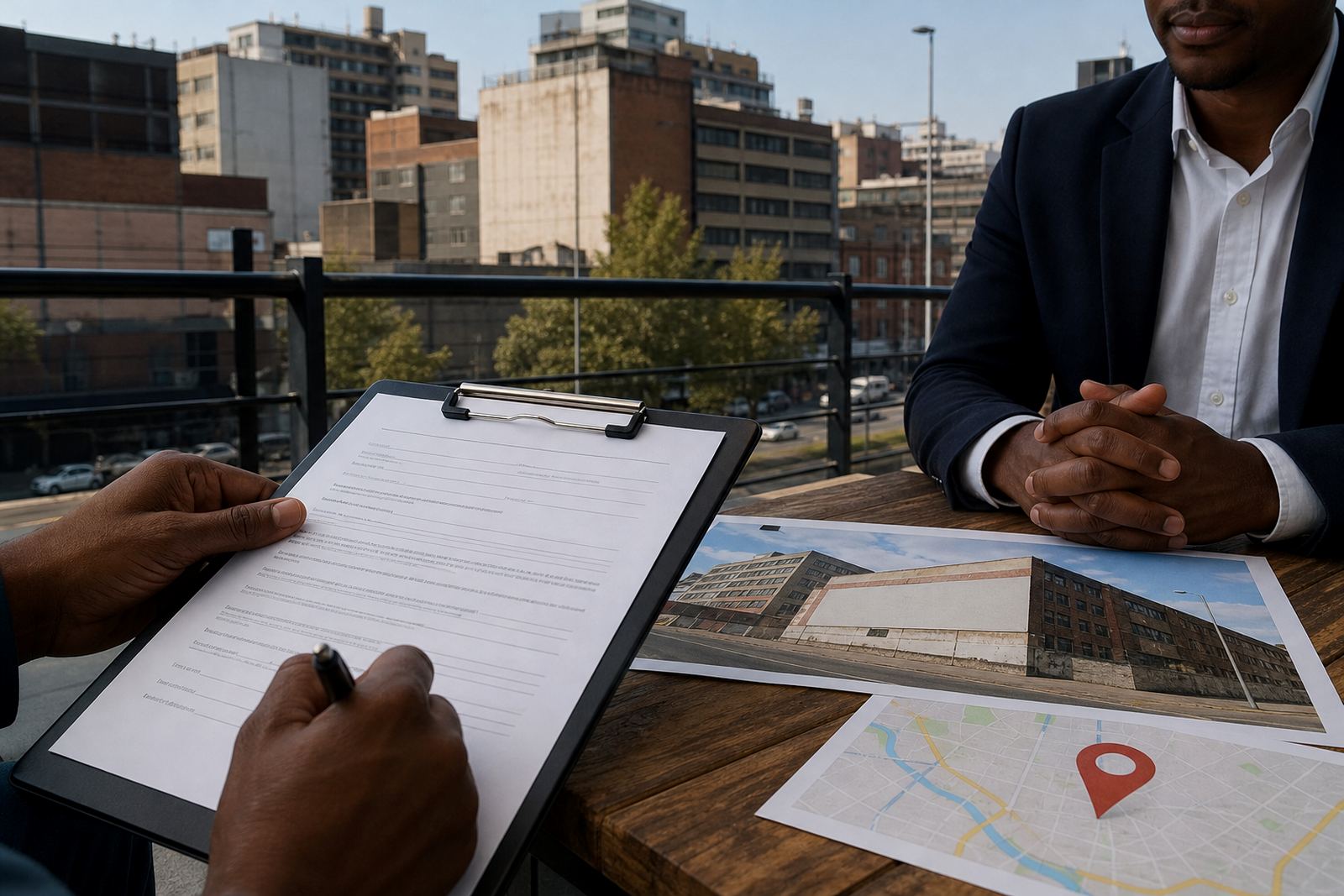
Good consent is more than a nod from a tenant or a quick WhatsApp voice note. It should identify the exact property, the authorised decision-maker, and the section of wall or structure being offered for signage. It should also note whether the sign is for temporary campaign use, a longer rental, or a rotating arrangement with more than one advertiser.
- Written approval from the owner or authorised property representative
- Clear address and site description, including the face of the wall or billboard position
- Agreed display period and start date
- Access arrangements for installers and maintenance teams
- Any site-specific conditions such as safety, lighting or building rules
- Confirmation that municipal bylaw approval may still be required
When these basics are in place, the rest of the workflow is easier to manage and there is less back-and-forth after booking.
Consent and municipal bylaw approval are not the same thing
One of the most common mistakes is to think property owner consent is enough on its own. It is not. A landlord may allow a sign, but the local municipality can still have separate rules about size, placement, illumination, projections, heritage areas or roadside visibility. In Johannesburg, Pretoria, Cape Town, Durban and Bloemfontein, those rules can differ from one area to the next, so the site has to be checked properly.
That is why a good signage plan treats consent and bylaw approval as two different steps. The owner says yes to using the space. The municipality says whether the sign is allowed under the local rules. If either step is skipped, the risk lands back with the advertiser and the property owner. It sounds simple, but it is where many plans go off track.
A Braamfontein example: the corner wall that needed three sign-offs
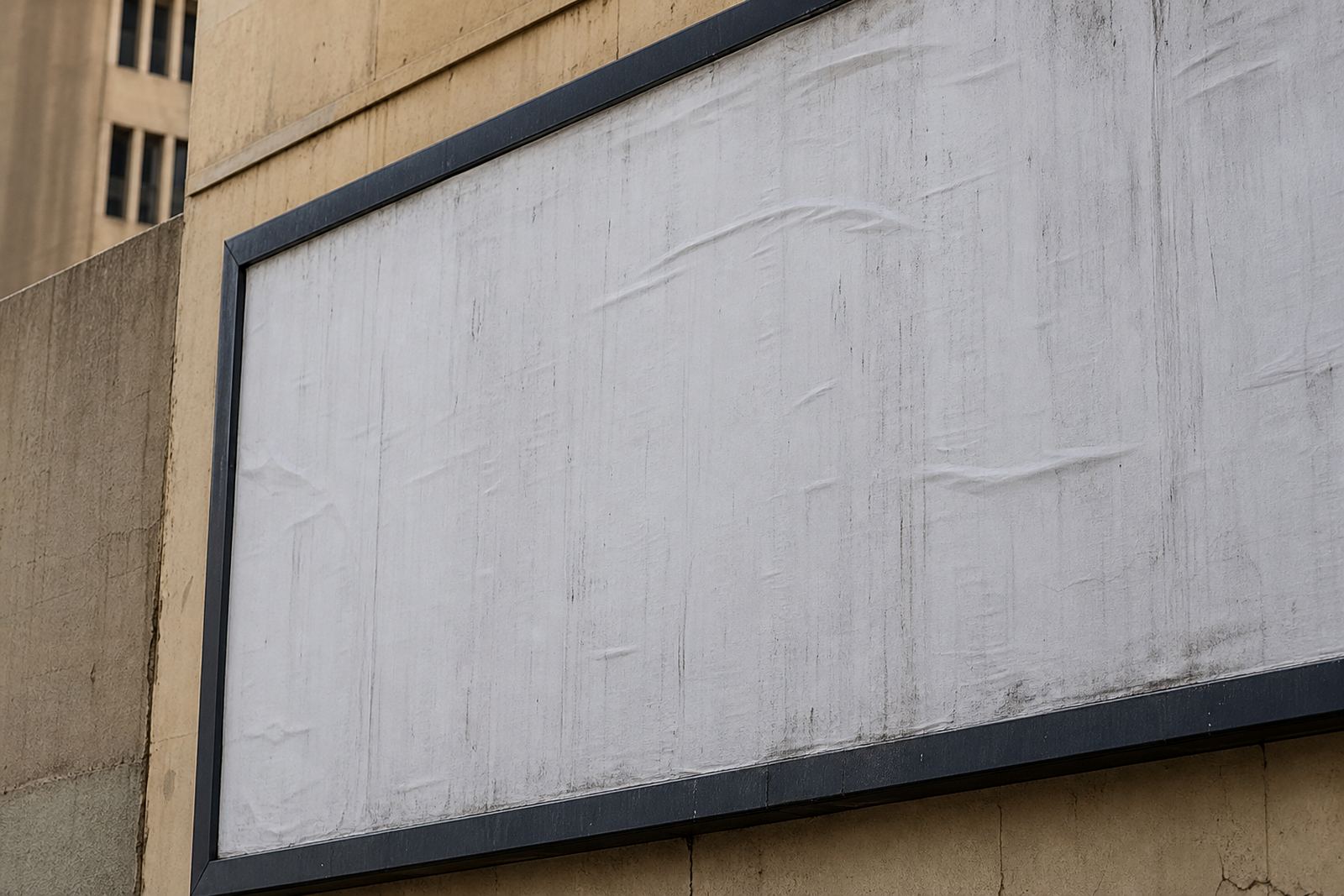
Take a commercial building in Braamfontein with a wall-facing position that looks ideal from the street. The advertiser may see a clean surface and a strong spot for exposure, but the process still has to begin with the building owner or managing agent. If the tenant only controls the interior of the premises, that tenant may not have authority to approve the wall space at all. That detail can be easy to miss, especialy when the location is busy and everyone wants to move quickly.
Once the owner confirms the space, the next check is whether the proposed sign fits the building conditions and local rules. Then the installation schedule can be aligned with access times, security arrangements and any delivery restrictions in the area. This is the kind of practical sequence that saves time, money and a lot of awkward phone calls later.
- Confirm who has the legal right to approve the wall or billboard
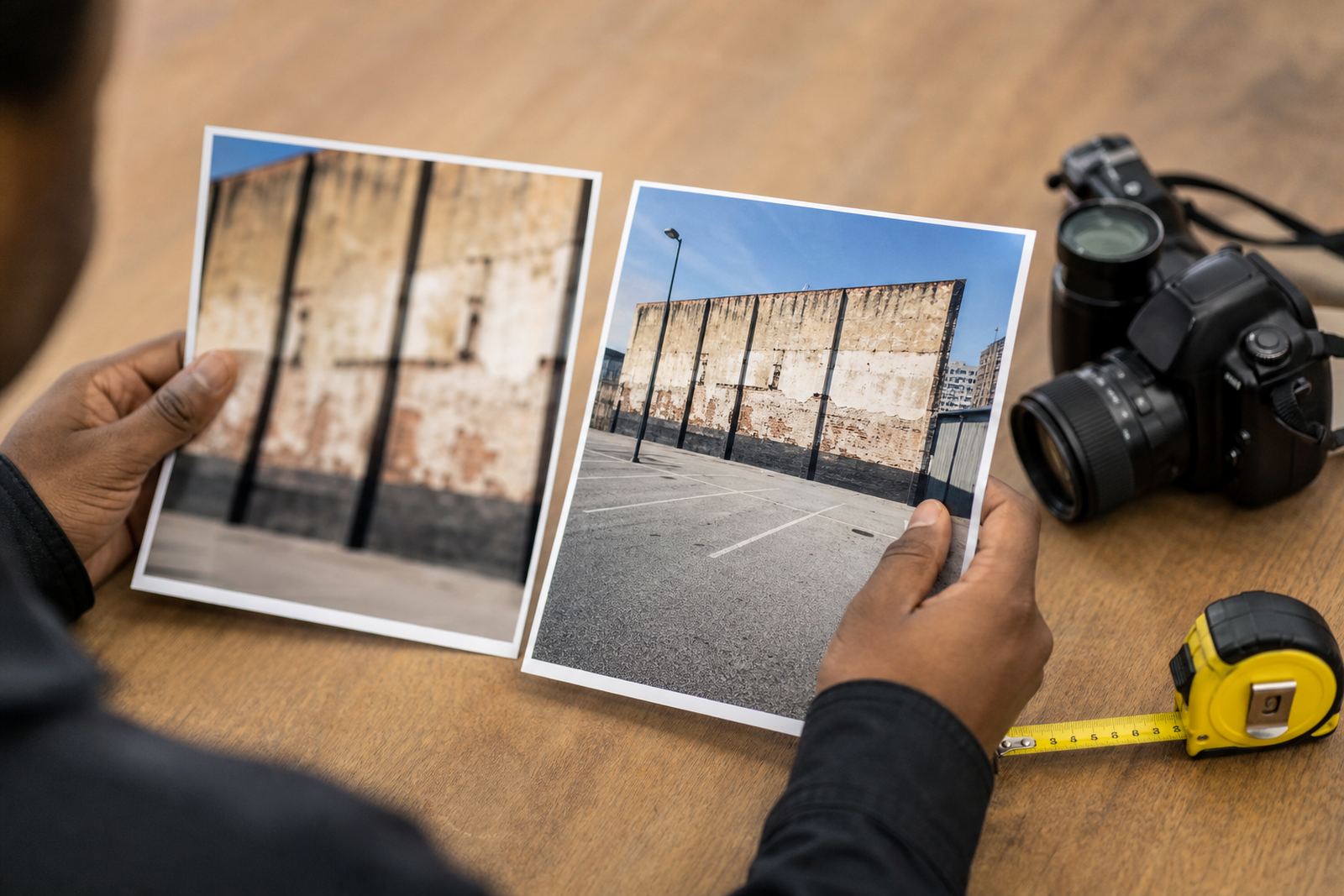
- Check the exact surface, measurements and access points
- Review whether the site needs bylaw approval before installation
- Agree on who handles maintenance if wind, rain or dust affects the sign
Why advertisers should ask for consent details early
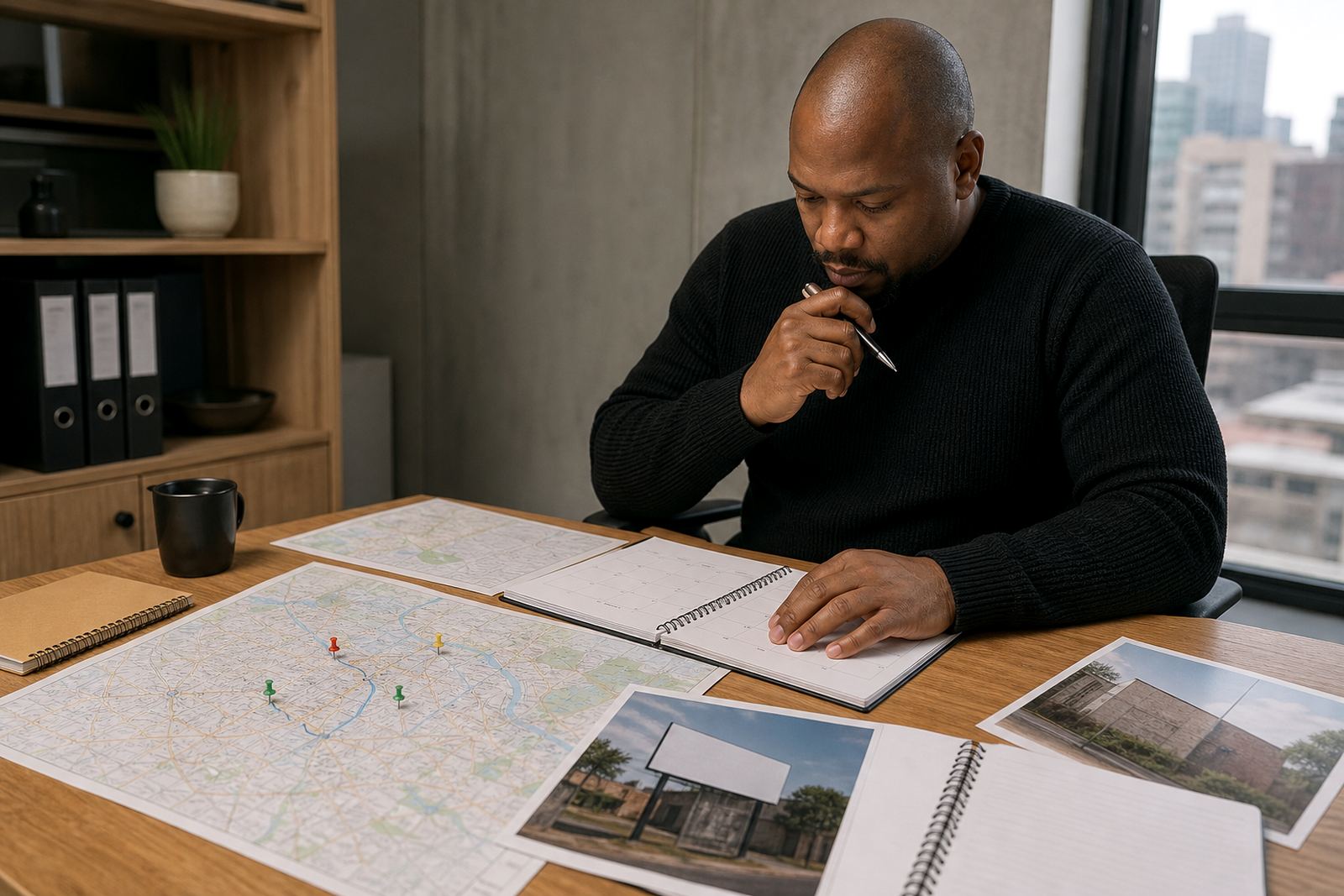
Advertisers often think consent will be sorted out after the site is chosen, but that can leave too little room to correct issues. If the surface is damaged, if the owner is not authorised, or if the municipality requires additional paperwork, the campaign can stall. Asking for consent details early means the artwork, schedule and installation plan can all be matched to the site from the start.
It also helps with risk control. Outdoor signage is exposed to weather, cleaning, repairs and load-shedding related access issues on some properties. In coastal places, humidity can affect materials and fixings, while inland sites may face dust, heat and strong winds. Consent discussions are the right moment to ask who will inspect the site, who can approve changes, and how issues will be handled if the sign needs to be adjusted.
What property owners gain by giving clear approval
For owners, the benefit is not only compliance. Clear approval protects the building, sets expectations with tenants and contractors, and keeps the use of the space orderly. It also gives the owner a proper record of who may access the site, what has been agreed, and what has not been agreed. That matters on busy properties where different parties may assume they have the right to act.
Clear consent also supports better site management. If the owner knows the duration, the fixing method and the contact person, there is less confusion when maintenance teams, cleaners or security need to deal with the sign. Good paperwork is not glamorous, but it prevents small issues becoming expensive ones.
- Reduces disputes over access and use of the surface
- Creates a written record of agreed terms
- Makes future renewals or removals easier
- Helps keep site work aligned with property rules
How RentThisWall helps keep the approval path practical
When a business is looking for billboard or wall-space advertising, the fastest route is usually the clearest one. RentThisWall works with property owner consent guidance, listing checks, and bylaw process support so that advertisers are not guessing about the next step. That includes checking the brief against the site, confirming the availability window, and helping match the campaign to the right kind of space across Johannesburg, Pretoria, Cape Town, Durban and Bloemfontein.
The team in Braamfontein handles the practical side too, from site photo curation and listing copywriting to installation scheduling and listing renewal support. The point is simple: if consent is not in order, nothing else should move ahead. Once the approval path is clear, the rest of the campaign can proceed with far fewer delays and a lot less stress.
For enquiries, businesses can use the contact page form to ask about available space, consent requirements and the next steps for a specific site.