
Why industrial routes suit practical advertising
Industrial routes are different from shopping streets and leisure areas. People passing through them are often on the move for work, collecting stock, making deliveries or heading to depots, factories and service yards. That makes these routes useful for messages that are short, direct and easy to remember.
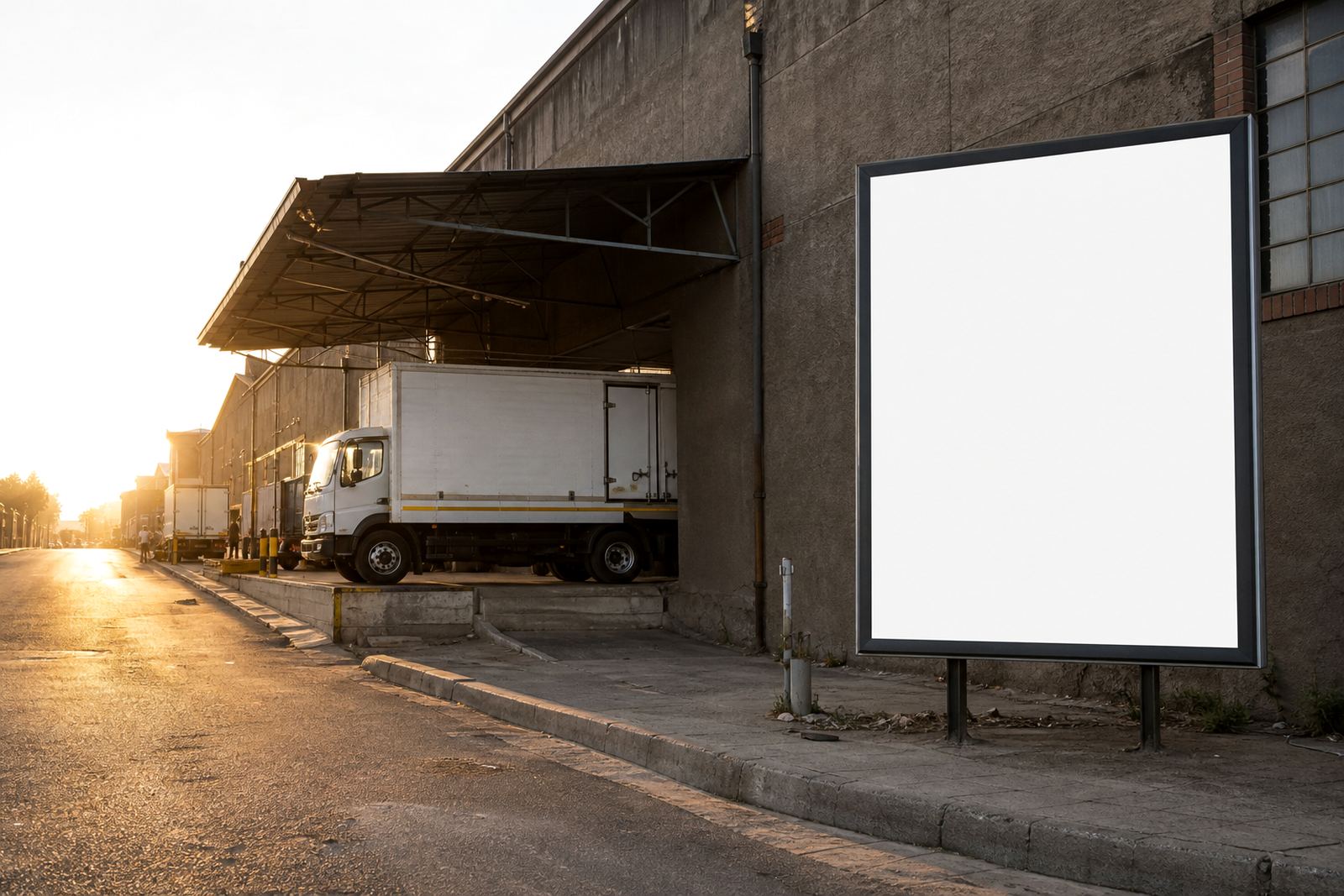
In places like Selby, Benrose, City Deep, Denver, Spartan, Rand Airport, Montague Gardens and Riverhorse Valley, the roadside view is often busy with trucks, panel vans, forklifts in yards and workers coming and going between shifts. A well-placed wall sign or billboard can fit naturally into that setting, especially when the message is about tools, freight, coatings, safety gear, building materials or vehicle services. It is not about loud claims, it is about being visible where the buying decisions happen.
For industrial audiences, simple beats clever most of the time. A clear name, a service line and a strong location cue usually do more work than a long message. That approach also helps when visibility changes with weather, dusk, early mornings and load-shedding related lighting in some areas.
What makes a freight corridor worth considering
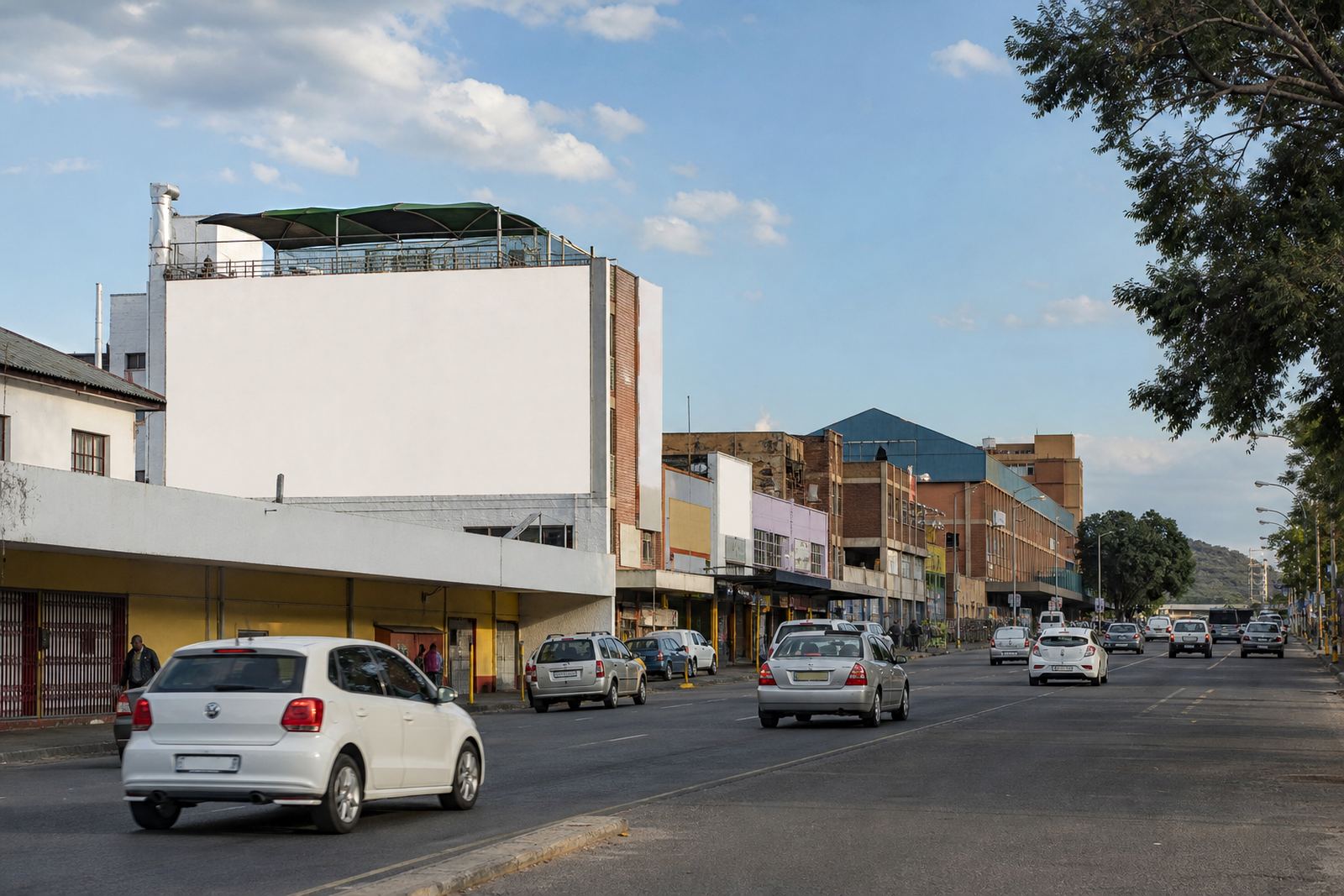
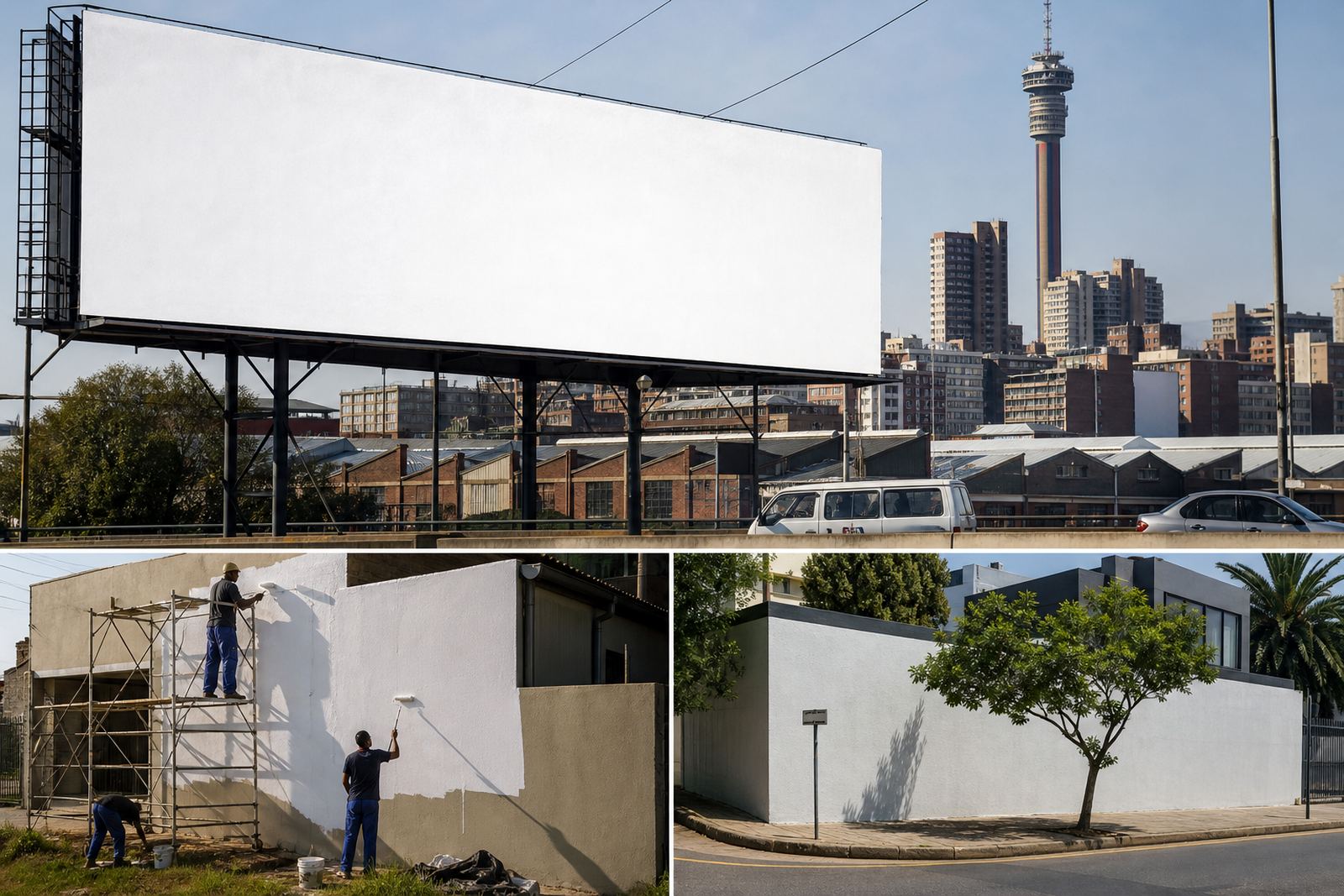
Not every wall beside a busy road is worth advertising on. The best industrial route spaces are the ones that stay visible for long stretches, have open sightlines and are not blocked by trees, parked trucks or boundary walls that hide the face of the sign. Corners, slip roads and access routes to depots can work well when the artwork is planned for quick reading from moving vehicles.
Before booking any outdoor or wall advertising space, the property owner's consent is needed, along with local municipal bylaw approval where required. That matters in industrial areas too, because walls, rooftops and perimeter fences often sit within property boundaries that have their own access rules. If a route crosses more than one municipal area, the approval process can vary from place to place and the lead time can change, so it helps to check early.
Coastal industrial zones also need a careful material choice. In Durban and other humid areas, print finishes, fixings and mounting points should be suitable for moisture and salty air. Inland, dust and sun can be the bigger issue. Either way, an outdoor face that is planned properly tends to stay legible for longer and saves on repeat visits.
Messages that work best near warehouses and depots
Industrial audiences respond well to advertising that solves a problem, saves time or supports operations. Messages do not need a lot of colour or a long slogan. They need to answer a basic question fast: what do you do and why should I care now?
- Supplies for building, maintenance or repairs
- Transport, fleet and vehicle support
- Security, PPE and workplace safety products
- Packaging, storage and pallet services
- Electrical, plumbing and mechanical trade services
- Commercial cleaning and waste handling
It also helps to think about the repeat viewing pattern. A driver may pass the same route each weekday. A warehouse manager may see the same wall from a gate queue or a loading bay. That means consistency matters. Use one message, one service and one call to action. In industrial settings, clutter is easy to ignore.
A Johannesburg example from the freight belt
Take a practical example from Johannesburg. A supplier working around City Deep and nearby freight roads does not need a flashy retail message. A wall sign on a route used by logistics vehicles can speak directly to people who already understand the area and know why fast turnaround matters. The same idea can work near warehouse strips in Jet Park, Meadowdale or Germiston, where route choice is often driven by access, turning space and delivery timing rather than leisure traffic.
In that kind of setting, the sign should be designed for speed. Large letters, a clear contact route and enough contrast to read from a moving vehicle are usually better than decorative graphics. If the wall sits close to a road where trucks idle or turn, the artwork should be placed high enough to remain clear above vehicle roofs and boundary clutter. A sign that is too low can disappear behind parked trailers, and that is a waste of space.
Industrial route advertising also works when a brand wants to look established in a trade area. It is a simple way of saying we service this corridor, we know the pace of this district and we are close enough to respond. That is often more useful than broad national messaging.
How to choose the right wall or board for the route
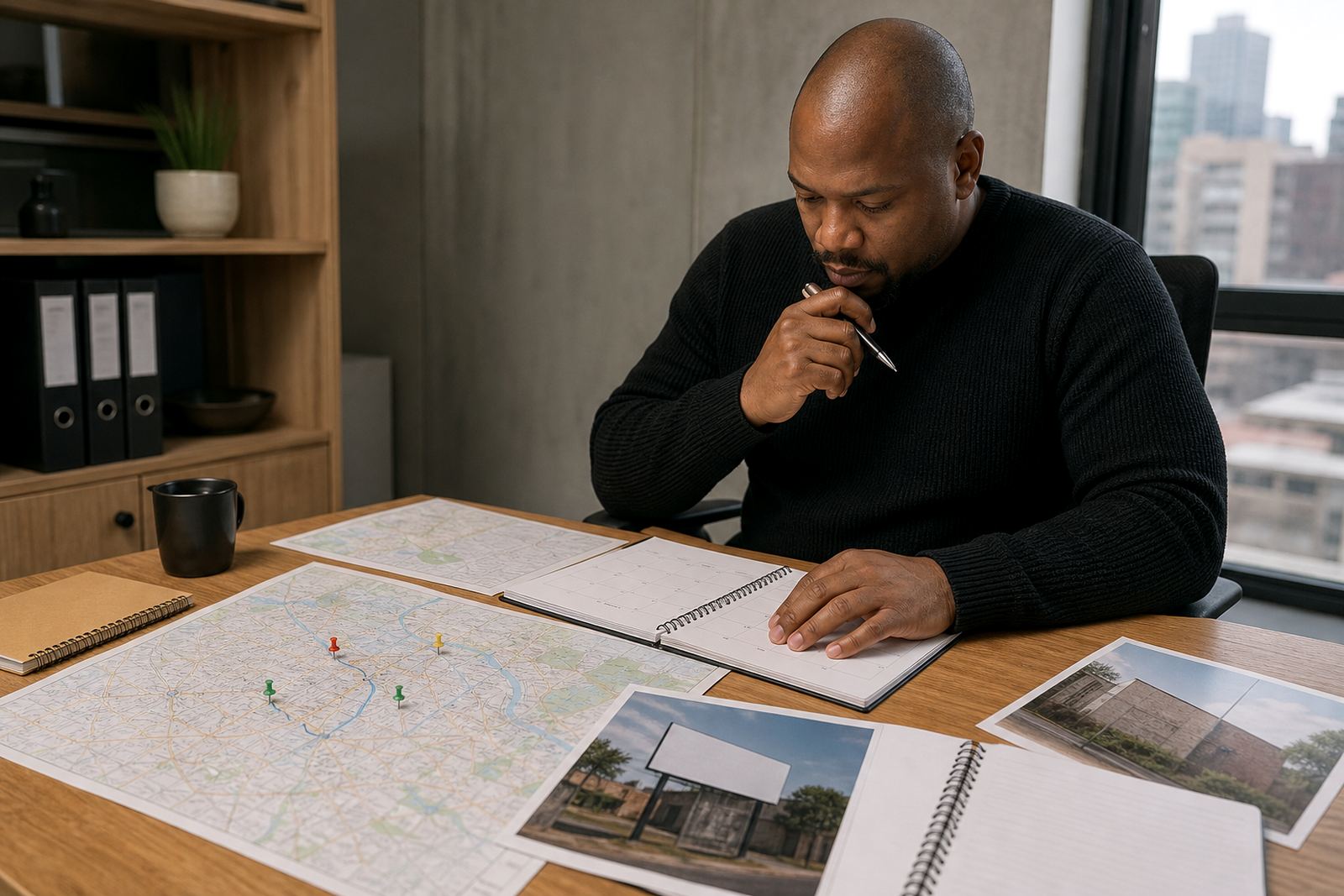
When reviewing listings, look beyond the first photograph. The full site context matters, because an industrial wall can behave very differently depending on where vehicles approach from and how the road bends. Some spaces work best for northbound traffic, others for outbound routes after shift change. Morning glare and late afternoon shadow can also affect readability.
- Check the approach distance from both directions
- Ask whether the face is visible in daylight and at dusk
- Confirm if nearby trees, poles or fencing may block part of the view
- Review whether the wall is exposed to dust, moisture or spray from passing vehicles
- Make sure the property owner has given consent and that bylaw approval is handled before booking
Artwork size should match the site, not the other way around. A huge design on a small face can become unreadable at speed, while a tiny design on a large wall can look lost. If the route is windy, near a coastal edge or beside a rail corridor, the installation plan should also allow for secure fixing and easier maintenance checks.
Why local route knowledge matters in South Africa
Industrial districts in South Africa are not all the same. Johannesburg route patterns differ from Pretoria, and Cape Town industrial access can feel very different from Durban or Bloemfontein. Municipal rules, road layouts and property access arrangements all influence what is possible. That is why a proper listing needs more than a pin on a map.
For advertisers, local knowledge helps avoid poor placements and delays. For property owners, it helps match the space to the right campaign type. A freight road near a storage park may suit a trade message, while a wall near a light industrial strip may suit a supplier or maintenance service. The best fit is usually the one that aligns with the people using that corridor every day.
For RentThisWall, the practical job is to help both sides get the details right: clear site photos, accurate listing copy, availability checks, consent guidance and booking coordination. That way, the space is easier to assess and the campaign is less likely to run into avoidable issues later on.