

Start with ownership and written consent
The first question is simple: do you have the right to list the space? If you own the property, keep proof of ownership and make sure the person handling the listing is authorised to do so. If you are managing a building on behalf of someone else, get written consent from the owner before anything is advertised.
For shared buildings in Braamfontein or Sandton, it is worth checking body corporate rules too. A rooftop wall facing a main road may look ideal, but if a lease clause, title condition or neighbour agreement restricts signage, you need that in writing before you proceed.
- Confirm who may approve the listing
- Keep title, lease or mandate documents handy
- Check body corporate or landlord conditions early
- Record any limits on size, lighting or viewing angles
Check the wall, frontage or roofline carefully
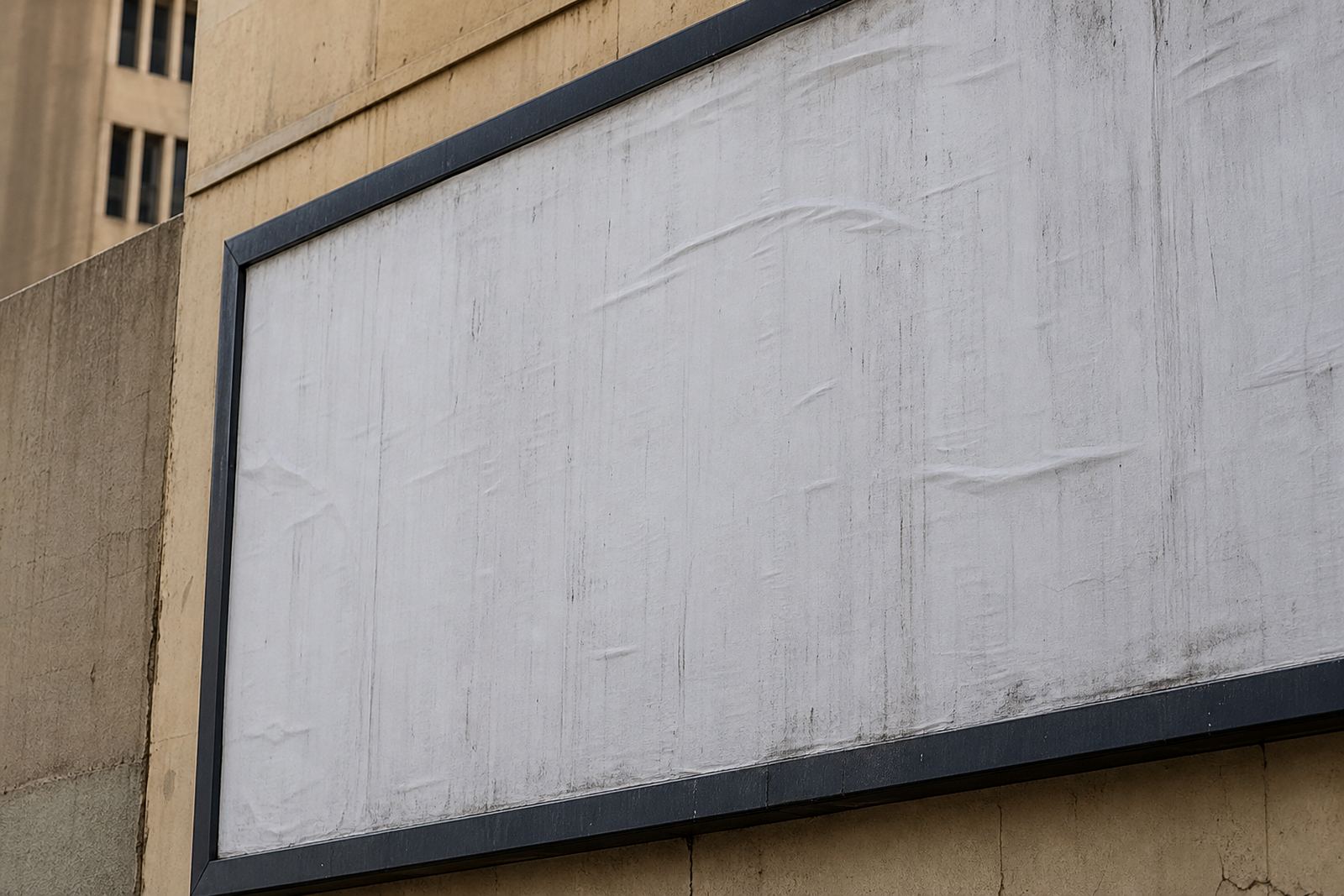
Not every surface is suitable for outdoor advertising. The structure must be sound, the fixing points must be practical, and the view of the space should work from the intended direction of travel. A flat painted wall in Maboneng may suit a banner or painted advert, while a corner site in Pretoria might be better for a frame-mounted display or temporary wrap.
Look for cracks, loose plaster, water damage, rusted rails or fading paint. Coastal humidity in Durban can affect metal fittings, and strong wind exposure near open roads can shorten the life of certain materials. If the site needs repairs before it can be used, sort that out first. It is better to delay a listing than to take on a space that cannot hold up in normal weather.
Prepare photos and measurements that buyers can trust
Good listing information saves everyone time. Take clear daytime photos from the street, from across the road and close up on the actual surface. Include the surroundings so an advertiser can judge visibility, access and possible obstructions like trees, power lines or nearby structures.
Measure the display area properly. Note the height and width in metres, the height from ground level, and any restrictions caused by windows, doors or building edges. If there is a legal illumination point or existing frame, mention that too. Many site enquiries fall flat when the space turns out to be smaller than expected, so exact measurements matter.
- Use daylight photos with no heavy editing
- Show the full face of the wall and the access route
- Record exact dimensions in metres
- Note any overhangs, cables, vents or fixtures
- Capture nearby landmarks so the site is easy to identify
Know the municipal bylaw requirements before listing
Outdoor signage is not just about the property owner and advertiser. Local municipal bylaw approval may also be required, depending on where the site is and how the display will be used. That can include size limits, placement rules, lighting controls, safety requirements and restrictions near intersections or residential edges.
Do not assume a space is usable simply because it is visible from the road. In Johannesburg and other major centres, the rules can differ from one area to another. A site in Braamfontein may need a different process to one in Bloemfontein or Cape Town. If the display will be illuminated, temporary, or fixed in a public-facing position, check the process early and keep copies of the approval documents for your records.
Match the listing to the right kind of campaign
Some properties work best for short-term campaigns, while others suit longer rentals. A wall beside a busy commercial street may be ideal for a seasonal promotion, whereas a building close to a retail corridor may support repeat use if the frontage stays clear. The key is matching the surface and location to realistic use, not overpromising what the site can do.
Think about how an advertiser will use the space. Will they need printed material, painted artwork or a vinyl application? Is there enough time for installation and removal without disturbing tenants? Will deliveries be possible during business hours, or only after hours? These practical details help prevent delays later on.
- State whether the space suits short or longer rentals
- Note if access is limited during peak hours
- Confirm where installers may park or stage materials
- Check if nearby tenants need notice before work starts
Set up a simple process for bookings and monitoring
Once the site is listed, the job is not finished. You need a clear way to manage availability, consent checks, artwork specs and installation dates. If a campaign is approved, make sure everyone knows when the installer arrives, who unlocks access, and what happens if weather delays the work. Load shedding can also affect evening installs or lighting checks, so it helps to plan with that in mind.
After the advert is up, keep an eye on the condition of the space. A torn panel, peeling edge or damaged fixing can create complaints fast. Regular monitoring is useful, especially after heavy rain, strong wind or long public holidays when no one may be on site. For owners in Midrand or Pretoria, a quick drive-by every so often can prevent small issues from becoming expensive ones.
A local example from a practical site review
Picture a building owner in Braamfontein with a clean side wall facing a steady road used by office workers, students and delivery traffic. The wall looks promising, but the owner first checks the title deed, confirms written consent from the managing agent and reviews the city bylaw process. A site inspection shows a few loose patches of plaster and one downpipe running close to the proposed display area.
Instead of listing the space immediately, the owner repairs the surface, takes fresh photos, measures the display area and notes that installer access is best before 8am. That approach means the listing is more accurate, the advertiser knows what they are getting, and the property stays protected. It is a simple process, but it avoids back-and-forth later on.