
Start With What the Camera Is Really Showing
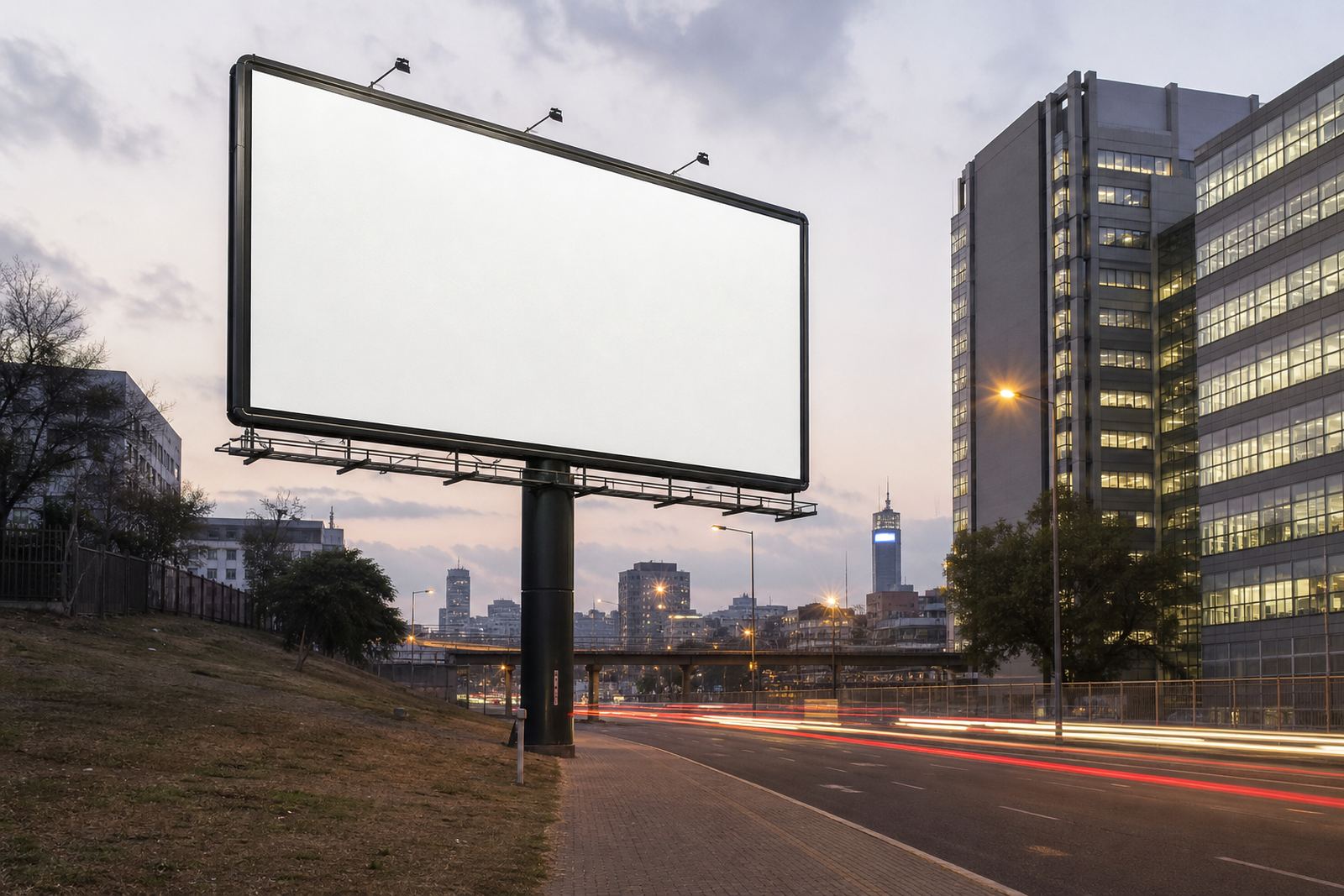
A strong site photo should tell you where the space sits, how it is viewed from the road, and what surrounds it. Do not just look for a clean wall or a big panel. Check the angle of the shot, the distance from the road, and whether the image shows the full face of the structure or only a cropped section that hides problems.
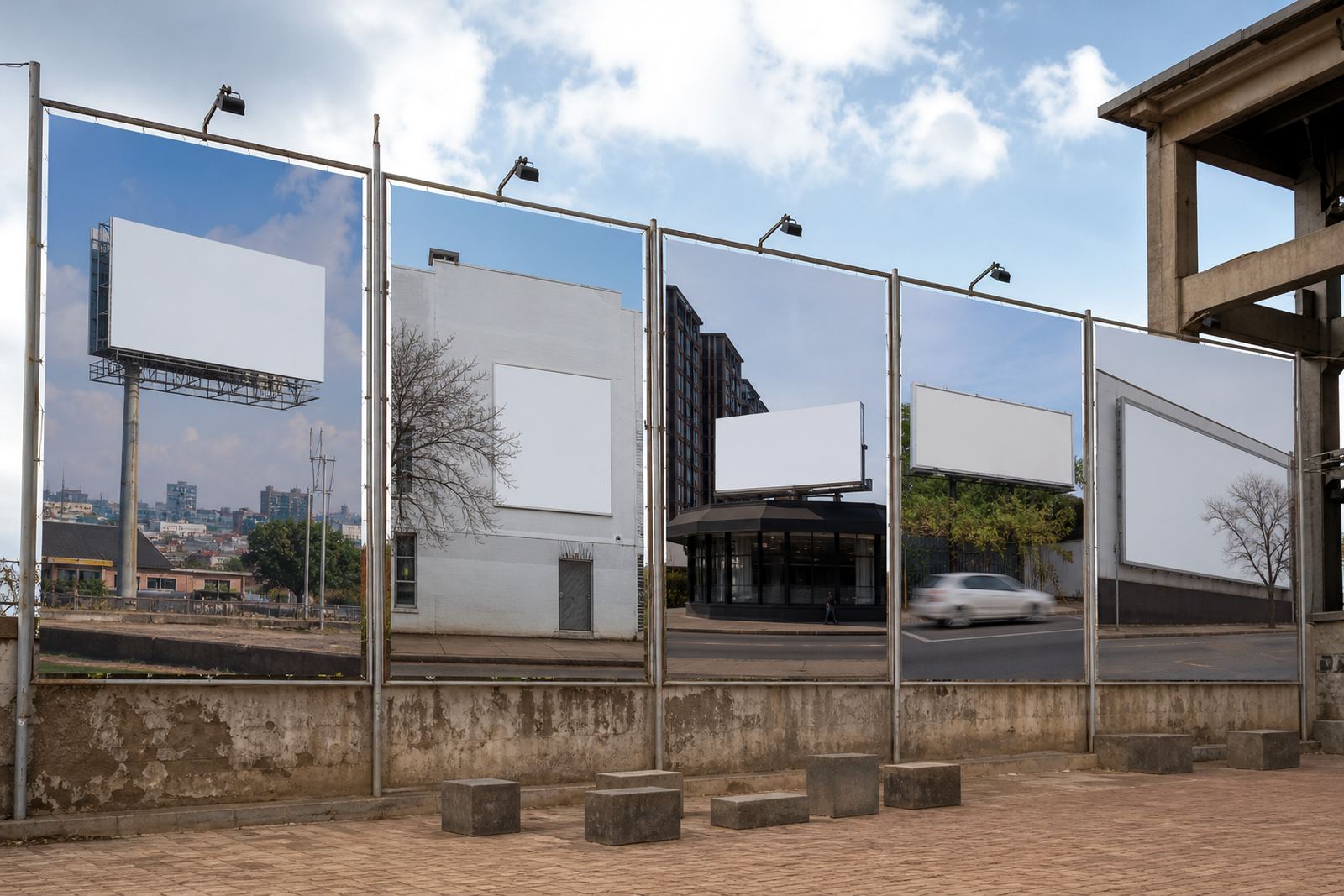
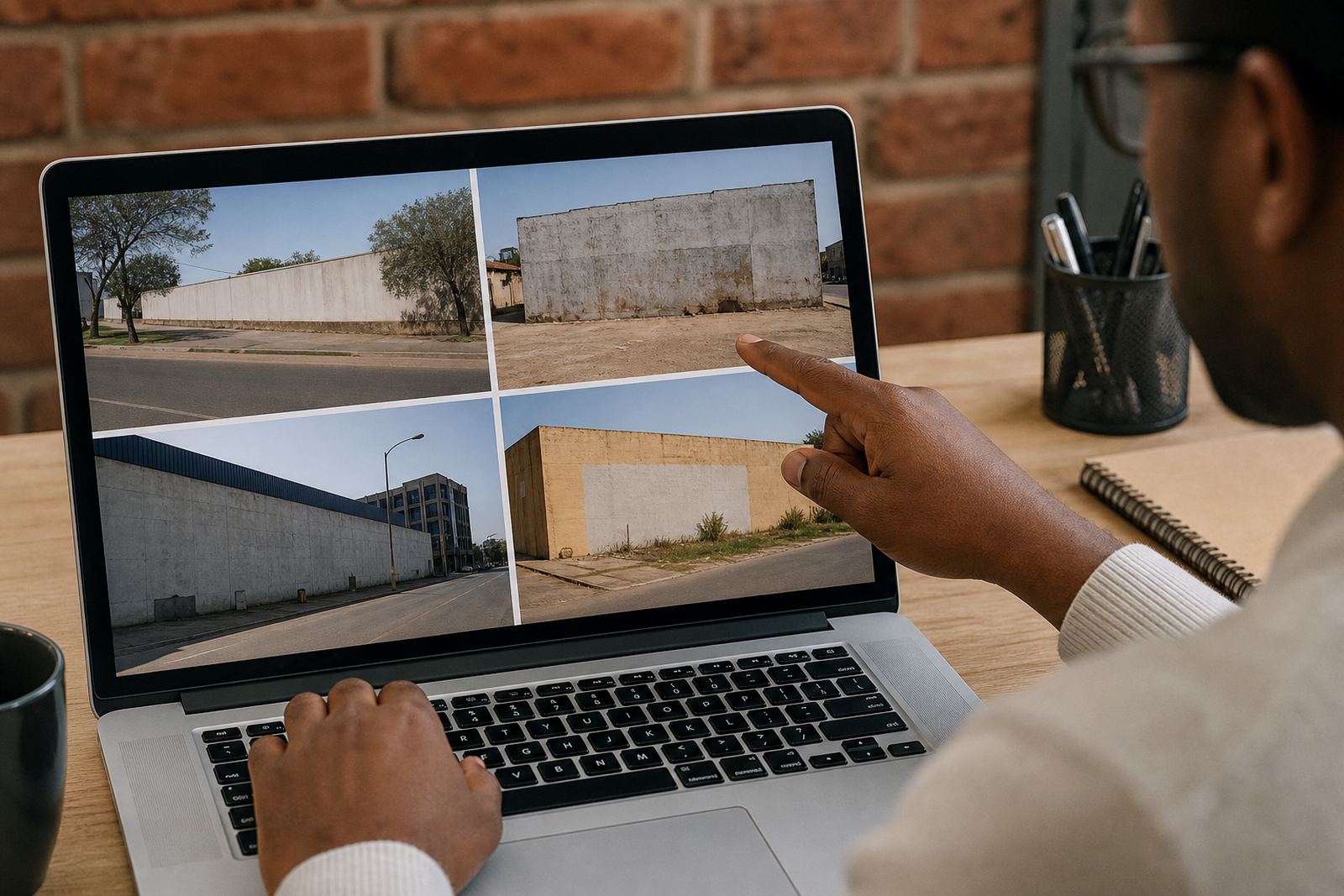
If the listing includes several photos, compare them carefully. One may show the front view, another the side access, and a third the immediate surroundings. Taken together, they should give you a fair idea of whether the location is suitable for your message and format. If the photos are all tight close-ups with no context, ask for more before you go further.
- Look for the full display area, not only a cropped corner
- Check whether nearby trees, poles or buildings block the view
- See if the image gives a sense of road direction and vehicle flow
- Notice whether the site is photographed from a useful angle or only to flatter the space
Read the Surroundings, Not Only the Face of the Site
Outdoor advertising does not sit alone. The buildings, trees, junctions and kerbs around it can affect how clearly people see it. A neat wall in Braamfontein may still be a weak choice if a pedestrian bridge, power lines or a parked row of delivery vehicles gets in the way. A good photo helps you spot those issues early.
In places like Sandton or Midrand, the immediate surroundings can change the value of a site quite a bit. Office parks, shopping streets and transport routes all create different sightlines. In Durban, you may also want to look closely at corrosion, paint wear and water stains because coastal humidity can affect the condition of the surface and the hardware. A photo that shows the surface only after a fresh coat of paint may hide what happens in the rainy season.
- Check for trees that could grow into the line of sight
- Look for overhead cables, poles and road furniture
- Notice whether the wall faces a main approach or is tucked away
- Ask if the photo was taken in daylight and current weather conditions
Spot Signs of Maintenance, Access and Practical Use
Photos should also help you judge whether the site is practical to use. Ask yourself if installers can reach it safely, whether there is enough space for a lift or ladder, and whether the surrounding area looks maintained. If a wall looks cracked, damp or uneven, that may affect the finish and the life of the display. It may also mean extra checks before you proceed.
For billboard and wall-space advertising, maintenance matters just as much as the visible face. A listing photo that includes the back of the structure, access path, or lower mounting area can tell you a lot. If the area looks neglected, with broken paving, water damage or loose fixtures, it is worth asking for more detail. That saves time later when you are planning installation and scheduling.
- Watch for peeling paint, rust, stains or visible cracks
- Check whether installers would have a clear working area
- Look for gates, locked yards or awkward access points
- Ask if the site needs cleaning before artwork is fitted
Use the Photos to Test Fit for Your Message
Not every space suits every campaign. A photo can help you judge whether the size, shape and placement work for your artwork. Long horizontal panels suit some messages, while taller wall spaces can suit others. If the image includes nearby windows, doors or architectural details, measure your expectations against them. What looks large in a small photo may be tighter in real life.
Think about how the site reads at a glance. Can the main message be seen from the likely approach? Is there a clean border around the display area? Is there room for safe installation without cutting across windows, signs or structural details? These are simple checks, but they matter before you enquire and before artwork is prepared.
- Match the photo shape to your layout idea
- Check whether doors, windows or vents interrupt the usable area
- See if the display position leaves enough breathing space around the message
- Ask whether the image shows the exact space or only the building generally
Ask for Consent and Bylaw Clarity Before You Proceed
Good photos are useful, but they are not the final word. Before any signage goes ahead, the property owner must give consent and the relevant local municipal bylaw approval must be in place. A listing photo cannot confirm that on its own. It can however prompt the right questions, especially if the space sits near a busy intersection, on a boundary wall, or in an area with strict outdoor advertising rules.
For example, a wall in Pretoria may look ready in the pictures, yet still need a proper consent check and bylaw process support before installation is scheduled. The same applies in Johannesburg, Cape Town, Durban or Bloemfontein. If the listing does not mention these steps clearly, ask for guidance before committing time to artwork, printing or logistics.
This is where careful photo reading helps. If you can see the site clearly enough, you can ask more specific questions about access, ownership and approval requirements. That makes the booking process smoother and helps avoid delays later on.
A Braamfontein Example: What a Good Listing Photo Tells You
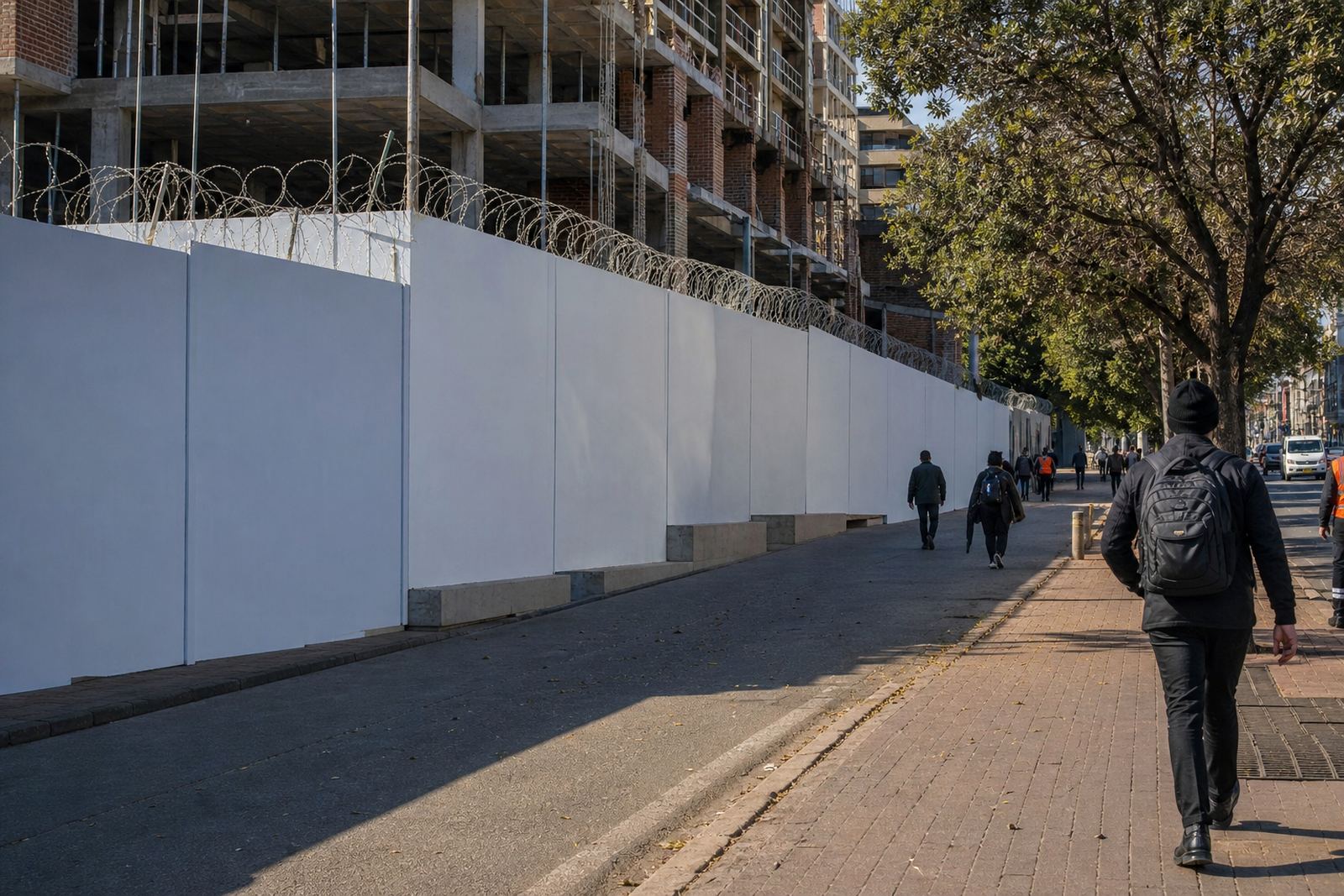
Picture a wall-space listing in Braamfontein near a mixed-use street with offices, student foot traffic and road activity nearby. The first photo shows the full wall, the pavement edge and the building entrance. The second shows the side access, and the third shows the wall from further back so you can judge the viewing angle. That is the sort of listing that helps an advertiser make a sensible first decision.
From those images, you can tell whether the surface is even, whether the approach is clear, and whether there are practical issues such as tight access or nearby signage. You can also see if the site is likely to suit a short campaign or a longer booking with renewal in mind. If a listing gives that much context, you can enquire with confidence and ask the right follow-up questions rather than guessing.
When you are comparing spaces across Johannesburg, Pretoria, Cape Town, Durban and Bloemfontein, look for the same level of detail. The best photos do not just show a wall. They help you understand the real use of the site.