
Why student areas need a different plan
Campaigns around education precincts work best when they are planned around daily movement, not just a map pin. A wall site near a residence, taxi rank or campus entrance can give steady visibility, but only if the message fits the pace of the area and the viewing distance is right.
Students and young adults are often on foot, in taxis, or waiting along routes between class, rentals and shops. That means a good site is usually one that can be read quickly from a moving vehicle or while people are queued, not a space with too much copy or fine detail. In Braamfontein, for example, a wall close to student housing may be seen differently from a large format panel on a wider road in Johannesburg CBD. The context matters just as much as the location.
It also helps to think beyond the campus gate. Transit nodes, convenience stores, copy shops and food spots often carry more consistent movement than a single entrance point. That is where wall advertising can earn its keep, especially when the artwork is simple and the wording is easy to take in at a glance.
Match the site to student movement patterns
Before booking a site, look at how people actually move through the area through the day. Morning traffic may favour one route, while afternoon footfall shifts towards taxis, residences and takeaway spots. A site that feels quiet at 10am can still be useful later in the day if it sits on the right route.
- Map the common paths between residence, campus, transport and retail stops.
- Check whether the wall faces oncoming traffic or side movement.
- Consider how long the audience has to see the message.
- Look at lighting for early evenings, winter months and load-shedding periods.
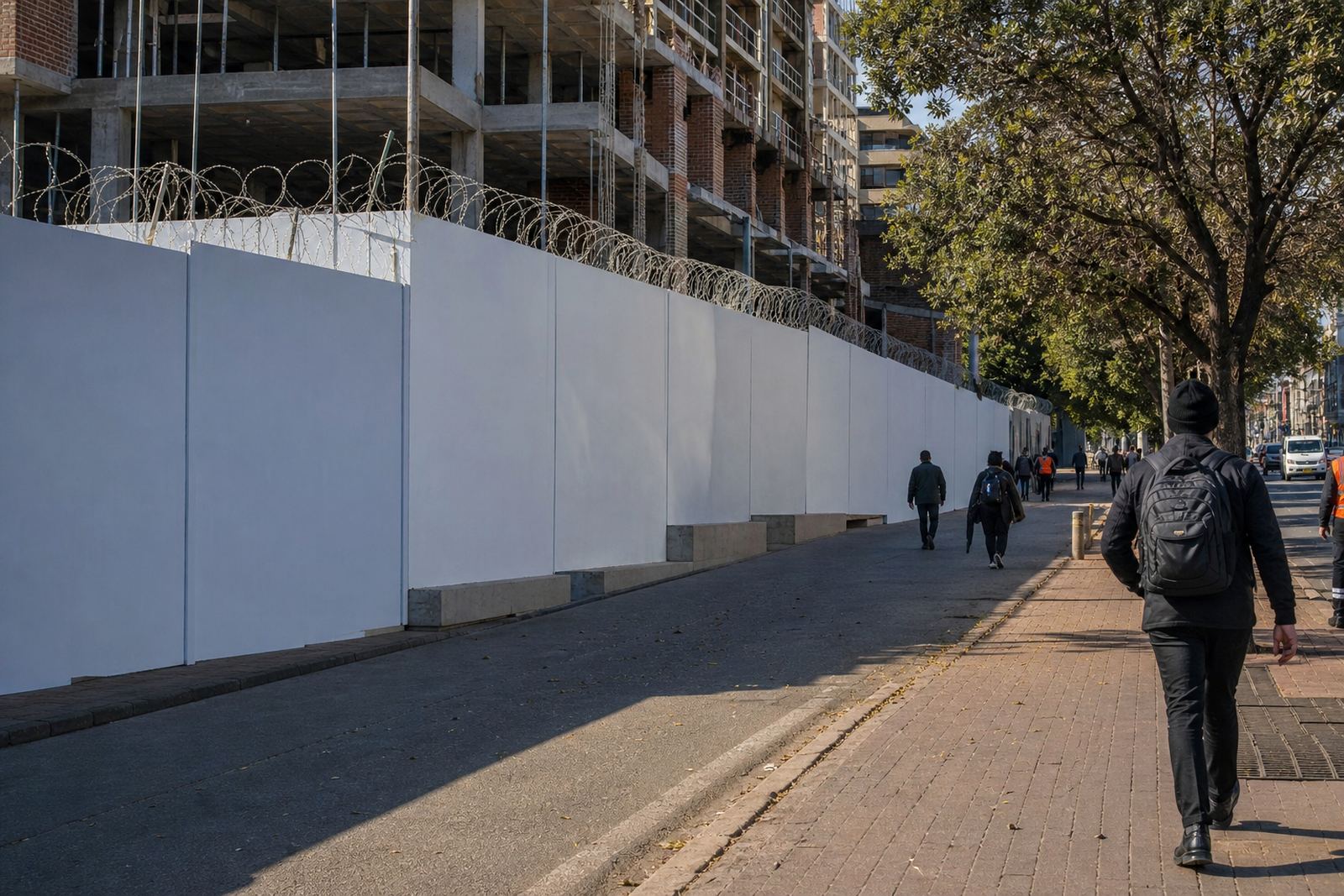
- Confirm whether nearby trees, poles or parked vehicles block the view.
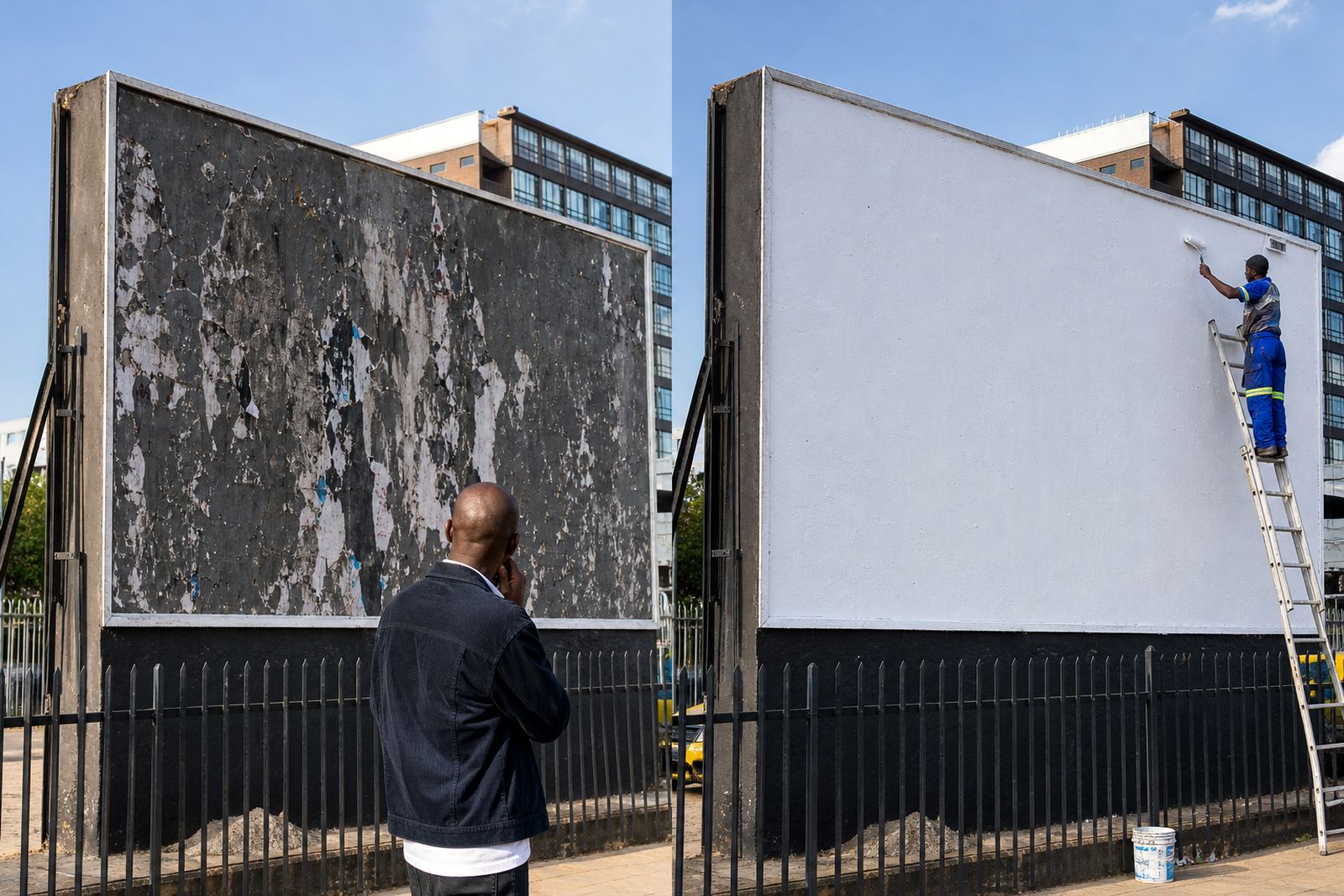
In places like Pretoria and Cape Town, where student movement can vary between suburbs and transport hubs, a site near one busy junction may be better than a larger structure tucked away from the route. In Durban or Bloemfontein, shade, sea air or open exposure can also affect how the site holds up over time, so the physical condition of the wall matters as much as the positioning. A humid coastal site may need more frequent checks for peeling or damp marks, while a drier inland wall can still suffer from dust and glare.
Keep the message short and built for quick reading
Student area campaigns usually work best with a direct headline, one strong offer and a clear call to action. Long sentences get lost. If the site is on a road edge, the message should be understood in a few seconds. If the audience is on foot, the copy can be a touch fuller, but it still needs to be clean and legible.
Artwork should suit the size of the surface. A wall space that looks generous in a photo may have awkward edges, power lines or texture once checked on site. That is why artwork spec checks matter before print. Letter height, contrast and colour choice all affect whether the message lands. Bright colour can help, but only if it does not fight with a busy background or sun glare.
- Use short wording that can be read quickly.
- Keep contact details simple and avoid clutter.
- Choose contrast that holds up in bright sun and after dark.
- Leave enough breathing room around the main message.
- Use one clear action, not three or four competing prompts.
Consent and bylaw checks cannot be skipped
Any wall or billboard space needs the property owner’s consent, and local municipal bylaw approval must be checked before a campaign moves ahead. That is not a formality to leave for later. A site can look ideal, but if the paperwork is not in place, the whole campaign can stall or be removed after installation.
In student-heavy areas this is especially important because many sites sit close to mixed-use buildings, business premises and residential blocks. The owner, tenant and municipality may all have different requirements. Some areas will need extra attention to visibility rules, setback limits or size restrictions, and those details change from one metro to another. A good process saves trouble later, and it helps everyone know who is responsible for access, approvals and timing.
For that reason, consent check guidance and bylaw process support should happen before booking windows are locked in. It is easier to adjust artwork dates than to fix a non-compliant placement after the fact.
Plan around term dates, exams and student cash flow
Campaign timing around education precincts should respect the academic calendar. First term, exam periods, registration weeks and month-end movement all affect how people behave. A brand promoting food, transport, printing, rental services or student essentials may need different timing from a campaign aimed at broader urban audiences.
There is also the question of attention. During exams, students often move with their heads down, carrying bags and trying to get to class or transport quickly. In those weeks, a message near the route needs to be especially clear. After payday or just before a big student event, the same site may carry a different mood. Timing can make a good placement perform better without changing the wall itself.
- Check campus calendars and public holidays before finalising dates.
- Allow time for consent, artwork checks and installation scheduling.
- Build in renewal support if the site is performing well.
- Use campaign monitoring to spot damaged posters, fading or blocked views.
A Braamfontein example with real local pressure points
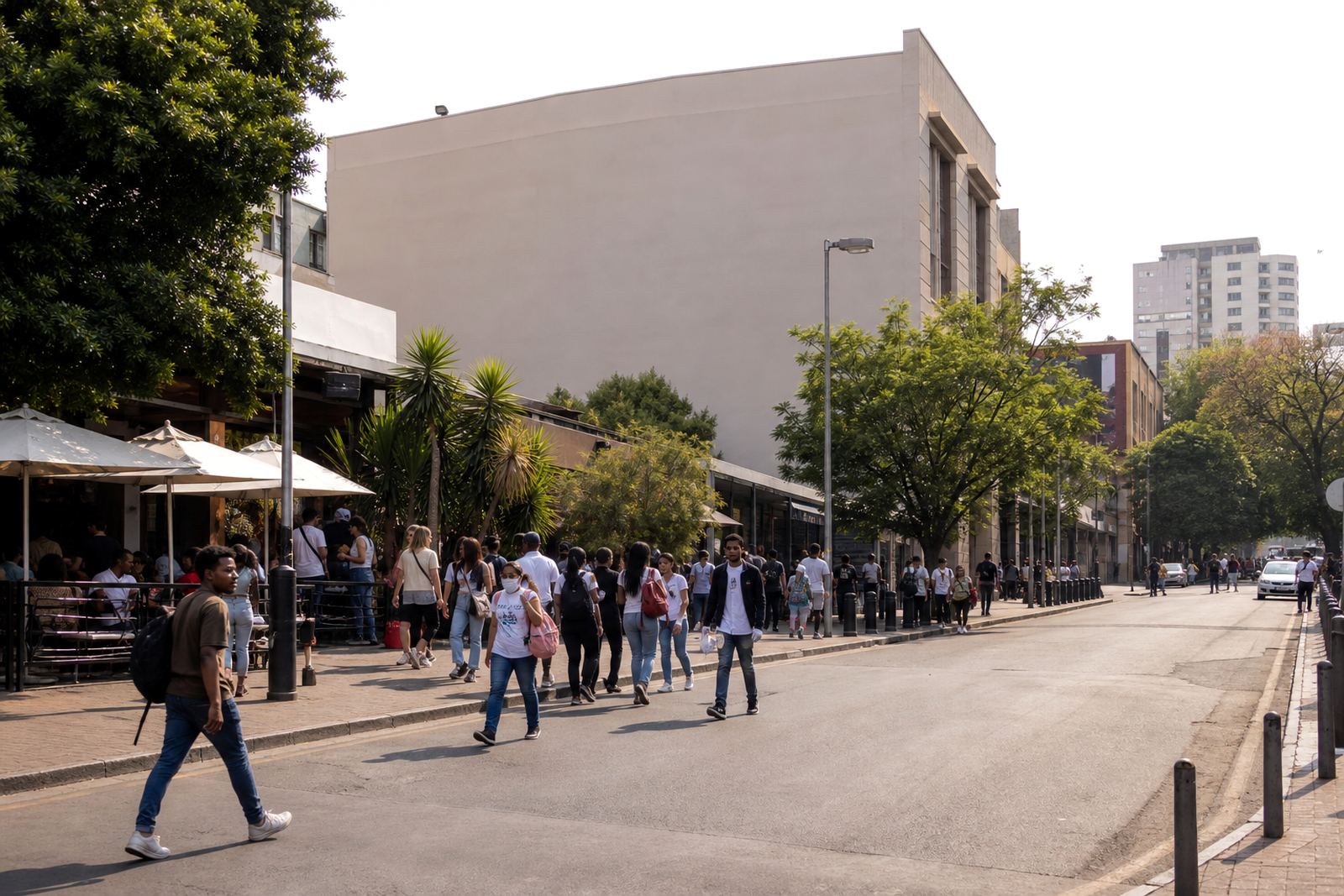
Take a wall site in Braamfontein, close to student housing, small retailers and routes into the inner city. The space may look strong on paper, but the real test is how people pass it on foot, by taxi and between classes. A campaign here needs good visibility at street level, simple copy and a clean finish that can hold up through sun, rain and dust from the road.
Because the area carries mixed use, the consent process matters just as much as the creative. You may need to speak to the property owner early, confirm whether the wall can carry signage and then work through the municipal bylaw steps before anything is installed. If the wall sits near a busy junction, sightlines and access for the installer also need to be checked. In practical terms, that means planning for the weather, the schedule and any building access rules all at once.
That is where listing copywriting, availability management and booking coordination help keep the process organised. A student area campaign is not just about finding a wall. It is about matching the right surface to the route, the message and the permission trail, so the campaign can run properly from the start. Even a simple site can perform well when every step is handled with care, and the local details are right.
What to ask before you book a student area site
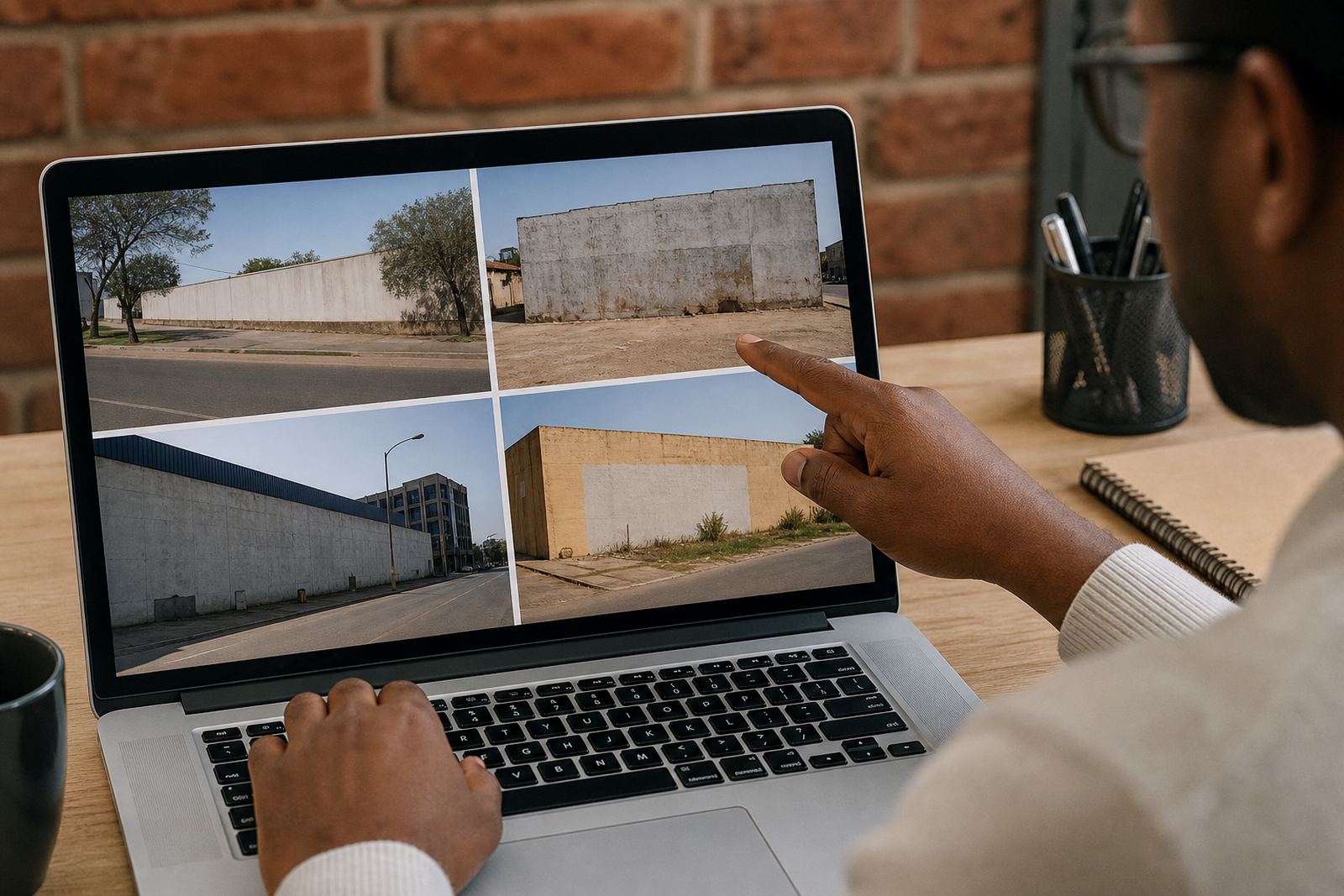
Before confirming a placement, ask for enough detail to judge whether the space suits the campaign. Photos should show the wall from the road, the viewing angle and any obstacles nearby. Availability should be current, not guessed. And the booking process should explain what happens if the site becomes unavailable or needs renewal.
- Is the property owner’s consent in place?
- Has the local municipal bylaw approval been checked?
- What are the viewing distance and angle?
- Are there any surfaces, poles or trees blocking the site?
- What are the installation and maintenance dates?
- Will the listing be monitored for wear or obstruction?
When these basics are handled properly, student area campaigns become much easier to manage. The result is a site that fits the audience, meets the rules and gives the advertiser a fair chance to be seen where it matters.