Why a photo does more than show the wall
For outdoor advertising, a good listing photo does more than show where the space is. It helps an advertiser understand the size of the wall, the viewing angle, the nearby road layout and whether the location suits a short campaign or a longer run. When the image is sharp and well framed, people can assess the site faster and spend less time asking basic questions.
That matters in busy markets like Braamfontein, Sandton, Pretoria and Cape Town where advertisers may be comparing several options at once. If the first image is dark, crooked or too far away, the space can be overlooked even if the location is strong. A clear photo gives the listing a fair chance, especially when the advertiser is working through a shortlist with a tight timeline.
What to capture when photographing a wall or billboard site
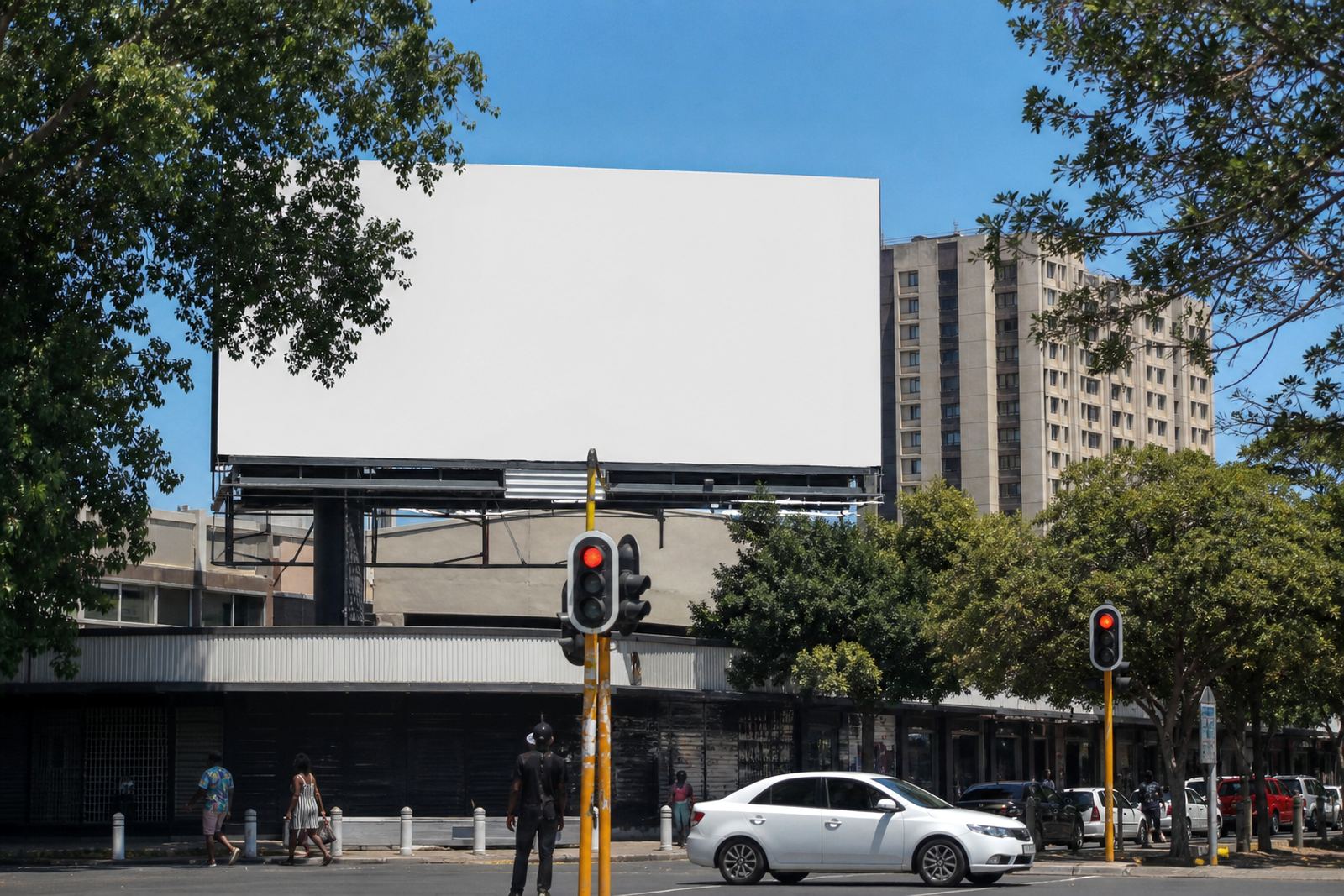
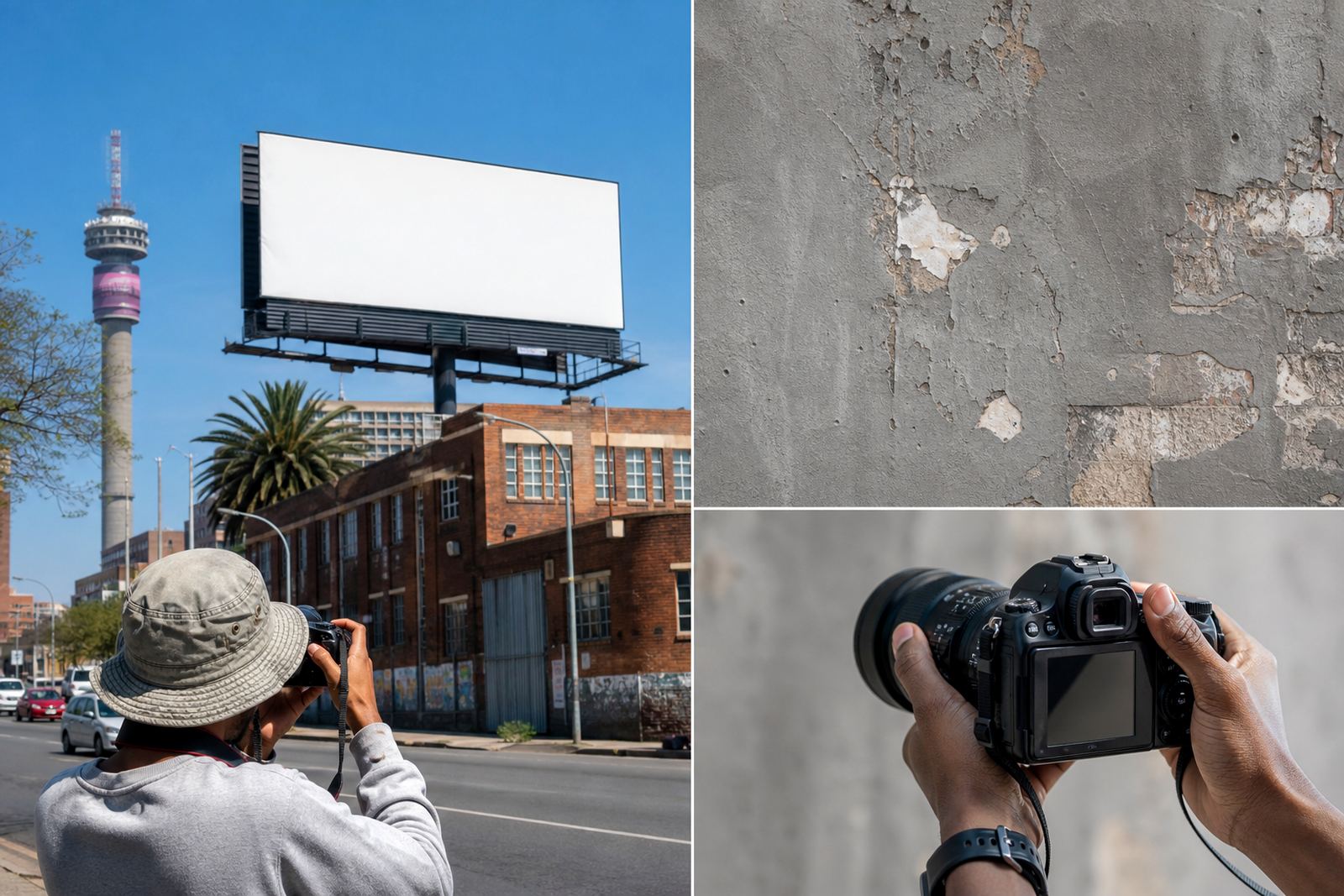
The best listing photos show the site from more than one angle. One image should show the full structure or wall, another should show the approach to it from street level, and a third can give context from across the road or from a wider position. This helps the advertiser see how the space sits in relation to traffic movement, pedestrian flow and nearby buildings.
It is also worth showing anything that affects installation or visibility, such as trees, overhead cables, nearby poles, building corners or uneven surfaces. If the wall is in a coastal area like Durban, it can help to show the condition of the surface and any signs of wear from humidity. In Johannesburg, a site in Braamfontein may benefit from photos that show the foot traffic pattern around the building and the surrounding urban setting.
- Take one clear wide shot and one closer shot.
- Keep the camera level so the wall does not look distorted.
- Use daylight where possible, but avoid harsh glare on painted or reflective surfaces.
- Show the whole mounting area, not only the centre section.
How clear photos reduce delays for advertisers
When images are detailed, advertisers can make quicker decisions about artwork, size and fit. They are less likely to return with extra questions about where the material will sit, whether the space is visible from the intended direction, or if the wall has features that affect the final layout. That saves time for everyone involved, including the property owner and the listing team.
Clear photography also supports better campaign planning. If the advertiser can see that a wall is narrow, high set or partly shaded at certain times, they can decide earlier whether to proceed. For spaces that need consent and local municipal bylaw approval, having accurate photos from the start helps reduce surprises during the booking process. It is always better to discover a practical issue before the artwork is prepared, not after.
- Photos should reflect the current condition of the site.
- Avoid old images if the surrounding area has changed.
- Include any access points that may affect installation scheduling.
- If the site is visible from multiple directions, show each relevant side.
Why local context matters in South African cities
Outdoor advertising is not viewed in the same way everywhere. A wall in Bloemfontein may sit in a calmer street setting, while a site in Midrand or Pretoria East may face a busier road environment with different sightlines. In Cape Town, strong wind exposure or changes in light can affect how a location should be photographed. A useful listing image gives that local context without needing long explanations.
It also helps to photograph the site at a time of day that shows the real conditions. Early morning light may be best for some spots, while late afternoon gives a better sense of shadow on others. If the area is affected by load-shedding, a daytime image is often more useful because it shows the space as advertisers will actually see it during working hours. Small details matter, because they shape how the listing is understood.
Practical photography tips for property owners
Property owners do not need specialist equipment to provide useful site photos. A steady phone camera is usually enough if the frame is kept clean and the image is taken with care. The main goal is to show the space honestly and in focus, with enough detail for an advertiser to assess it properly. A quick walk around the site before taking photos can help identify the best angle and avoid clutter in the frame.
Before photographing, check whether parked vehicles, refuse bins, temporary signage or maintenance items are blocking the view. If the wall is on a busy street, it may help to take the shot from a safe position and then add a second image from a slightly wider point. The idea is not to make the site look perfect, but to make it easy to understand.
- Take photos in landscape format for wider sites.
- Clean visible dirt or loose items where possible.
- Capture any neighbouring structures that may affect visibility.
- Include a photo that shows the space in relation to the street.
How better images support the full listing process
Good photography supports every step after the listing goes live. It helps with listing copywriting, availability management, brief matching and booking coordination because the team has a clearer picture of what is actually on offer. When the images are accurate, consent check guidance and bylaw process support can move more smoothly too, since the site details are easier to review.
For RentThisWall, better site photography is not just about presentation. It is part of making outdoor and wall advertising more practical for both sides. Advertisers want to know what they are booking, and property owners want to present their space properly. When the image does its job, both sides can move ahead with less back-and-forth and a clearer understanding of the site.
A simple example is a wall in Braamfontein near a busy pedestrian route. If the photo shows the full wall, the access side and the surrounding street context, an advertiser can quickly judge whether the space fits their plan. If the photo is cropped too tightly or taken from the wrong angle, the same wall may be hard to assess, even if it is a suitable location.