Campaign brief for a seafront-facing consumer push
This project came from a consumer brand that needed outdoor exposure in Durban, with the focus on people moving between the beachfront, retail stops and nearby transport routes. The brief was straightforward: secure visible wall and board placements that suited a short campaign window, keep the artwork legible from a moving vehicle and make sure every location was suitable for the type of message being shown.
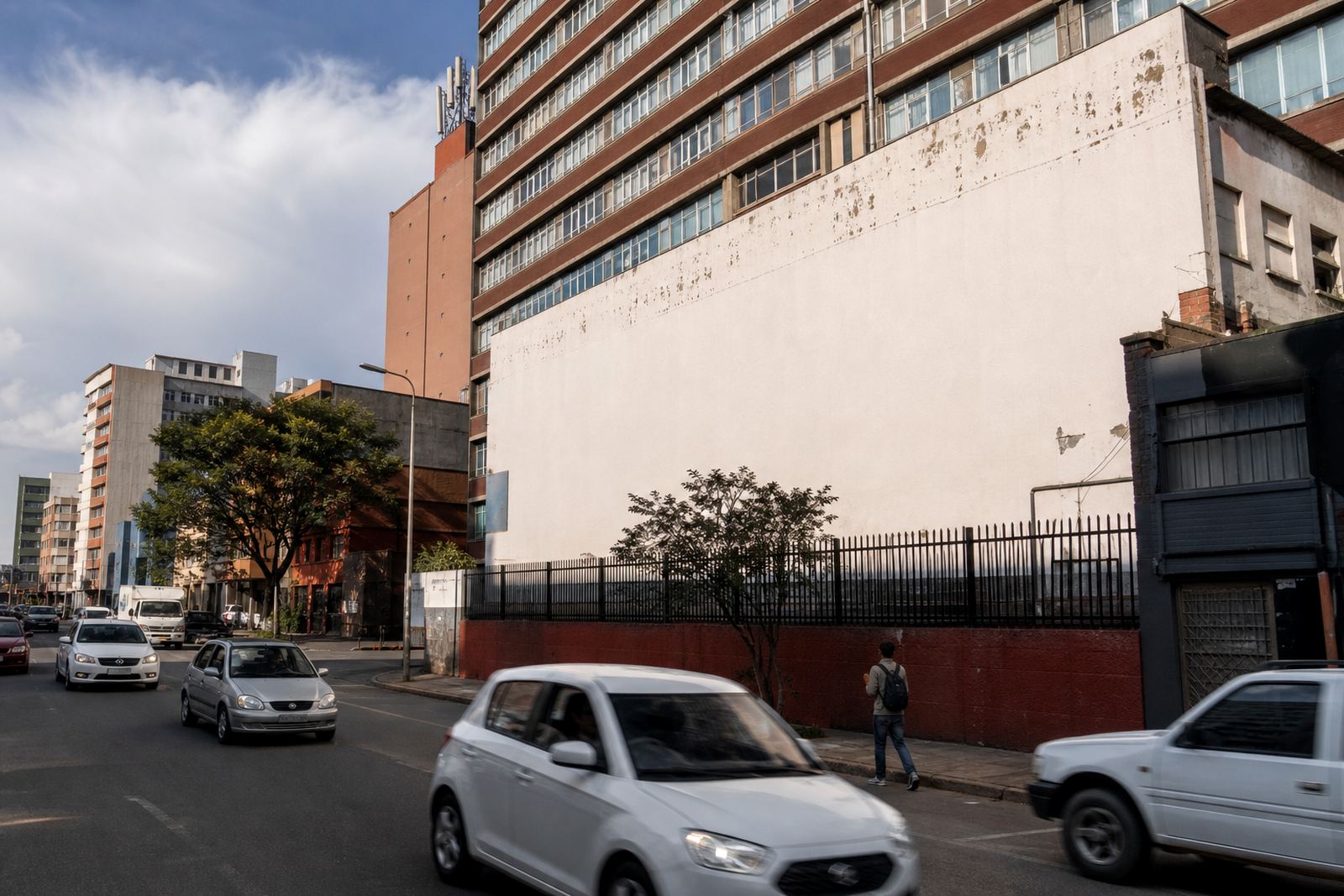
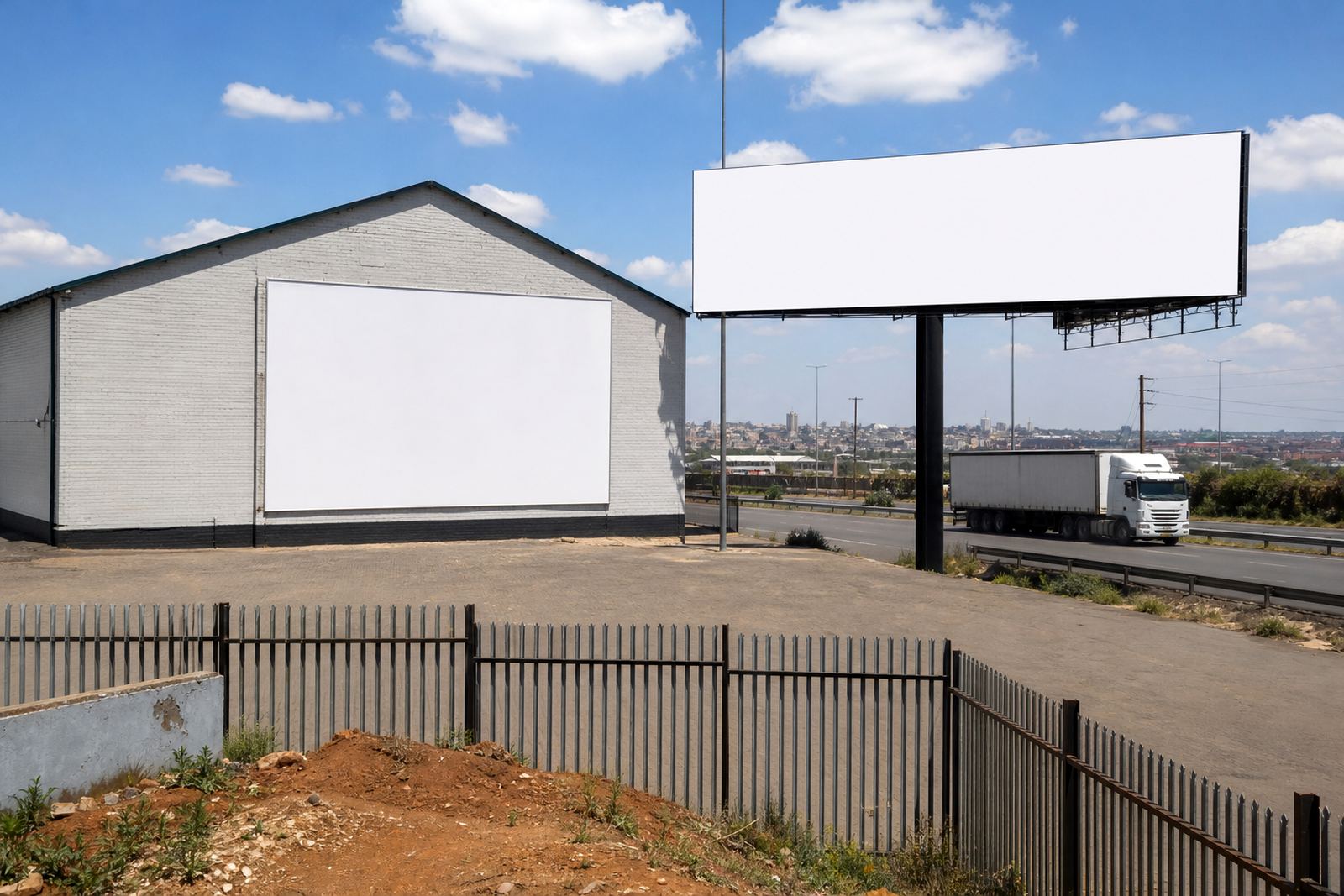
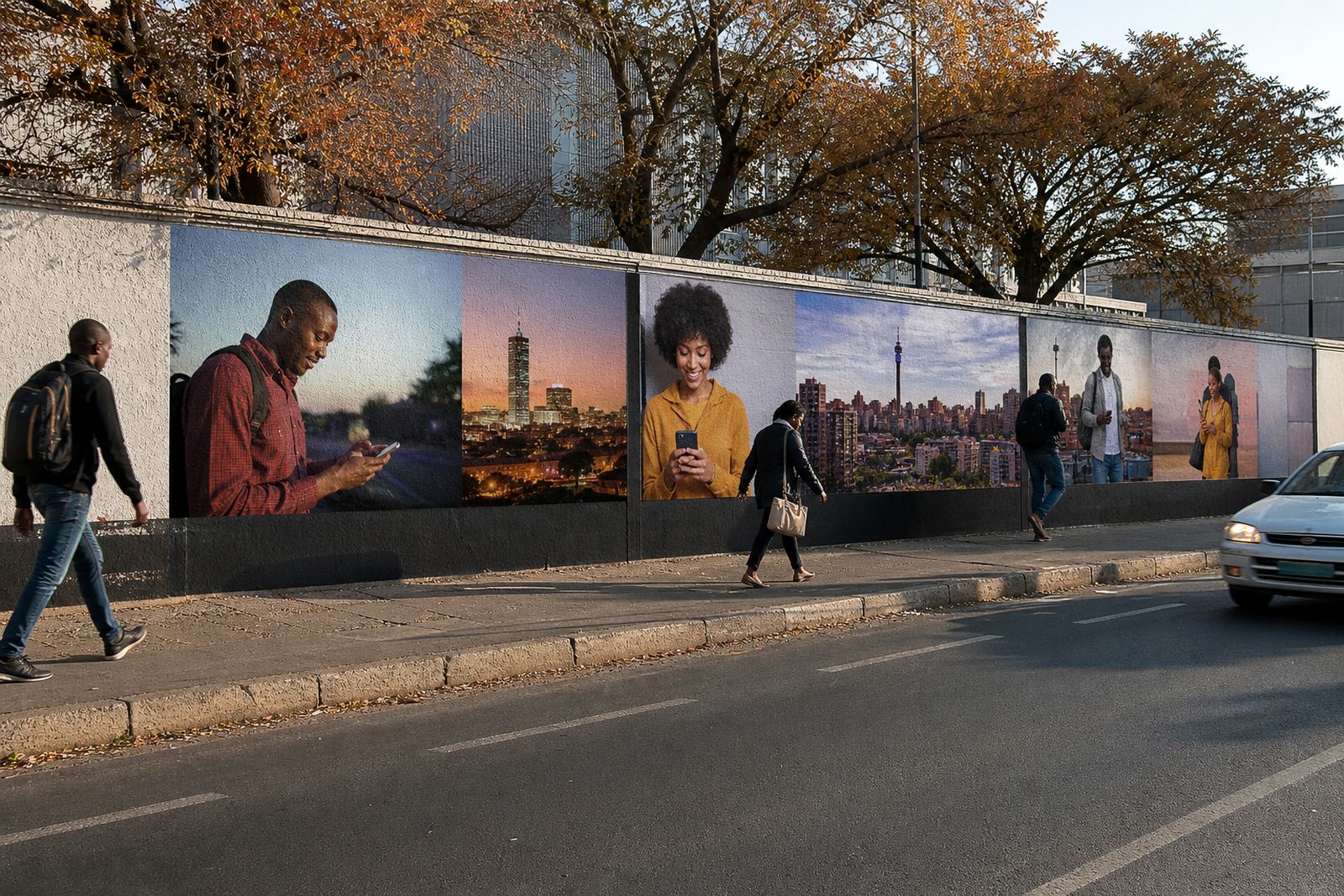
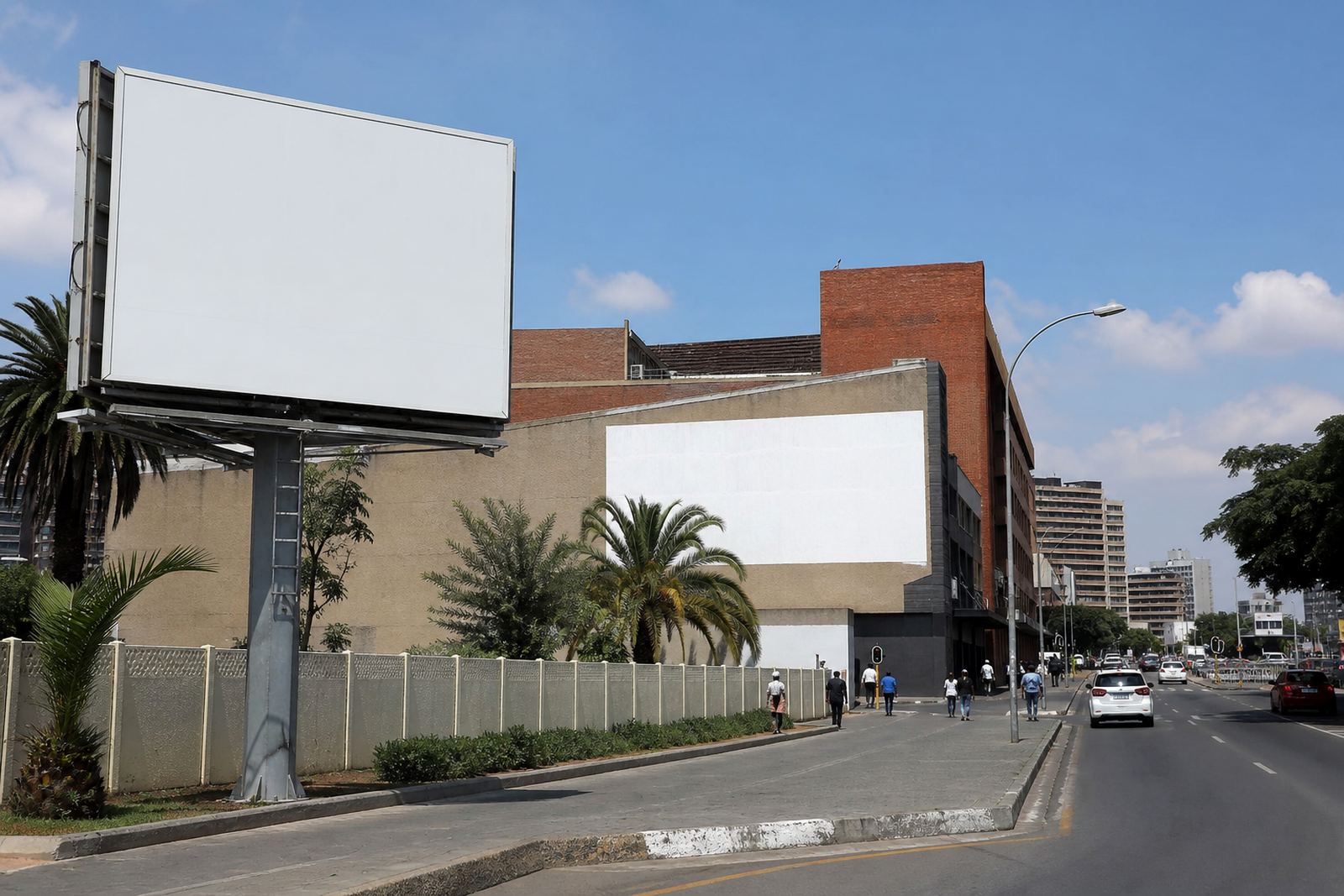
The client wanted a mix of formats rather than one large placement only. That meant we looked at route-facing boards for broad visibility and selected walls closer to visitor activity for repeated viewing during the same trip. The work had to fit a coastal setting too, so we considered salt air, bright sun and the need for clean print finishes that hold up well outdoors.
- Client type: consumer brand in a short-term awareness phase
- Town: Durban, with placements near seafront movement and connected routes
- Format mix: billboard style faces and wall-space advertising
- Campaign aim: practical visibility, simple message recall and steady exposure
What shaped the placement plan
Durban has its own rhythm, especially near the seafront where traffic flows change through the day and visitor movement is not the same as in inland areas. We planned around route direction, turning points, slow-moving sections and sites that allowed the creative to be seen without too much visual clutter around it. The aim was not to overfill the schedule, but to place the message where it would be noticed naturally.
We also had to work within property owner consent and local municipal bylaw approval. That meant checking that the wall space could be used lawfully, that the structure was appropriate for outdoor display, and that the site would not create problems for the owner or for the advertiser later on. In a coastal city, these details matter because weather exposure and maintenance access can affect a site's suitability very quickly.
- Consent from the property owner was confirmed before booking
- Municipal bylaw approval steps were guided where required
- Artwork had to suit the format, viewing distance and mounting method
- We favoured locations that could be serviced without disruption to nearby activity
Three-week rollout from matching to booking
The work ran over three weeks in total. In week one, we matched the brief to available Durban locations and filtered out sites that did not fit the size or visibility requirements. In week two, we completed listing review, consent check guidance and booking coordination, then sent the final site options for approval. Week three covered scheduling, artwork specification checking and the handover needed for installation planning.
Because the campaign was time-sensitive, we kept communication direct and practical. The client needed to know which sites were available, what the viewing angle would be, and whether the format could support the supplied creative without last-minute changes. That reduced delays and kept the sequence moving. There was a fair bit of back and forth, but it stayed orderly.
- Week 1: brief review and location matching
- Week 2: consent guidance, shortlist approval and booking
- Week 3: artwork checks, installation scheduling and launch prep
What we supplied across the marketplace process
We handled the marketplace side of the job from first enquiry through to campaign readiness. That included space listing setup, site photo curation, listing copywriting and availability management so the advertiser could compare options quickly. We also provided brief matching and booking coordination, which helped align the chosen spaces with the campaign window and the intended route coverage.
For Durban, the spec check was especially important. Outdoor creative has to be clear in strong light, and a seafront environment can be unforgiving if the file setup is not right. We checked the usual practical details: finished size, bleed, safe area, viewing distance and how the artwork would sit on the wall or board. If a board is going to sit beside moving traffic, the message has to read fast, not after the moment has passed.
- Space listing setup and live availability management
- Site photo curation and listing copywriting
- Brief matching and booking coordination
- Artwork spec check and installation scheduling
The Durban conditions we planned around
This part of Durban had a few conditions that mattered more than usual. Coastal humidity can affect printed material and fixings, and strong sun can make pale designs wash out if the contrast is not strong enough. We also had to think about load-shedding in the area, because if a site uses lighting or any powered support, the timing and backup plan need to be clear. The practical side matters just as much as the location itself.
We also considered access for installers and the need to keep the property owner's operations running without disturbance. A wall that looks ideal from the road is not always ideal at the back, so we checked how people would reach it, where equipment could be brought in, and whether the site had any restrictions. Those details can slow a campaign if they are missed, so we put them in early.
- Coastal humidity and sun exposure reviewed for the chosen sites
- Install access checked with the property owner before scheduling
- Power dependency noted where any lighting or support was involved
- Route-facing visibility weighed against site access and maintenance needs
What the campaign achieved and what we would repeat
The campaign achieved what the brief called for: a tidy set of Durban placements that gave the brand presence near visitor movement without overcomplicating the rollout. The chosen boards and walls supported the message well, and the client had a clear path from booking to launch. The result was a clean outdoor presence in the right part of town, with enough variety in site type to keep the campaign visible from different angles and at different points in the journey.
If we were doing this again, we would keep the same structure: start with a tight brief, separate the route-facing options from the wall-space options, and confirm consent and bylaw steps before final booking. That approach keeps the work practical and avoids last-minute changes. For a seafront campaign in Durban, it is the surest way to keep a schedule moving without headaches.
- Best practice was a mixed placement plan rather than one format only
- Early consent and bylaw checks prevented delays later
- Clear artwork specs helped keep the launch smooth
- We would repeat the same booking structure for another coastal rollout
Key facts
| Project | Durban Seafront Promo |
|---|---|
| Town | Durban |
| Campaign type | Consumer outdoor advertising |
| Formats used | Route-facing boards and selected wall space |
| Timeline | 3 weeks from matching to launch prep |
| Core support | Consent check guidance, bylaw process support, booking coordination |