
Why the Gqeberha Port Area Made Sense
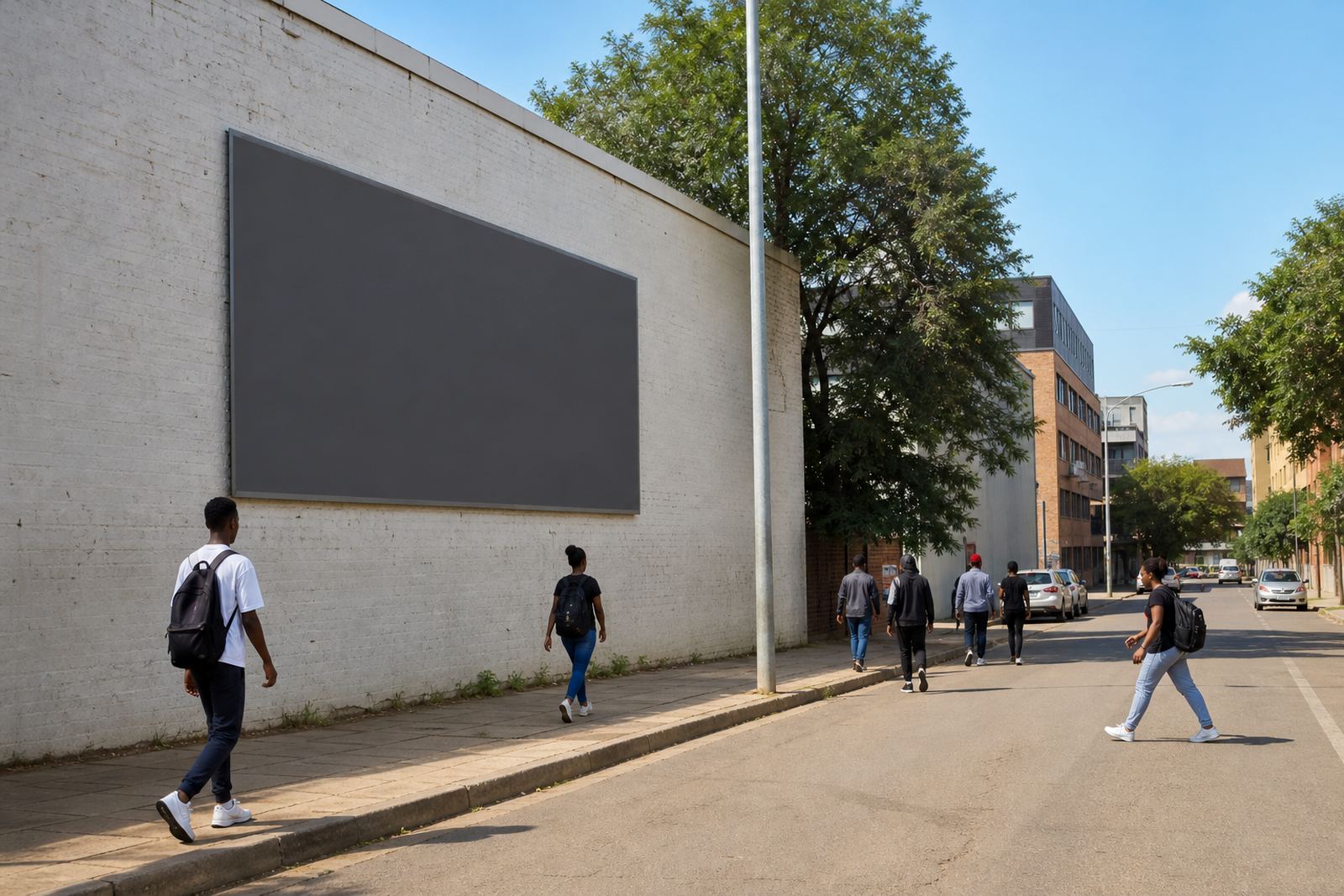
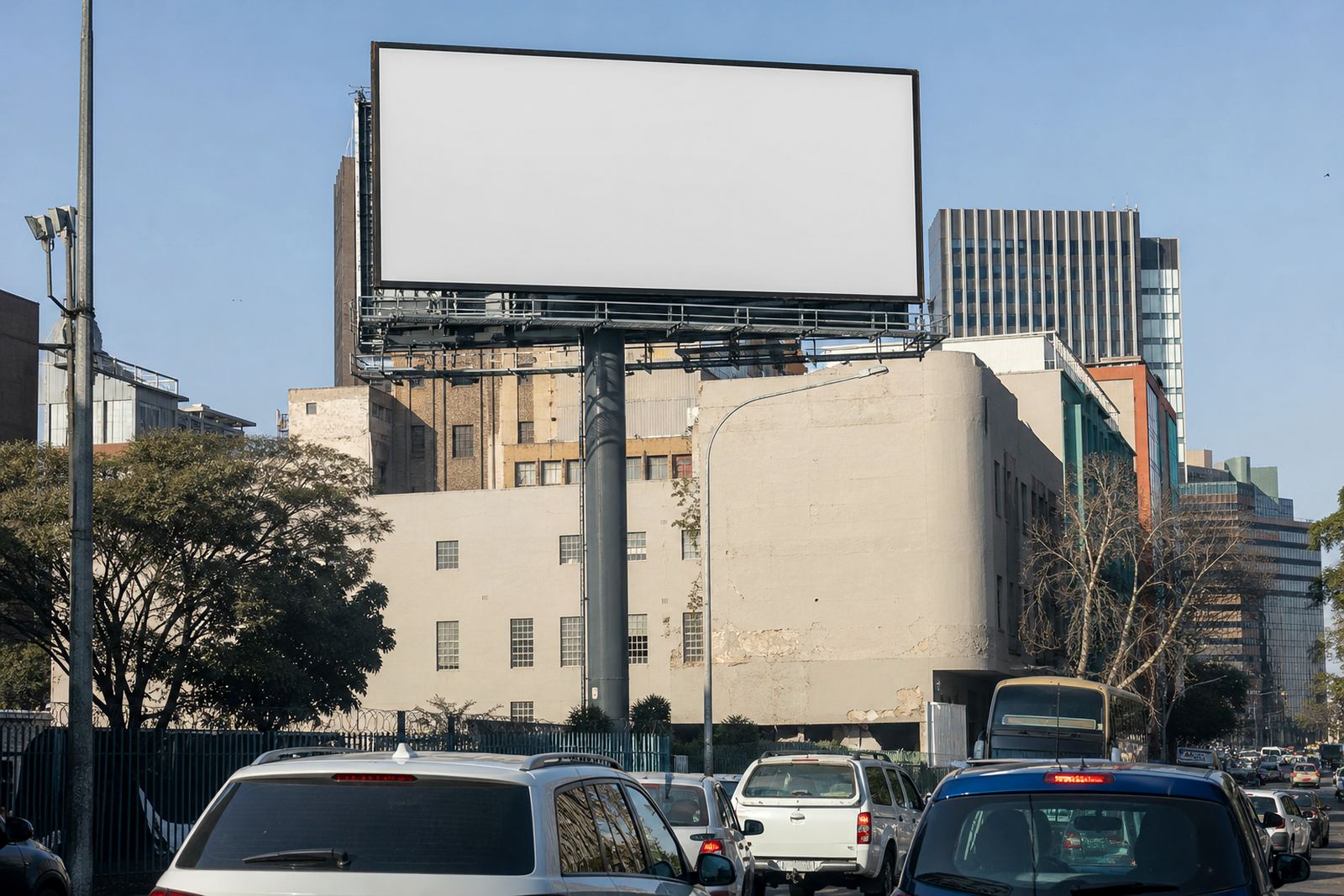
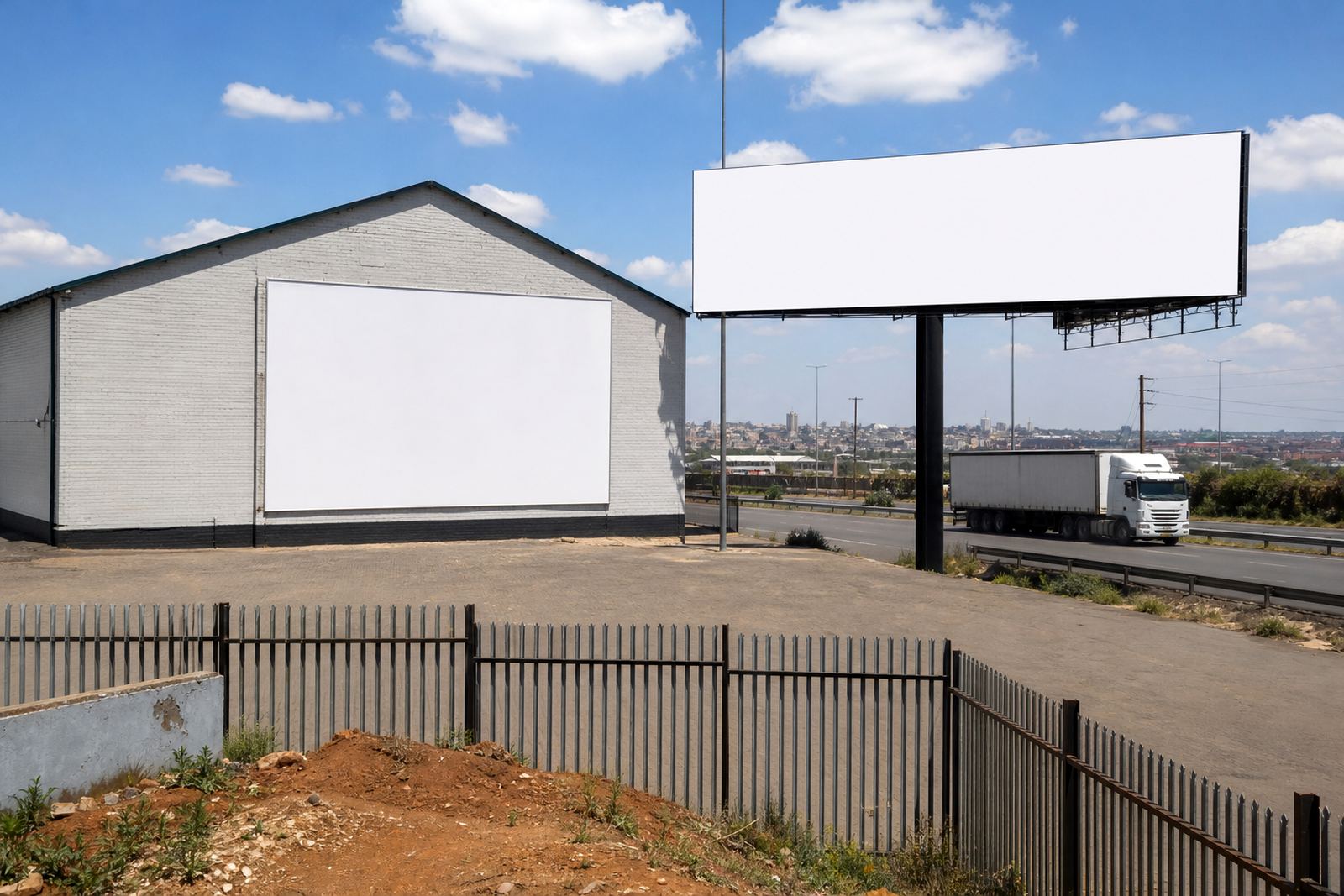
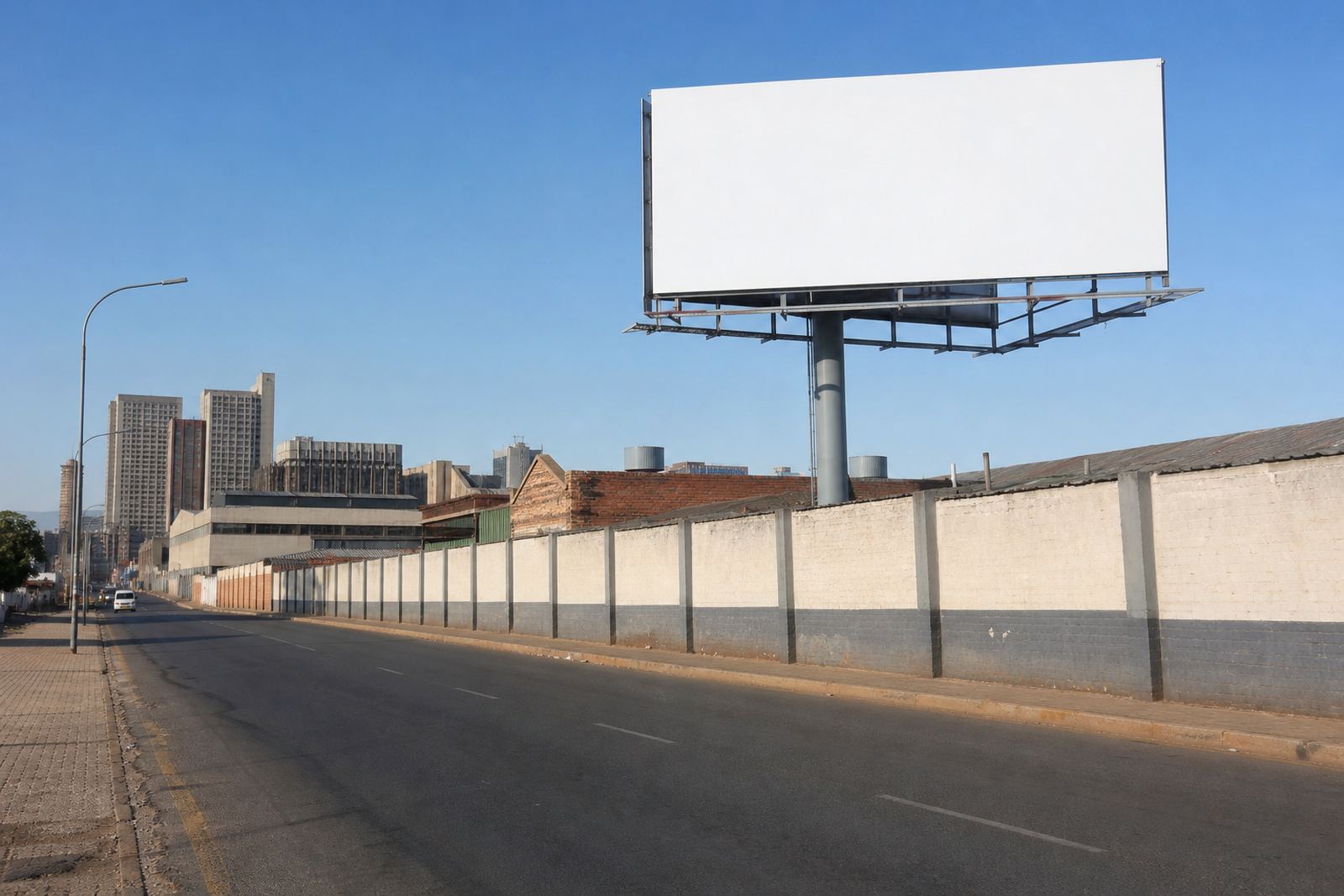
The brief came from a transport and warehousing advertiser that wanted repeated visibility around Gqeberha without relying on one single site. The aim was practical: stay close to roads used by trucks, staff shuttles and local commuters, then keep the message visible at the times people are actually on the move. That meant looking at wall spaces and billboard faces with clear viewing lines, simple sighting and enough distance for a driver or passenger to read the artwork properly.
We treated this as a route exposure campaign, not a one-off sign placement. The location mix had to work around the port side of the city, nearby industrial activity and access roads that carry daily traffic between work areas, residential pockets and service routes. In a coastal city like Gqeberha, we also had to think about salt air, wind loading and finish quality. A sign can look fine on paper, then start fading or lifting if the material choice is wrong.
- Outdoor and wall-facing sites near industrial and commuter movement
- Clear viewing angles from moving vehicles and local foot traffic
- Materials suited to coastal humidity and wind exposure
- Space selection based on availability, access and visibility, not guesswork
What the Advertiser Needed From Us
The advertiser wanted a simple booking process, but with proper checks in place before any artwork went live. The brief called for a mix of static outdoor advertising spaces that could support a logistics message, with enough flexibility to adjust if a preferred site was unavailable. We worked from the start as a placement and coordination partner, so the search, approval flow and installation timing all sat in one place.
The main constraints were straightforward but important. First, the signage had to suit the wall or billboard structure without overstretching the frame. Second, the property owner’s consent was required before any booking could move ahead. Third, local municipal bylaw approval had to be considered where the site or format called for it. That is where many projects slow down, so we kept the process tight and made sure the advertiser knew what was needed at each step.
- Space had to suit the artwork dimensions and viewing distance
- Property owner consent was required before booking confirmation
- Local municipal bylaw approval had to be checked before rollout
- Campaign timing had to fit around site access and installation windows
What We Supplied and Coordinated
We handled the campaign as a managed listing and booking process. That started with space listing setup and site photo curation, so the advertiser could compare real site conditions rather than relying on guesswork. From there, we matched the brief to available inventory, checked the artwork requirements, and coordinated the next steps with the relevant property holders and site contacts. The goal was to keep the process practical and avoid last-minute changes.
Our team also supported the compliance side. Consent check guidance was handled before booking finalisation, and bylaw process support was kept in view for the relevant sites. Once the placement was confirmed, we moved into installation scheduling and campaign monitoring. If a site needed renewal support later, that was also part of the plan. In short, the project was not just about finding space, it was about making sure the space could be used properly and legally.
- Site photo curation and listing copywriting for each option
- Brief matching across billboard and wall space formats
- Consent check guidance and bylaw process support
- Artwork spec check before installation scheduling
- Campaign monitoring once the sites were live
Timeline, Specs and Delivery Notes
The full process ran over 4 weeks from brief intake to live placement. Week 1 focused on brief matching and shortlist building. Week 2 covered consent checks, site confirmation and artwork specification review. Week 3 was used for installation scheduling and any final adjustments to the booking pack. Week 4 covered live campaign checks and confirmation that the selected sites were holding up as expected. That pace worked well because it left enough room for approvals without dragging the project out.
Key facts: the campaign used outdoor wall and billboard formats in Gqeberha Port related areas, with placement choices shaped by industrial access and commuter movement. The sites were selected for visibility from moving traffic, sensible viewing time and practical access for install crews. We also made sure the artwork suited the format, including edge clearances, mounting method and material choice for a windy coastal setting. No overcomplication, just a clean execution plan that matched the brief.
- Campaign duration: 4 weeks from brief to live placement
- Format: wall advertising and billboard advertising
- Location focus: Gqeberha port related routes and access corridors
- Checks: property owner consent, bylaw process support and artwork spec review
What Changed Once the Sites Went Live
Once the selected spaces were live, the advertiser had a clear route presence that supported regular movement through the area. The value was not in chasing noisy reach claims, but in keeping the message in front of people who pass these roads often for work and supply movement. For a logistics brand, that kind of consistency matters. It helps the message feel tied to the places where goods, vehicles and schedules are already part of the day.
The campaign also showed why careful site selection matters in coastal towns. A sign that faces strong wind, salt air and sun exposure needs to be planned with maintenance in mind. The final setup held up well because the artwork and site choice were checked before booking, not after. There were no unnecessary reworks, and the advertiser had a cleaner way to manage future placements in the same region.
- Better route presence around industrial and commuter movement
- Cleaner booking process with fewer back-and-forth delays
- Sites chosen with local weather exposure in mind
- Simple framework for repeat placements in future
What We Would Repeat on the Next Port Brief
If we were doing this type of project again, we would follow the same order: confirm the route objective, shortlist spaces with proper photos, check consent early, then move into the bylaw and installation steps without rushing. That sequence saved time and kept the advertiser from committing to a site that could not be used properly. It also made the approval trail easier to follow for everyone involved.
We would also keep the same practical focus on artwork and materials. For port-adjacent or industrial routes, signs need to be readable, durable and sized correctly for the structure they sit on. A good placement can still fail if the copy is crowded or the finish is wrong, so the spec check stays important from the start. The lesson from this project was simple: keep the process tight, keep the paperwork in order and choose spaces that fit the road, not the other way round.
- Start with route purpose before choosing a site
- Check owner consent and bylaw needs early
- Keep artwork simple enough for moving traffic
- Plan for wind, salt air and maintenance access
Key facts
| Project type | Outdoor wall and billboard advertising rental |
|---|---|
| Town | Gqeberha, with focus on port related routes |
| Client type | Logistics and transport advertiser |
| Timeline | 4 weeks from brief to live placement |
| Core services used | Brief matching, consent guidance, bylaw support, installation scheduling |
| Key compliance note | Property owner consent and local municipal bylaw approval were required |