The brief for a coastal launch with local polish
The advertiser was a national consumer brand opening a new service point in Umhlanga and wanted outdoor placement that felt clean, confident and easy to understand at a glance. The team asked for a mix of billboard and wall-space options that could support a launch message without crowding the artwork or forcing the campaign into one format only.
They needed locations that worked for a short launch window, with space near shopping routes, office pockets and precinct entries where people are already making quick decisions. The ask was simple enough in words, but it had a few moving parts: fit the board sizes, keep the message legible from the road, and make sure every site could move through consent checks and municipal bylaw approval before anything was booked.
What shaped the site selection
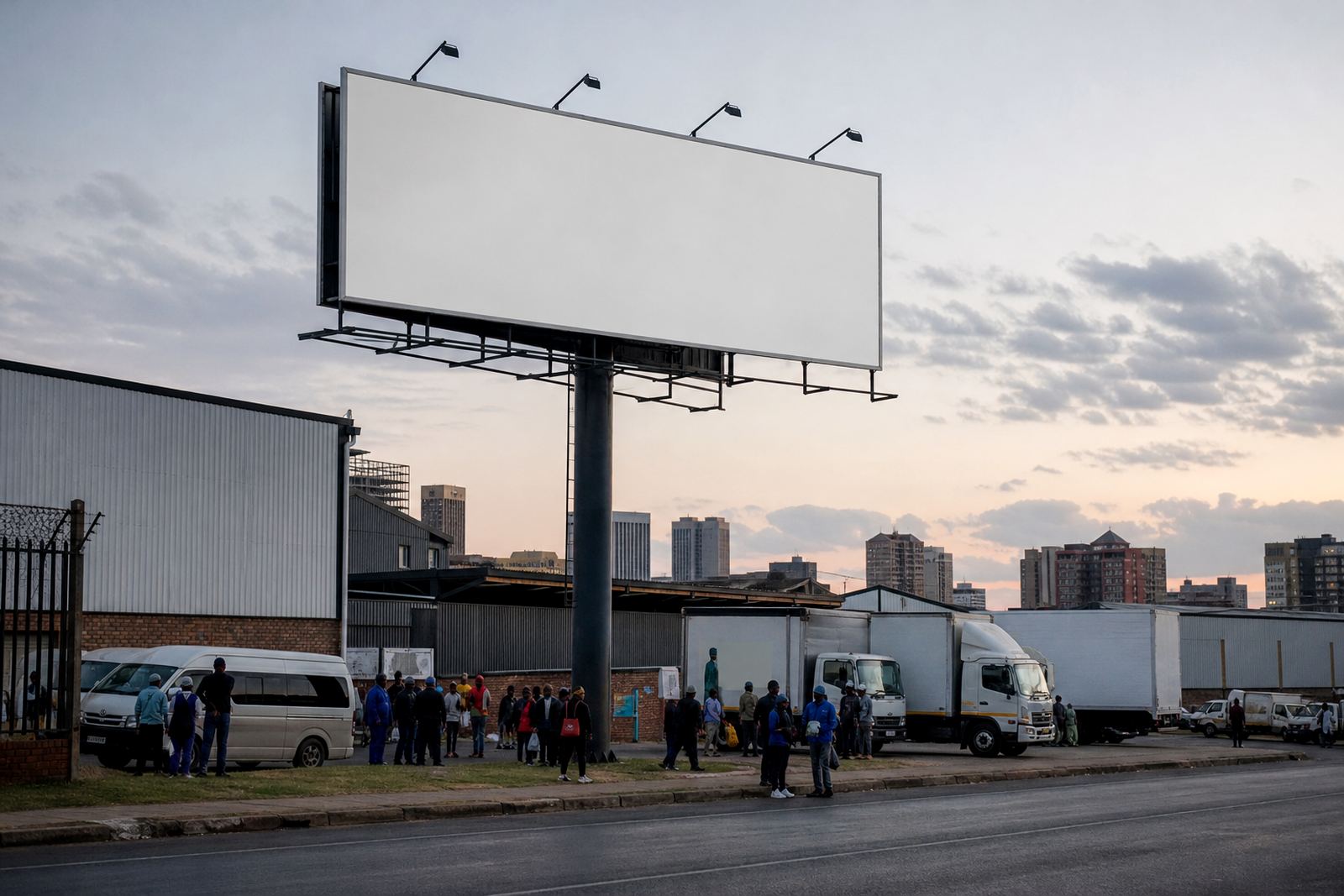
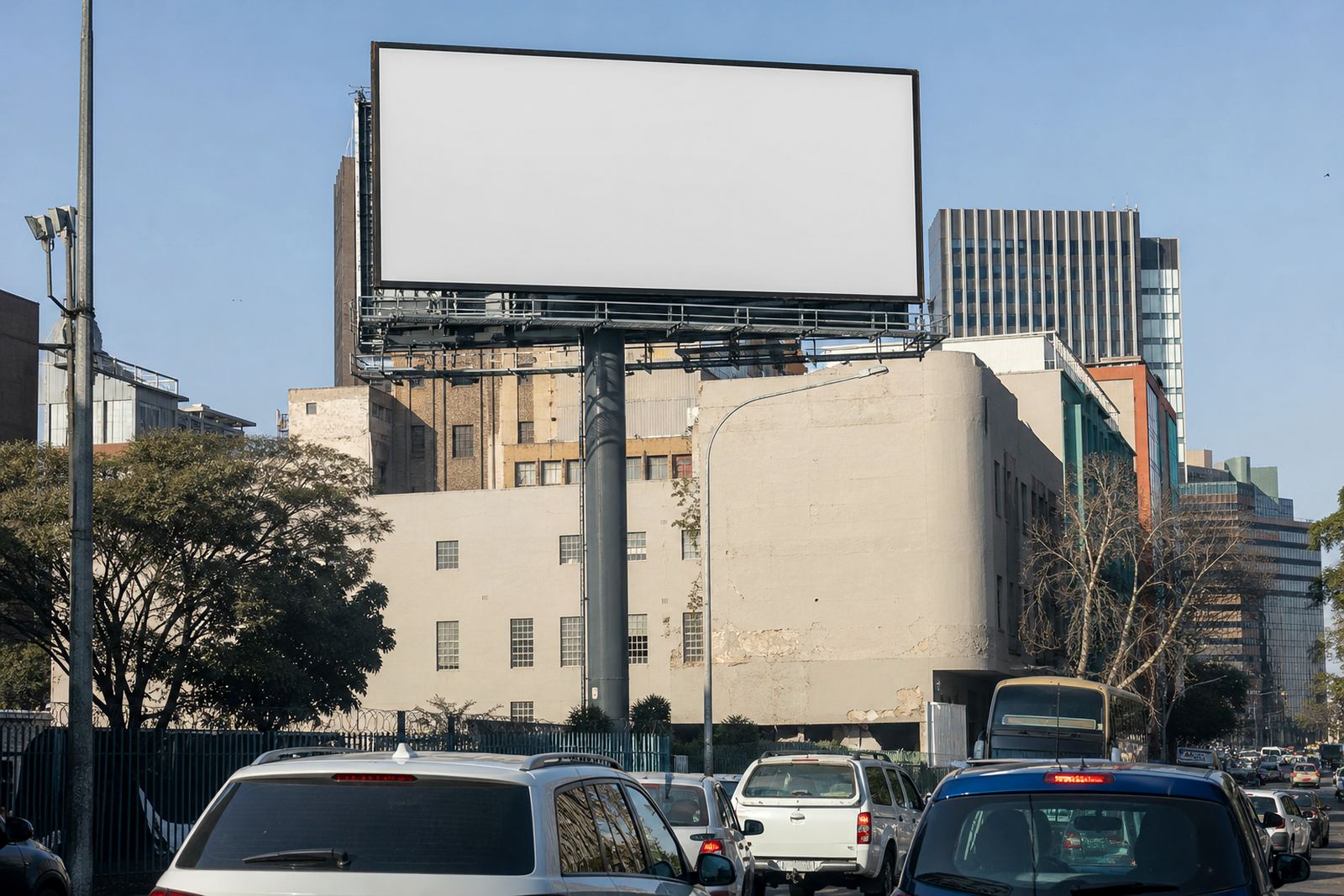
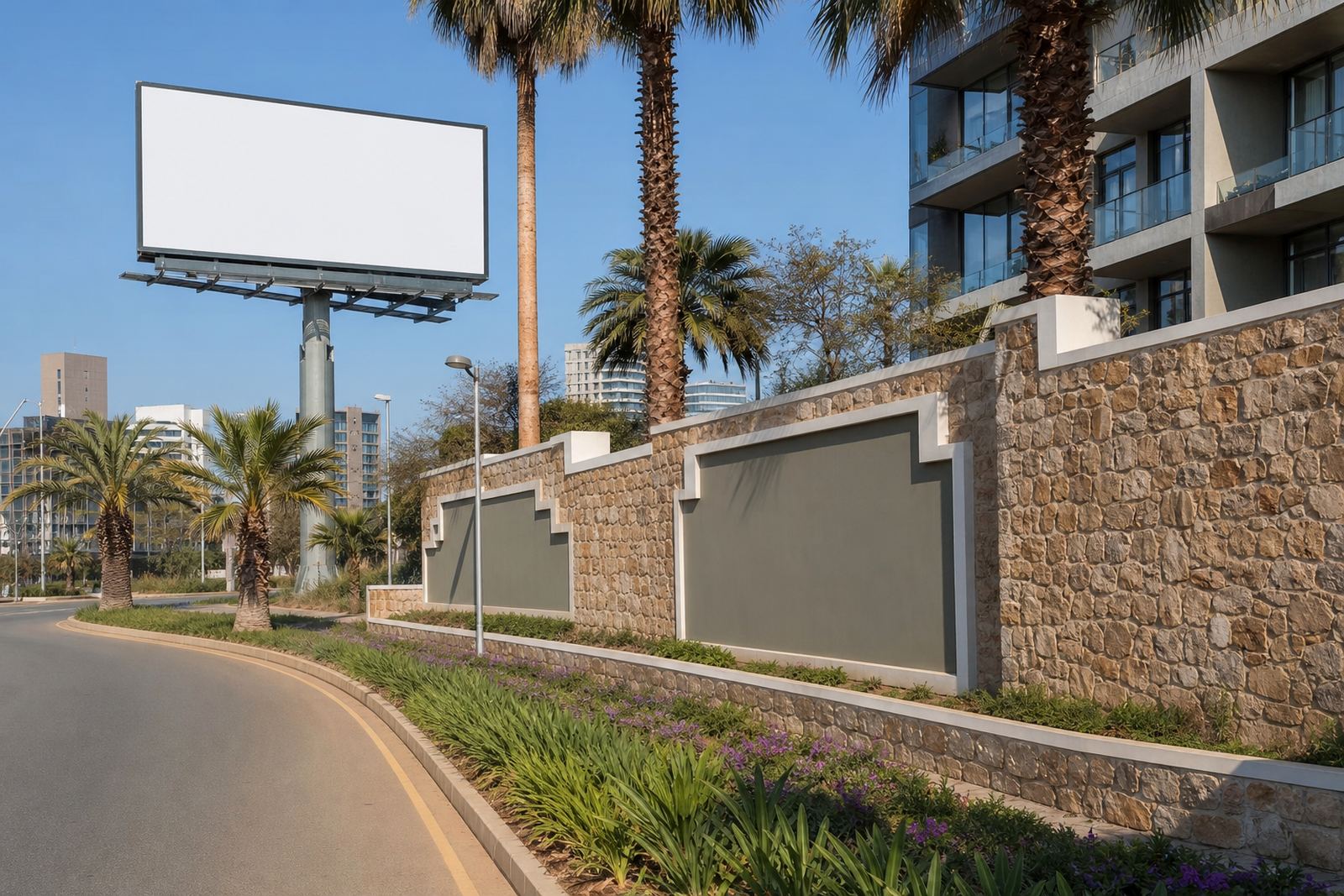
Umhlanga has a strong mix of retail, business and residential movement, and the selection had to suit that pattern rather than chase size alone. We focused on wall-facing positions and street-level boards that could support a launch in a neat, orderly way. The client did not want anything that looked cluttered or awkward against the building line, especially in a coastal area where weather, salt air and regular maintenance matter.
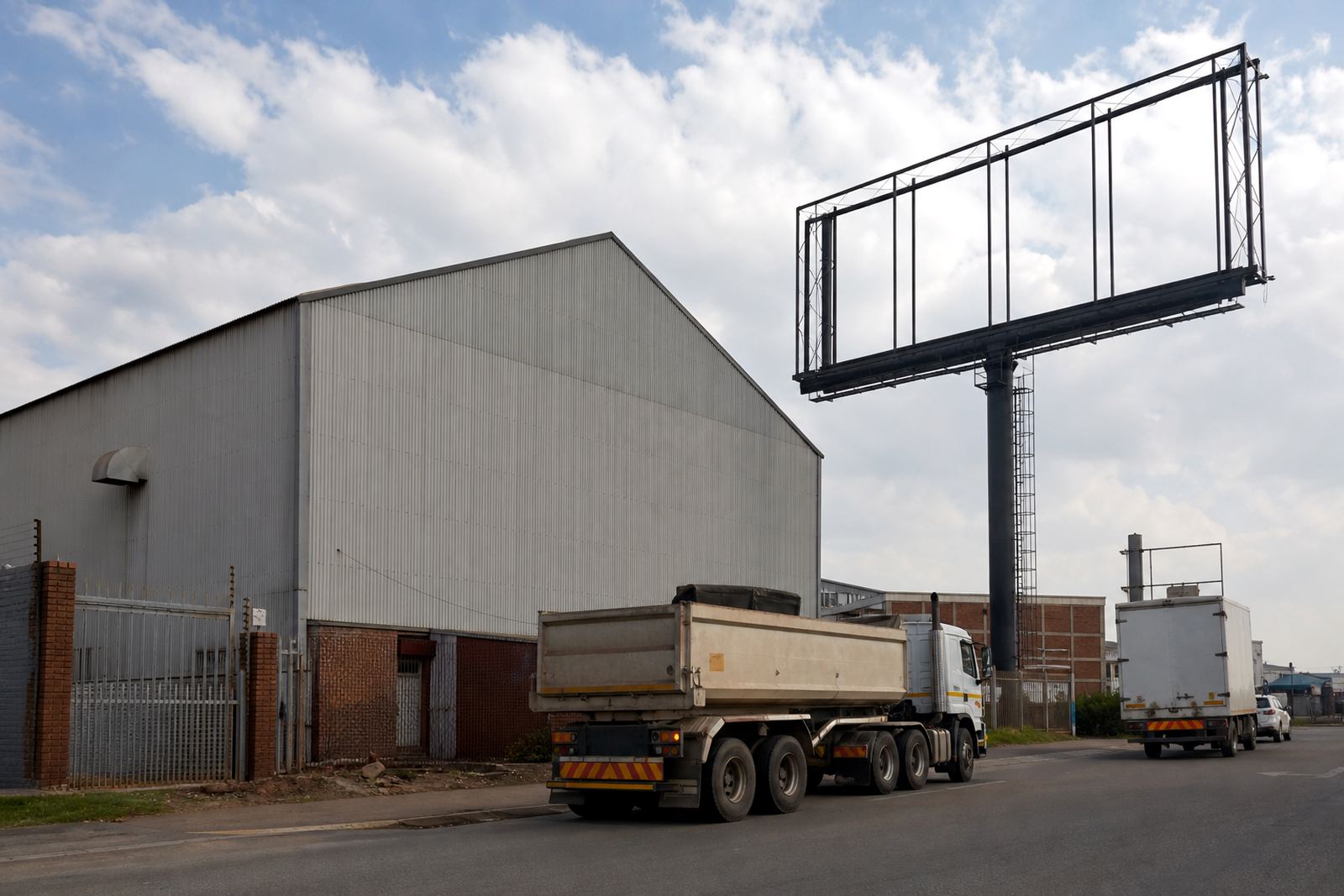
We also had to think about practical access. Some walls looked ideal on paper but would have made installation difficult because of shared access, boundary issues or building management rules. In a few cases the better option was a slightly smaller face with a cleaner approach route, which gave us a safer schedule and less back-and-forth once the artwork was ready.
- Board and wall options were reviewed for visibility, access and structure type.
- Property owner consent was checked before any booking was confirmed.
- Municipal bylaw approval requirements were flagged early so the client knew what could slow the process.
- Sites with awkward access or unclear responsibility were set aside, even if they looked attractive at first glance.
The rollout across four weeks
The campaign was planned over four weeks. Week one covered brief intake, site shortlisting and consent guidance. Week two was used for listing copy, image review and artwork spec checks, including trim, bleed, safe area and viewing distance considerations. Week three focused on booking coordination, installation scheduling and final confirmation with the relevant property owners and site contacts.
By week four the placements were active and being checked for neat presentation after installation. The coastal conditions meant we kept an eye on fixing points and finishing edges, because humidity and wind can make a tidy job look tired very quickly if the setup is not handled carefully. One or two small site adjustments were made after the first installs, but nothing that affected the launch window.
- Week 1: brief, site matching and consent guidance.
- Week 2: listing copywriting, photo curation and artwork spec check.
- Week 3: booking coordination and installation scheduling.
- Week 4: live checks and campaign monitoring.
What we supplied and managed
We handled the campaign as a coordinated marketplace job rather than a simple booking. That meant working through listing availability, matching the brief to suitable wall and billboard spaces, and keeping the client informed on what could be approved in time. The content team tightened the listing copy so the property owner details, site notes and booking terms were clear, while the logistics side managed the handover between advertiser, property owner and site contact.
For the launch itself, the key service points were consent check guidance, bylaw process support and installation scheduling. We also monitored the campaign after go-live so any issues with placement, finish or site access could be flagged quickly. It was not a heavy-handed process, just a careful one, which is what a launch near the coast usually needs.
- Space listing setup for both billboard and wall formats.
- Site photo curation to show the real viewing angle and surrounding context.
- Brief matching across multiple available locations.
- Artwork spec checking before print or production.
- Booking coordination with the property owner and site contacts.
Results from the launch window
The final mix gave the brand a neat presence at the point of entry and a second layer of visibility on urban boards that could carry the message beyond one street. The client wanted a launch that felt organised rather than loud, and the selected sites delivered that tone. The wall placements helped with local recall, while the board formats added a more standard outdoor presence for people moving through the area on a daily basis.
From an operational point of view, the biggest result was speed with control. The campaign stayed within the launch timetable because the consent work was handled early and the site checks were done properly. There was less chasing at the end, fewer surprises with artwork fit and no last minute scramble for missing approvals. That matters in Umhlanga, where timing and presentation carry a lot of weight.
What we would do again for a similar launch
If we ran the same kind of launch again, we would keep the same structure: start with a tight brief, shortlist only the sites that fit the message and check approval path before any commitment is made. We would also keep a close eye on coastal wear, especially for wall-facing positions where wind and salt can show up quickly. A clean layout works best when the installation team has enough room to do the job properly.
For a launch in Umhlanga, the smart move is to keep the campaign simple enough to move quickly but detailed enough to pass through local requirements without delay. That means proper owner consent, municipal bylaw approval, accurate artwork specs and a booking plan that leaves a little breathing room. It sounds basic, but it saves time and avoids crossed wires, especially when the site list includes a mix of building walls and roadside boards.
- Use fewer, better matched sites instead of trying to book every visible surface.
- Confirm ownership and access early for every wall-space option.
- Allow enough time for bylaw checks, artwork approval and installation scheduling.
- Keep the message clear, short and easy to read from a moving vehicle.
Key facts
| Project type | Outdoor launch campaign |
|---|---|
| Town | Umhlanga, KwaZulu-Natal |
| Format mix | Billboard and wall-space advertising |
| Timeline | 4 weeks |
| Key services | Listing setup, consent guidance, bylaw support, booking coordination, installation scheduling |
| Compliance note | Property owner consent and local municipal bylaw approval required before booking |