
Tourism Brief for a Gateway Town
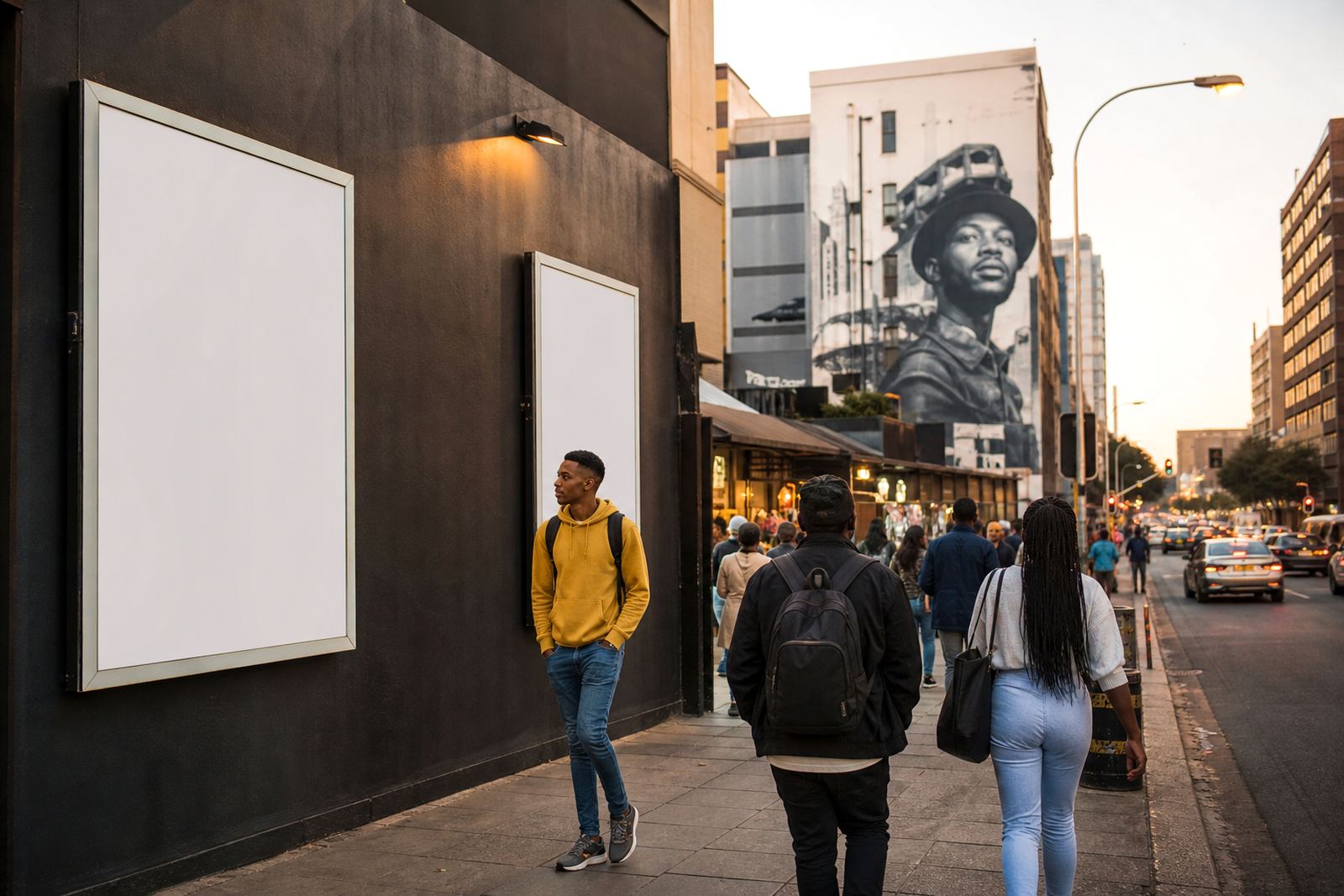
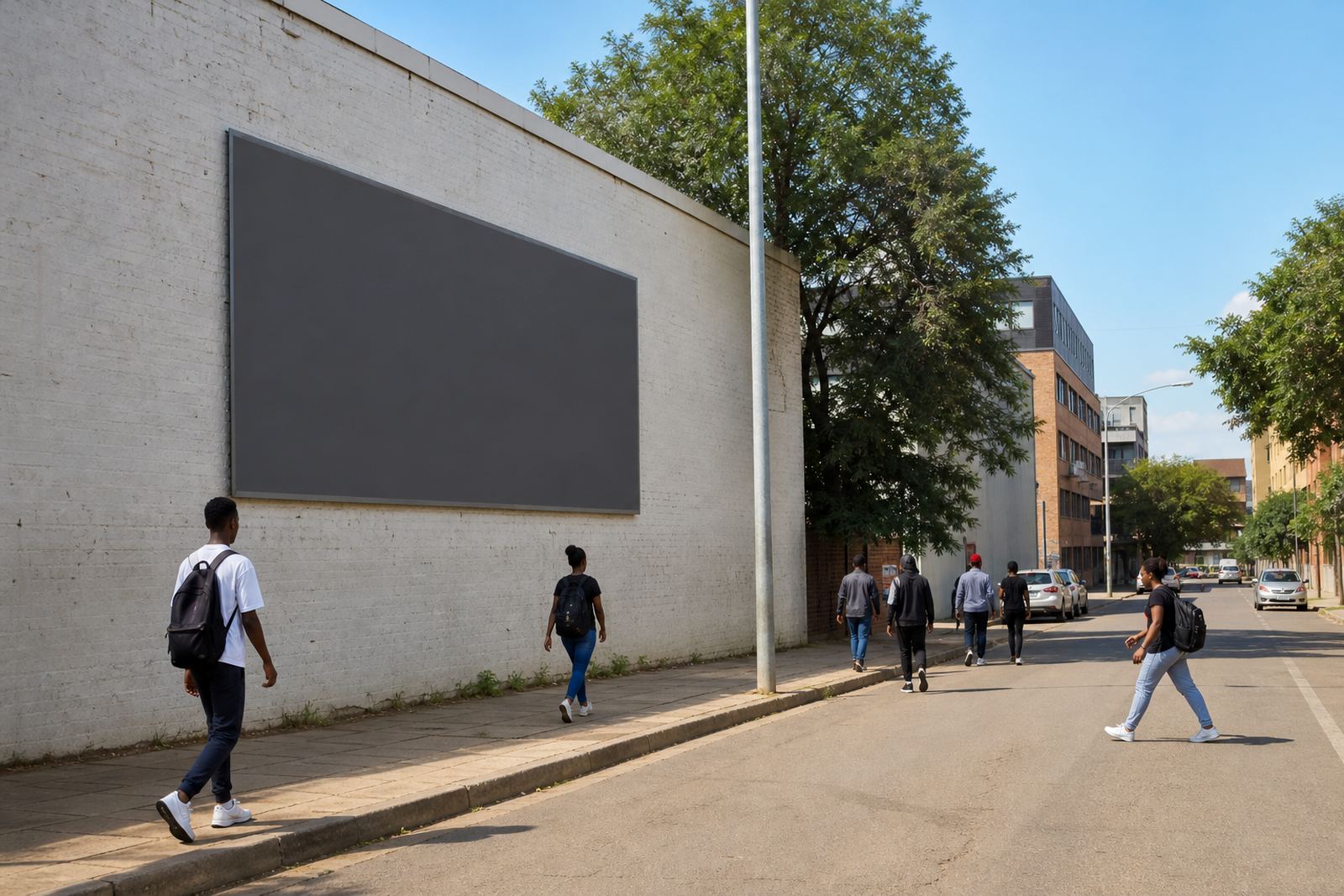
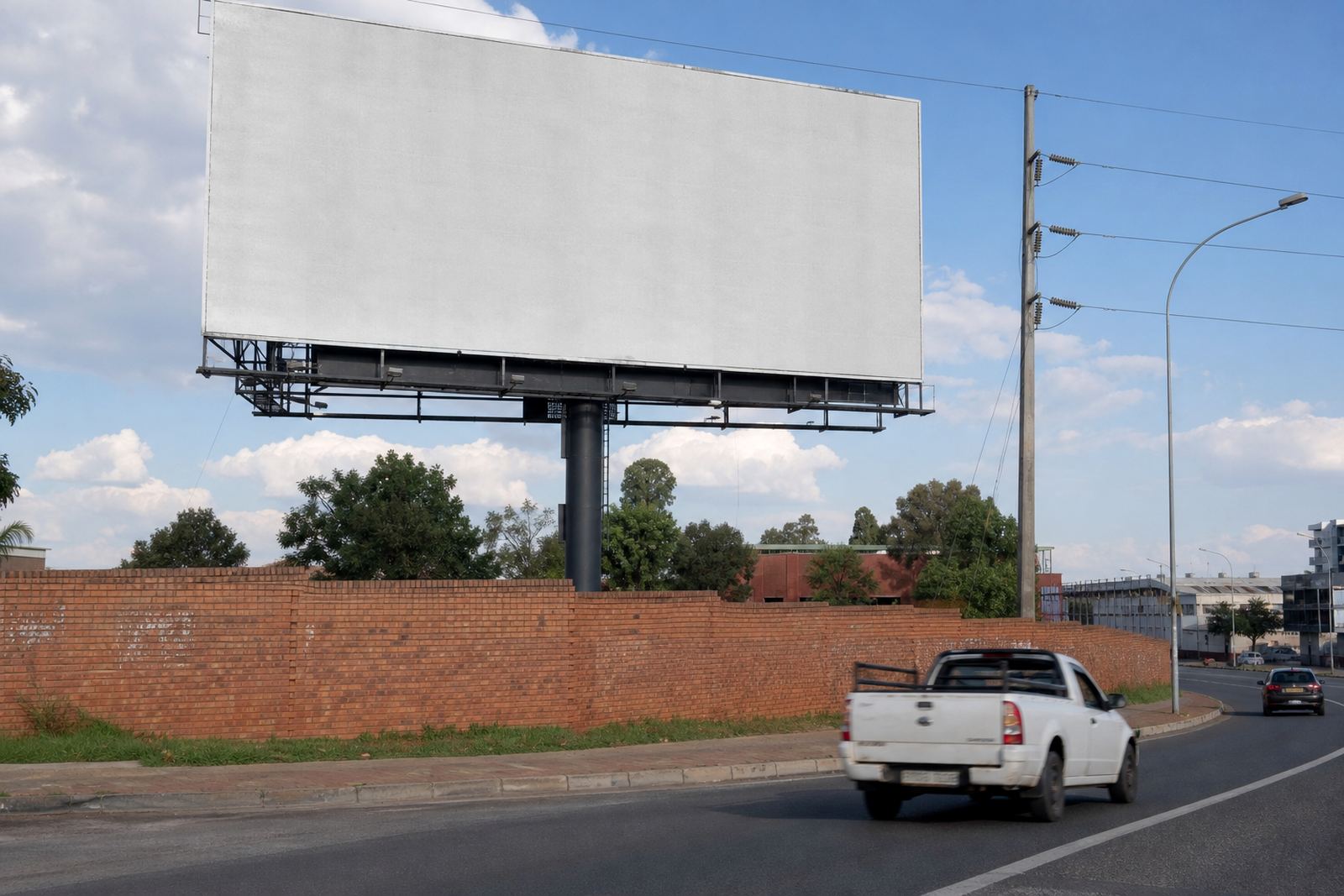
The client was a local tourism marketer working in Nelspruit, with the goal of putting outdoor messaging where visitors and day trippers are already moving through the city. The aim was simple enough, draw attention to a tourism offer without relying on heavy copy or busy artwork. We worked around wall space near approach roads, town edges and central pedestrian areas where a clean message can be read at a glance.
Because tourism campaigns often need to speak to mixed audiences, the brief called for placements that suited both local residents and out of town travellers. That meant thinking about visibility from passing vehicles, walking pace, and whether the wall face could hold a clear creative layout. We also had to consider sunlight, dust, seasonal rain and the practical side of maintaining a neat sign in an area with changing weather and frequent traffic movement.
The key facts were straightforward: the campaign was for Nelspruit, the format was wall based outdoor advertising, and the emphasis was on gateway routes and eye-level exposure. The client wanted a workable plan, not a complicated media schedule. So we kept the process focused on location fit, consent and the format of the artwork.
What the Brief Needed from Us
The main constraint was that every placement had to be suitable for a property owner willing to lease the wall, with local municipal bylaw approval needed where required. That shaped the whole process. Some sites looked good on paper but were not worth pursuing because the wall angle, access or surrounding structures would have made installation awkward. Others were suitable but needed a simpler design approach to keep the copy legible from the road.
We also needed to make sure the campaign did not depend on assumptions about footfall or traffic counts. Instead, we worked with the practical side of visibility, such as whether the wall sits on a route people already use for entry into town or movement between retail and hospitality nodes. In a place like Nelspruit, where weather can shift quickly and summer storms can affect installation timing, that matters more than fancy wording.
- Focus on gateway routes and town walls at eye level
- Use practical sightline checks before booking a site
- Confirm property owner consent before any move forward
- Check bylaw steps early so the schedule stays realistic
How We Put the Campaign Together
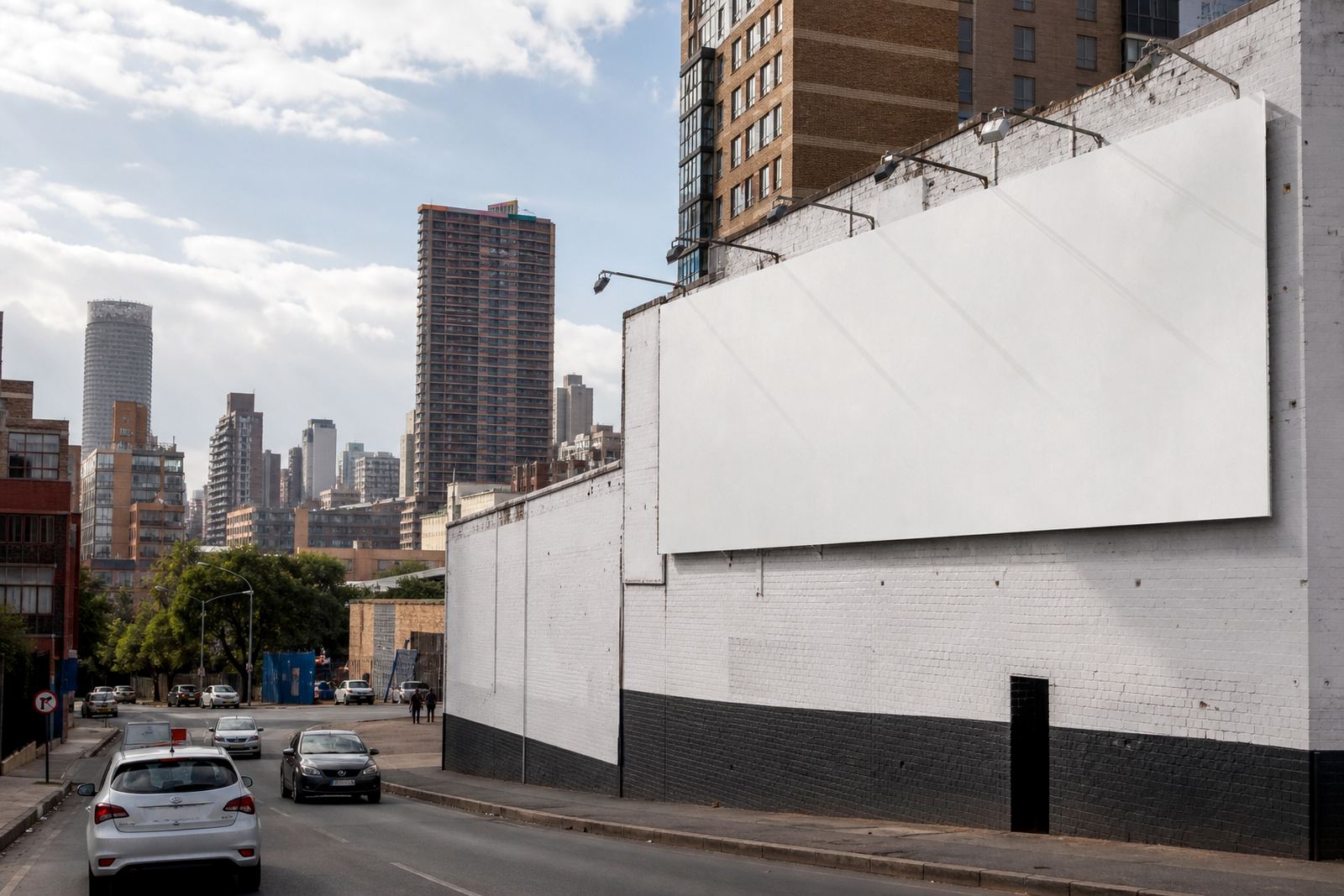
We handled the listing side, the matching process and the coordination needed to get the campaign into a usable state. That started with site photo curation, since clear images make it much easier to judge wall condition, nearby obstructions and the amount of clear space available for artwork. We then wrote the listing copy so the sites were described plainly, with enough detail for the advertiser to make a quick decision.
Once the shortlist was in place, we worked through availability management and brief matching. That is usually where the time is saved, because many outdoor jobs get delayed when the advertiser and the property owner are not aligned on timing or format. We also carried out artwork spec checks to make sure the creative would suit the wall size and not lose impact once printed or installed. On this project, the artwork was kept clean and direct, with short wording and strong visual hierarchy.
Installation scheduling was planned in weeks rather than days, because consent and municipal steps can shift the timing. We set the timeline at three to five weeks from shortlisting to final scheduling, depending on site readiness and paperwork. That gave enough room for checks without dragging the campaign out longer than needed.
Spec Notes That Mattered on Site
The useful detail here was not just the location, but the physical setup of the wall itself. We looked at the height of the view line, the angle from the road, and whether the surface could hold a clean finish in humid conditions. In some parts of Nelspruit, moisture and heat can affect the look of materials over time, so the campaign had to suit a wall that could stay presentable with normal maintenance.
We also gave attention to the practical side of access. If a site needs awkward ladder placement or repeated road-side handling, it can slow everything down and create avoidable risk. The selected wall options were better suited to straightforward installation and easier campaign monitoring. That made it more workable for both the owner and the advertiser.
- Format: wall advertising on outdoor property faces
- Location focus: Nelspruit gateway routes and town walls
- Visibility target: eye-level reading from moving and stationary positions
- Compliance: owner consent plus local municipal bylaw approval where applicable
- Timing: planned over three to five weeks
- Environment: sun, rain and humidity were factored into site suitability
Results from the First Run
The campaign got the sort of response the client wanted: a clear tourism message placed in areas where it made sense for first impressions and local awareness. The main result was not a flashy number, it was a better match between message and place. The selected walls suited the brief, and the booking process stayed manageable because the checks were done before the installation date was set.
Another good outcome was that the advertiser could see which site types worked best for future use. Gateway positions were stronger for broad awareness, while town wall placements gave the campaign a more local feel. That combination gave the client options for later renewals and helped them plan future creative with less guesswork. A few of the sites also showed that simple copy and a tidy layout are often enough when the wall itself is well positioned.
From our side, the job confirmed that tourism campaigns in smaller and medium sized towns work best when the logistics are treated carefully. There is no point pushing ahead before the property owner is ready or the bylaw process is clear. Doing it properly saves time later and avoids last minute changes.
What We Would Do Again for Nelspruit
If we were running the same kind of campaign again, we would take the same practical route. Start with wall faces that sit naturally on entry routes, keep the creative short, and confirm consent and municipal steps before committing to installation. That approach suits Nelspruit because the town has a mix of commuter movement, tourism traffic and local business activity that changes by season.
We would also keep using photo-led site selection and brief matching, since that helps the advertiser see exactly what they are booking. For a tourism push, the message should feel easy to take in at a glance. We would avoid overloading the wall with too many claims, and instead rely on placement, size and clean artwork to do the work. It is a practical method, but it holds up well when the weather turns or the schedule tightens.
If the same project came through again, we would likely build in a little more time for final artwork sign-off and bylaw follow through. That extra buffer is useful in places where approvals or access can shift without much warning. Better to keep the plan steady than rush and make avoidable mistakes.
Key facts
| Project type | Tourism-style outdoor wall advertising campaign |
|---|---|
| Town | Nelspruit |
| Placement focus | Gateway routes and eye-level town walls |
| Compliance | Property owner consent and local municipal bylaw approval where required |
| Project timeline | Three to five weeks from shortlist to scheduling |
| Scope of work | Site Photo Curation, Listing Copywriting, Availability Management, Brief Matching, Booking Coordination, Artwork Spec Check, Installation Scheduling and Campaign Monitoring |