Why the client needed visible retail coverage in Polokwane
The brief came from a regional retail team that wanted steady outdoor visibility in Polokwane without relying on one single site. They needed a mix of wall space and commuter route boards close to busy shopping areas, taxi movement and main access roads, with enough consistency to support a short retail push over several weeks.
Like many retail campaigns in Limpopo, the ask was practical rather than flashy. The client wanted places where people would pass repeatedly on the way to work, shops and home, and where the message would still read clearly in morning light, late afternoon glare and the dusty conditions you often get along exposed routes.
- Town: Polokwane, Limpopo
- Advertiser type: Retail brand running a local promotion
- Format mix: Centre walls and commuter route boards
- Goal: Build repeated exposure across key movement zones
What the brief needed and what had to be checked
The search had to balance visibility, access and permission. Wall advertising is not only about size and position, it also depends on the property owner’s consent and the relevant municipal bylaw approval. For this project, that meant checking each proposed site before it could be considered final, then confirming that the artwork size and fixing method would suit the wall or board structure.
The client also asked for a route that made sense for day to day travel in Polokwane, not just one standout location. We therefore prioritised sites that linked retail activity with commuter movement, and we filtered out any options that looked difficult for installation, maintenance or future renewal.
- Property owner consent confirmed before booking was progressed
- Municipal bylaw approval guidance included from the start
- Artwork checked against each format’s visible area and bleed needs
- Sites reviewed for access, condition and practical installation planning
How we built the site mix for centre walls and route boards
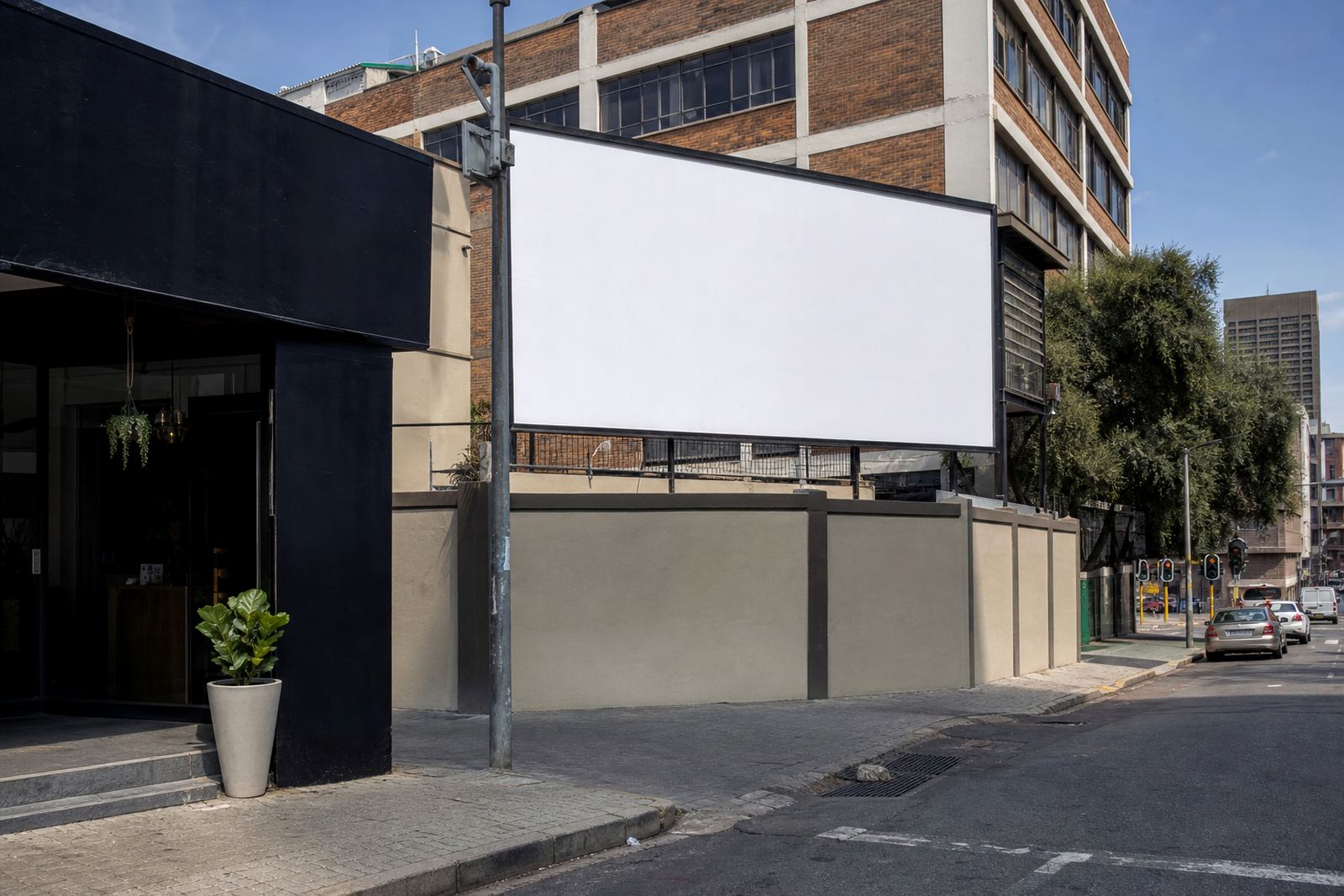
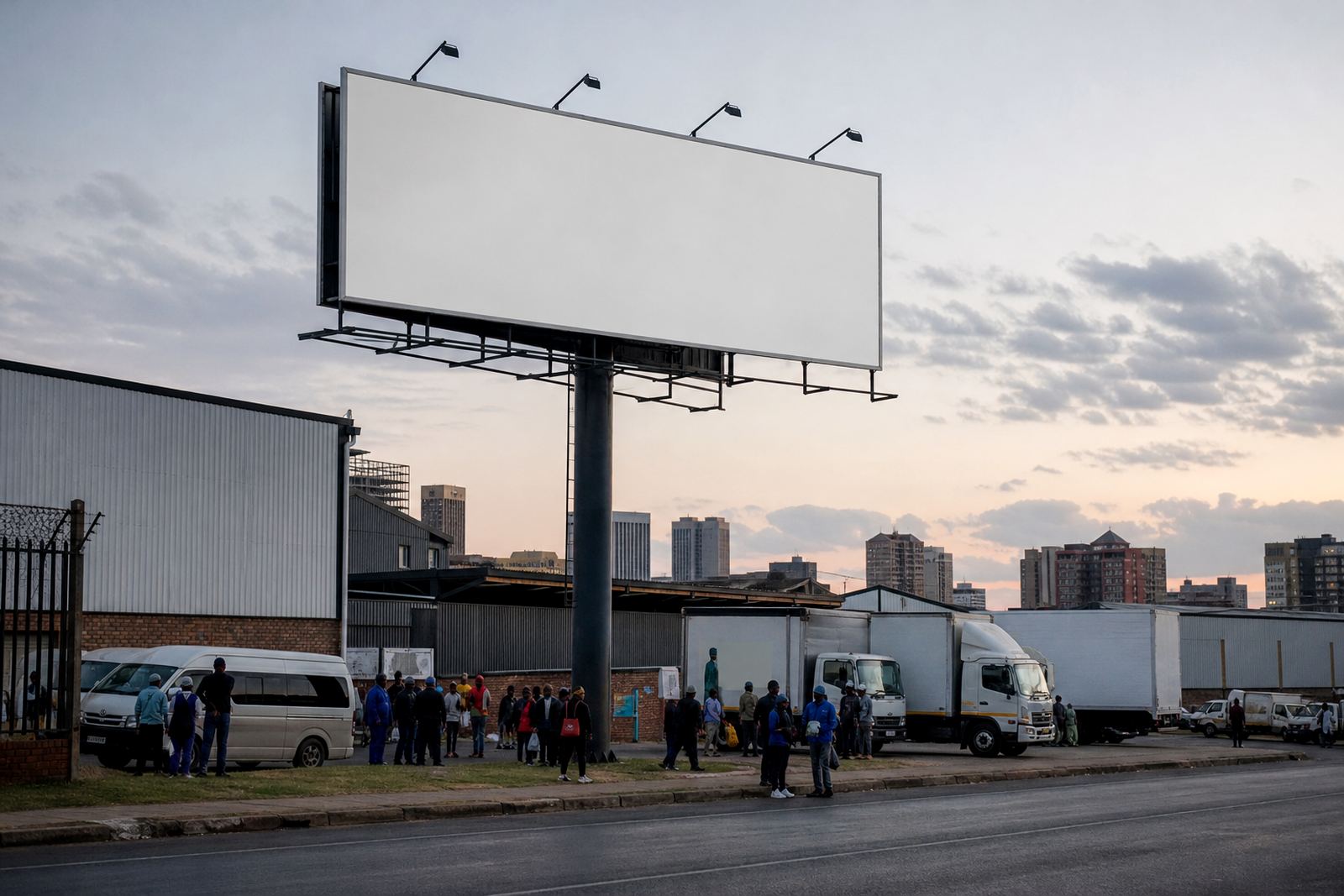
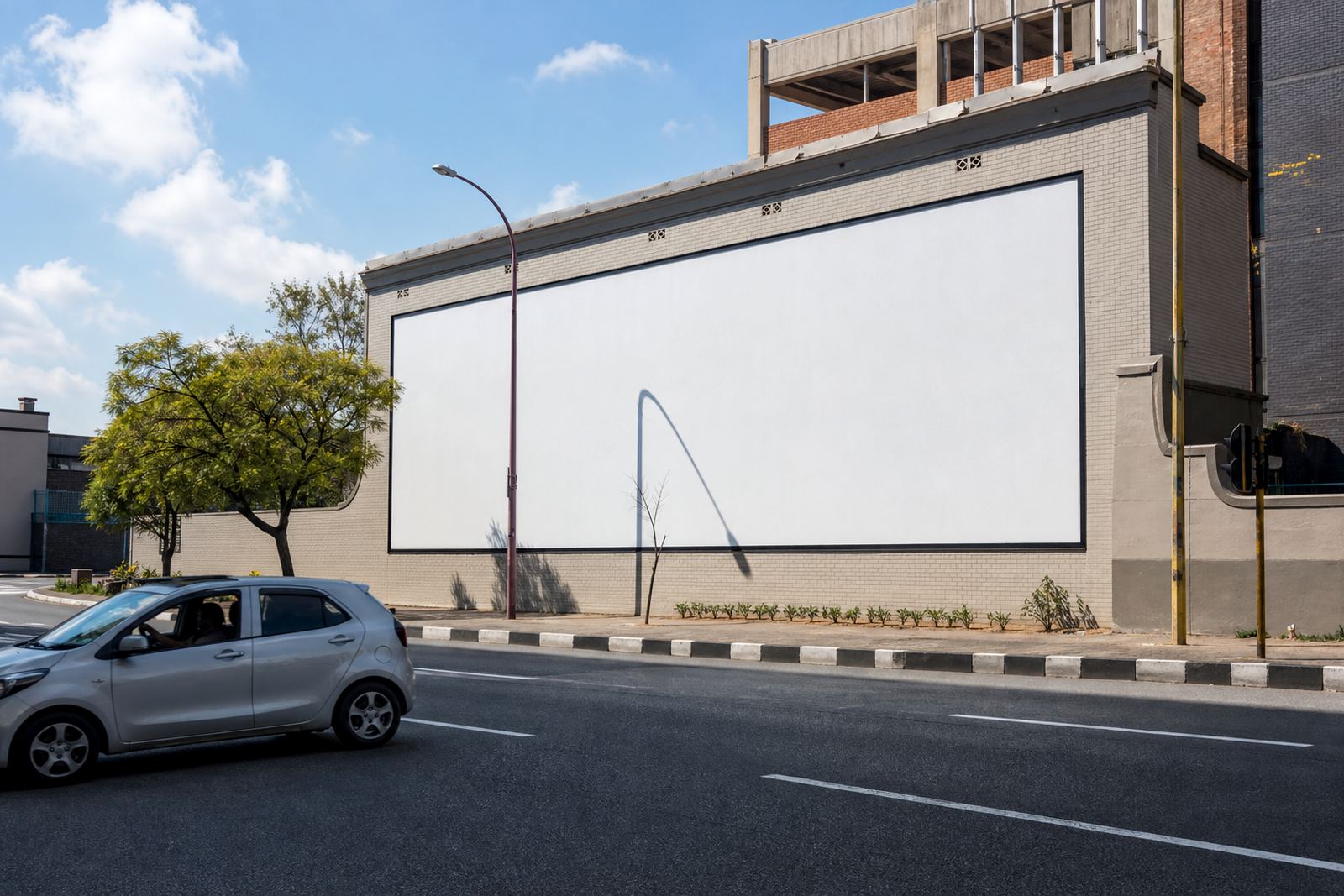
We supplied a matched set of listings that suited the campaign across different parts of Polokwane. The centre wall placements were chosen for shoppers and visitors moving through retail precincts, while the route boards were selected to catch daily commuter flow on approaches into the city and around key interchange points. The idea was not to overcomplicate the media mix, but to keep it balanced and easy to manage.
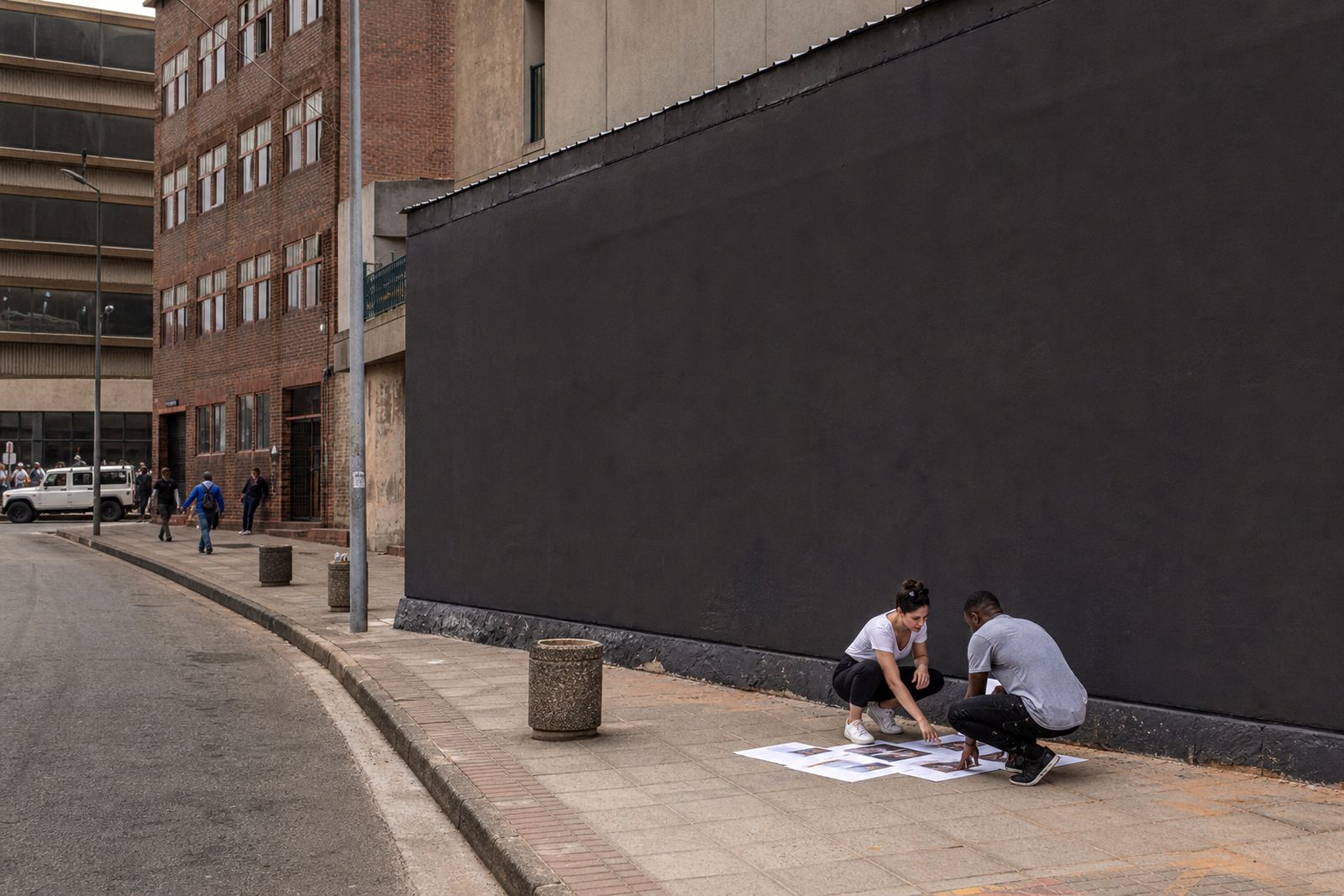
Our team prepared the listings with clear site photos, concise copywriting and availability updates, then worked through brief matching so the advertiser could compare the options without chasing several different contacts. Bianca handled the listing wording, while Musa coordinated the booking sequence and installation timing once the preferred sites were agreed.
- Site photo curation for each shortlisted location
- Listing copywriting with clear format and access notes
- Availability management to avoid double-booking issues
- Brief matching across retail and commuter route placements
Timeline, approvals and coordination over three weeks
The campaign moved over a three week period from initial brief to final scheduling. Week one focused on site search, consent checks and format suitability. Week two covered listing refinement, artwork spec checks and confirmation of the preferred placements. Week three dealt with booking coordination, installation scheduling and final pre-install checks so the client could proceed without last minute changes.
Because outdoor advertising in South Africa often runs into small delays around approvals, access hours and property sign-off, we kept the process organised from the start. Pieter handled the municipal compliance side, while Ruan managed property owner relations and Lerato stayed in touch with the advertiser on next steps and artwork changes. That kept everyone aligned, and it reduced back and forth.
- Week 1: Site search and consent check guidance
- Week 2: Artwork spec check and booking confirmation
- Week 3: Installation scheduling and campaign start coordination
- Ongoing: Monitoring and renewal support if the campaign was extended
What the campaign needed on the ground
Polokwane’s weather and road conditions matter. In hot periods the print has to hold colour without looking washed out, and during windy or dusty days the site has to stay tidy enough for the message to remain legible. We treated the campaign as a practical retail rollout, so the logistics were planned around access, fixing methods and the type of surface at each location.
There was also the matter of municipal process. Signs in visible public-facing positions can trigger different approval requirements depending on where they sit, who owns the property and how they are fixed. The client appreciated having that explained clearly, because it kept the booking realistic and avoided assumptions about what could go up where.
- Artwork checked for legibility at speed and from a distance
- Scheduling planned around access windows and installation crews
- Consent and bylaw steps separated so nothing was missed
- Campaign monitoring available if any site needed follow-up
What made the result useful for the retailer
The main value was consistency. The client ended up with a workable spread of wall and route advertising that supported the same retail message across multiple parts of Polokwane, rather than relying on one isolated board. That gave the promotion more rhythm, especially for shoppers and commuters who move through the same areas often during the week.
They also gained a cleaner process for future campaigns. Once the sites, approvals and artwork requirements were documented properly, it became much easier to consider renewals or new placements later on. For a retailer, that sort of repeatable process matters just as much as the first booking.
- Clearer site selection for future retail campaigns
- Better control of booking lead times and artwork readiness
- Stronger coordination between owner consent and municipal approval
- Simple route for renewal support if the message stays live longer
What we would do again for a similar brief
If the same brief came back for Polokwane, we would again start with a mix of centre walls and commuter route boards, then narrow the field by access, visibility and approval practicality. That approach keeps the campaign grounded in what can actually be installed and maintained, instead of forcing a site list that looks good on paper but creates delays on the ground.
We would also keep the process tight between the advertiser, property owners and municipal compliance. That is usually where these projects go right or wrong. A clear brief, proper consent, accurate specs and honest timing are what keep outdoor retail advertising moving. It is not complicated, but it does need care, and a bit of patience when approvals or weather shift the plan.
- Start with a practical site mix, not just the most obvious boards
- Confirm property owner consent early
- Keep artwork specs exact for each format
- Build in time for municipal bylaw checks and installation changes
Key facts
| Project | Polokwane Retail Story |
|---|---|
| Town | Polokwane, Limpopo |
| Format mix | Centre walls and commuter route boards |
| Timeline | 3 weeks from brief to installation scheduling |
| Key checks | Owner consent, municipal bylaw approval, artwork specs |
| Support team | Listing setup, booking coordination, compliance and monitoring |