
A neighbourhood brief with practical local reach
The brief came from a Soweto-based service provider that needed to be seen by people moving between home, retail, taxi ranks and local service points. The client did not want a flashy, high-maintenance rollout. They wanted wall space that could carry a simple message, stay visible in daylight and hold up well through winter dust, summer rain and the usual wear that comes with busy township routes.
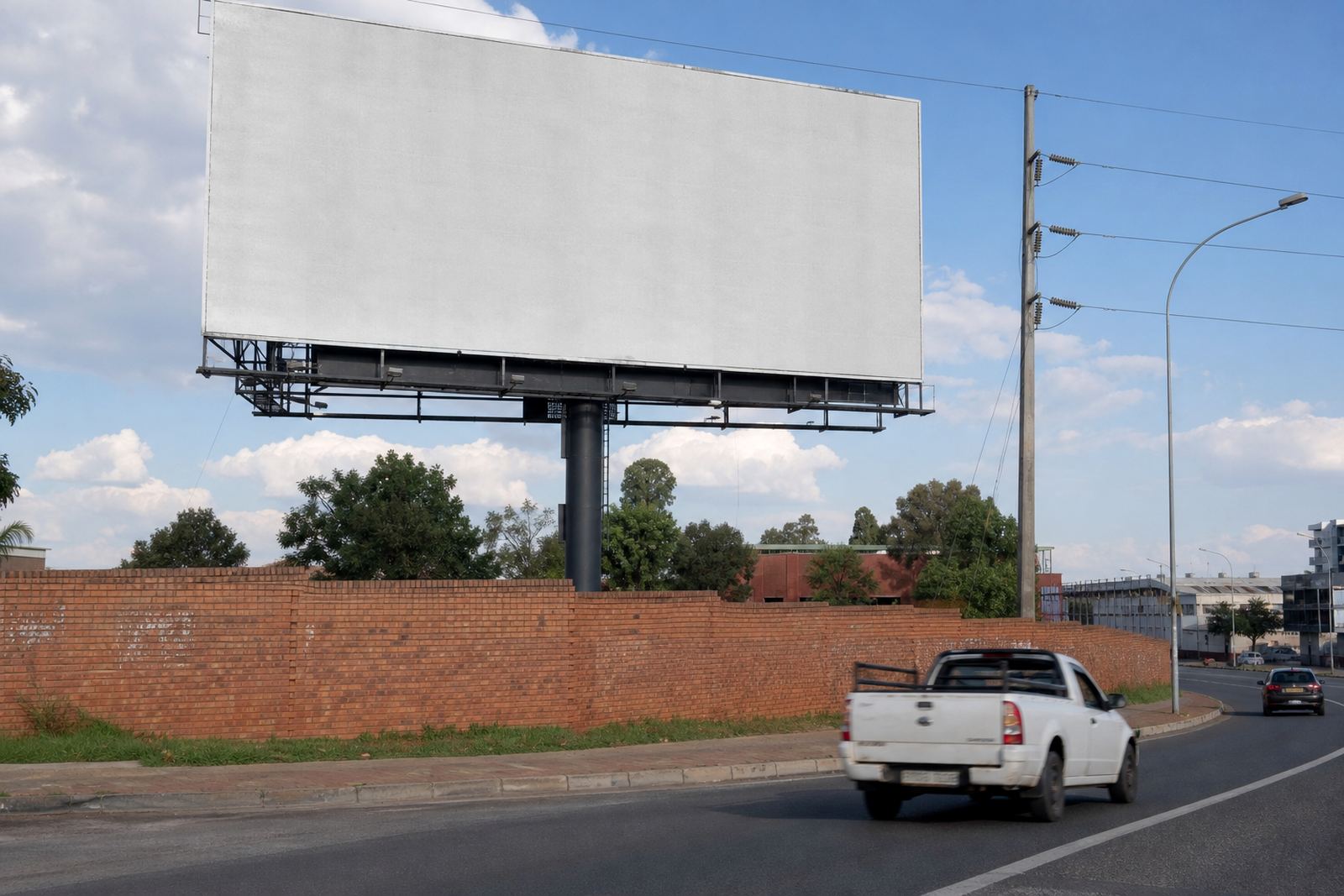
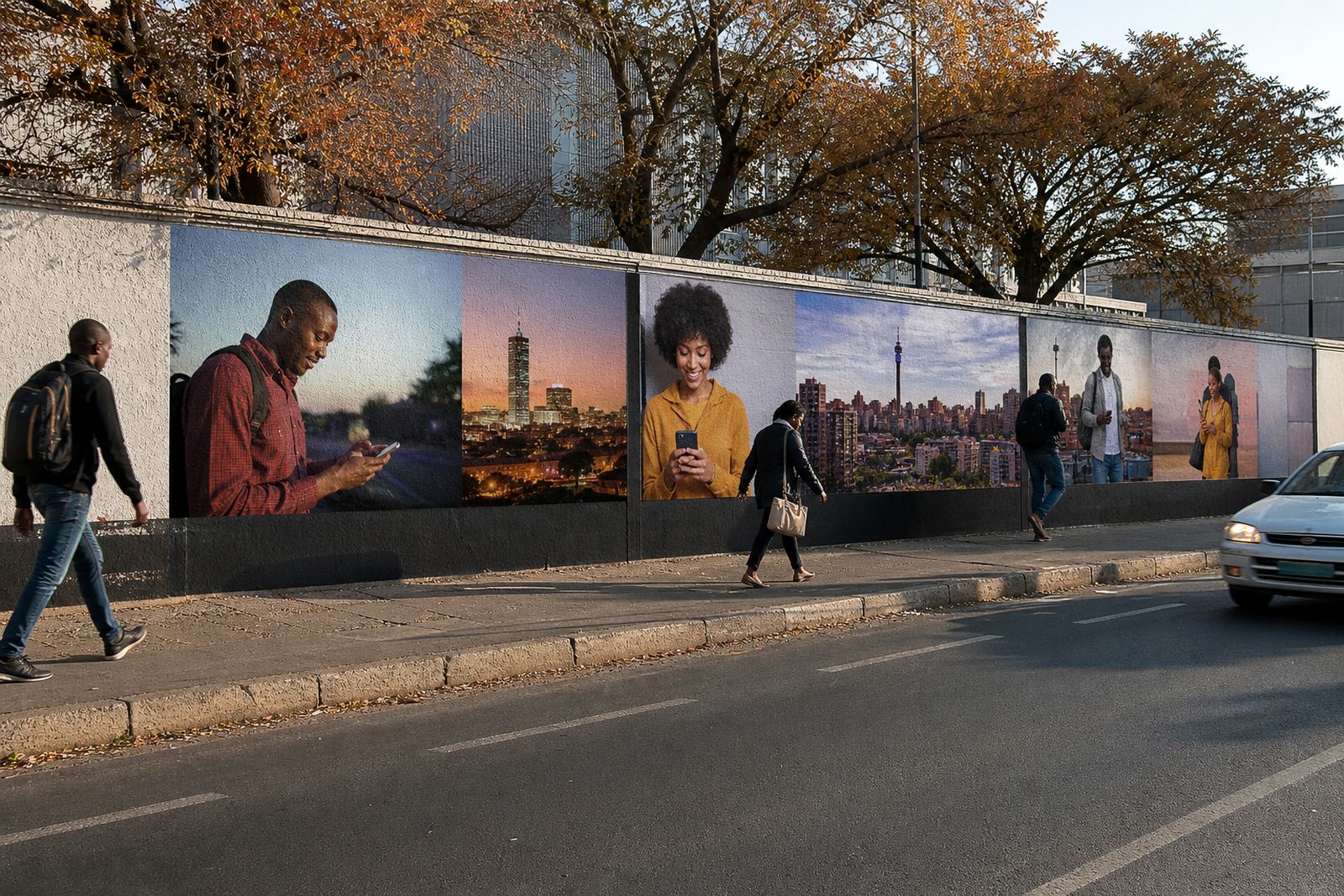
We shaped the project around wall and billboard-style placements in areas where the message would be read in passing, not just by drivers but also by pedestrians and commuters. The client wanted a clean route through the process, with no confusion around property consent or municipal requirements. That meant checking each space carefully before a booking was confirmed.
- Client type: local service business
- Town focus: Soweto, Johannesburg
- Placement type: outdoor wall advertising on visible route-facing surfaces
- Campaign style: short, direct message with strong brand name placement
What the campaign had to work around
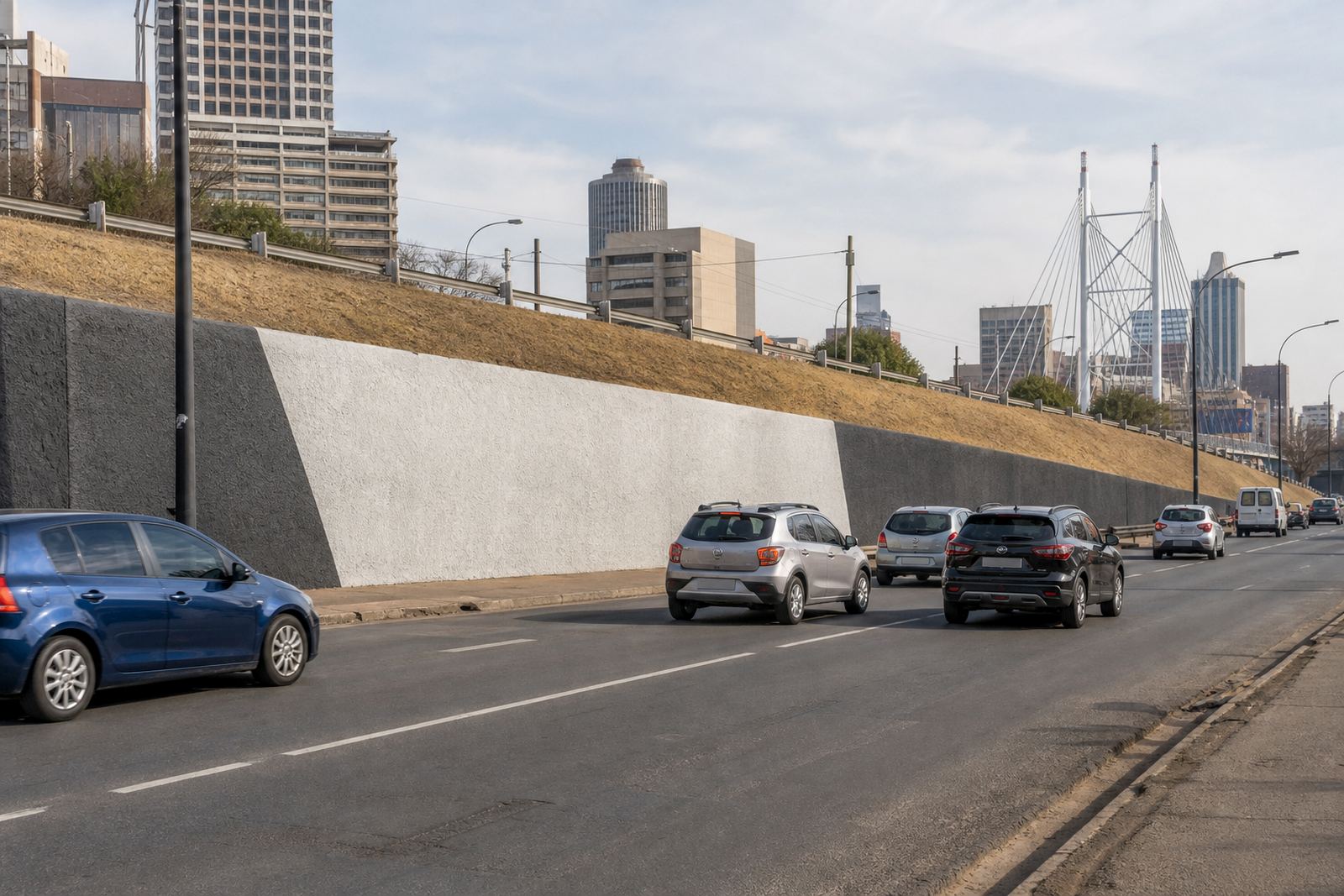
Soweto has many routes where movement is steady but the built environment changes from one block to the next. Some walls are ideal for exposure, while others have access issues, unclear ownership or poor sightlines. The client also needed the campaign to fit local rules, which meant no booking could proceed without the property owner's consent and the right municipal bylaw approval where required. That part matters, especially when a wall sits near a busy road or shared boundary.
There were also practical matters to consider. A few locations were exposed to dust from traffic and needed artwork that would still read clearly after a few weeks outdoors. Some positions were better suited to evening visibility from headlights, while others worked better for daytime pedestrian movement. We kept the guidance grounded in what would actually work on site, not in guesswork.
- Consent required from the property owner before any space was held
- Municipal bylaw approval guidance supplied where applicable
- Artwork spec checks done before final booking confirmation
- Site access and installation timing checked against local movement patterns
The listing and matching work we handled
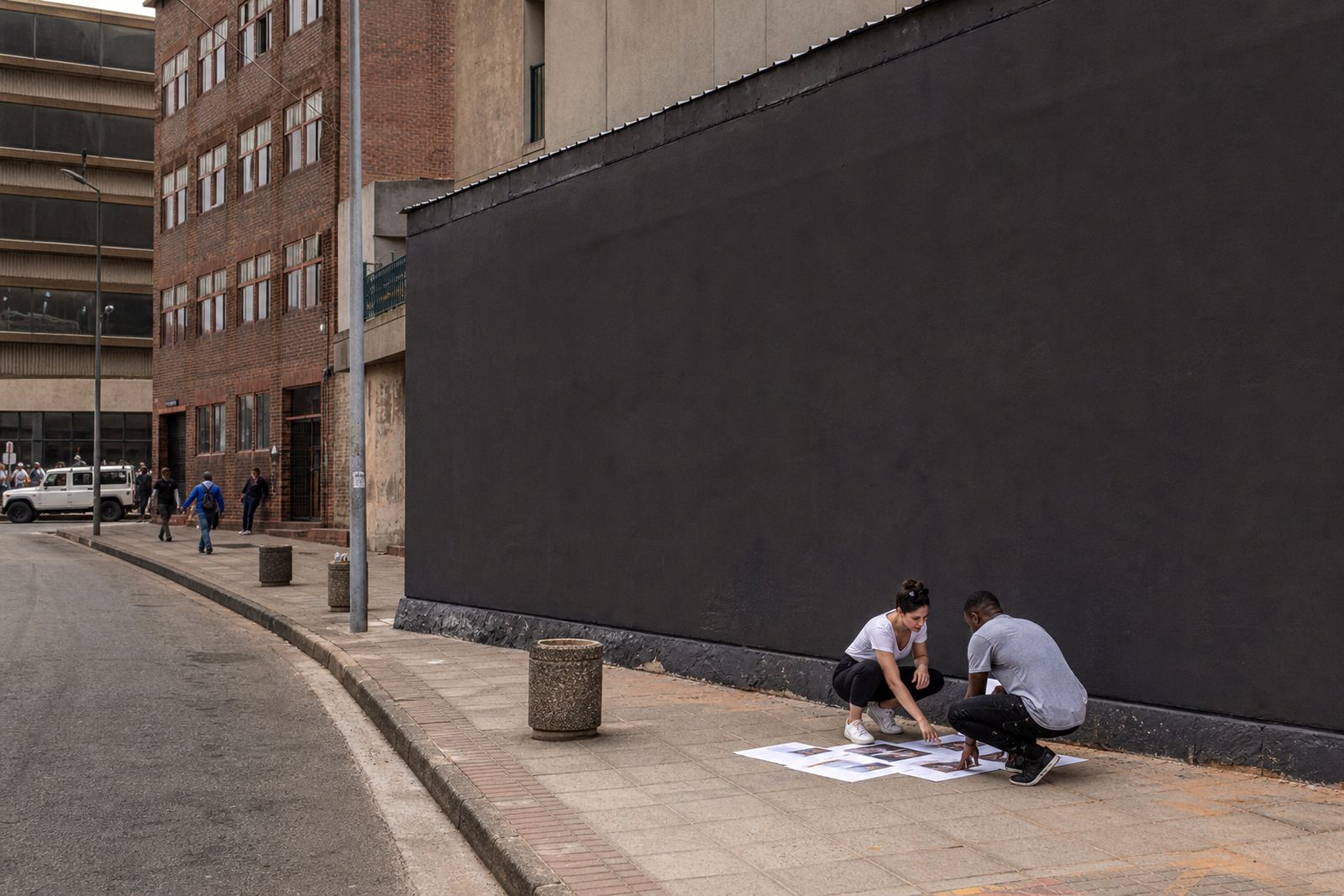
We started by preparing the listing set for the available wall spaces in the Soweto area. That included site photo curation, listing copywriting and availability management so the client could compare locations without having to chase basic details. Each listing was matched against the campaign brief, with attention to wall size, viewing angle, surface condition and whether the site could support the intended message format.
The campaign needed spaces that were easy to book but still suitable for a neighbourhood-focused promotion. We also checked that the listings had the right context for the advertiser, including whether the wall faced a route with regular vehicle movement or foot traffic. In one case, the site was strong from one approach and weak from the opposite side, so we noted that clearly before the client made a choice.
- Space listing setup for the selected Soweto wall sites
- Site photos reviewed and cleaned up for easier comparison
- Brief matching used to pair the advert with suitable walls
- Availability management kept the booking window clear
Booking coordination, consent and bylaw support
Once the client chose the preferred spaces, we moved into booking coordination. This included confirming the property owner's consent, preparing the paperwork trail and guiding the bylaw process support where needed. The client did not need legal language or long back and forth. They needed a clear path from selection to approval, with each step handled in the right order.
We also did artwork spec checks before any production or installation planning was finalised. That helped avoid common problems such as copy that was too small for the viewing distance, poorly placed contact details or layouts that would be difficult to read against a textured wall. Installation scheduling was then lined up around site access and the client’s preferred launch window. There was a small delay on one wall because of access timing, but it was sorted without upsetting the overall plan.
- Consent check guidance completed before booking confirmation
- Bylaw process support handled for the relevant local requirements
- Artwork dimensions and legibility checked against the site view
- Installation scheduling set around access and launch timing
How the roll-out ran over six weeks
The full project ran over six weeks from brief to live placement. Week one was for scoping and site shortlisting. Week two covered photo review, copy preparation and consent checks. Week three focused on selection and booking. Week four was used for final artwork review and scheduling. Week five supported installation timing, and week six was for early campaign monitoring and any small adjustments needed on the listing side.
That pace suited a community promo because it gave enough time for the compliance side to settle properly, while still keeping the campaign relevant to local movement patterns. The client appreciated that the process was structured but not over-complicated. They could see what had been done, what was still pending and where the next action sat. That kind of clarity saves time and avoids missed handovers.
- Week 1: brief intake and location shortlisting
- Week 2: photo curation, copywriting and consent guidance
- Week 3: space selection and booking coordination
- Week 4: artwork spec check and scheduling
- Week 5: installation support
- Week 6: campaign monitoring and listing follow-up
What worked well and what we would repeat
The strongest part of this project was the combination of practical site vetting and clean communication. The client got wall spaces that suited a local service campaign without unnecessary detours, and the checks around consent and municipal approval kept the process grounded. The listings were straightforward, the booking steps were orderly and the site information made it easier to choose spaces with confidence.
If we were repeating this campaign, we would use the same approach again: start with the route, not just the wall; keep the artwork simple; and confirm every consent item before the booking is locked. For a community-facing campaign in Soweto that is usually the best way to keep momentum. We would also keep a close eye on renewal timing, because good wall positions are often wanted again and again. A little early planning goes a long way, especially when the area is busy and access windows are tight.
- Keep the message short and readable from a moving vehicle or on foot
- Confirm consent and bylaw steps before finalising any space
- Use site photos to judge sightlines and wall condition properly
- Plan renewal early if the same route exposure is needed again
Key facts
| Project | Soweto Community Promo |
|---|---|
| Area | Soweto, Johannesburg |
| Campaign type | Outdoor wall advertising for a local service business |
| Timeline | 6 weeks from brief to early monitoring |
| Key compliance | Property owner consent and municipal bylaw approval guidance |
| Services used | Space Listing Setup, Site Photo Curation, Brief Matching, Booking Coordination, Consent Check Guidance, Bylaw Process Support, Artwork Spec Check, Installation Scheduling, Campaign Monitoring |