What the Kimberley brief called for
The client was a local service business in Kimberley serving households and small commercial sites across town. They wanted outdoor wall advertising that would support everyday callouts, not a polished brand story that gets ignored on the move. The focus was simple: name the service, point people to the right action, and place the message where local movement is steady throughout the week.
We treated the campaign as a practical placement exercise rather than a broad brand push. That meant short copy, strong readability at a glance, and a careful match between the service message and the wall surfaces available in the area. The client also needed help navigating the sign consent process and the municipal bylaw requirements, which can slow things down if the paperwork is not lined up early.
- Client type: local service business
- Town: Kimberley
- Placement type: wall-space advertising
- Message style: direct, service-led and readable from a moving vehicle
Site selection around daily movement corridors
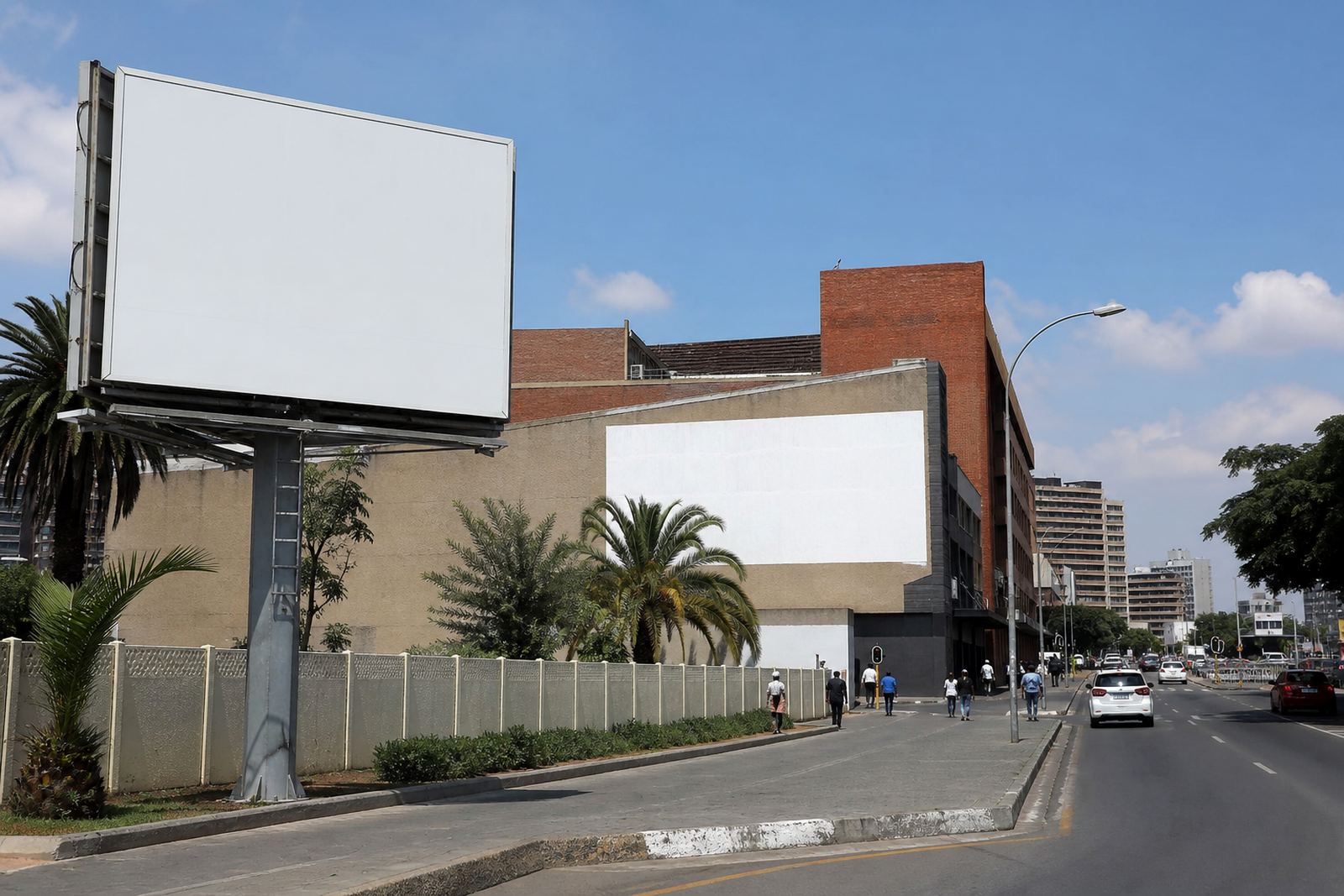
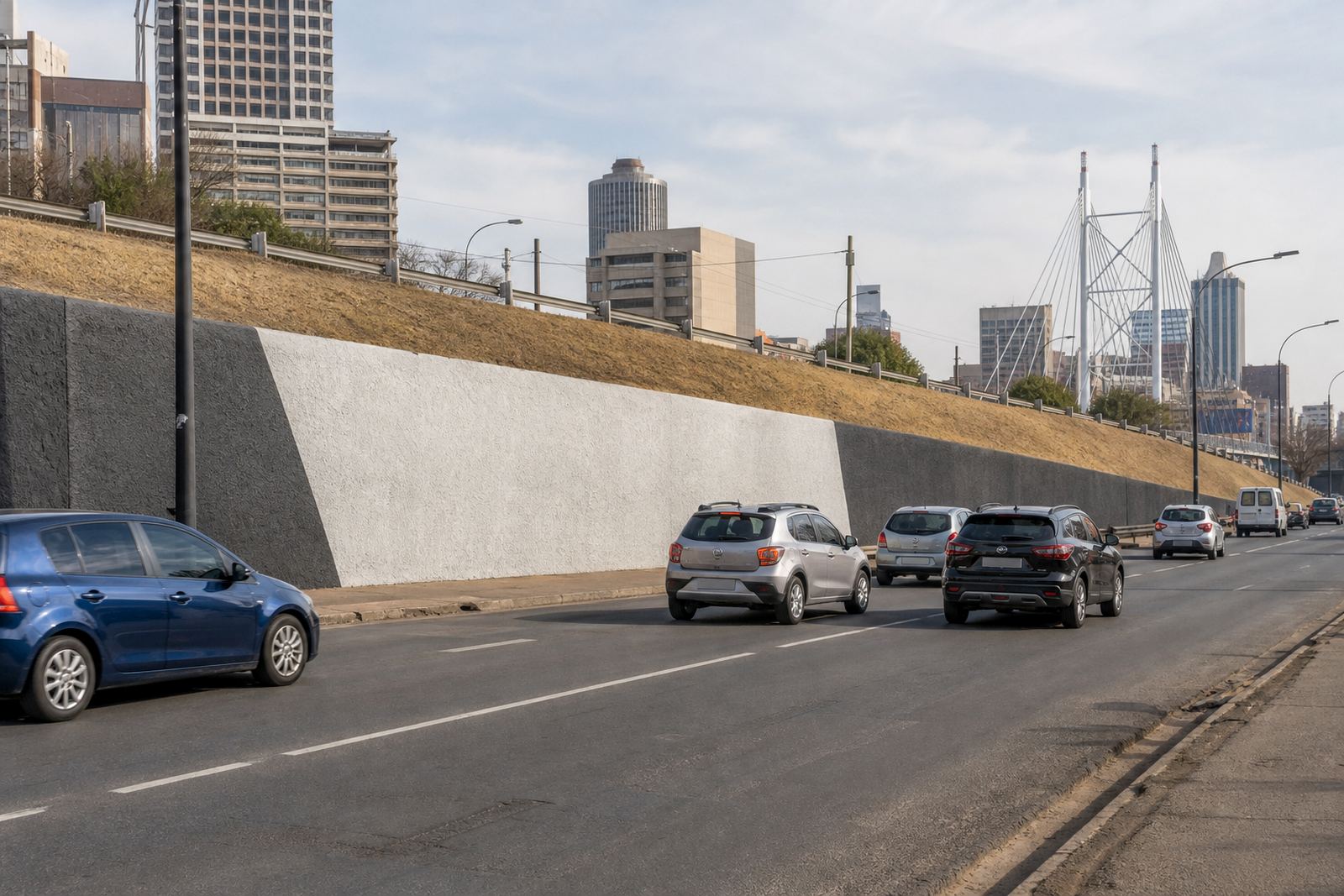
Kimberley has a mix of commuter movement, school runs, local shopping trips and service traffic, so we looked for walls that sat near predictable daily routes rather than chasing decorative locations. The strongest options were those visible from roads where people slow down naturally, especially near access points into business strips and neighbourhood connectors. In a place like Kimberley, the right wall can do more work than a larger but poorly placed sign.
We also considered the practical conditions on site. Some walls get strong sun exposure, dust build-up and weathering from wind, so the location had to work not only for visibility but for maintenance too. Where access was limited or where the wall faced awkward angles, we ruled it out early. That kept the shortlist manageable and reduced back-and-forth for the property owner.
- Visibility from moving traffic was prioritised over size alone
- Sites needed enough frontage for quick reading
- Access for installation and later inspection had to be realistic
- Wall condition and exposure were checked before booking
Consent, bylaw checks and booking coordination
Before any placement could move ahead, the property owner's consent had to be confirmed in writing. We then guided the bylaw process so the client was not caught out by local approval requirements. This is often the point where campaigns lose time, especially if the intended artwork size does not match the wall or if the site falls into a sensitive area. We kept the steps moving in order so the client could focus on the message instead of chasing paperwork.
Our coordination covered the booking, the consent check guidance and the installation schedule. We also reviewed whether the artwork format suited the wall dimensions and whether the copy would still be clear once viewed from a distance. For a service business, small details matter a lot, because the sign has to work in seconds. A missing phone block or a cramped logo can ruin a good wall.
- Property owner consent was obtained before booking
- Municipal bylaw approval guidance was provided
- Artwork specs were checked against the wall size
- Installation timing was aligned with site access
What we supplied and how the listing was handled
We supplied the practical side of the campaign from start to finish. That included site photo curation, listing copywriting, brief matching and availability management so the client could compare options without guessing. We also handled booking coordination and listing renewal support, which matters when a business wants to keep a good location live beyond the first term. The process was kept plain and ordered, because there was no need for fancy language or extra layers.
Our team made sure the listing information matched the real site conditions, including wall dimensions, viewing direction and any restrictions tied to access or timing. We also checked the campaign details against the installer brief so nothing was lost between the listing stage and the physical work. Bianca handled the copy and listing notes, while Pieter kept the compliance side on track, and Musa managed the timeline. It was the sort of project where everyone had a clear job and the handover stayed clean.
- Site photo curation for clearer decision-making
- Listing copywriting with direct service wording
- Availability management across the booking window
- Installation scheduling with compliance checks built in
Timeline and rollout in weeks
The full project ran over four weeks from first brief to live placement. Week one covered the enquiry, site review and consent checks. Week two was used for listing confirmation, artwork spec review and final approval steps. Week three covered booking coordination and installation scheduling, while week four was the rollout and early campaign monitoring. That pace worked well because it gave enough time for the municipal side without letting the opportunity drift.
Kimberley projects can stall if approvals are left too late, so we kept the sequence tight but realistic. There was no rush job and no loose ends. The client needed a clean handover, and that is what we aimed for. A service campaign like this does best when it arrives on time and stays consistent, not when it is repeatedly reworked after the fact. The result was a steady, practical launch that matched the town and the business need.
- Week 1: brief, site shortlist and consent guidance
- Week 2: artwork specs and approval steps
- Week 3: booking and installation planning
- Week 4: live placement and monitoring
What worked once the wall went live
The campaign worked because the message was built for the conditions on the ground. The wording was short enough to read in motion and the placement sat where daily movement already existed. For a service business, that matters more than trying to say too much. The client wanted calls and enquiries from people who already pass the area, and the wall message supported that without overcomplicating the offer.
One useful outcome was that the campaign gave the business a local presence without needing repeated explanations. People could identify the service type quickly, which made the sign useful for both direct response and general awareness. There was also value in the controlled rollout, since the property owner was comfortable with the arrangement and the compliance steps had been handled properly. That part might sound basic but it saves a lot of grief later.
- Clear service message at street speed
- Practical use of a known movement corridor
- Compliance handled before launch
- Owner and advertiser expectations kept aligned
What we would repeat on the next Kimberley job
We would repeat the same approach on the next Kimberley campaign: keep the copy short, match the wall to the movement pattern, and start the consent and bylaw process early. That combination gives the client a fair chance of landing a useful site without wasting weeks on unsuitable options. It also leaves room to adjust the message if the business changes its priority, whether that is enquiries, bookings or general awareness.
For service businesses in smaller towns, the best results usually come from disciplined planning rather than big claims. We would again use strong site photos, careful availability checks and plain language that makes the offer obvious. The main lesson from this project was that a well-placed wall can do steady work when the details are handled properly from the start.
- Start with consent and compliance early
- Use copy that reads in one quick pass
- Choose sites with real daily movement
- Keep the booking and installation chain tight
Key facts
| Project type | Outdoor wall advertising campaign for a service business |
|---|---|
| Town | Kimberley |
| Timeline | 4 weeks |
| Placement focus | Daily movement corridors and visible roadside walls |
| Compliance | Property owner consent plus municipal bylaw approval support |
| Deliverables | Site photos, listing copy, booking coordination, installation scheduling, monitoring |