A short-term brief for a busy Hatfield window
The client was an events team in Johannesburg needing a short promotion around Hatfield, with reach into the streets and corridors where people were already moving for work, study and evening plans. The ask was simple on paper but strict in practice: secure visible wall and billboard space, keep the placement period short, and make sure each site could be supported through the proper consent and municipal bylaw process.
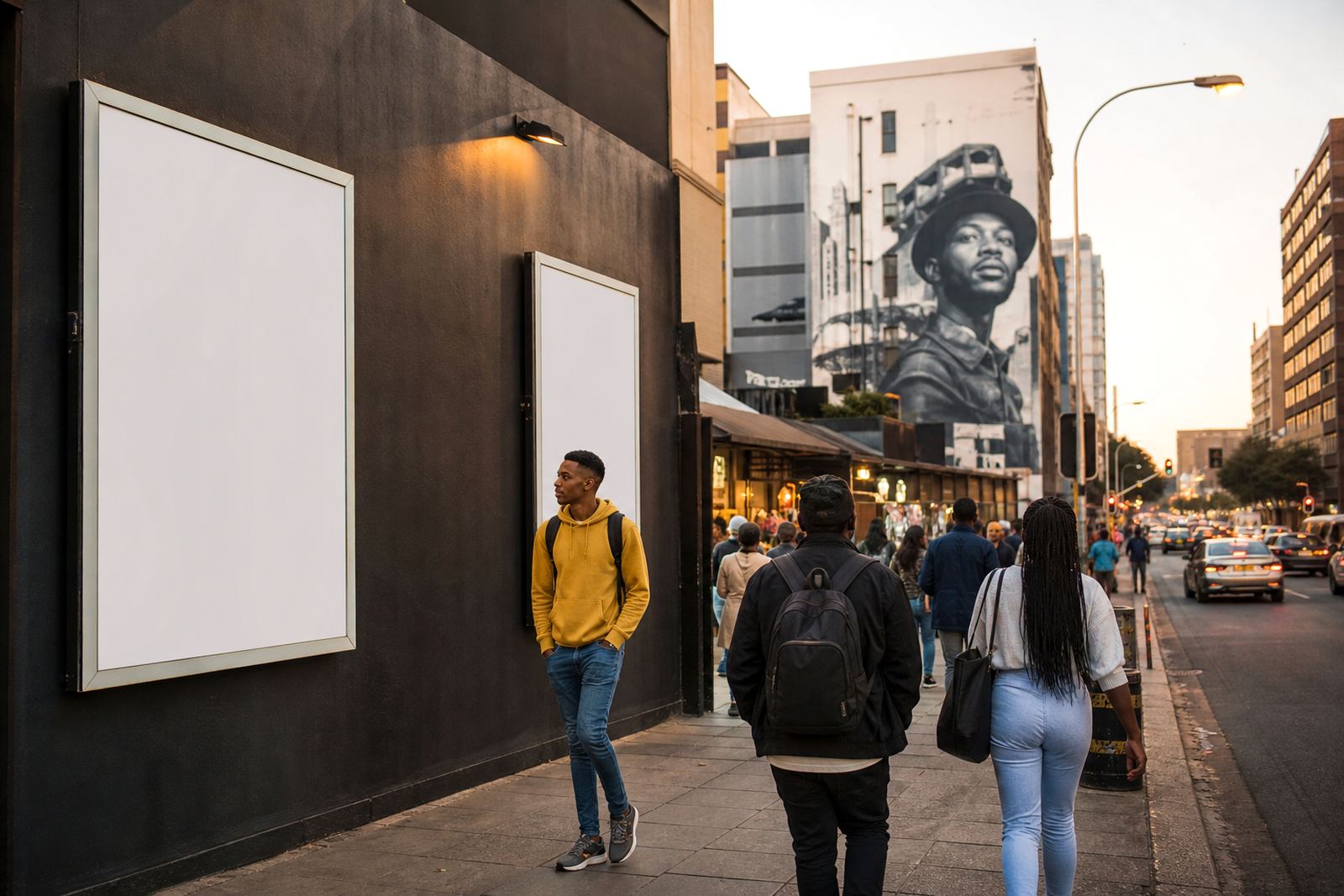
Hatfield is not the place for vague planning. Footfall changes by the hour, loading access can be tight, and a site that looks good from the road may still need careful checking for sightlines, parking impact and installation access. We treated the job as a time-sensitive campaign with a fixed start date and a clear handover for installation, not just a list of spaces. The client wanted placements that would hold attention without creating delays for the property owner or the installer, and that is exactly how we shaped the brief.
What made the placement selection tricky
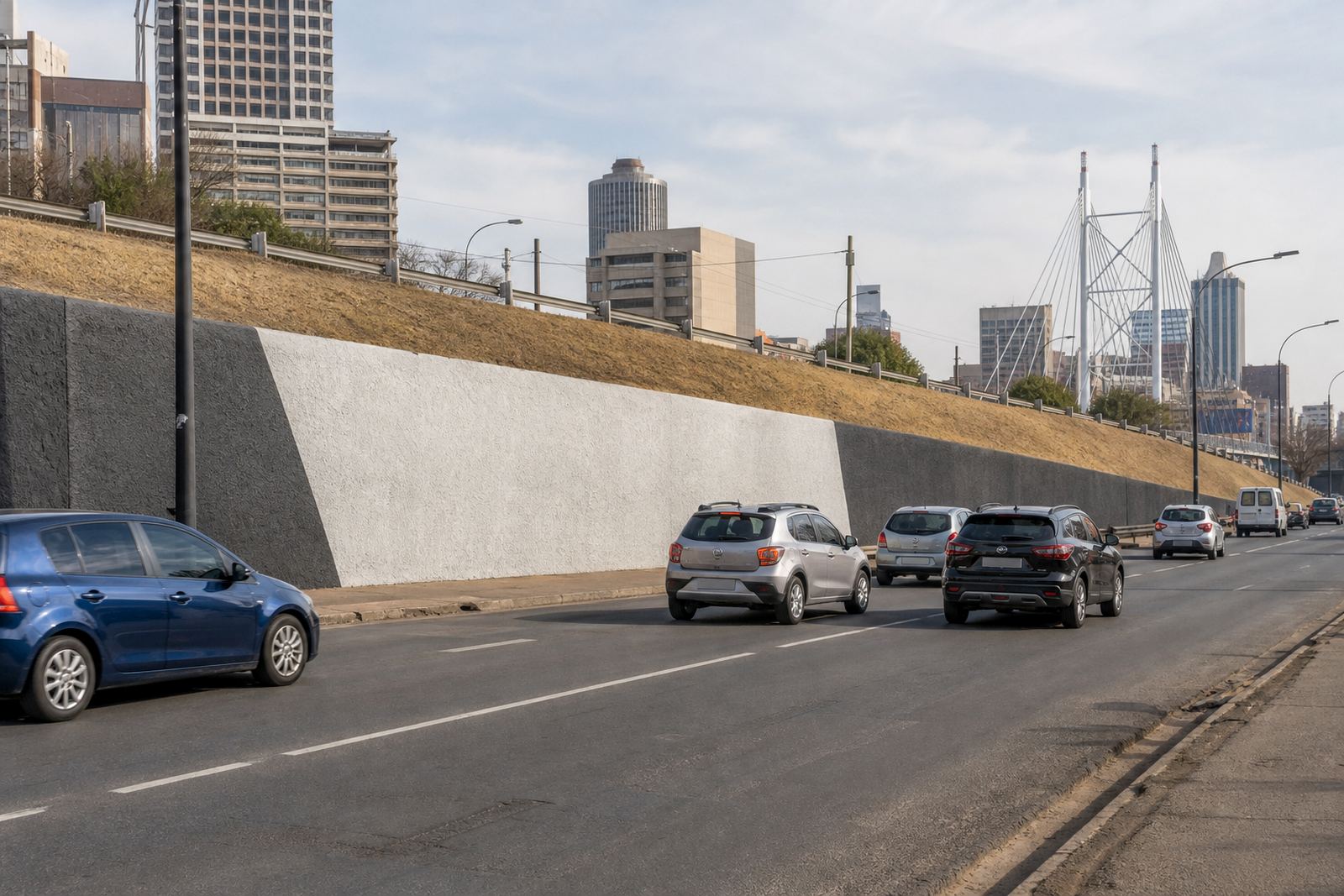
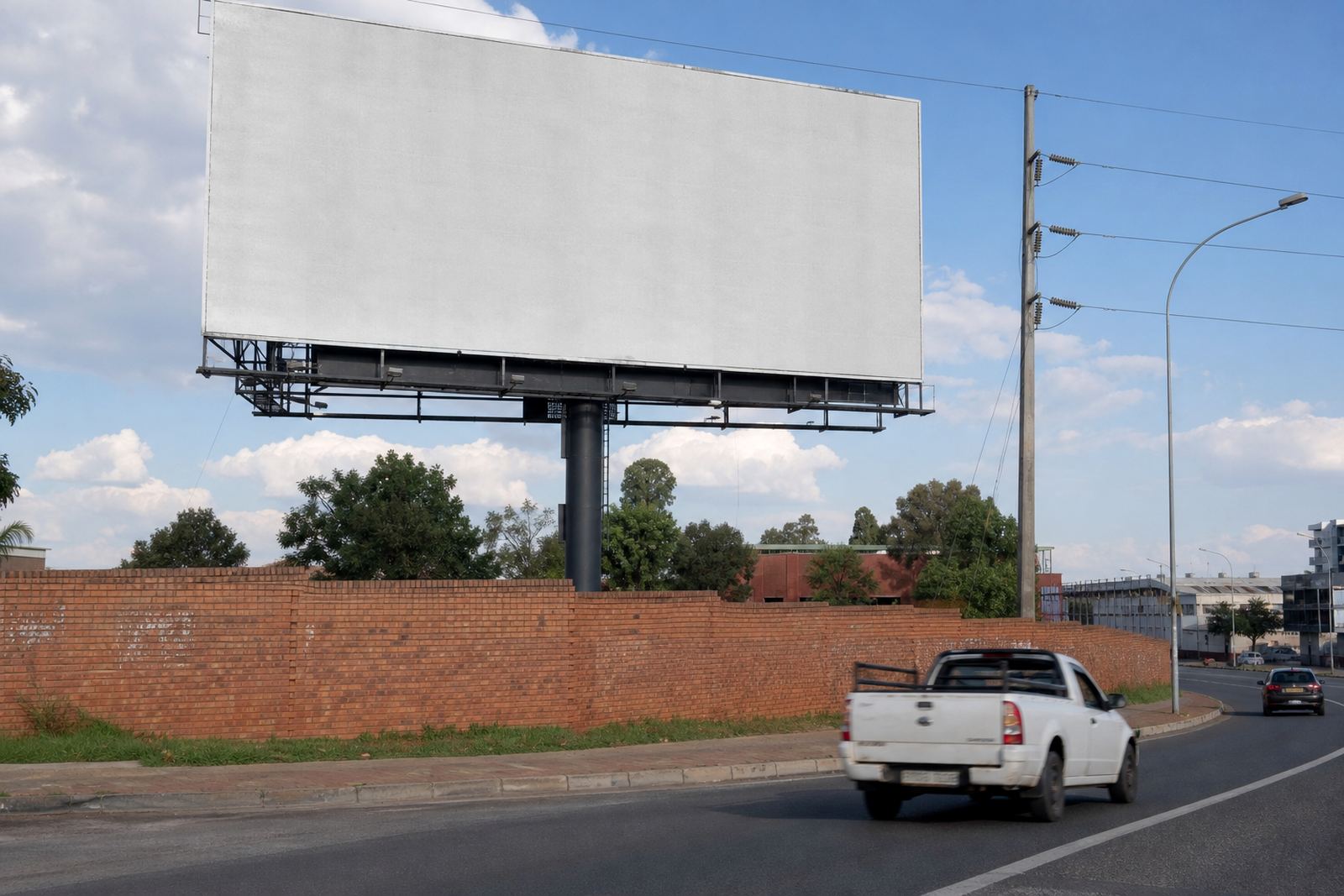
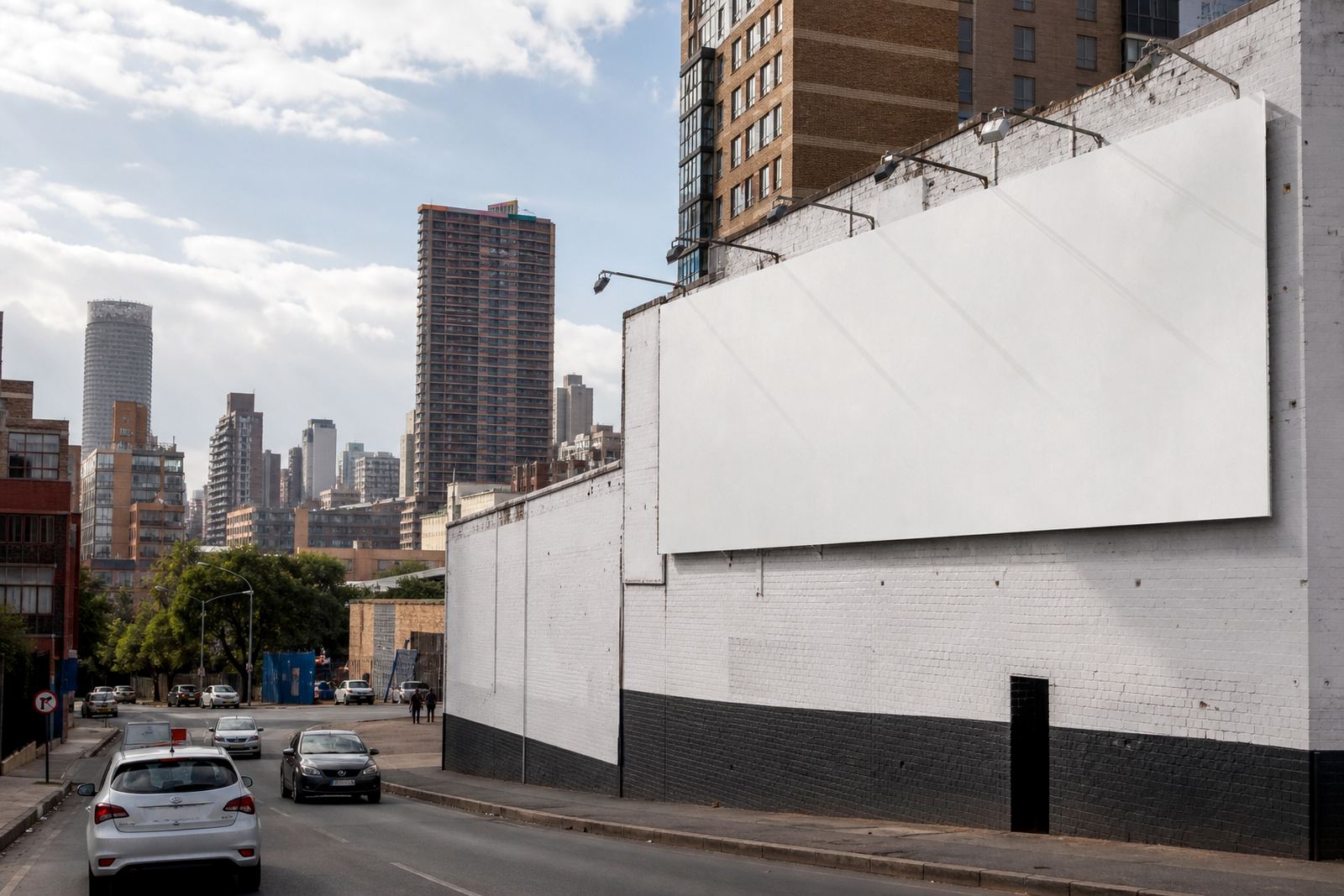
The biggest constraint was timing. The campaign had to line up with the event period and allow enough room for artwork approval, owner consent, and bylaw guidance before anything went up. Another factor was the mix of properties in and around Hatfield. Some walls offered good street exposure but needed closer checks on mounting points, while some larger-format boards were suitable for short runs yet required exact measurements and access plans. We had to balance visibility with practicality.
Because the campaign was event-led, the client did not want a long commitment or a complicated roll-out. They needed placements that could be booked, checked and scheduled within a few weeks. We also kept an eye on weather exposure, since outdoor vinyl and fixed panels can be affected by wind, dust and rain. In Johannesburg, you cannot ignore the effect of afternoon storms or the odd power interruption when a team is trying to coordinate installation windows, so we planned the timeline around that too.
- Short-term placements only, matched to the event window
- Outdoor sites near transport activity and busy pedestrian routes
- Artwork dimensions checked before booking confirmation
- Owner consent and local bylaw steps included in the process
How we handled the listings and booking flow
We started by matching the brief to available wall and billboard options in Hatfield and nearby parts of Pretoria where the campaign could still stay relevant to the target movement patterns. Our team prepared the listings, checked site photos, and wrote clear copy so the client could compare placements without chasing extra details. That meant showing the format, approximate positioning, access notes and any practical conditions upfront.
From there, we managed the booking coordination and the consent check guidance. Where a property owner needed additional supporting information, we prepared it. Where a bylaw process needed a specific step or document, Pieter and the compliance side kept the sequence clear. The advertiser success team then kept the client updated so there was no back and forth between sales talk and actual progress. It was a straightforward approach, but it saved time, and no one had to guess what was happening next.
- Space listing setup for selected Hatfield and nearby sites
- Site photo curation for clearer comparison
- Listing copywriting with practical location notes
- Availability management and brief matching
- Booking coordination with owner consent guidance
Artwork checks and installation planning
The artwork stage mattered as much as the location itself. We checked the supplied material against the site requirements, including proportion, viewing distance and file readiness for print or display preparation. Where a board or wall section needed a specific finish, we flagged it early so there would be no last minute changes. That saved the client from reworking the creative after the booking was already in motion.
Installation scheduling was coordinated around the site access times and the short campaign duration. For a temporary promotion, the timing has to be clean: arrive, fit, secure, check, and move on. We also kept the property owner informed about the schedule so access could be arranged without disturbing normal use of the building or tenant activity. A few sites needed a second site walk through before sign-off, mostly to confirm fixings and safe working room, and that was handled with no drama. The event team appreciated that the process was practical rather than fancy.
What the campaign delivered on the ground
The campaign ran over a few weeks, with placements going live in line with the event push. The result was a neat, local presence around Hatfield that supported awareness without overreaching the budget or the schedule. The client had a small set of clear, visible placements instead of a patchy mix of options, and each one was booked with the necessary consent in place. That gave the promotion a proper foundation and reduced the risk of delays once the campaign was underway.
We do not overstate results on a project like this. What mattered here was that the event team got the right mix of short-term outdoor space, the property owners were treated properly, and the booking process held together under time pressure. The client was able to keep the promotion focused on the event itself, while we handled the moving parts behind the scenes. For a short run in a busy area, that is the part that really counts.
- Campaign booked and launched within the planned window
- Placements aligned to short-term event visibility needs
- Consent and bylaw steps handled before installation
- Clear communication between advertiser, owner and compliance team
What we would repeat for a similar event
If we were doing this kind of campaign again, we would use the same sequence: lock the brief early, shortlist practical sites first, verify consent before promise, and keep the artwork and installation steps tied to the calendar. For Hatfield, that approach works because the area moves quickly and the usable spaces can change depending on access, landlord preference and municipal requirements. A clean process is worth more than chasing every available wall.
We would also keep the project local where possible, with a strong focus on sites that suit event promotion and short duration bookings. That includes the areas around Braamfontein, Pretoria, Sandton, Midrand and other high movement nodes when the brief needs broader support. For an event client, the best outcome is not just finding a visible wall, it is finding a wall that can actually be used, on time, without complications. That is the sort of work we are set up to handle, and we would take the same practical line again.
Key facts
| Project | Hatfield Event Push |
|---|---|
| Town | Hatfield, Pretoria |
| Campaign type | Short-term outdoor event promotion |
| Placement mix | Billboard and wall-space options |
| Timeline | 3 weeks from brief to live placement |
| Compliance | Property owner consent and local municipal bylaw guidance |
| Support provided | Listing setup, booking coordination, artwork spec check and installation scheduling |