
Tourism brief for a city that needs strong first impressions
The brief came from a tourism marketer promoting Cape Town as a city break and holiday stop for domestic travellers. The team wanted outdoor advertising that would work across entry routes and built-up urban areas, with visuals that could carry a simple travel message without crowding the space. The campaign needed to feel practical and polished, not overdone, and the placements had to suit the way people move through the city by car, taxi and on foot.
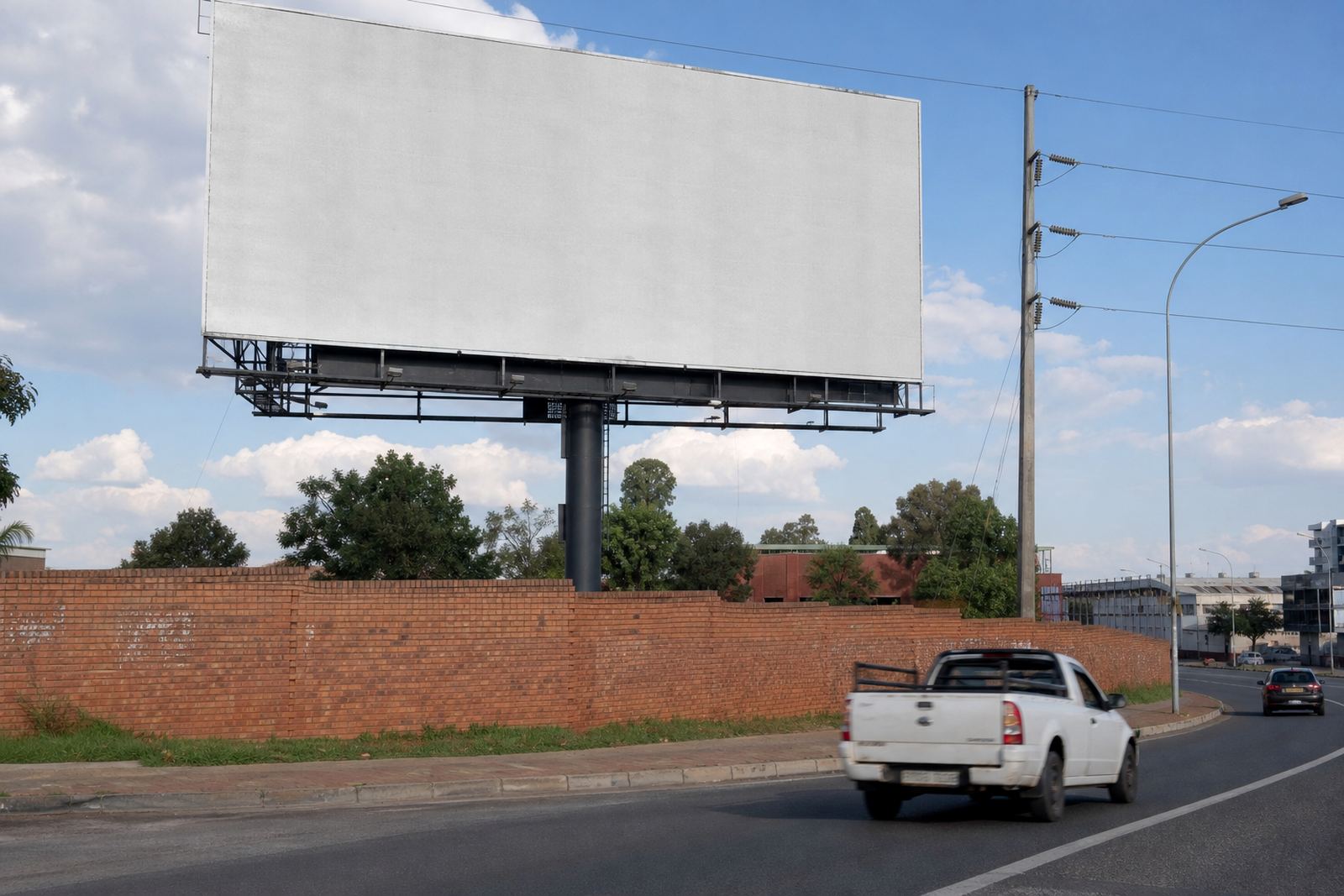
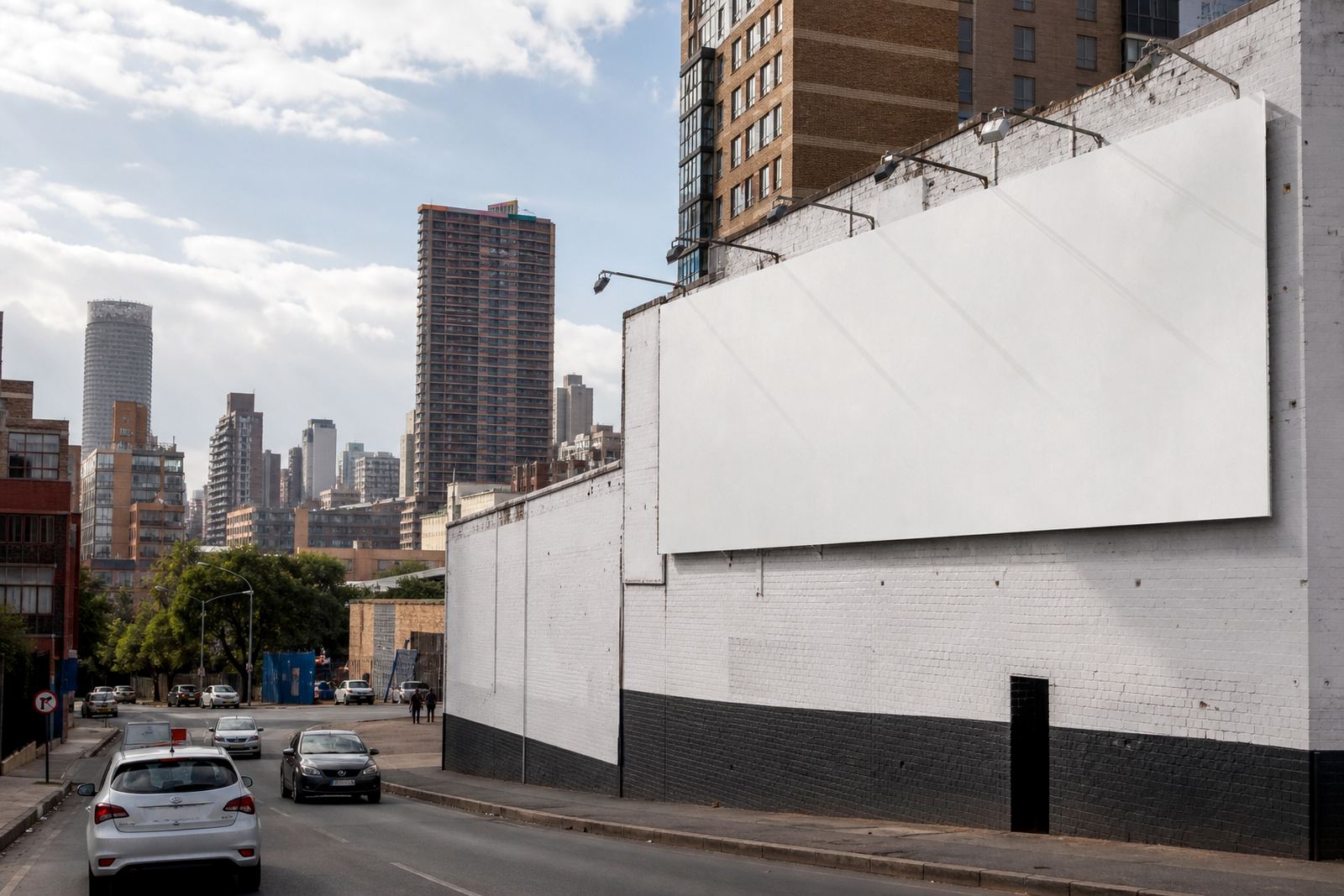
We started with a mix of city entry boards and exterior wall sites in areas where the route geometry would allow decent visibility from a steady approach. The client wanted coverage that could support awareness from the moment a vehicle entered the city edge, then reinforce the message closer to busy urban nodes. The aim was to keep the route planning tight and make sure each site served a clear purpose in the overall plan.
- Project type: destination campaign for a tourism client
- Area focus: Cape Town and surrounding entry routes
- Format mix: city entry boards and exterior wall advertising
- Approach: route based planning with multiple site options
What made the site selection more complex than usual
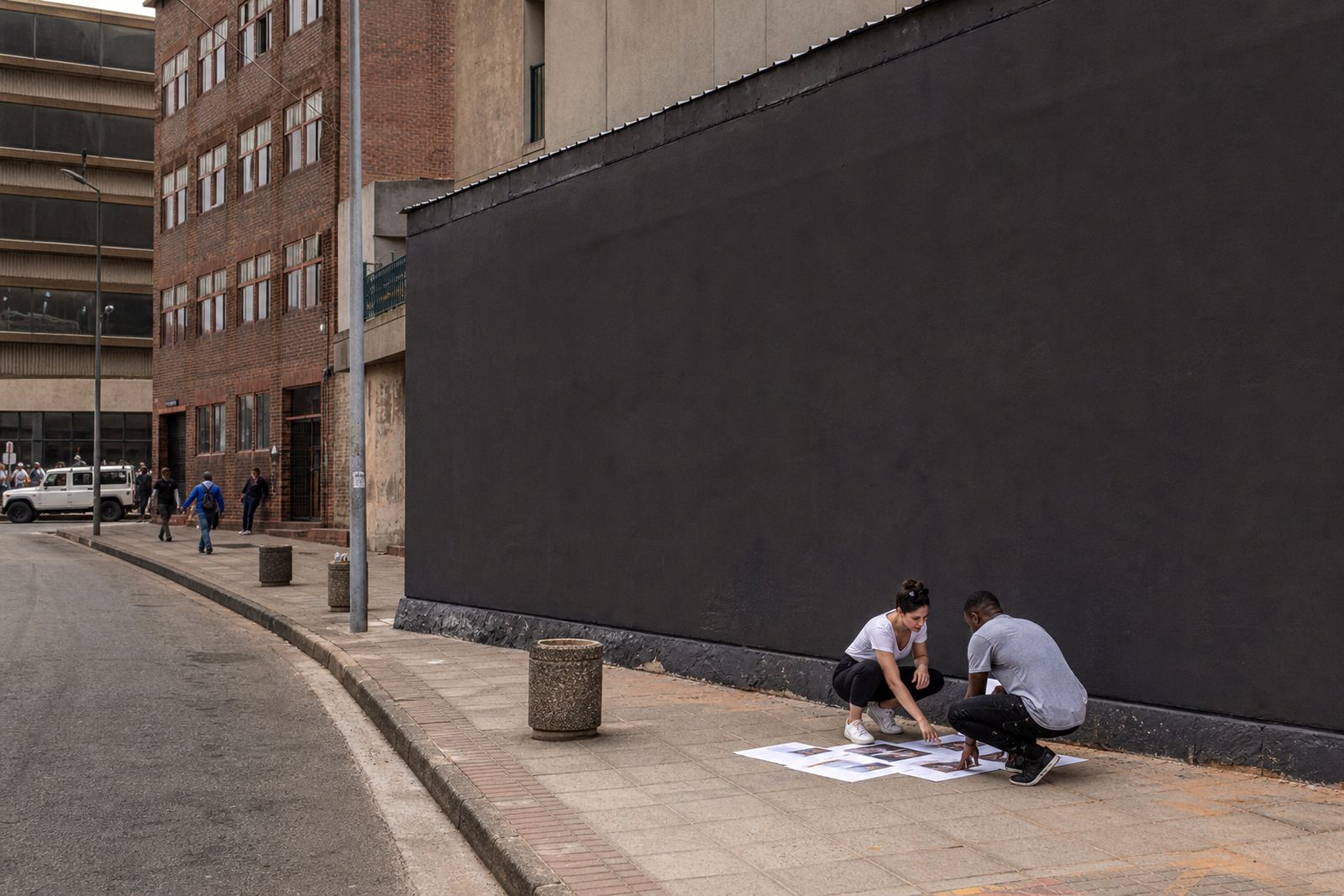
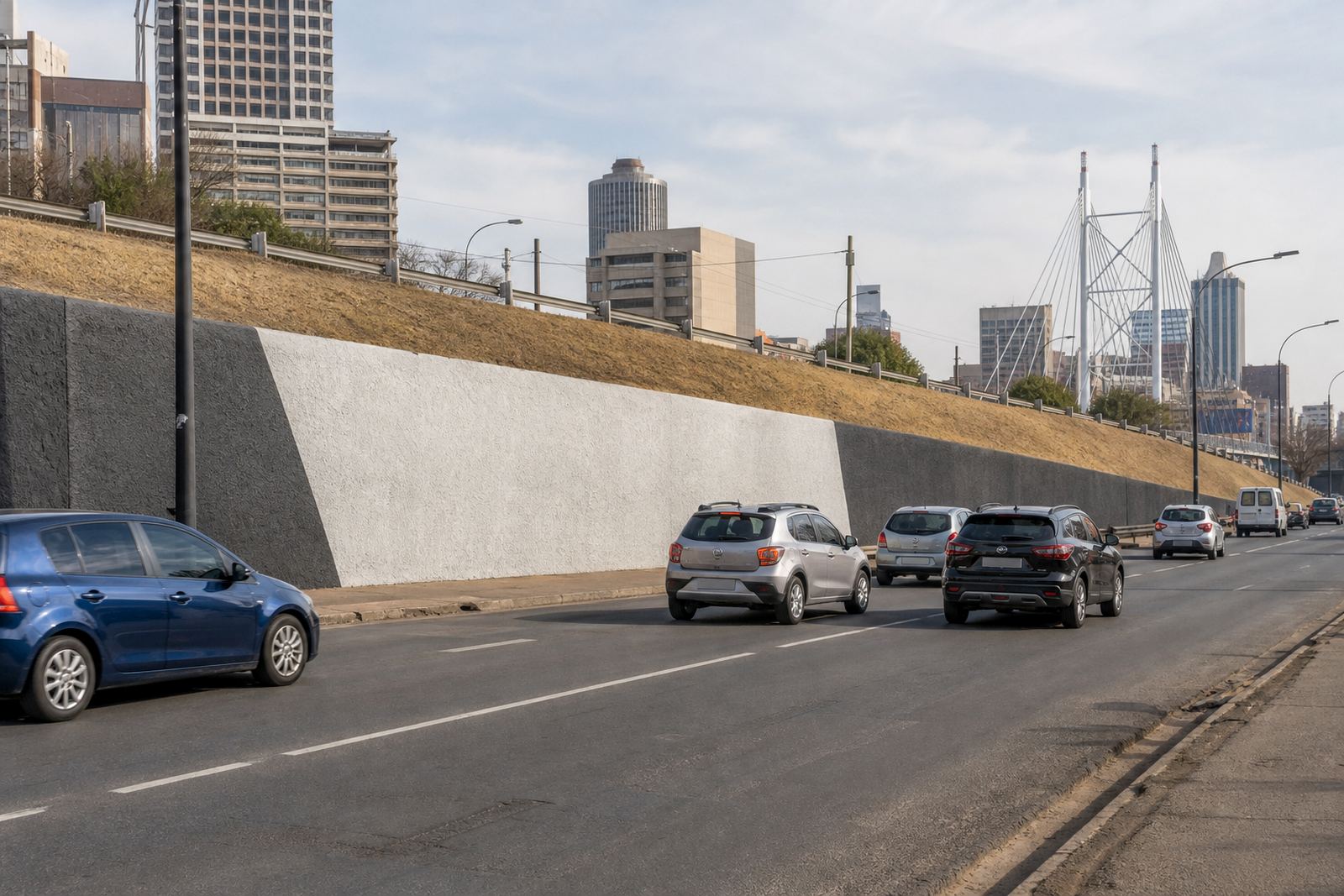
Cape Town gave us good variety but it also came with a few practical limits. Some wall sites sat in coastal conditions, so we had to think about salt air, fading and how long the printed face would stay clean enough for the intended run. Other sites were in mixed-use areas where the building owner had to be comfortable with installation timing, access and the look of the final finish. On the board side, the client wanted entry points that could handle a clean tourism message without unnecessary clutter.
We also had to factor in local compliance. Signage needs the property owner’s consent and the relevant municipal bylaw approval, and that can affect timing, artwork changes and installation sequencing. One site looked ideal on paper but needed a revised layout because the original copy line was too long for the panel size and the sightline from the road. That kind of adjustment is normal, but it means the listing and production notes need to be accurate from the start.
- Consent check guidance for each property
- Bylaw process support before final booking
- Artwork spec check for panel size and viewing distance
- Installation scheduling around access windows and weather
How we put the package together
We pulled together a shortlist of available spaces through the marketplace and matched them to the campaign brief. That meant checking the wall dimensions, the mounting position, the route angle and the practical visibility of each site. We also curatd the site photos and updated the listing copy so the client could compare placements properly without guessing about the surroundings. The work was done in phases, with each approval step feeding into the next one.
Once the selection was agreed, we handled booking coordination and kept the availability aligned across the chosen sites. The logistics side included checking how each face would be installed, whether any access equipment would be needed, and how the campaign dates would fit the owner’s schedule. We also supported listing renewal where a site needed to stay live longer than the first booking window.
- Space listing setup and listing copywriting
- Site photo curation for clearer comparison
- Brief matching across several Cape Town locations
- Booking coordination and availability management
- Listing renewal support when dates shifted
Timeline from brief to live placements
The project ran over five weeks from the first brief through to final installation scheduling. The first week was used for matching the campaign to available sites and checking which properties could move forward with consent. The second week focused on shortlisting and sharing the relevant site details with the client. By week three, artwork spec checks were underway and a few layouts were adjusted for better legibility from traffic speed and walking distance. Weeks four and five covered approvals, booking confirmation and rollout planning.
Because outdoor campaigns can move out of sequence if a site is delayed, we kept close contact with all parties involved. The property side had to stay informed, the advertiser needed regular updates and the installation team needed clear instructions. That is where campaign logistics make a difference, especially when the brief includes more than one format and more than one location. It is easy for a nice idea to slip if the steps are not tracked properly.
- Week 1: brief capture and site matching
- Week 2: shortlist review and owner consent checks
- Week 3: artwork checks and layout adjustments
- Weeks 4 to 5: booking, approvals and installation scheduling
What the campaign achieved on the ground
The finished package gave the tourism client a clear outdoor presence that linked the edge of the city with selected wall sites closer to daily movement. The entry boards handled the first impression, while the walls helped keep the destination message in view along the route. The campaign looked coherent across different formats, which is important when the audience is passing fast and only has a few seconds to take in the message.
From our side, the success was in the fit. The sites suited the brief, the paperwork stayed in order and the timings held together without unnecessary back and forth. For a destination campaign, that balance matters as much as the artwork itself. If the placements feel out of place or the approvals drag on, the whole thing loses pace. Here, the process stayed practical and the placements did the job they were meant to do.
- Consistent look across board and wall formats
- Clear route visibility without cluttered visuals
- Better control of timing through coordinated logistics
- Paperwork and consent handled before installation
What we would repeat for the next tourism run
If we were putting together a similar campaign again, we would keep the same structure: start with route logic, then choose the wall and board mix only after checking consent, access and bylaw steps. That sequence saves time and avoids last minute changes. We would also keep the copy tight, because tourism campaigns can lose strength when the wording tries to say too much at once.
For Cape Town, we would again favour placements that suit the city’s movement patterns and weather conditions, then build the booking window around realistic installation dates. The job is not just to find a space, it is to make sure the space can actually carry the message safely and on schedule. That is the part people do not always see, but it is the part that keeps the campaign steady.
- Keep the brief route based from the start
- Check owner consent and municipal approvals early
- Match artwork to the exact panel and wall specs
- Plan for weather, access and install timing
Key facts
| Client type | Tourism advertiser |
|---|---|
| Project area | Cape Town |
| Formats used | City entry boards and exterior wall advertising |
| Timeline | 5 weeks |
| Compliance | Property owner consent and municipal bylaw approval required |
| Services used | Space Listing Setup, Site Photo Curation, Booking Coordination, Consent Check Guidance, Bylaw Process Support, Installation Scheduling |