Campaign Brief and Local Fit
The client was a regional advertiser with a town-wide brief in East London and surrounding suburbs, looking for steady visibility without relying on one single site. The aim was to place the message where people move through daily routines, including shopping runs, commute routes and mixed-use areas with regular footfall.
We worked from the start on a multi-site approach because the message needed broader coverage than one wall or one board could offer. In East London that means balancing suburban exposure with commercial stretches, then checking that each site suits the artwork size, viewing angle and local context.
- Project type: multi-site outdoor and wall-space rollout
- Town focus: East London and nearby suburban areas
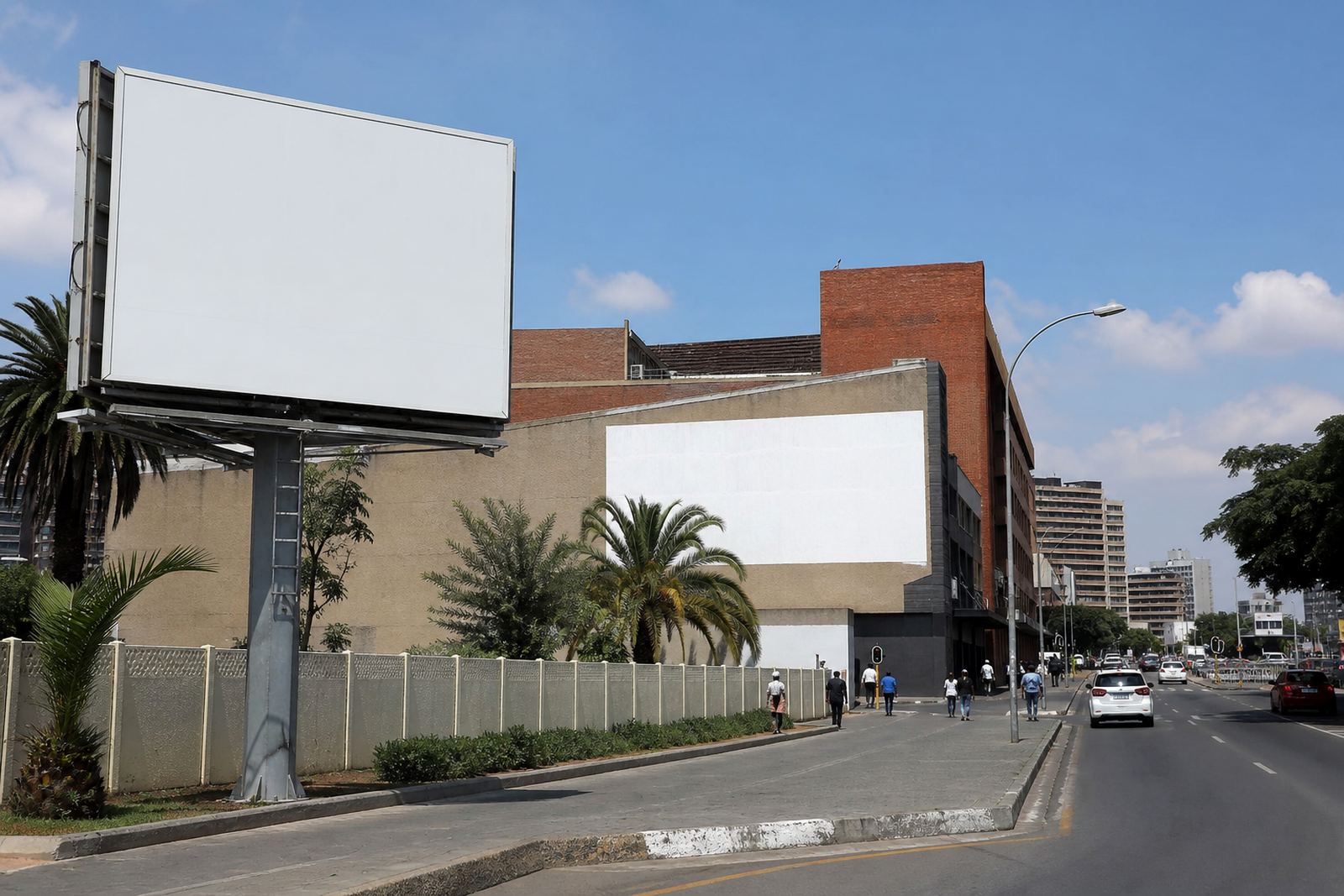
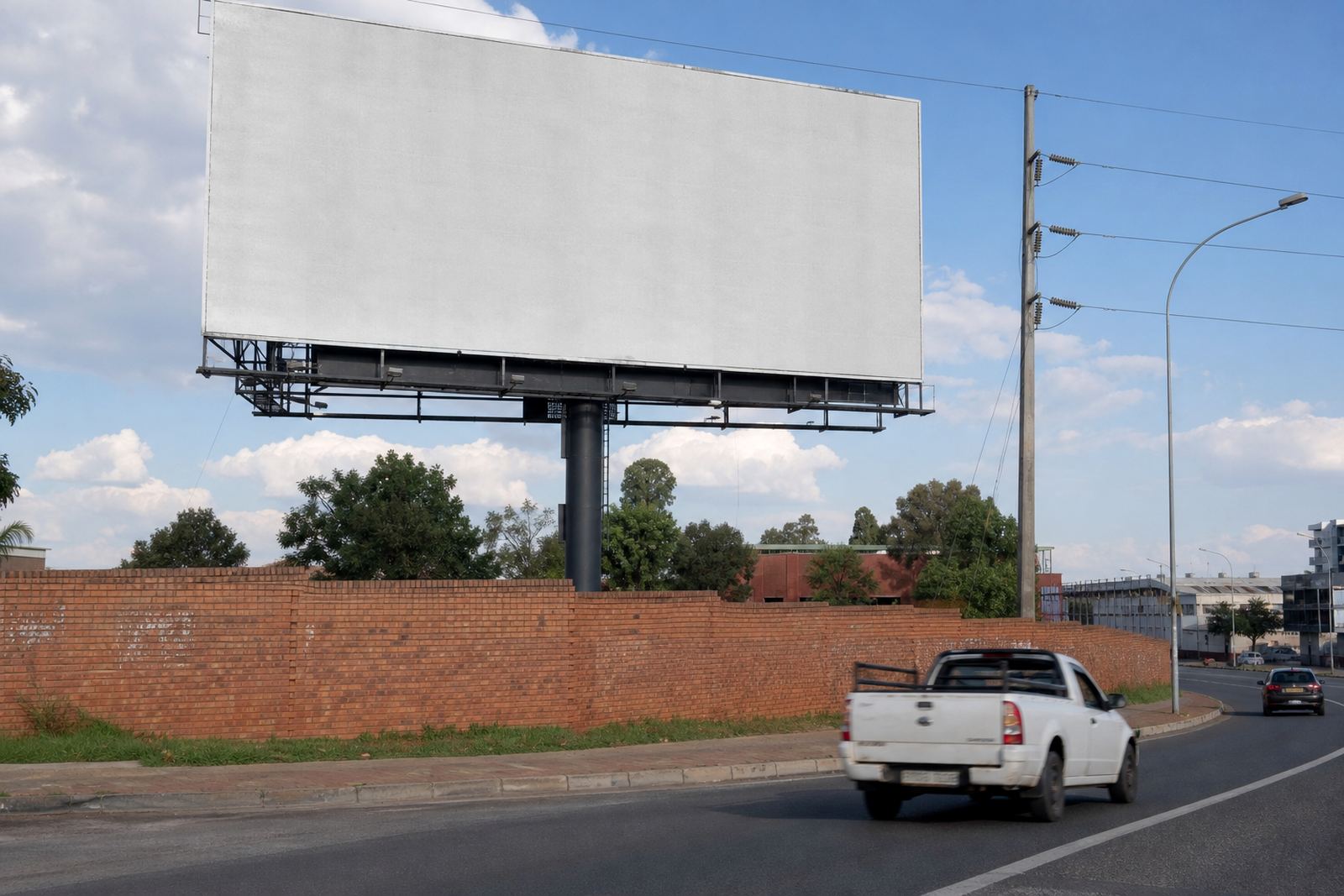
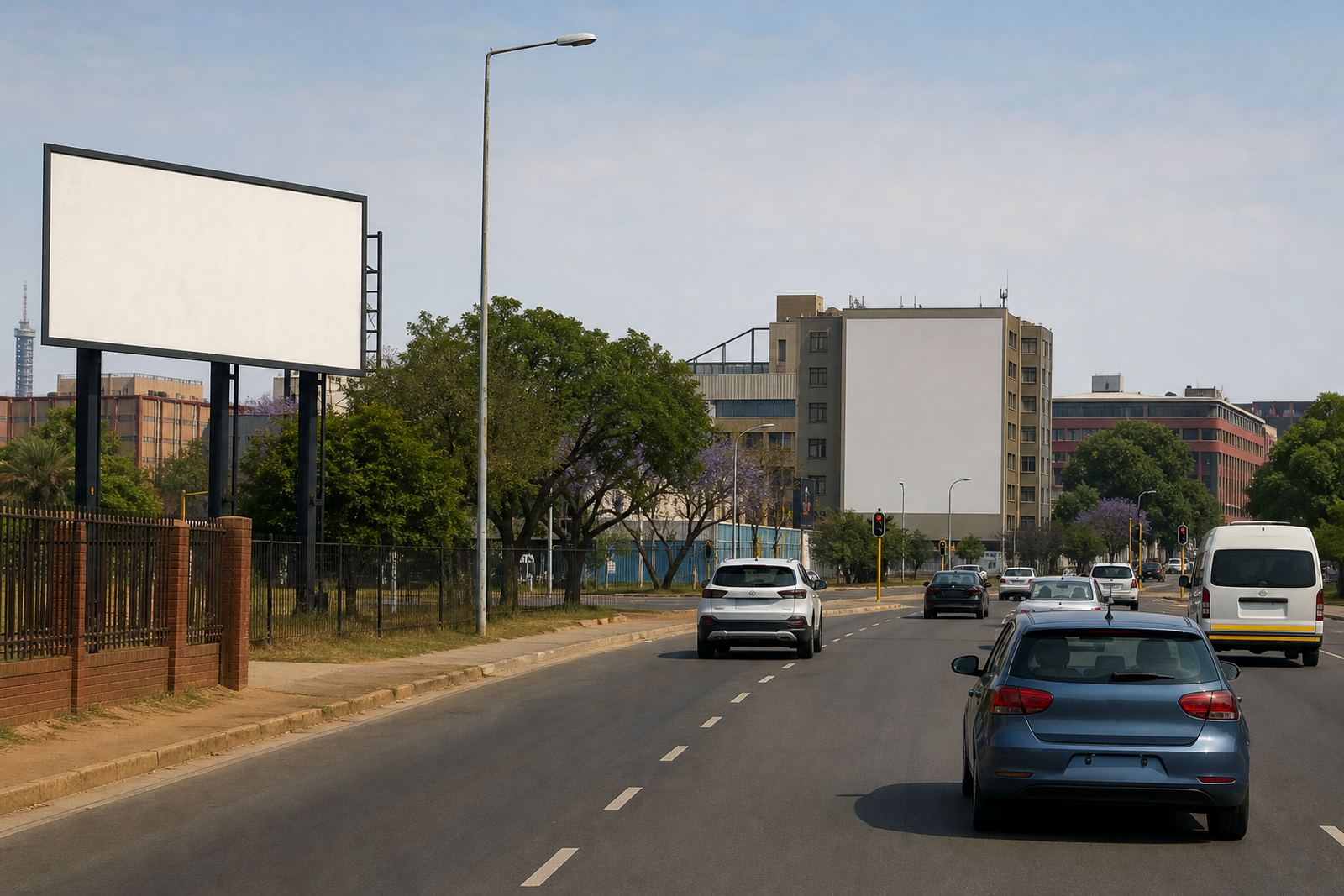
- Site mix: commercial frontage, roadside wall space and visible suburban placements
- Campaign aim: broader day to day visibility across several points in the city
Site Search, Consent and Bylaw Checks
The main constraint was making sure every site was usable in practice, not just on paper. For wall advertising and billboard-style placements, the property owner's consent had to be in place first, then local municipal bylaw approval had to be checked before anything moved toward scheduling.
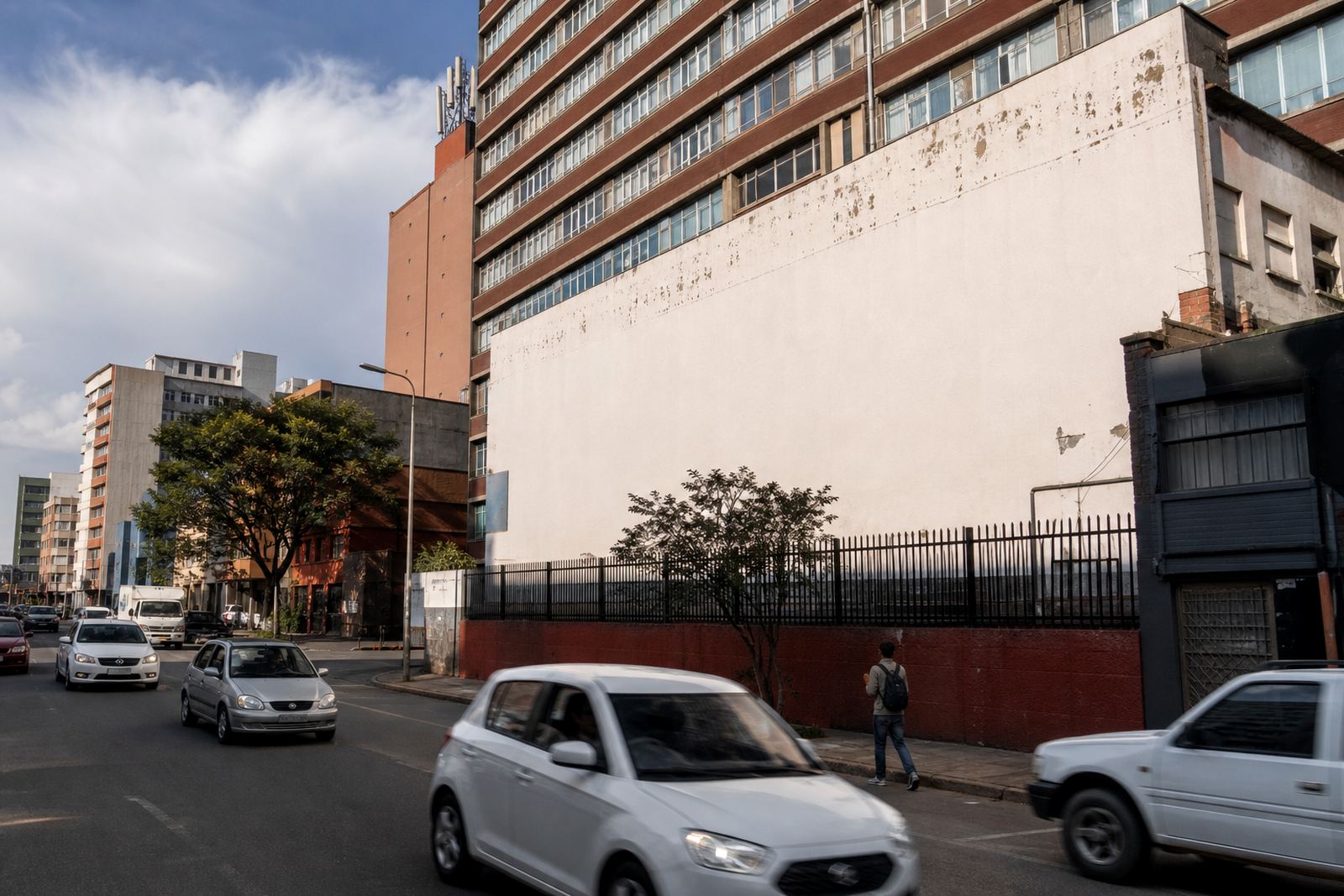
We also had to be careful about access, visibility and surface condition. A few walls were ruled out because of limited mounting options or awkward viewing angles, and one or two locations needed extra care due to weather exposure and older surfaces. Coastal humidity in the East London area can affect finishes, so we flagged sites where artwork protection and fixing method would matter.
- Consent check guidance for each property
- Bylaw process support before booking confirmation
- Artwork spec checks for size, bleed and viewing distance
- Access review for installation and later maintenance
What We Supplied and Coordinated
Our team handled the listing side of the rollout from end to end. That included site photo curation, listing copywriting, availability management and brief matching so the client could compare suitable options without chasing separate contacts for every property. Once the chosen sites were confirmed, we moved into booking coordination and installation scheduling.
We also checked the campaign materials against the site requirements before release. That meant confirming the artwork size for each wall, checking that the file layout worked for the visible area and making sure the logistics lined up with the agreed dates. It saved time later, especially where access windows were tight and the site owner needed notice.
- Space listing setup and listing renewal support
- Site photo curation and location notes
- Availability management across multiple sites
- Booking coordination and installation scheduling
- Artwork spec check and campaign monitoring
Timeline and Rollout Phases
The rollout ran over four weeks from brief to live placement. Week one was spent refining the brief, checking site types and narrowing the options. Week two focused on consent, bylaw guidance and final site selection. Week three covered booking confirmation, artwork sign-off and logistics. Week four was installation scheduling and live monitoring once the placements went up.
That pacing worked because the campaign had a few moving parts. There were different property owners to coordinate with, some sites needed more documentation than others, and the client wanted a clean start rather than a rushed one. Keeping the process in sequence helped avoid last minute changes and reduced the chance of avoidable delays.
- Week 1: brief matching and site shortlist
- Week 2: consent and bylaw checks
- Week 3: booking and artwork finalisation
- Week 4: installation scheduling and live campaign monitoring
Results Seen Across the City
The finished rollout gave the client broader visibility across East London instead of concentrating everything in one place. Suburban placements supported day to day recall, while the commercial sites helped keep the message present in busier parts of town. That mix suited the brief because it allowed the campaign to show up in different routines without needing separate creative for each location.
From our side, the result was a smoother booking process and a cleaner handover to the property owners. The campaign moved from enquiry to live placement without unnecessary back-and-forth, and the checks around consent and bylaw approval were handled early so there were no surprises later. It was practical work, but that is what keeps outdoor campaigns on track.
What We Would Repeat for the Next Rollout
If we did this project again, we would follow the same structure: start with a tight brief, identify the best property types early, and confirm consent before any final booking decisions. That approach suits East London because the city has a mix of suburban streets, commercial routes and weather exposed surfaces that need proper attention.
We would also keep the site photo review and artwork spec check near the start of the process, not at the end. It is a small step, but it helps catch issues with scale, mounting and visibility before they become expensive changes. For multi-site outdoor work, that early checking saves time and avoids a lot of unnecessary back and forth.
- Start with consent and bylaw guidance first
- Use photos to confirm visibility and surface condition
- Match artwork to each site rather than forcing one size everywhere
- Keep installation dates realistic, especially in windy or wet weather
Key facts
| Project name | East London Rollout |
|---|---|
| Project type | Multi-site outdoor and wall advertising campaign |
| Town | East London |
| Timeline | 4 weeks from brief to live placement |
| Site mix | Suburban streets, commercial corridors and wall-space placements |
| Compliance | Property owner consent and municipal bylaw approval checked before booking |