

Start With the Site, Not Just the Price
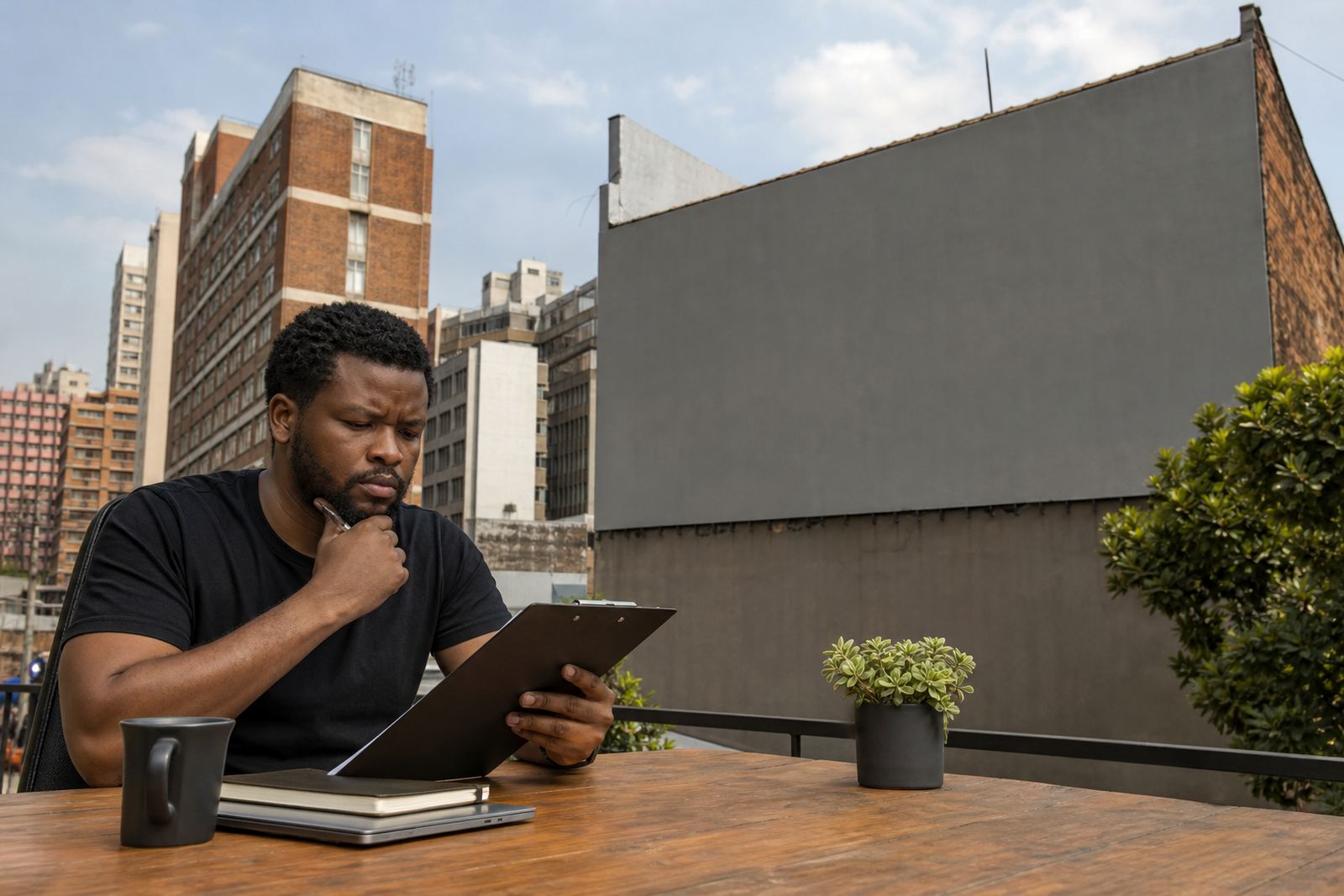
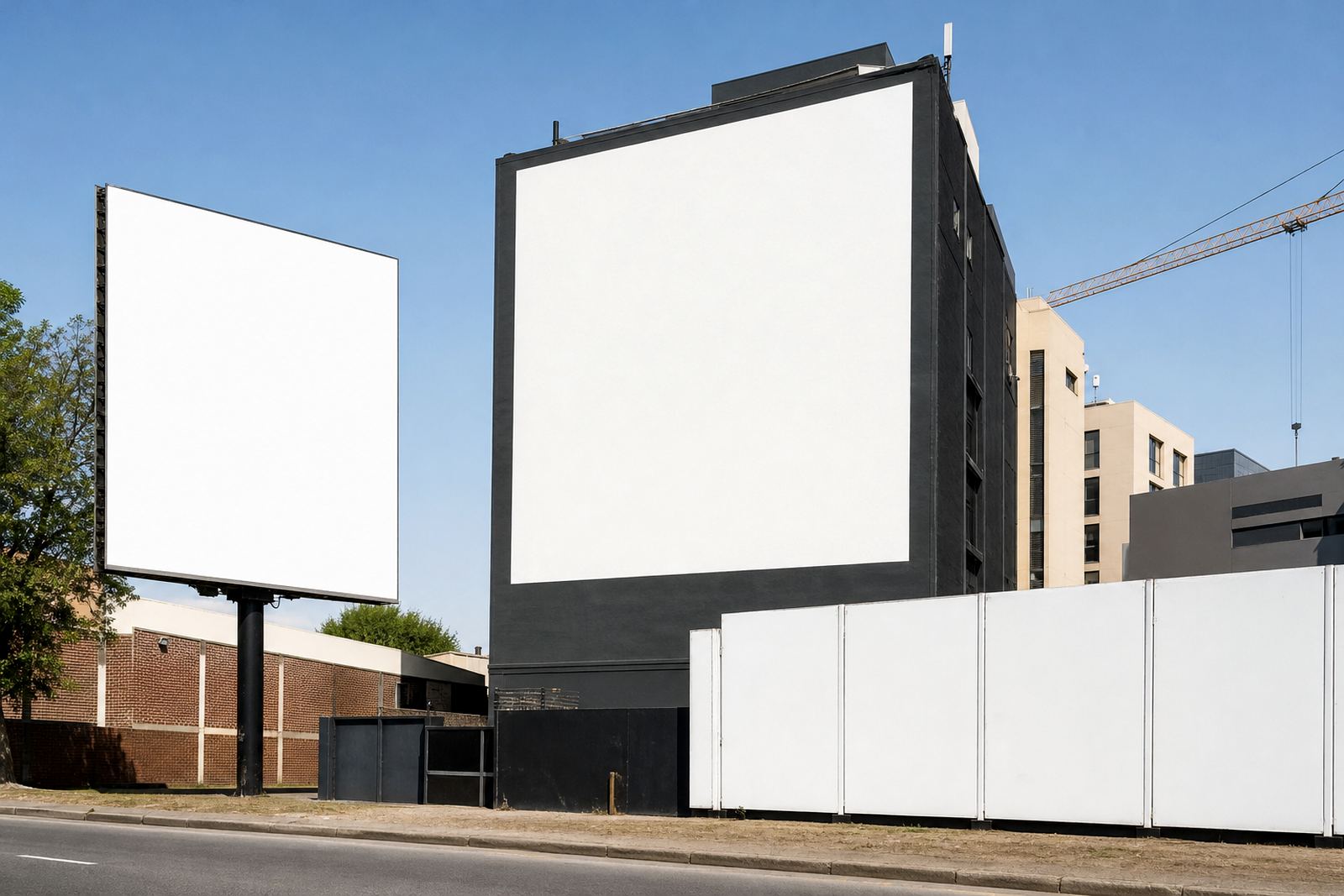
Before you book, ask exactly where the space sits and how it will be seen day to day. A wall in Braamfontein may suit a different message to a roadside sign in Sandton or a building-facing site in Cape Town, so the location should match your campaign goal, not just your budget.
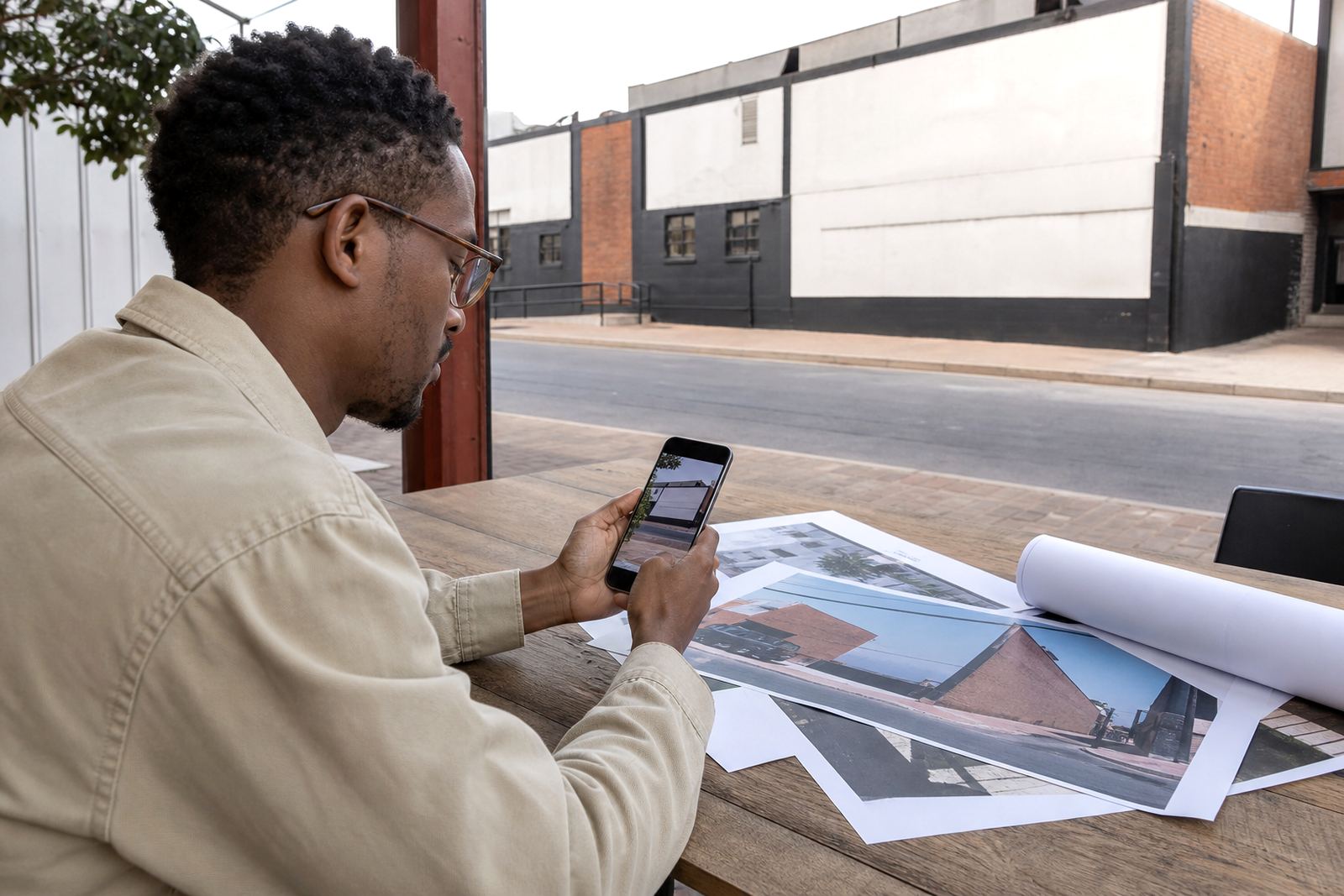
Ask for recent site photos, viewing angles and basic placement notes. Check whether the space is on a busy commuter route, near a retail strip, or set back from the road. In some areas, trees, poles, fencing or nearby buildings can interrupt visibility and the size on paper may not tell the full story.
- Is the site visible from the main approach direction?
- How far away can the sign be read clearly?
- Are there obstructions such as trees, poles or overhead lines?
- Does the face work better for short wording or a larger visual?
Check Consent and Local By-law Requirements First
Signage on private property needs the property owner's consent, and the relevant local municipal bylaw approval must also be in place where required. Do not assume a space is ready just because it is listed. In Johannesburg, Pretoria, Durban, Cape Town and Bloemfontein, the approval path can differ, especially for wall signs, roadside structures and anything close to intersections or controlled roads.
Ask who is handling the consent process, what documents are needed, and whether there are any restrictions on size, illumination or placement. If the site is in a busy commercial area, or near a major route, extra checks may be needed before production starts. Getting this right early saves time and avoids last-minute changes.
- Has the property owner given written consent?
- Does the site need municipal bylaw approval before installation?
- Are there limits on height, lighting or projection from the wall?
- Who is responsible for the paperwork and follow-up?
Confirm the Artwork Specs Before You Design
Never send artwork to print before you have the exact size, orientation and file requirements. A wall panel in Midrand is not the same as a large-format face in Durban, and a small mismatch can mean costly rework. Ask for the display dimensions, bleed allowance, safe area and any material or finishing requirements.
Also check whether the site is lit, how much exposure it gets in low light, and whether the artwork must cope with coastal humidity, dust or strong sun. In places like Cape Town and Durban, weather exposure can affect print finish and fixings, while load-shedding may matter if the sign relies on lighting. A proper spec check helps the artwork stay readable and on point.
- What are the exact dimensions in metres or millimetres?
- Is the layout portrait or landscape?
- What file format and resolution are needed?
- Does the site need weather-resistant material or special fixings?
Ask About Availability, Timing and Booking Hold Periods
Good space can move quickly, so confirm the availability window before you commit to production. Ask whether the booking is for a set period, whether the face can be held while approvals are processed, and what happens if your preferred dates shift. Some campaigns need a quick turnaround, while others depend on product launches, store openings or seasonal activity.
It also helps to know whether the booking includes installation time, de-installation time and any access constraints at the property. If the site is in an office node like Sandton or a busy street in Braamfontein, access may be limited to certain hours. Clear timing makes it easier to plan printing, transport and labour.
- Is the space available for the full campaign period?
- Can the booking be held while approvals are finalised?
- What are the installation and removal dates?
- Are there access restrictions on weekdays, weekends or after hours?
Know Who Handles the Logistics on the Day
Once a booking is confirmed, find out who is responsible for installation scheduling, delivery coordination and site access. Outdoor advertising often involves more than just printing, it may require ladders, lifts, permits for access, and a clear handover with the property owner or site contact. If the face is in a narrow lane or above street level, logistics become even more important.
Ask whether there is a single contact person for the campaign and how updates will be shared. This matters if weather delays work, a site is not ready, or the artwork needs a quick correction. A clear chain of responsibility keeps everyone aligned and makes the process less stressful.
- Who confirms site access on installation day?
- Who books labour, lifts or any required equipment?
- What happens if weather or access delays the install?
- Who signs off that the campaign is live?
Plan for Monitoring, Renewal and Mid-Campaign Changes
A booking should not end the moment the artwork is up. Ask how the site will be monitored, what happens if damage occurs, and whether photo confirmation is provided after installation. If your campaign is running over several weeks, it is worth checking how listing renewal support works and whether the space can be extended if the campaign performs well.
Also confirm the process for updates if your message changes, your brand team wants a new version, or the property owner needs the face back sooner than expected. Good campaign management means fewer surprises and a cleaner handover from start to finish. It also helps if your contact can flag small issues early, like fading, loose fixings or a section that needs attention.
- Will you receive proof that the site is installed and active?
- Is there support if the face is damaged or altered?
- Can the booking be renewed if the site stays available?
- How are changes or removals handled during the campaign?
Use This Simple Pre-Booking Checklist
Before you give the go-ahead, run through a final check with the advertiser, property owner and any site coordinator. A good booking should be clear on the space, the dates, the approvals and the artwork. If anything is vague, ask again before money or production is committed.
Use this short checklist to keep things practical:
- Location confirmed and suitable for the campaign message
- Property owner consent in place
- Municipal bylaw approval path understood
- Artwork sizes and specs confirmed
- Availability dates agreed
- Installation and access arrangements set
- Monitoring and renewal process explained
If you are not sure about any of these points, it is better to pause and ask. A well-checked booking saves time, avoids confusion and gives you a better chance of a clean launch.