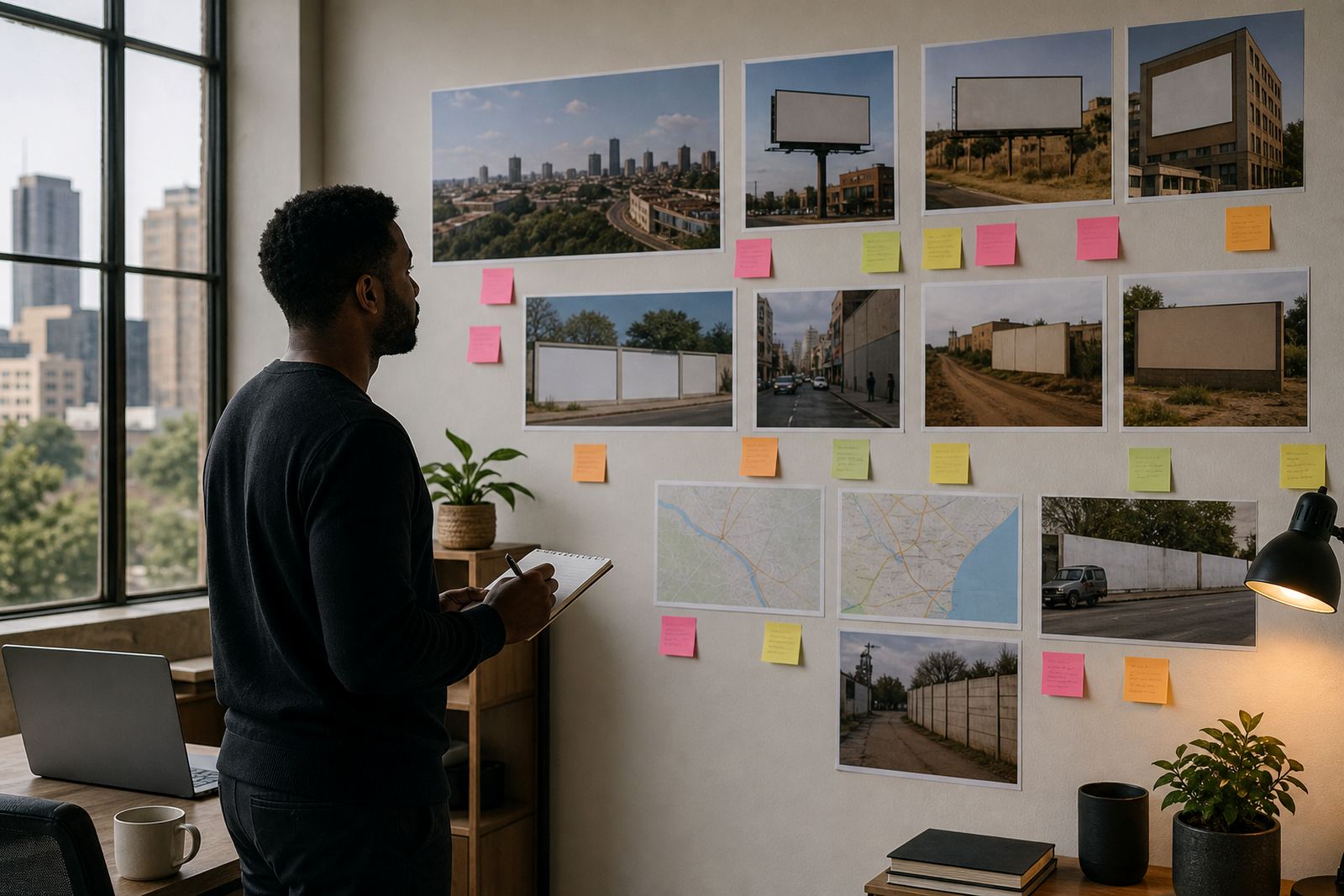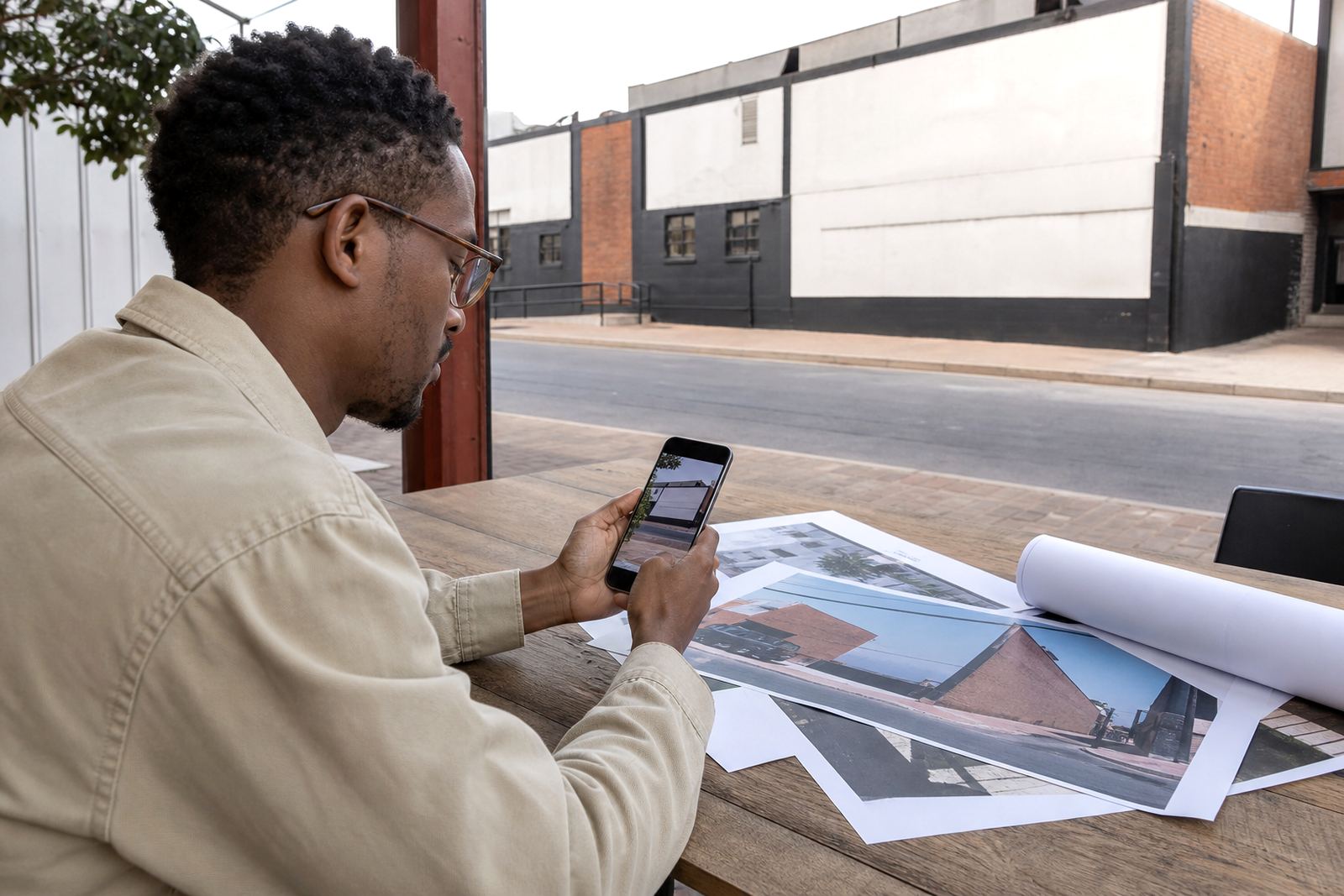
Why proof photos matter on outdoor sites
When you are renting billboard or wall space, a clear photo after installation is often the first check that the job has been done properly. It shows what is actually on site, not just what was booked on paper. That matters for landlords, advertisers and anyone handling a campaign across Johannesburg, Pretoria, Cape Town, Durban or Bloemfontein.
Proof photos help confirm the display size, the correct artwork version, the mounting position and the general condition of the site. They are also useful when a wall sits in a busy area like Braamfontein, Sandton or Midrand where multiple notices, banners or other site features can cause confusion. If something looks off, a photo gives you something concrete to work from.
For outdoor advertising, the photo should be clear enough to show the whole installed display plus a wider view of the building or structure. That wider frame helps confirm context, and it can show whether nearby trees, poles or scaffolding are blocking the view. In coastal areas, where humidity can affect printed material and fixings, proof images are especially handy for tracking early wear.
What to check in a proof photo
A proof photo should answer a few basic questions straight away. Is the correct message displayed? Is it on the right panel or wall? Is the print straight, secure and clean? If a sign is approved for a specific position, the image should make that easy to verify.
- Artwork matches the approved file and version
- Display is in the correct position on the wall or billboard
- Edges, corners and fixings look tidy and secure
- No tears, folds, stains or visible damage
- No unrelated posters, stickers or objects covering the sign
- Lighting, shadows or nearby structures do not hide the main message
- Overall site condition is acceptable for the agreed campaign period
If the site includes a wall space in a retail street, at a taxi rank edge or on a building in a CBD, look for anything that could affect visibility from the intended direction of travel. A photo can also pick up issues with faded print, peeling vinyl or a section that was not completed properly. If the picture is taken too far away, ask for a closer shot as well.
How to read monitoring photos during the campaign
Monitoring photos are not just for install day. They are useful throughout the booking period to show that the advert remains up and visible. In South African conditions, this matters because wind, rain, sun and load-shedding related lighting changes can all affect how a sign looks from one week to the next.
When you review ongoing photos, compare them with the first proof image. Check whether the artwork is still flat, whether any section has lifted, and whether the surrounding environment has changed. For example, a new tree branch, temporary hoarding or nearby building work can reduce visibility. If the site is in a municipality with stricter bylaw enforcement, photo records also help show that the display is still aligned with the agreed setup.
Keep the dates in order and make notes against each image. A simple record can help if there is a question later about when the sign was installed, whether it was updated, or when a repair was needed. This is especially useful for landlords managing several spaces across different towns and for advertisers running more than one location at a time.
A simple photo review checklist for advertisers and owners
A quick checklist makes photo review easier and keeps everyone on the same page. Whether you are checking one wall in Braamfontein or several sites across Gauteng and the coast, the same steps apply.
- Confirm the site name and exact location
- Check the photo date and time
- Match the artwork to the approved final file
- Confirm the sign was installed with the property owner’s consent
- Check that local municipal bylaw approval has been followed where required
- Look for weather damage, dirt or partial obstruction
- Note any action needed, such as cleaning, reprinting or re-shooting the photo
If the photo raises a concern, do not rely on memory or a quick phone call alone. Write down what you see and ask for a clearer image if needed. A useful review process is calm and factual. It keeps the booking process tidy and helps avoid disputes over what was actually displayed.
Fixing problems found in the photos
Photos often reveal small issues before they become bigger ones. A bent corner, weak adhesive edge or poor night visibility can usually be dealt with quickly if the team notices it early. In some cases the solution is as simple as resending the correct artwork, tightening fixings or arranging a fresh installation photo.
If the display is on a building wall, the owner may need to confirm access for any correction work. If the site is in a municipality where signage rules are strict, the campaign may also need a bylaw check before the correction goes ahead. That is why proof photo review should be part of the full booking process, not something left until the end.
Where a weather event has affected the display, note the condition immediately and keep a copy of the image. Coastal humidity, strong winds and heavy rain can all affect printed material and mounting points. On inland sites, dust and direct sun can also change the appearance over time. A photo record helps separate normal wear from a proper fault.
Good file habits for cleaner site records
It is easier to review photos when they are stored in a clear, consistent way. Use names that include the site, suburb and date so the file can be found quickly later. Keep proof images separate from monitoring photos, and keep the approved artwork in the same folder if possible. That way there is less confusion when a team member needs to check what was meant to be installed.
A practical filing system also helps with renewals. If a listing is being extended or changed, old and new images can be compared side by side. This is useful for property owner relations, advertiser support and municipal compliance checks. It also saves time when several spaces are being managed at once, especially across different cities and suburbs.
- Use one folder per site
- Add the suburb and date to each filename
- Keep proof photos and monitoring photos separate
- Store the approved artwork with the photo set
- Record any issue and the date it was resolved
When everyone works from the same photo record, there is less back and forth and fewer surprises. That is the main point of proof photos: they show what is on site, when it went up, and whether it still matches the booking.