Start With the Job Your Space Must Do
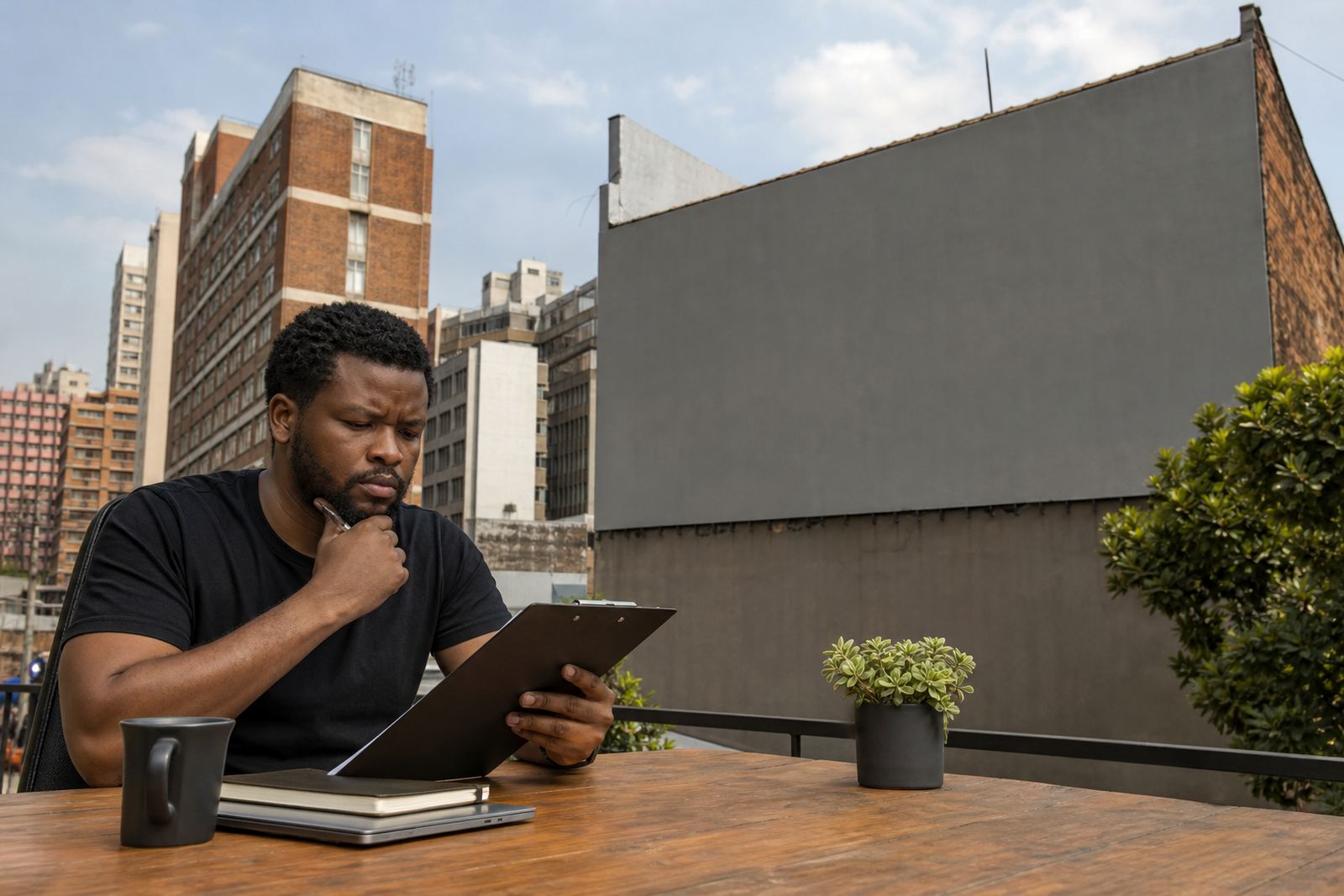
Before you search for a site, write down what the campaign must achieve. Are you trying to build awareness in Johannesburg, drive footfall near a shop in Pretoria, or support a launch in Cape Town or Durban? A good brief keeps the focus on where the message needs to be seen and what the advertiser must understand in a few seconds.
Keep the goal practical. Outdoor and wall space works best when the message is simple, the location suits the product, and the artwork can be read from the expected viewing distance. If you are not clear on the job, it becomes difficult to compare sites properly, especially when you are looking across several cities at once.
Describe the Exact Kind of Space You Need
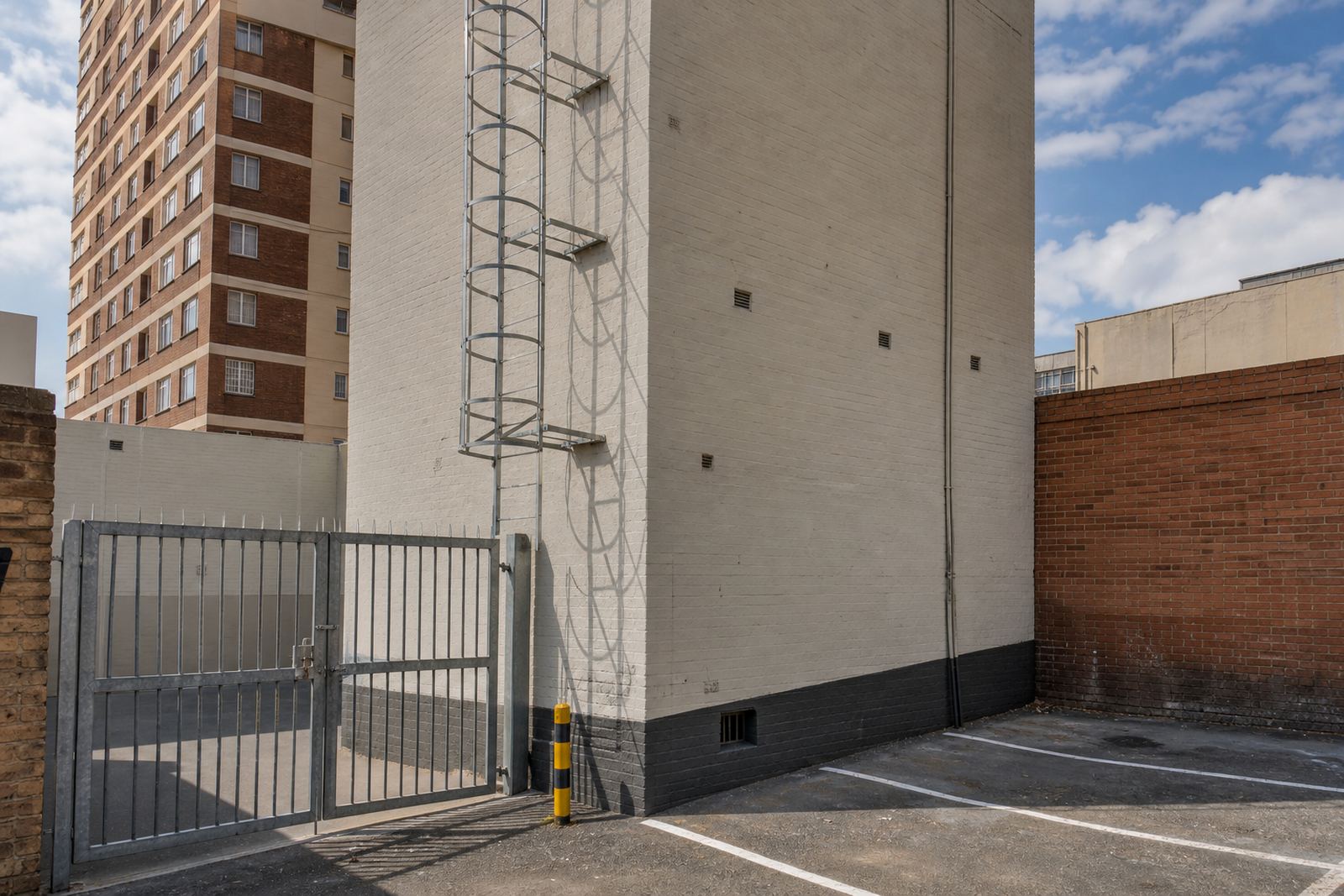
Not every wall or billboard suits every campaign. Include the type of surface, the size range you can use, whether the site should face traffic, pedestrians or a public approach road, and whether you need a short-term booking or a longer run. In areas like Braamfontein, Sandton and Midrand, the built-up environment can change what works from one block to the next.
- Preferred city or suburb
- Minimum and maximum size
- Wall, rooftop, freestanding or other format
- Indoor facing or outdoor facing
- Night visibility needs, if any
- Short campaign or longer booking period
It also helps to note if the site must suit a certain brand look, for example a clean painted wall, a board facing a main road, or a structure that can take changing creative. The more exact the brief, the easier it is to match to available space.
Set Out the Message, Artwork and Copy Limits
Your brief should tell the next person what the advert must say, and what it must not say. Keep the wording short and direct. Outdoor creative is not the place for long explanations, so decide on the main offer, logo use, call to action and any legal wording early. If the campaign must fit a large wall in Bloemfontein or a smaller roadside site in Durban, the copy needs to suit that space from the start.
Give the artwork team the right practical notes too. Mention whether the final file is already set up for scale, if there are brand colours that must stay accurate, and whether the message must remain legible in bright sun or under evening lighting. Coastal humidity can affect some materials and finishes, so it helps to note where the site will be located.
- Main headline or campaign message
- Required logo placement
- Any mandatory wording or disclaimers
- Preferred colours and image style
- Artwork file status and handover timing
Include Timing, Budget Range and Flexibility
A practical brief always includes when you want the site, for how long, and how much flexibility you have. Outdoor bookings can be affected by availability, installation timing, load-shedding, weather and local access rules. If a wall is already spoken for, or if the installation window is tight, you need enough time to adjust rather than rush the process.
State your preferred start date, ideal duration and any date that cannot move. If your campaign is tied to a launch, sale or event, say so clearly. It also helps to mention whether you can accept an alternate area nearby, for example another part of Johannesburg or a different node in Pretoria, if the first choice is not available.
- Desired start and end dates
- Flexible dates, if applicable
- Budget range, even if broad
- Must-have sites versus nice-to-have sites
- Any deadline linked to trade, launch or event
Do the Consent and Bylaw Checks Early
For wall advertising and billboard use, the property owner's consent is required, and the relevant municipal bylaw approval must also be in place. Put this into the brief so there is no confusion later. A site may look perfect on paper, but if consent is missing or a local rule limits the format, the booking can stall.
Ask for guidance on the likely compliance process before you commit to artwork finalisation or installation dates. In some areas, especially near busy routes or visible street fronts, the signage rules are more specific than people expect. It is better to confirm the process early than to fix a problem after the creative is ready and the crew is waiting.
When you brief a campaign properly, the consent check, bylaw process and installation planning can move in the right order, which saves time and avoids unhappy surprises.
Use a Simple Checklist Before You Search Listings
Once your brief is drafted, run through a quick checklist before you start comparing listed spaces. This keeps everyone on the same page and makes it easier to respond when a suitable site comes up. It also helps if several people are involved, such as the brand team, the designer and the person handling bookings. Small gaps in the brief can slow things down, or send you towards spaces that are not quite right.
- Have I named the city, suburb and type of area?
- Do I know the format and rough size I need?
- Is the message short enough for outdoor viewing?
- Have I allowed time for consent and bylaw steps?
- Do I know my preferred start date and backup dates?
- Have I checked whether the artwork is ready or still being adjusted?
If the answer to any of these is no, tighten the brief before you enquire. A clear starting point helps with space listing setup, availability management, brief matching and booking coordination, and it usually means less back and forth later on.
What to Send With Your Enquiry
When you are ready to enquire, keep your brief short but complete. The aim is to give enough detail for a useful match without making the request hard to follow. Include the city or area, the site type, campaign dates, artwork needs and any consent or bylaw concerns. If you are looking across Johannesburg, Pretoria, Cape Town, Durban or Bloemfontein, it helps to state where you are most open to alternatives.
Useful briefs are clear about what matters most and what can move. That may be site position, exposure direction, size, or the pace of installation. If the brief is tidy from the start, listing copywriting, site photo curation and campaign monitoring all become easier afterwards. And if you have a question, use the enquiry form on the contact page so the team can guide you through the next step.