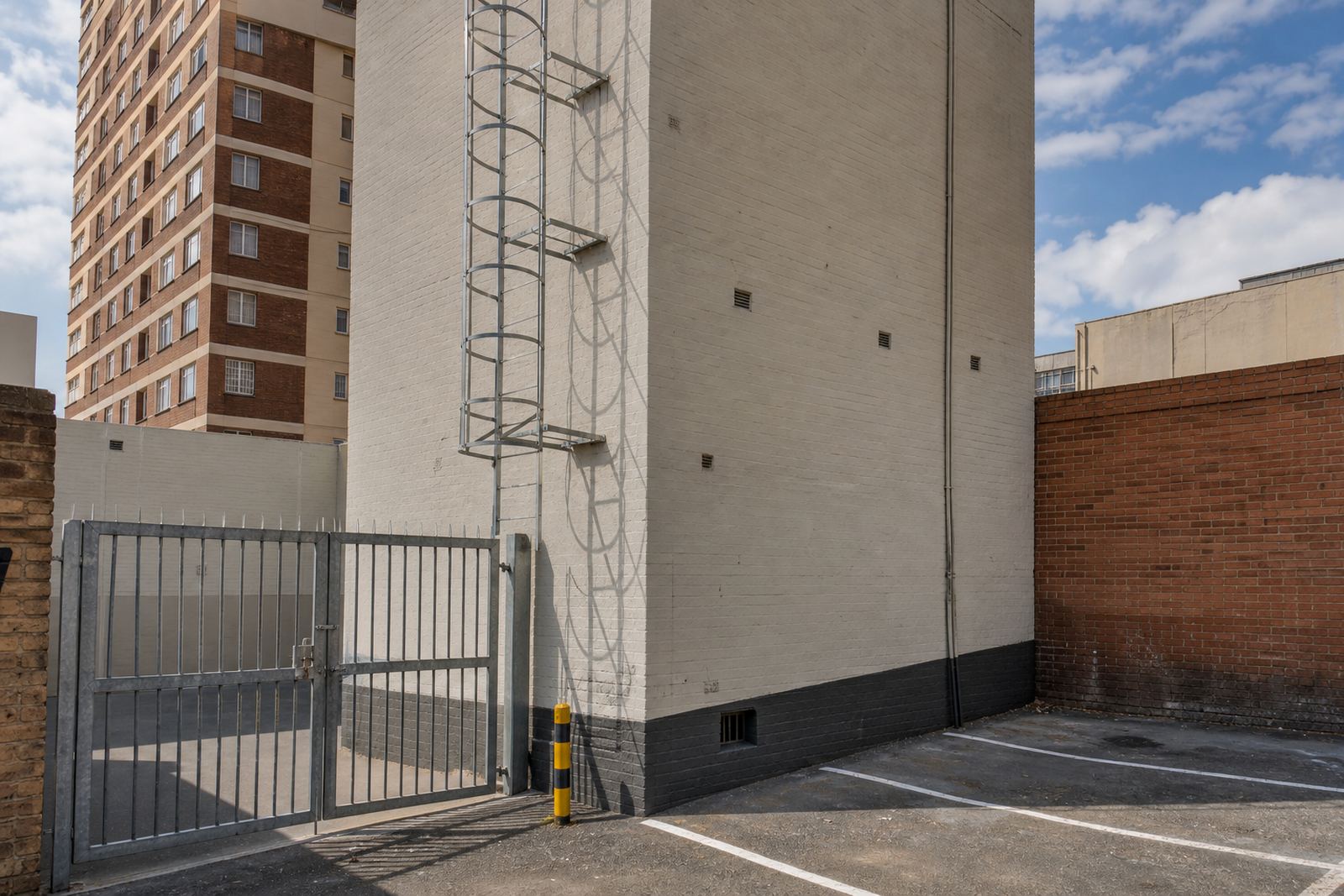
Start With the Access Route, Not the Artwork
Before a booking is confirmed, look closely at how an installer would reach the wall or billboard face. Access is not only about the final position, it is about the route to get there, the space to unload, and whether ladders, scissor lifts or rope access gear can be used safely. In Braamfontein, Sandton, Midrand and central Johannesburg, narrow driveways, basement entries and busy pavements can affect the whole schedule.
Ask for clear photos of the site from street level, nearby parking, the entrance gate and the side or rear of the property if that matters. If the wall is high up, check whether there is room for a vehicle to stop without blocking traffic. On windy days near coastal areas such as Cape Town or Durban, access planning also needs to allow for safer handling of printed material and fixed frames.
Good access planning starts early, even before artwork is prepared. That way the installer knows what can be brought in, where it can be staged, and whether extra labour is needed on the day.
Confirm Who Controls Entry to the Property
For wall and billboard advertising, the property owner’s consent is required before any work can begin. That consent should be clear about who may enter the site, when they may enter, and which areas are included. If the wall sits on a multi-tenant building, or on a site managed by an agent, security company or body corporate, the chain of approval must be sorted out in advance.
When access is controlled by a caretaker or security counter, include those details in the booking brief. The team should know which gate to use, which entrance is open after hours, and whether ID documents or vehicle details must be submitted before arrival. In some parts of Pretoria and Bloemfontein, site access can be limited to certain times of day, so late notice causes problems.
Keep a written record of the consent path and any conditions attached to it. That makes it easier to answer questions if the municipal process or installation timing changes later.
Check Municipal By-Law Requirements Before the Team Arrives
Outdoor signage also needs local municipal bylaw approval where required. Access can be approved on private property, yet the installation still has to comply with local rules about size, placement, safety and road visibility. If the work involves a structure near a main road, transport route or business district, allow time to confirm the bylaw process before booking labour and equipment.
This matters in cities like Johannesburg, Cape Town, Durban and Pretoria, where municipal conditions can differ from one area to another. A site may look ready from the street, but the real question is whether the installation can happen within the allowed conditions and with the right supporting documents.
Where the process is still being checked, do not leave access planning until the last minute. If the municipality asks for extra detail, such as photos, site position or structure dimensions, it is easier when the property is already surveyed and the access route has been mapped out.
Measure the Space for Equipment, Not Just the Sign Face
A site can look large enough at first glance, but the equipment needed for installation may need more room than expected. A small opening might suit a printed panel, yet still be too tight for a lift, scaffold, pallet, or the vehicle used to carry the frame. That is why the access check should include both the sign size and the working space around it.
Think about the height of the wall, the width of the loading point and whether the ground is level. Uneven paving, soft soil or a cracked yard can slow the job or make it unsafe. In areas with load-shedding, some sites also need a backup plan for lighting if work runs into the evening, especially in winter when daylight is shorter.
If the site is in a busy commercial area, the team may need to work around delivery trucks, taxis or pedestrian movement. A practical check now prevents interruptions later and keeps the booking easier to manage.
Match the Access Plan to the Type of Advertiser Booking
Different bookings need different access arrangements. A short campaign with a simple wall banner may only need a basic site visit and light installation. A larger billboard or more complex structure may need a staged delivery, extra crew and a longer work window. Matching the access plan to the booking avoids confusion and helps the advertiser know what to expect.
For advertisers, it is helpful to share campaign dates, artwork size, preferred installation times and any brand rules before the booking is finalised. For property owners, it helps to confirm when the site can be opened, who will supervise entry, and whether neighbours should be informed if the work may be noisy. In some mixed-use buildings, that small step keeps everyone on the same page, which makes a real difference.
At RentThisWall, the access check is part of practical booking support. It sits alongside consent guidance, artwork spec checks, installation scheduling and campaign monitoring so that the booking does not stall at the last step.
Use a Simple Site Access Checklist Before Booking
A basic checklist keeps the process orderly, especially when a site is being listed or matched for the first time. It does not need to be complicated. What matters is that the team knows how to get in, where to work and who approves the visit. A clear checklist also helps if the property sits in a place like Sandton, Midrand or central Braamfontein where access can change during the day.
Once the checklist is complete, the booking can move forward with less back-and-forth. If anything is missing, it is better to spot it early than after equipment has already been arranged. That saves time and avoids costly delays, which is important for both property owners and advertisers.
Use the checklist below as a guide before a site is released for booking or an installation date is set. It keeps the process steady and practical, even when the site itself is busy or the weather is not playing along.
Keep the Access Notes Updated as the Booking Moves Forward
Access details can change. A gate that was open last month may now be locked after 4pm, or a building manager may change contractor rules. That is why access notes should stay current from listing stage through to installation and renewal. Small changes matter, especially when the site is in a busy part of Johannesburg or near coastal weather that can affect work plans.
When the notes are updated, everyone works from the same information. The property owner knows what is expected, the advertiser knows what can be delivered and the installer knows when to arrive. It is a straightforward way to keep a campaign on track, and it saves a lot of phone calls later on.
If you are preparing a wall or billboard for listing, or you are checking a booking that is already in motion, make access part of the conversation from the start. It is one of the simplest ways to keep the job organised and the schedule realistic.