What a vinyl wall wrap is used for
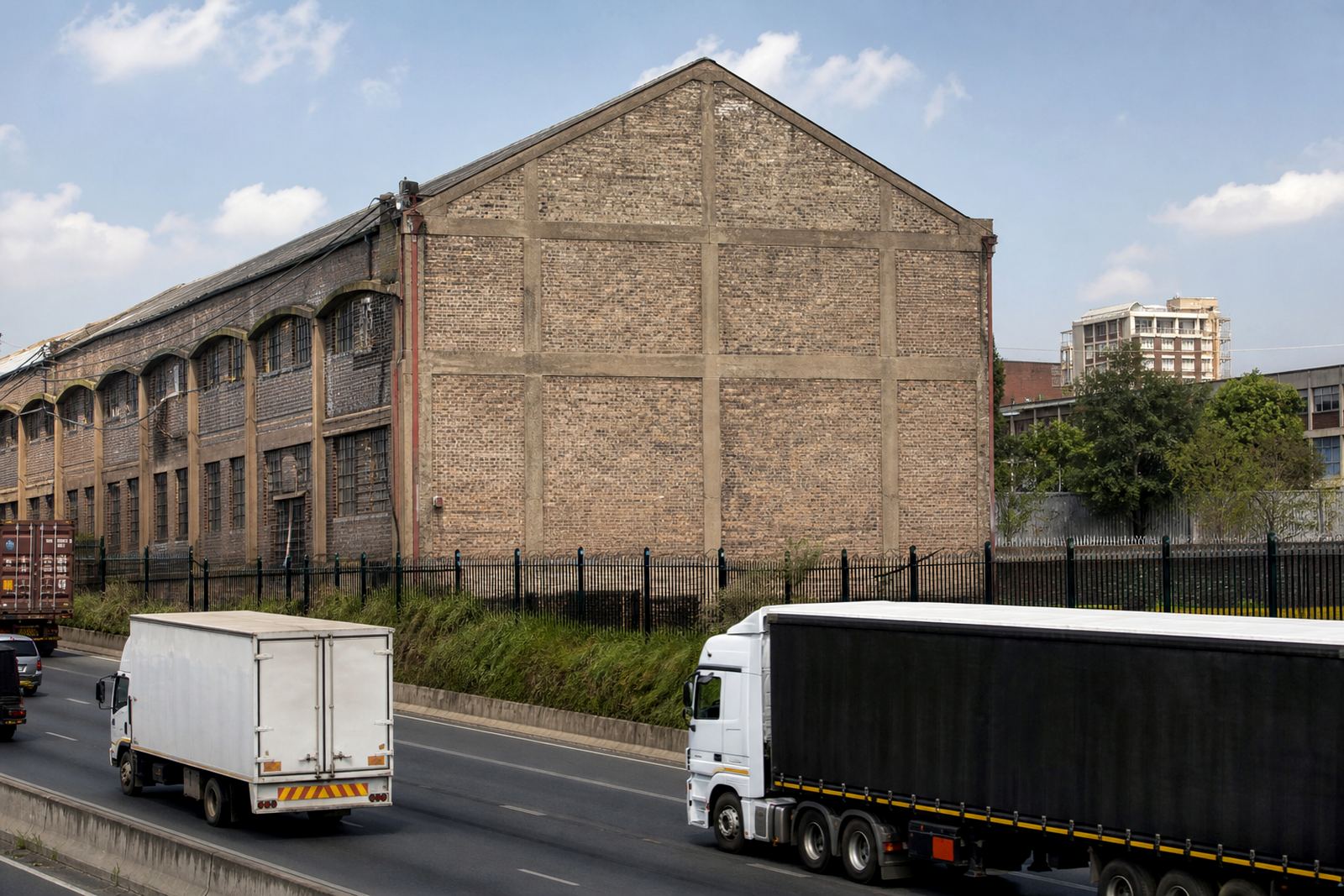
A vinyl wall wrap is a printed outdoor covering fixed to a prepared wall surface to carry large graphics, campaign messages or directional branding. It is commonly used on brick, plaster, concrete and other exterior faces that can take a graphic finish without lifting or peeling too quickly in weather changes.
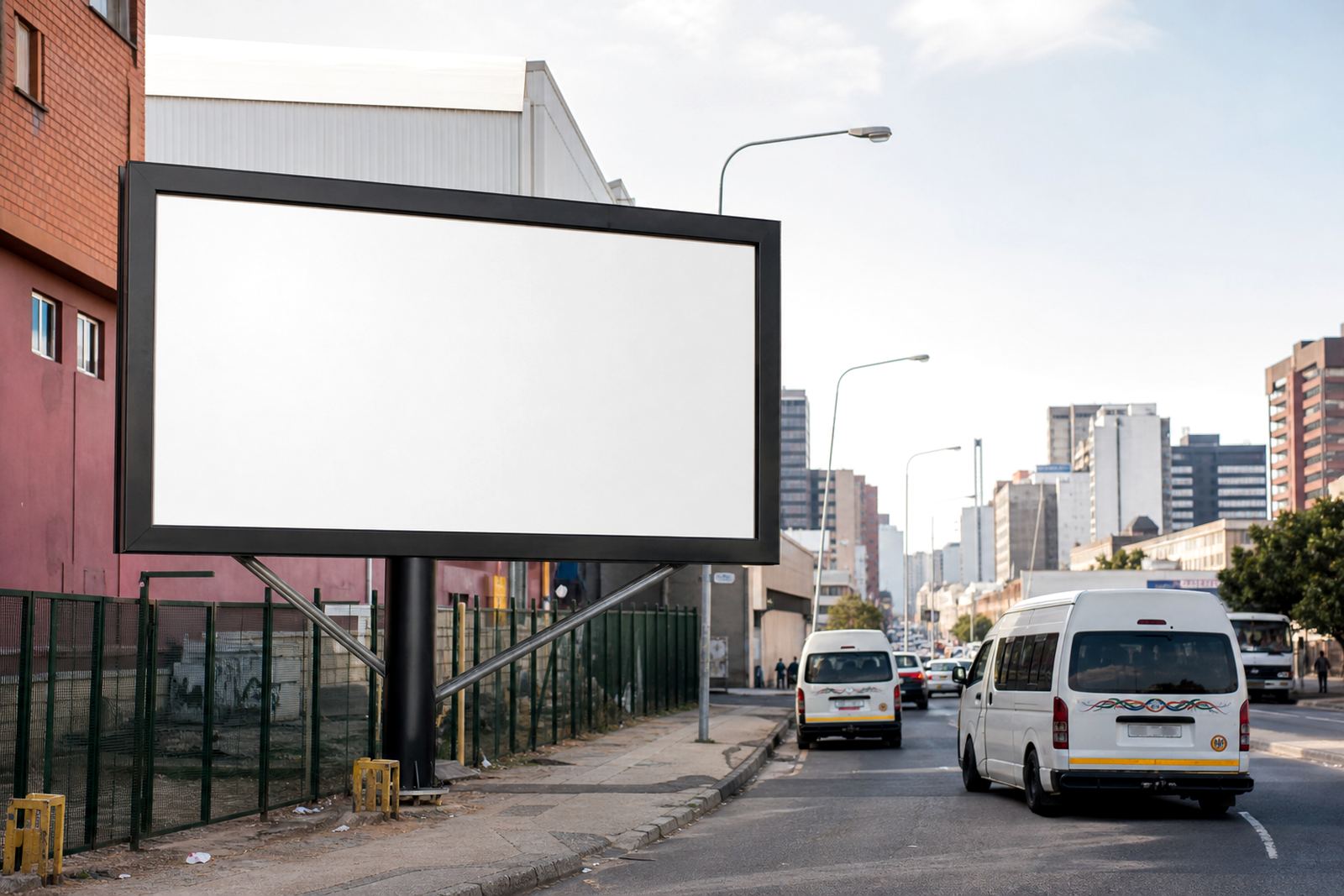
For many sites it is a practical choice when a billboard frame is not available or when the building itself has strong visibility from a road, taxi route or pedestrian corridor. In Braamfontein, Sandton, Pretoria, Cape Town, Durban and Bloemfontein, wall wraps are often considered where the building line is close to the street and the surface is clean enough for proper application. The wrap must always be planned with the property owner’s consent and the relevant municipal bylaw approval, otherwise the job can stall later on.
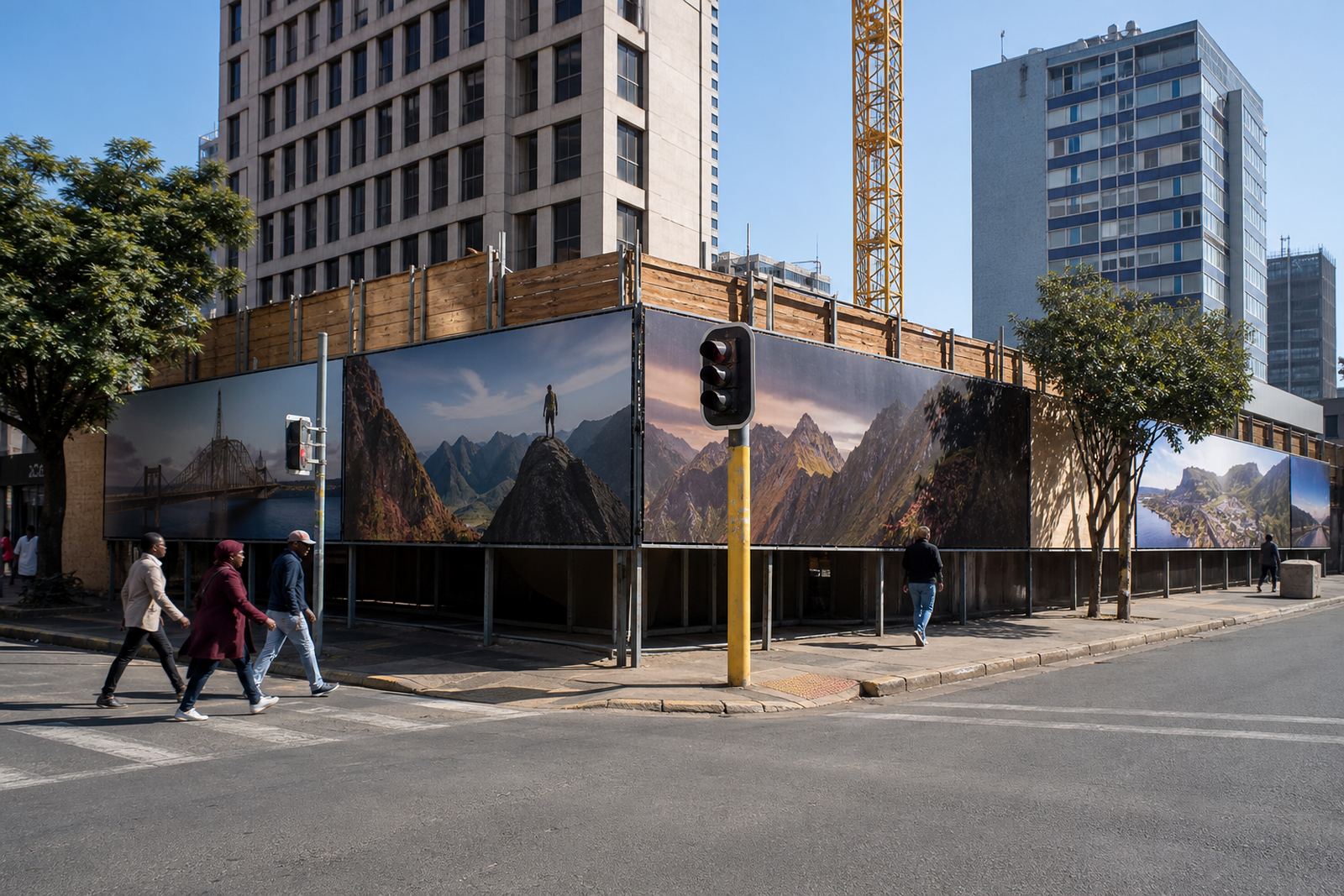
Vinyl wall wraps can carry a single image, a repeating pattern, a brand story or a more direct promotion. The finish can be matt or gloss depending on the print specification and viewing angle. For outdoor use, UV resistance and weather tolerance matter, especially in coastal humidity, summer heat and the dust that builds up after dry spells.
Sizes, formats and finish options
Wall wraps are cut to fit the usable wall area, so the size depends on the building face, window lines, doors, signage rules and any neighbouring structures. Some wraps cover a compact section near ground level, while others span several storeys if the surface is suitable and access can be arranged safely.
- Small format: suited to narrow wall sections, shopfront side walls or short-term campaign panels
- Medium format: common for building side walls visible from a main road or intersection
- Large format: used on broad exterior walls where the artwork needs a wide uninterrupted field
- Segmented wrap: used when the wall has openings, joints or service points that need careful mapping
- Matt finish: helps reduce glare in bright sun and suits most daytime viewing angles
- Gloss finish: can sharpen colour impact, though reflections need to be checked first
When a wall has rough texture, damp patches or uneven plaster, the finish may need extra preparation before installation. Not every wall is suitable for full coverage. We usually recommend checking for cracks, loose paint, water ingress and permanent fittings before you commit to final artwork. A wrap that looks neat on paper can fail early if the wall moves or if moisture comes through from behind.
Where wall wraps suit best
This format suits exterior walls that face steady foot or vehicle movement and have enough open viewing time for the message to register. It is often considered for commercial buildings, warehouse walls, mixed-use properties, retail strips, parking structures and boundary walls that have legal permission for advertising use.
In Johannesburg and Pretoria, wall wraps are often chosen for inner-city and main road exposure where a building side can carry a clear visual without clutter. In Cape Town and Durban, coastal conditions mean the substrate and fixings need more attention because salt air and moisture can affect both the wall and the adhesive over time. In Bloemfontein and Midrand, heat and dust can influence cleaning frequency and colour maintenance.
It is also worth checking what is nearby. Windows, fire escapes, power metres, drainage pipes and building access doors can all affect the final layout. If the wall is in a landlord-controlled building, the unit owner may agree in principle but the property owner still has to consent. That part is non-negotiable. Municipal bylaw approval also needs to be handled before production or installation is scheduled.
Installation, access and utility checks
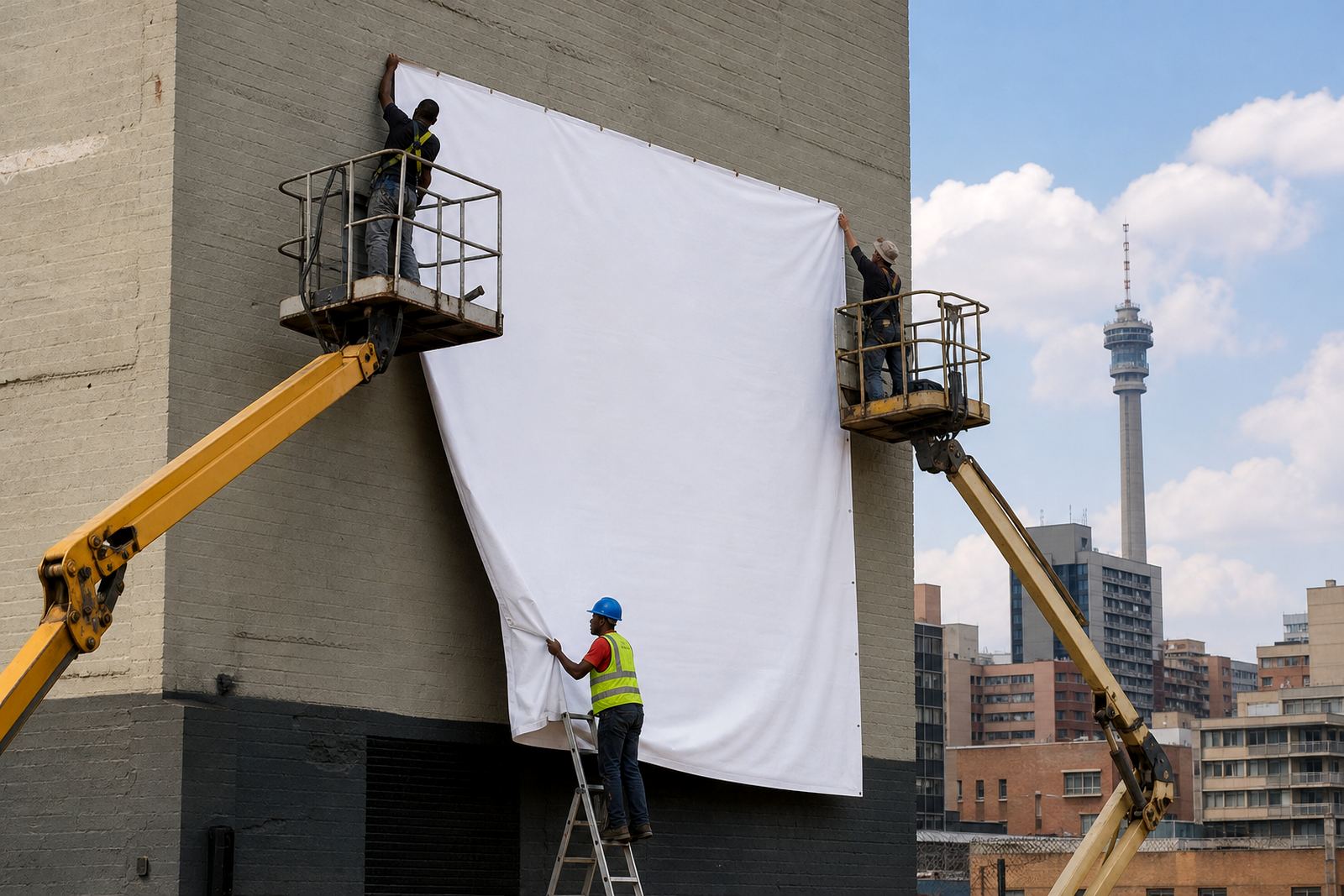
Proper installation starts with surface preparation. The wall should be cleaned, dry and stable. Loose paint, dust and flaking plaster should be removed, and any damp source must be dealt with before the wrap goes up. If the wall is newly painted, curing time should be checked first because fresh paint can affect adhesion.
Most exterior wall wraps need some form of access equipment for safe fitting, especially on taller buildings. The installer may need scaffolding, a cherry picker or rope access depending on the site and local safety requirements. Power is usually needed for lighting and installation equipment if the job runs into the evening, though the wrap itself does not require power to function. Gas is not normally needed, unless a separate site process calls for it.
Before booking, check the following:
- Who owns the wall and who can sign consent
- Whether the wall is approved for advertising use under local bylaws
- Wall height, width and access points for installation
- Any electrical cables, air-conditioning units or vents on the surface
- Whether the site has working lights for after-dark visibility
- Any restrictions from building management, body corporate or neighbouring tenants
Good access planning avoids delays, especially when the site is busy or the building stays active during trading hours. If the wall is above a pavement or public area, the method used must also protect pedestrians and road users.
Care, cleaning and campaign servicing
A vinyl wall wrap needs light maintenance to stay presentable through the campaign period. Dust, bird mess and soot can build up on city walls, while salt residue can appear on coastal sites. Cleaning should be gentle, using soft cloths or low-pressure washing if the material and wall condition allow it.
Avoid harsh solvents or abrasive brushes. These can mark the print or lift the edges. If the wrap is installed on a wall that gets strong afternoon sun, inspect the joins and corners more often because heat can affect the adhesive over time. In windy areas, the edges should be checked after storms as a matter of course.
Campaign servicing may include the following:
- Visual checks for lifting edges, bubbles or creases
- Cleaning of surface dust and marks
- Review of colour fade, especially on sun-facing walls
- Repair or replacement of damaged sections where practical
- Removal planning at the end of the booking period
If a wall wrap is renewed, the old surface should be assessed first. Re-wrapping onto a damaged wall is usually a false economy and can leave the next print looking uneven. A clean removal also helps when the next advertiser is booked in.
What to check before placing an order
Before you commit to a vinyl wall wrap, confirm the exact wall dimensions and ask for photos taken in daylight from a few angles. A close-up shot helps with texture and condition, while a wider shot shows what the viewer actually sees from the street. If there are windows or architectural details, those should be measured and marked clearly.
You should also confirm artwork size, bleed requirements, viewing distance and whether the print needs a single smooth layout or a panelled finish. If the wall is irregular, artwork may need to be adjusted so that key messages do not fall over joins or service points. This is where careful brief matching and spec checking matter. One small error in the file can lead to a visible misalignment once the wrap is on the wall.
Before approval, make sure you have:
- Written property owner consent
- Municipal bylaw approval where required
- Final wall measurements in metres
- Clear guidance on surface type and condition
- Installation access timing and any site safety rules
- Artwork specs for resolution, bleed and file format
For advertisers, this is a format that rewards careful planning. For property owners, it is a controlled way to make use of a wall that is already visible from public space. When the paperwork, wall condition and layout all line up, the result is neat, direct and hard to miss.
Key facts
| Format | Printed vinyl wall wrap for suitable exterior building faces |
|---|---|
| Typical use | Outdoor advertising, branding and promotional graphics |
| Material | Commercial print vinyl with weather tolerant finish |
| Surface suitability | Brick, plaster, concrete and other stable exterior walls |
| Installation needs | Clean surface, access equipment, consent and bylaw approval |
| Maintenance | Light cleaning, edge checks and periodic inspection |