What a warehouse gable wall offers
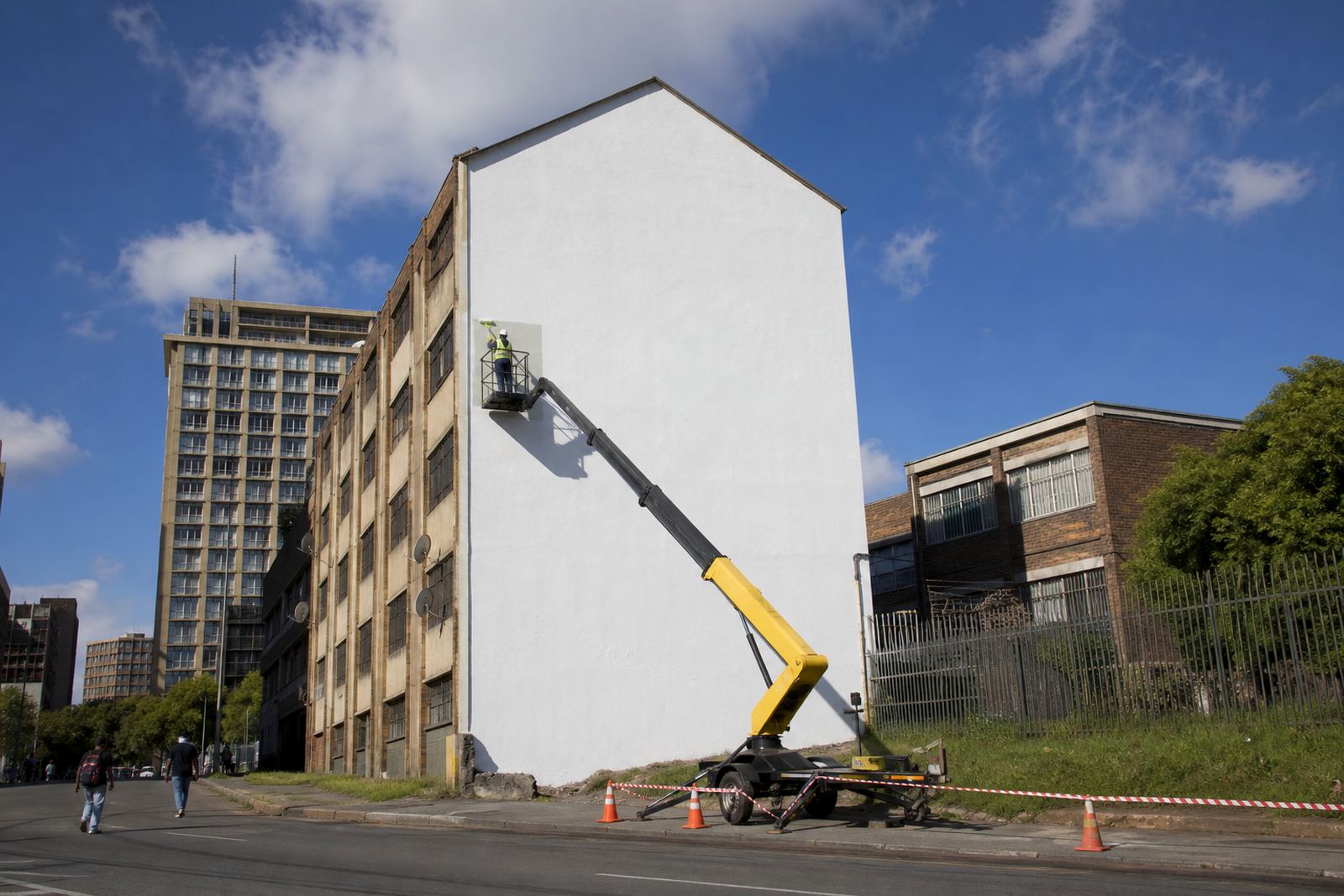
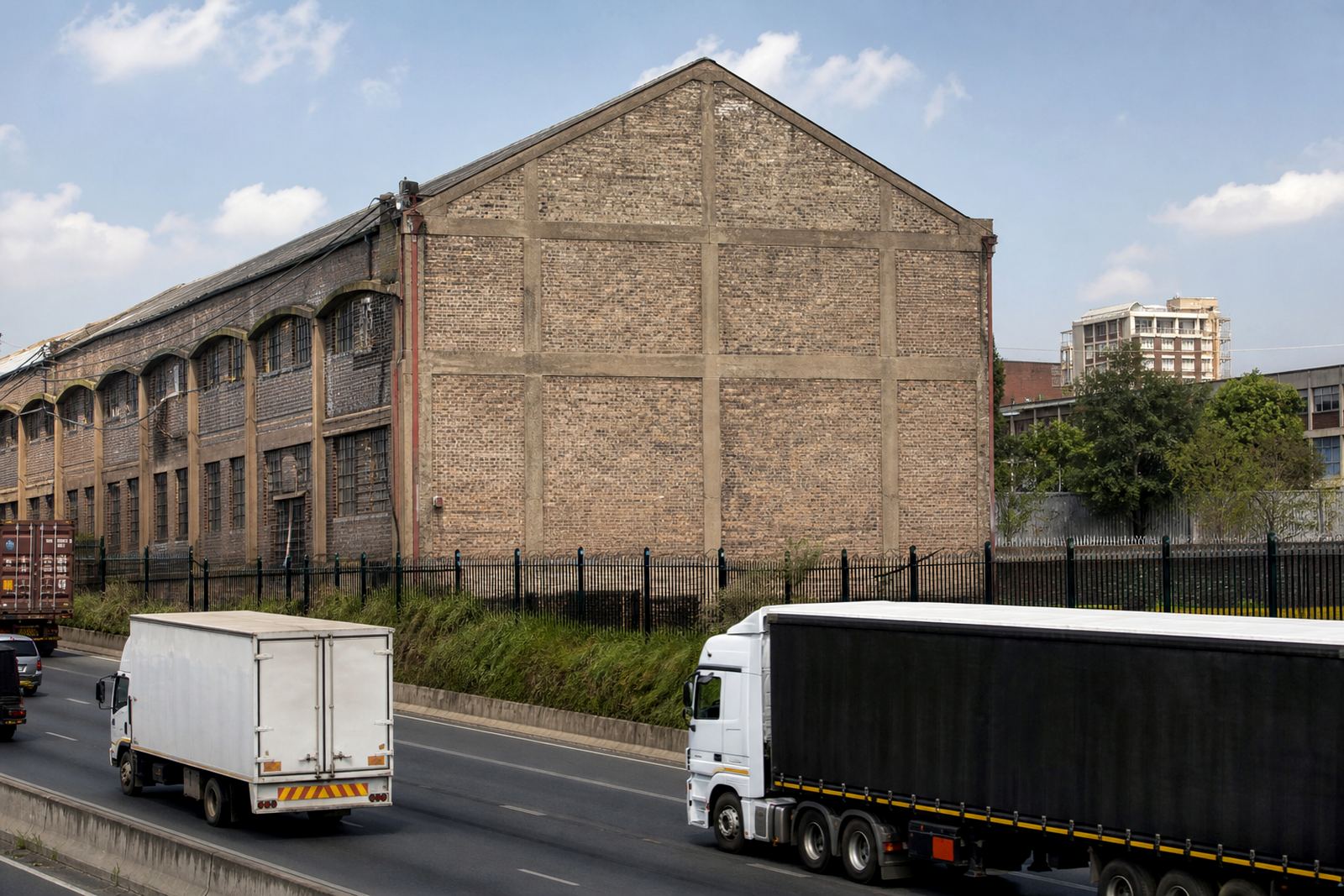
A warehouse gable wall is the end wall of an industrial building, usually high, wide and suited to long-range viewing. It is often used for vinyl, painted, or framed display systems where the aim is to place a brand message on a plain exterior surface that can be seen from roads, truck routes, rail corridors or nearby commercial yards. The shape is practical for large artwork, simple wording and strong brand blocks that need room to breathe.
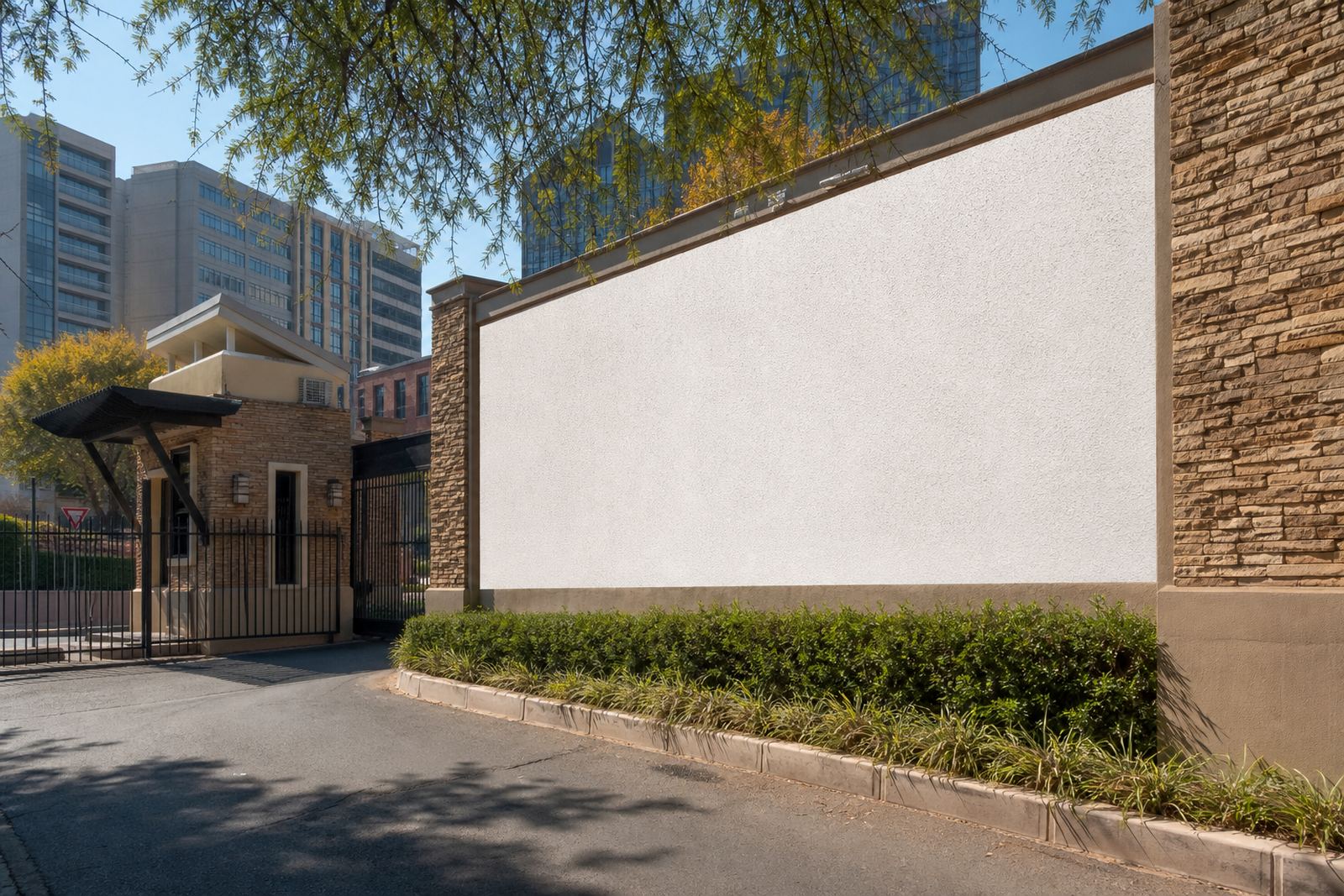
These walls are typically part of warehouses, distribution centres, storage buildings and light industrial properties. The surface must be structurally sound and suitable for external advertising mounting. In some cases the wall is fully blank, while in others there may be seams, vents, gutters or surface finishes that affect the final layout. A proper listing should show the actual wall dimensions, mounting points and any site restrictions, so advertisers know what can be done before they book.
Sizes, formats and layout options
Warehouse gable walls vary a lot, so the first step is to confirm the usable advertising area rather than only the building footprint. Some walls run narrow and tall, while others offer a broad rectangular face with plenty of room for a full campaign panel. The best layout depends on viewing distance, the height of the wall, nearby obstructions and how the artwork is meant to read from the road.
Common options include permanent painted signage, removable vinyl graphics, tensioned flex face panels and framed panel systems. Where the building surface is rough or weathered, a mounted structure may be better than direct application. If the property is in a windy or coastal area, the fixing method must account for salt, corrosion and movement. In Johannesburg and Pretoria the focus may be dust and sun exposure, while Durban and Cape Town sites may need extra care for humidity, wind and coastal conditions.
- Full wall coverage for one large message
- Top or centre band placement where the wall is partially interrupted
- Framed panel installation for cleaner changeovers
- Painted or printed graphics for longer-term campaigns
- Short-term booking for launches, promotions or directional branding
Where this wall type suits best
This product suits industrial and commercial areas where buildings face traffic or public movement and where the property owner is open to external branding. It works well on logistics yards, warehouse parks, manufacturing strips, retail support areas and mixed-use commercial zones. In Braamfontein and inner-city Johannesburg it can suit buildings with clear street exposure, while in Midrand and Sandton it may work for service corridors and business park edges. Bloemfontein, Durban and Cape Town each bring their own site conditions, so the exact wall and access route need to be checked on site.
It is a good choice when you want a message that feels direct and grounded, not overcomplicated. Warehouses often have simple architectural lines, which makes the wall easy to read from a distance. That said, the site must still be checked for neighbouring property boundaries, roof overhangs, power lines, security fencing and any municipal restrictions that may apply to outdoor advertising. A wall with a clean frontage and controlled access is usually easier to manage and maintain.
Installation access, power and site needs
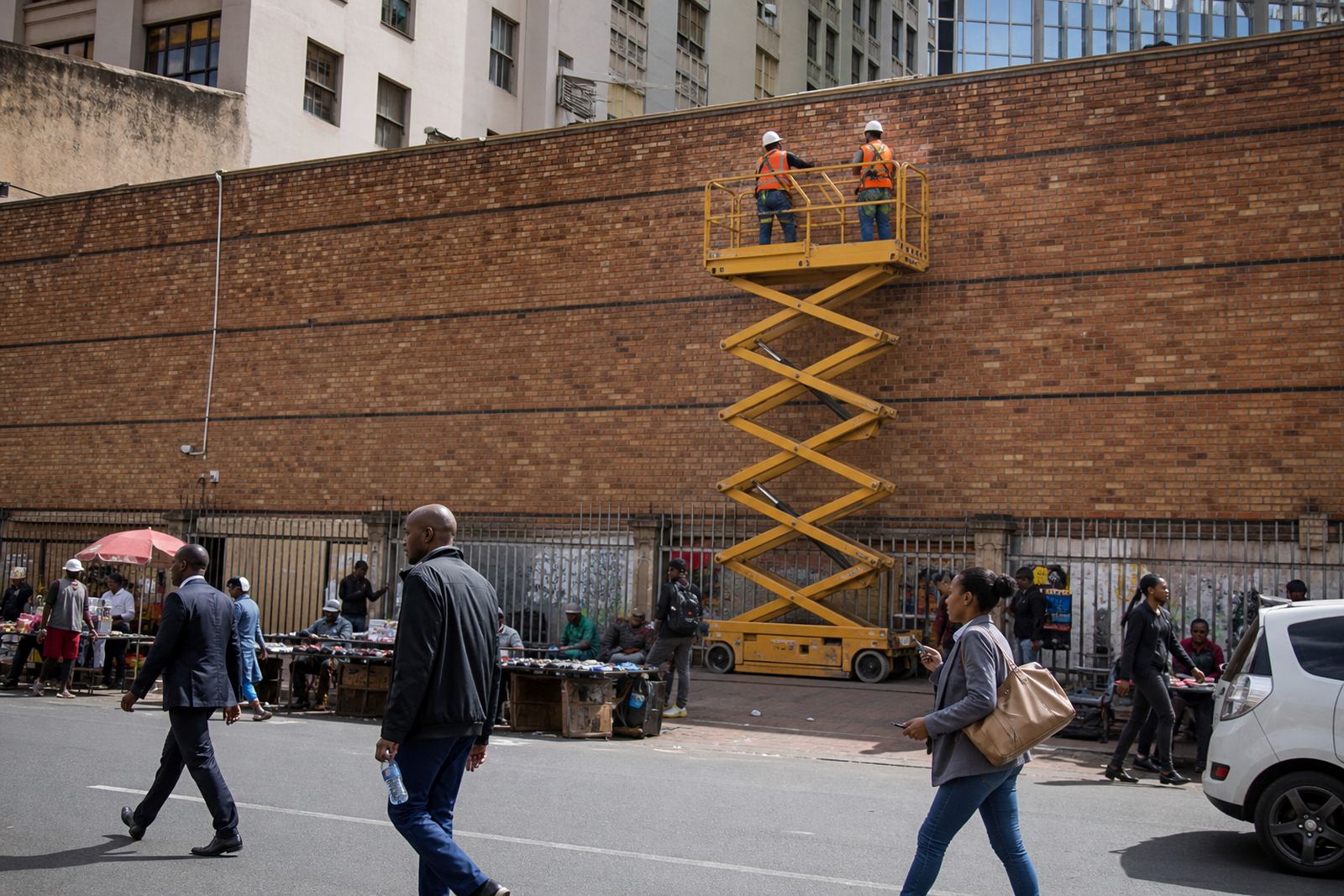
Most warehouse gable wall installations need access planning before any work starts. Installers may require scaffolding, a cherry picker, rope access or a lift, depending on the wall height and the site layout. If the property has loading bays, truck movements or shift work, the schedule should be arranged to avoid disruption. On industrial sites, security procedures matter too, so access windows and contractor entry must be agreed in advance.
Power needs depend on the format. A static printed or painted wall may need no electrical supply at all. If the campaign includes illumination, timers or maintenance lighting, then a suitable power point and safe cable route are needed. For sites with limited backup power during load-shedding, lighting should be planned carefully so the display remains safe and legal. Gas is not normally part of a warehouse gable wall installation, unless a separate site function requires it nearby. The key issue is always safe fixing, weather protection and access for future checks.
- Confirm wall height, width and clear face area
- Check whether the wall is brick, concrete, cladding or plastered blockwork
- Confirm access for installers and maintenance staff
- Plan for wind load, rain exposure and corrosion risk
- Check if lighting or cabling is required
Consent, bylaw checks and booking support
Before any warehouse wall is used for advertising, the property owner’s consent is required. That is not optional. In addition, local municipal bylaw approval may be needed depending on the site, the size of the display and the area in which the property sits. Industrial areas can still fall under signage rules, and those rules may deal with height, projection, illumination, structure type and whether the message is visible from a public road.
When a listing is handled properly, the consent process is part of the job from the start. The advertiser should know who owns the wall, who controls the site and whether any tenant or managing agent also needs to sign off. A clear booking file should include the approved artwork size, installation dates, maintenance access and any wording conditions. For walls in older industrial zones, it is worth checking if there are building condition issues or previous fixings that need to be removed before a new display is mounted.
RentThisWall supports consent check guidance, bylaw process support, booking coordination and campaign logistics so both parties know what has been agreed. It keeps the process practical, especially where a property has multiple stakeholders or where municipal requirements differ from one suburb to the next. A small miss step here can hold up a campaign, so the paperwork matters.
Care, servicing and what to confirm before ordering
Warehouse gable walls are exposed to dust, rain, sun and general industrial wear, so regular checks are important. If the artwork is printed, it may need cleaning, edge inspection and occasional tension checks. If the surface is painted, fading and peeling should be monitored. Any loose brackets, torn vinyl or rust around fixings should be dealt with quickly, since wind and vibration can make minor issues worse over time.
Before ordering a wall like this, check the following carefully:
- Exact wall dimensions and usable display area
- Surface type and condition, including any cracks or damp patches
- Visibility from road level or surrounding property
- Need for lighting, access equipment or security arrangements
- Owner consent and any tenant or agent approvals
- Municipal bylaw requirements for the specific location
- Artwork specifications, file size and final print or paint method
It also helps to confirm who handles renewals, repairs and removal at the end of the booking. A good wall should be easy to manage without causing problems for the building or the surrounding site. If the property is near the coast, ask about materials suited to humidity and salt air. If it is in a busy industrial corridor, make sure installation timing works around deliveries, shifts and site security.
Why advertisers choose this wall format
A warehouse gable wall gives advertisers a plain surface with strong presence and enough size for practical messaging. It suits companies that want to be seen without clutter, especially where a simple, well-positioned sign can do the job better than a lot of small print. For property owners, it turns unused exterior wall space into a structured advertising asset that can be managed with proper consent and clear terms.
For businesses looking across Johannesburg, Pretoria, Cape Town, Durban or Bloemfontein, the format is flexible enough to suit different site conditions and campaign lengths. The key is to match the wall to the message and to keep the process tidy from the start. A well-chosen gable wall should fit the property, the municipality and the advertiser’s brief, not fight against them.
Key facts
| Product type | Outdoor wall advertising space |
|---|---|
| Surface | Warehouse gable wall |
| Use case | Large-format brand messaging |
| Typical mounting | Vinyl, painted, framed panel or flex face |
| Power requirement | None for static displays, optional for illuminated setups |
| Approval need | Property owner consent and local municipal bylaw approval |