What a Temporary Campaign Wall is used for
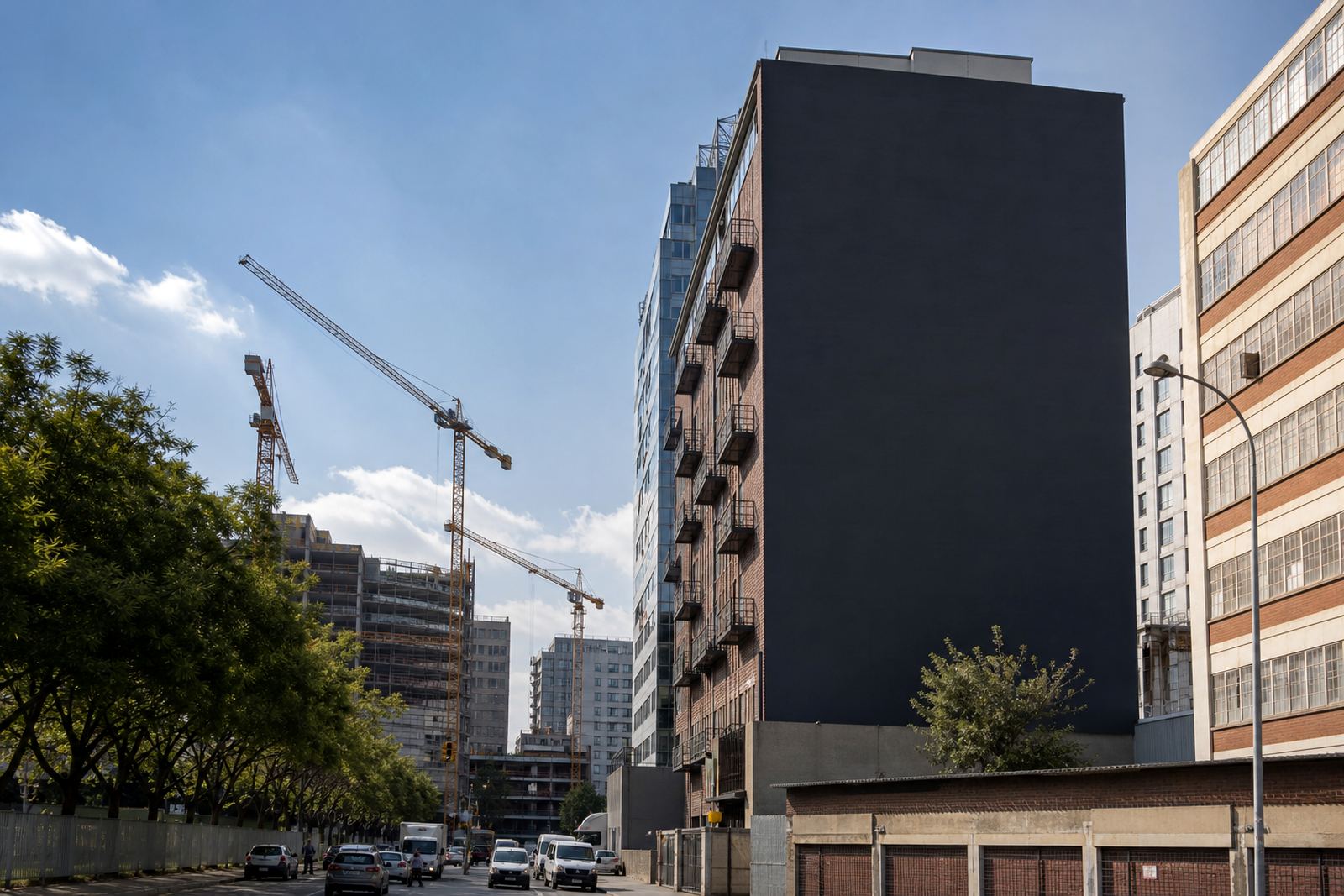
A Temporary Campaign Wall is a short-term advertising space fixed to, or displayed on, a wall surface for a defined campaign period. It is often used for product launches, retail openings, year-end promotions, events, property marketing, public notices, and brand awareness drives where you need one clear message in a specific area for a limited time.
This option works well when you do not need a permanent sign, but still want a visible presence near shopping routes, business nodes, station areas, campus edges or busy neighbourhood streets. In Johannesburg, Pretoria, Cape Town, Durban and Bloemfontein, the right wall location can support a campaign that needs to run for a few weeks or a few months, then come down cleanly.
Because wall advertising is exposed to wind, rain, dust and sun, the structure and fixing method matter. On coastal sites in Durban or Cape Town, extra attention is needed for salt air and corrosion. In inland areas, heat and glare can affect print quality, so the artwork finish and material choice should be suitable for outdoor use.
Sizes and format options for wall campaigns
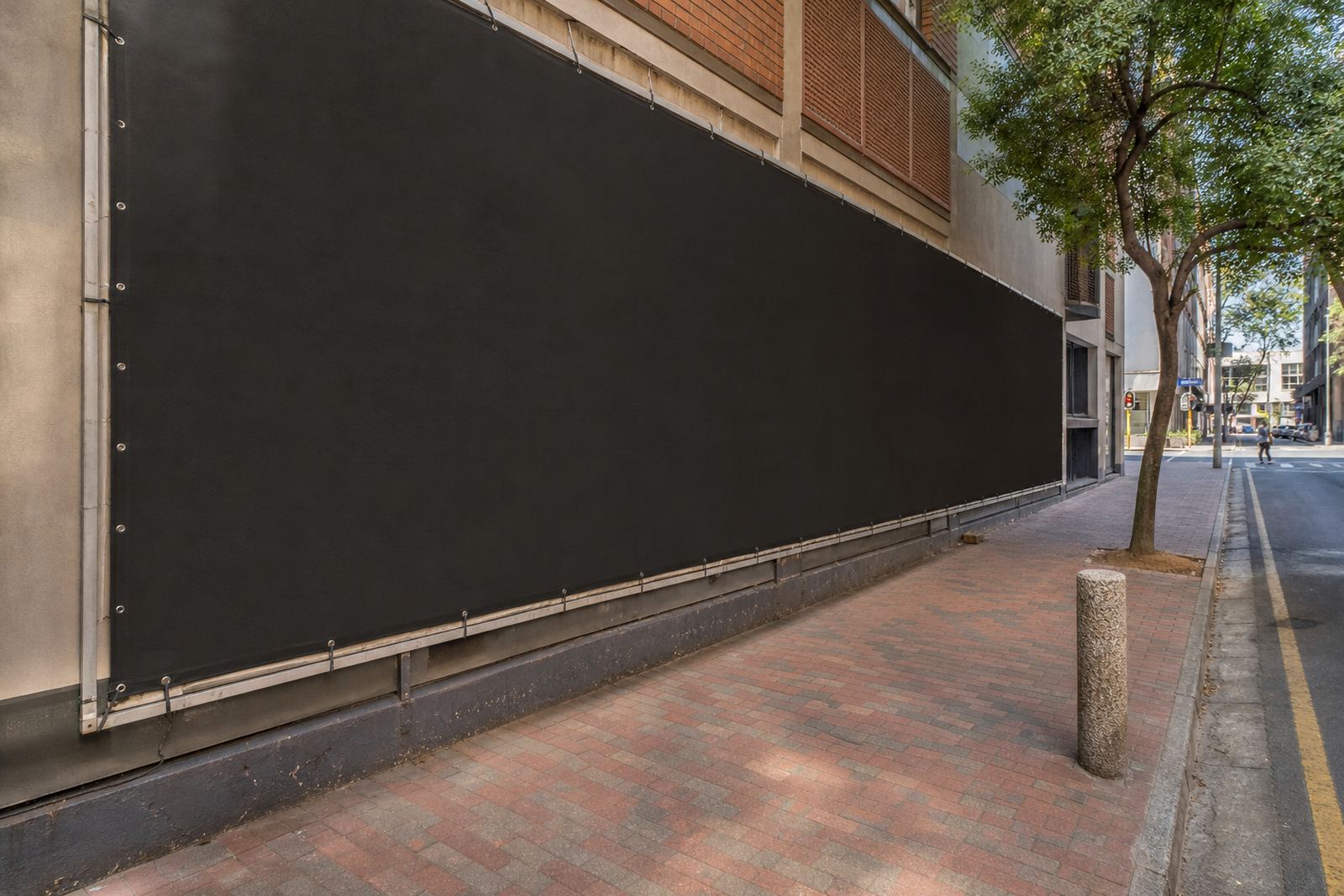
Temporary wall campaigns are normally sized to suit the actual wall face, building line and viewing distance. Standard options range from small frontage panels to full wall wraps, depending on the property and the approval conditions. Some sites allow a neat rectangular panel, while others suit a long horizontal banner or a series of linked panels across one elevation.
The best format is the one that fits the wall without covering windows, fire escapes, security grilles or building access points. We also look at whether the wall is flat, slightly uneven, painted, brick, rendered or corrugated, because that affects fixing and artwork preparation. A clean layout is easier to read from a moving car or from foot traffic passing close to the wall.
- Small format panels: suitable for narrow frontage walls, shop side walls and short campaign messages.
- Medium wall panels: useful for local promotions, event signage and service advertising.
- Large wall displays: better for major routes, long walls and brand campaigns that need broader visibility.
- Multiple-panel runs: helpful where a wall is broken by joints, columns or access points.
Where this product suits best
This product suits businesses that want a temporary display in a place people already know, without committing to a long term installation. It is commonly used near retail corridors, industrial edges, transport links, township entrances, student areas, mixed-use streets and roadside walls that face regular passing movement.
For advertisers with branch-specific promotions, a Temporary Campaign Wall can support a local message tied to one suburb or trading area. It can also work for agencies running timed bursts across multiple cities, such as Johannesburg, Sandton, Midrand, Pretoria, Cape Town, Durban or Bloemfontein. The key is to match the wall to the campaign objective, rather than forcing a big format onto the wrong site.
- Retail promotions: seasonal sales, store openings and limited-time offers.
- Events: festivals, sports fixtures, expos and community activations.
- Property and development: launch notices, site branding and occupation messages.
- Service businesses: local awareness for trades, education, health and professional services.
Installation, fixing methods and power or gas needs
Most temporary wall campaigns do not need power or gas at all, since they are static print or sign installations. If the brief includes illumination, a lightbox, or a nearby active feature, then power planning must be checked before booking. The site may need a safe supply point, compliant cabling and a plan that suits after-hours operation as well as load shedding conditions.
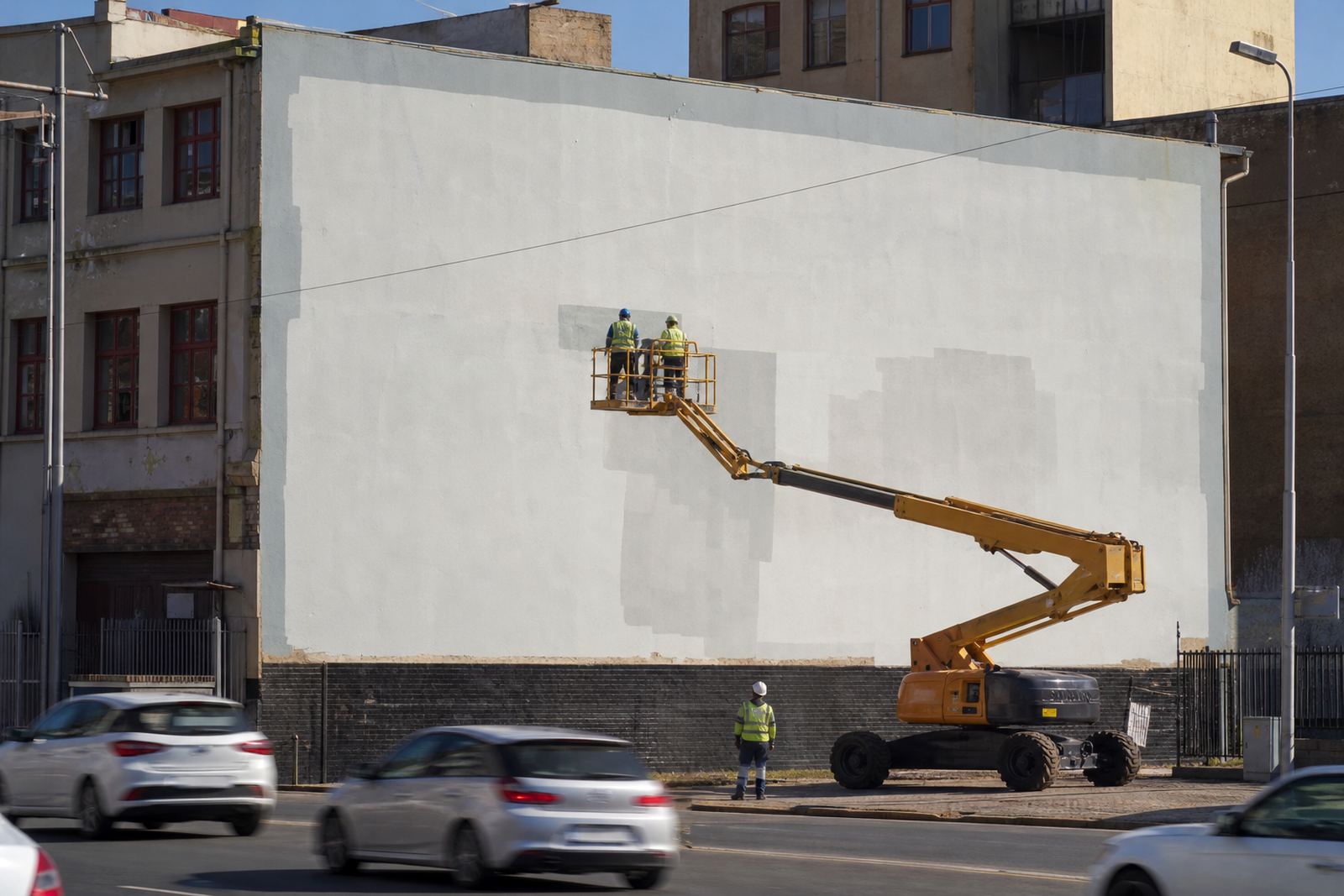
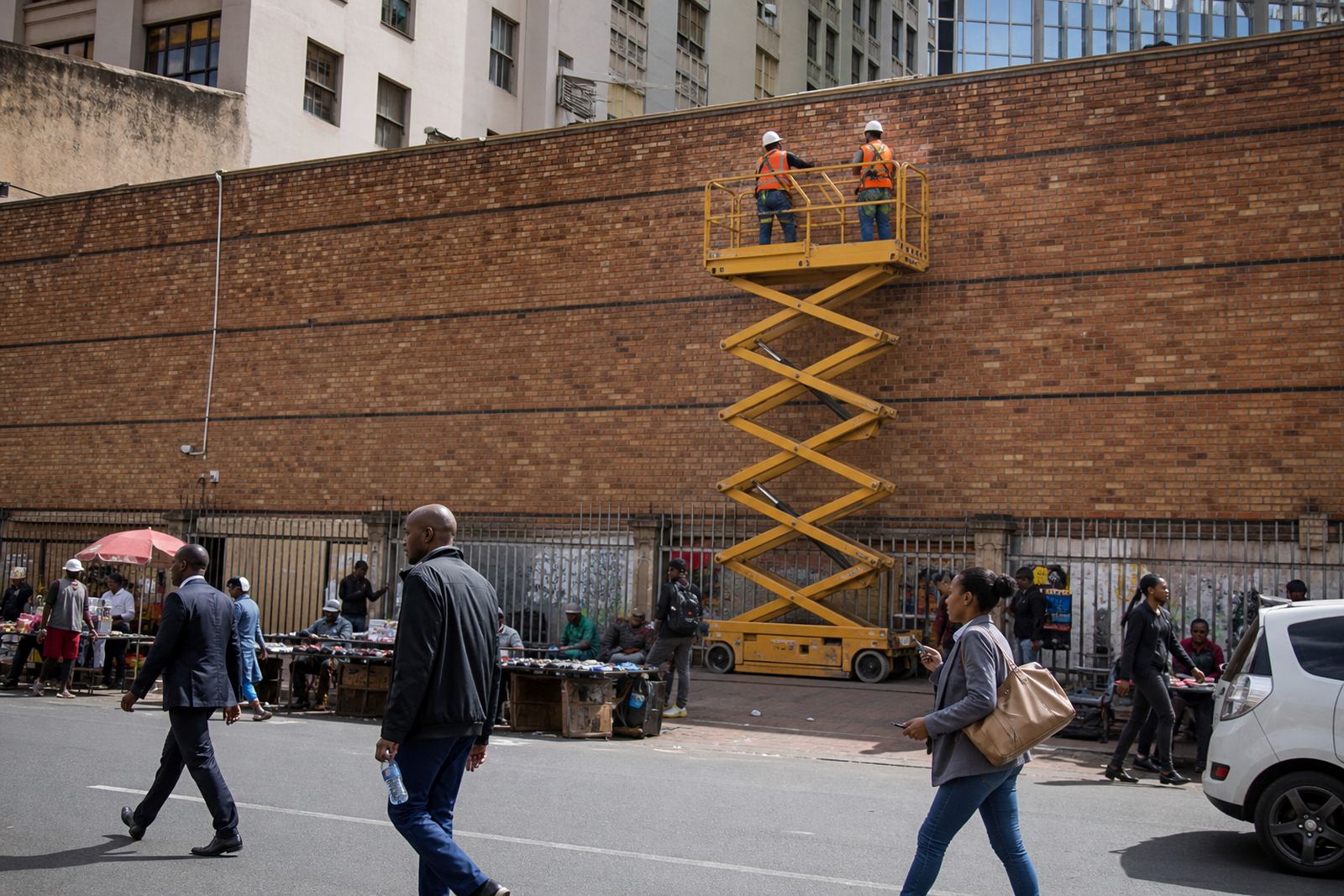
Fixing methods depend on the wall surface and the approval conditions. Common options include drilled anchors, frame systems, cable ties, rails or tensioned fittings. On some sites, no drilling is allowed and the display must be mounted in a way that protects the property. The installer also needs safe access, a clear work area and permission for any equipment used on site.
Do not assume a wall is suitable just because it looks open. Check whether the structure can carry the load, whether access is available from ground level or a lift, and whether the site needs traffic control, scaffold or a working-at-heights plan. On busy roads in Braamfontein or central Johannesburg, installation timing can matter as much as the sign itself.
Care, servicing and weather protection
Temporary wall displays should be checked during the campaign, not only at installation. Wind can loosen fixings, dust can dull printed surfaces and heavy rain can affect edges if the material or sealing is not right. If the site is near the coast, stainless or coated fixings are often a better choice because rust can start quickly in humid conditions.
Regular checks are useful for print tension, corner wear, colour fade and any lifting at joints. If a sign is exposed to strong afternoon sun, consider matte or UV-stable finishes to reduce glare and premature fading. For long temporary runs, a mid-campaign inspection can prevent small faults becoming a full replacement job.
- Inspect anchors, frames and edge tension after heavy wind.
- Keep the face clean enough for legibility, especially near dusty roads.
- Check for damage where people may brush past the wall.
- Allow for planned removal so the surface can be restored neatly afterwards.
What to check before you order
Before booking a Temporary Campaign Wall, confirm the wall dimensions, surface type, access method and campaign dates. You should also know who owns the property and who gives written consent. In South Africa, signage needs the property owner’s consent and local municipal bylaw approval, so the paperwork must be lined up before installation is scheduled.
It is also wise to confirm artwork size, bleed, viewing distance, content limits and whether any nearby fixtures will block the message. If the site has power needs, make sure the supply point is practical and safe. If the wall is near a busy junction, check whether the installation crew will need off-peak work hours, barriers or traffic assistance.
- Exact wall measurements and photos of the site.
- Proof of owner consent and bylaw approval status.
- Campaign start and end dates, plus any extension options.
- Artwork readiness, including final sizes and file specs.
- Installation access, safety needs and any height restrictions.
RentThisWall helps property owners and advertisers work through listing setup, consent guidance, bylaw process support, artwork spec checks and booking coordination from our Braamfontein base. If you are planning a short-term wall campaign in Johannesburg, Pretoria, Cape Town, Durban or Bloemfontein, start with a site that fits the message and a process that keeps the paperwork in order.
Key facts
| Product type | Temporary outdoor wall-space advertising for short-term campaigns |
|---|---|
| Common sizes | Small frontage panels to large wall wraps, site dependent |
| Power or gas | Usually not required unless illumination or special fittings are included |
| Installation | Fixed to wall surface with approved anchors, frames or tension systems |
| Typical use period | Short-term bookings for seasonal, launch or event campaigns |
| Compliance | Property owner consent and local municipal bylaw approval required |