What City Centre Wall Means
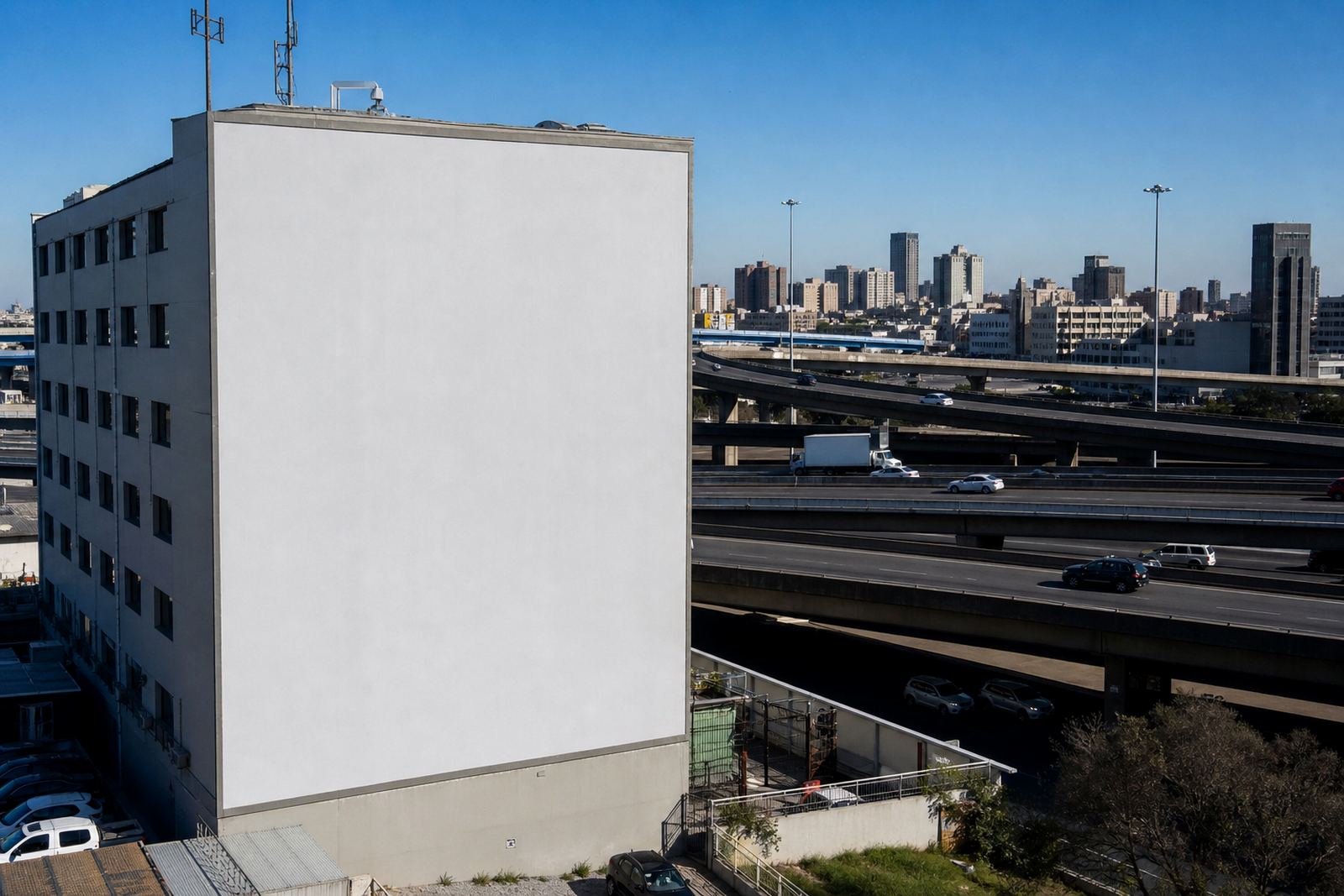
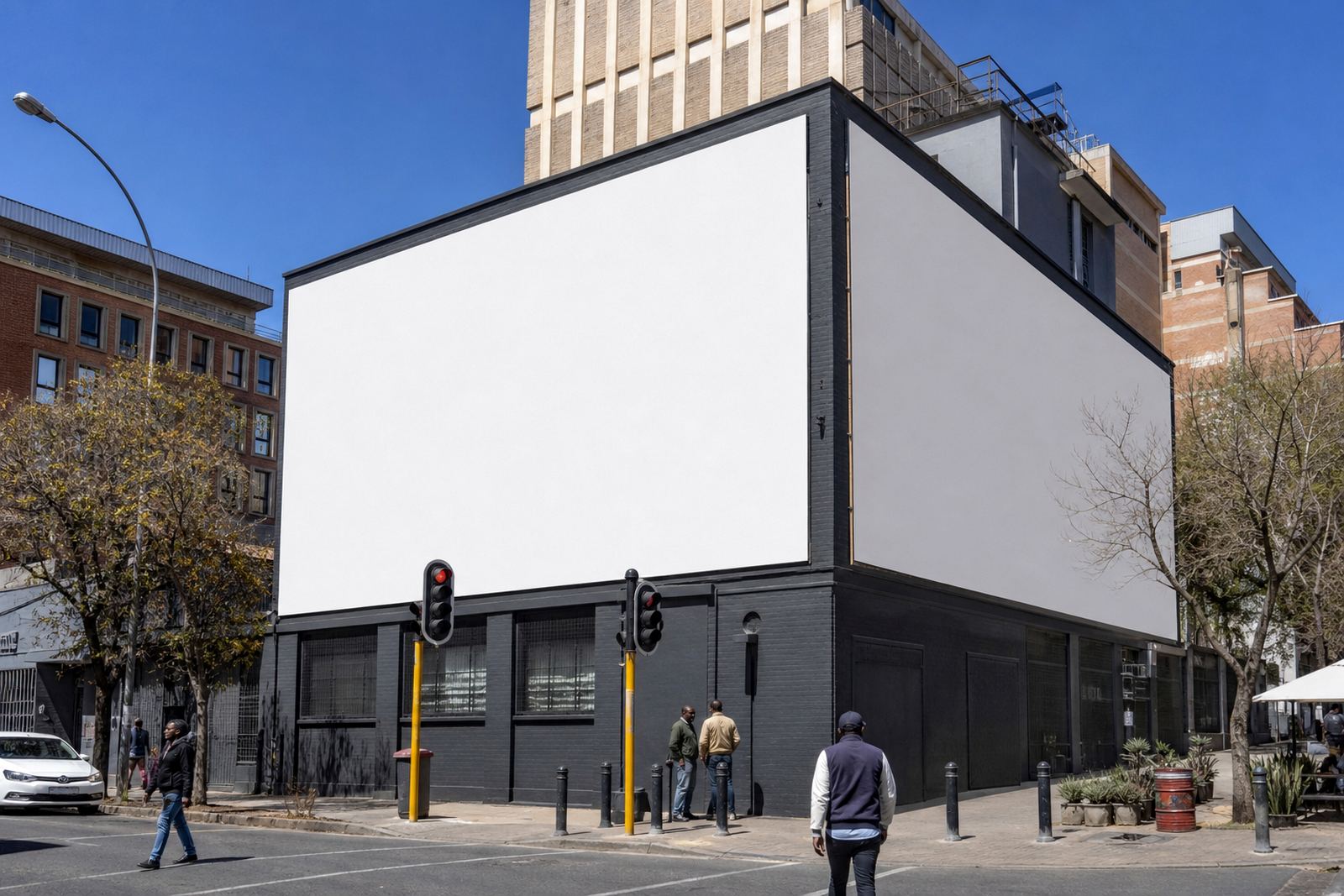
City Centre Wall refers to wall advertising on buildings in central business district areas where foot movement, vehicles, taxis and delivery traffic all pass through the same streets each day. It is a practical choice when you need a sign that sits high enough to be seen from the road, but still close enough to work for people moving through the area on foot.
This type of space is commonly used on commercial buildings, parking structures, retail frontages and mixed-use properties. It can work for long-term brand presence, campaign launches or location-specific notices. In a place like Braamfontein or the Johannesburg CBD, the wall itself becomes part of the message because people often see it more than once during the week.
- Fixed outdoor wall space on a private building
- Suitable for printed panels, vinyl or other approved signage formats
- Best when you need steady visibility in a busy city block
- Consent from the property owner is required before any booking can proceed
Available Sizes And Format Options
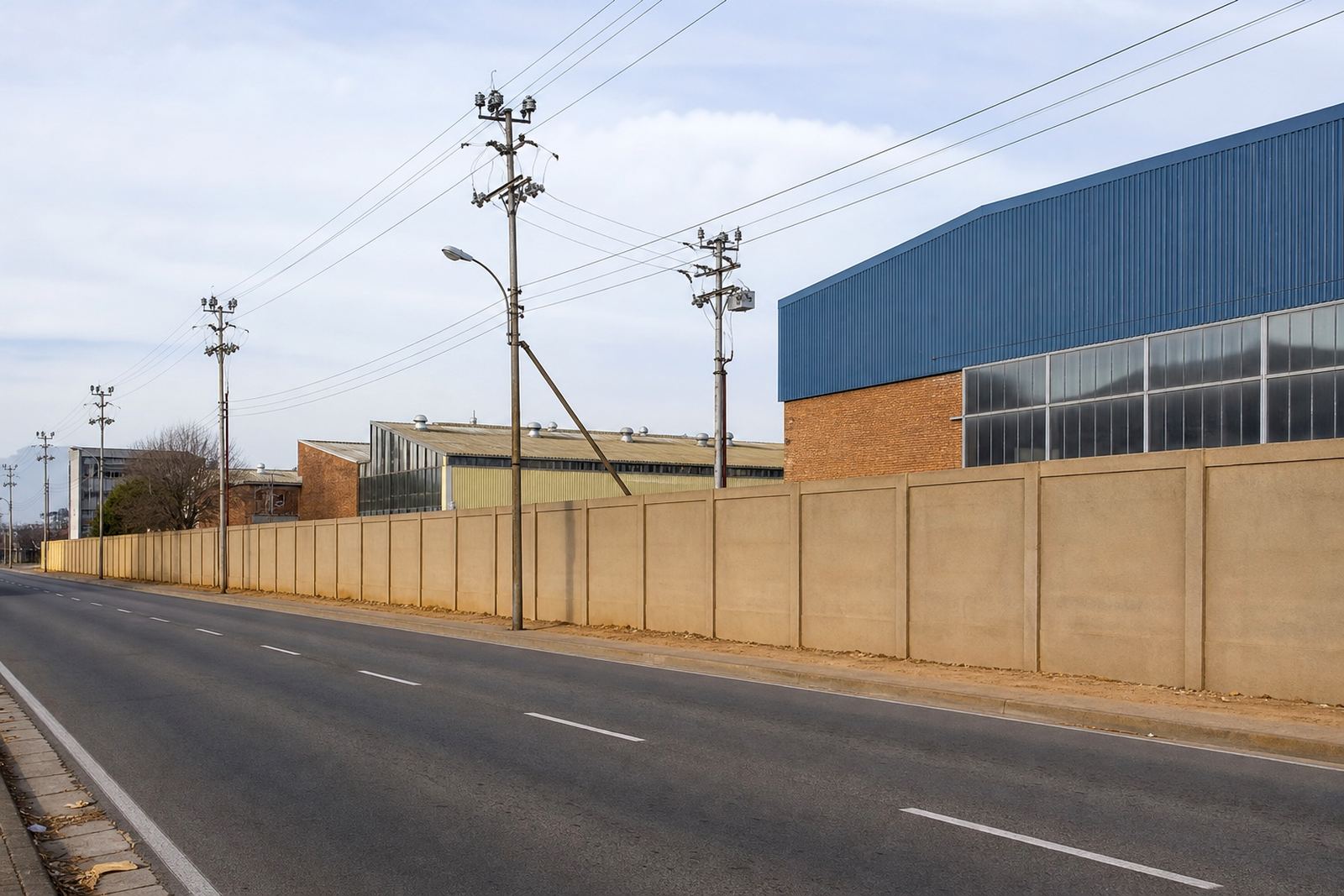
Sizes depend on the wall, the building shape and what the property owner allows. Some walls are suited to one large panel, while others are split into smaller sections. You should always confirm the exact width, height and any obstructions such as windows, pipes, ledges or safety rails before artwork is prepared.
Common format options include rigid panels, tensioned coverings and flat applied graphics. In some cases, the wall can take a simple rectangular format. In others, the available area is irregular and needs careful sizing to fit around edges. For city centre sites, a neat finish matters because nearby buildings, overhead cables and street furniture can affect how the space reads from ground level.
- Single panel wall sign for a clean rectangular area
- Split section layout for longer or irregular walls
- Printed vinyl or other approved surface graphics
- Freestanding edging or frame details may be needed depending on the wall condition
Before ordering, ask for the exact measurements in metres and the usable area only, not the full building face. This avoids artwork being cut down at the last minute, which can be expensive and frustrating.
Where This Wall Space Works Best
City Centre Wall suits dense urban areas where people move through the same streets for work, shopping, transport and appointments. It is useful for businesses that want presence near offices, taxi ranks, public transport stops, parking areas or government and commercial buildings. It can also work near student areas and service corridors where there is steady city movement throughout the day.
In Johannesburg, Pretoria, Cape Town, Durban and Bloemfontein, this kind of placement can support campaigns that need a formal, city-facing look rather than a suburban roadside feel. It is often chosen by businesses that want local reach in a defined district instead of a broad regional spread.
- Central business district streets and commercial nodes
- Mixed-use buildings with ground-floor activity
- Areas with strong pedestrian and vehicle flow
- Sites where a wall sign can stay visible from multiple angles
It is less suitable where the building is hidden behind trees, scaffolding or another structure, or where the wall faces an alley with limited sight lines. A good site should be visible from the street and not blocked by permanent fixtures.
Installation Needs, Power And Site Conditions
Most wall advertising does not need gas. Power may be needed if the sign includes lighting, timers, monitoring equipment or any electrical feature. If the wall is unlit, the campaign can still work in daylight, but you should check whether the site needs illumination for after-dark viewing. In some city centre areas, load-shedding and municipal supply interruptions can affect lighted signage so a back-up plan is worth discussing.
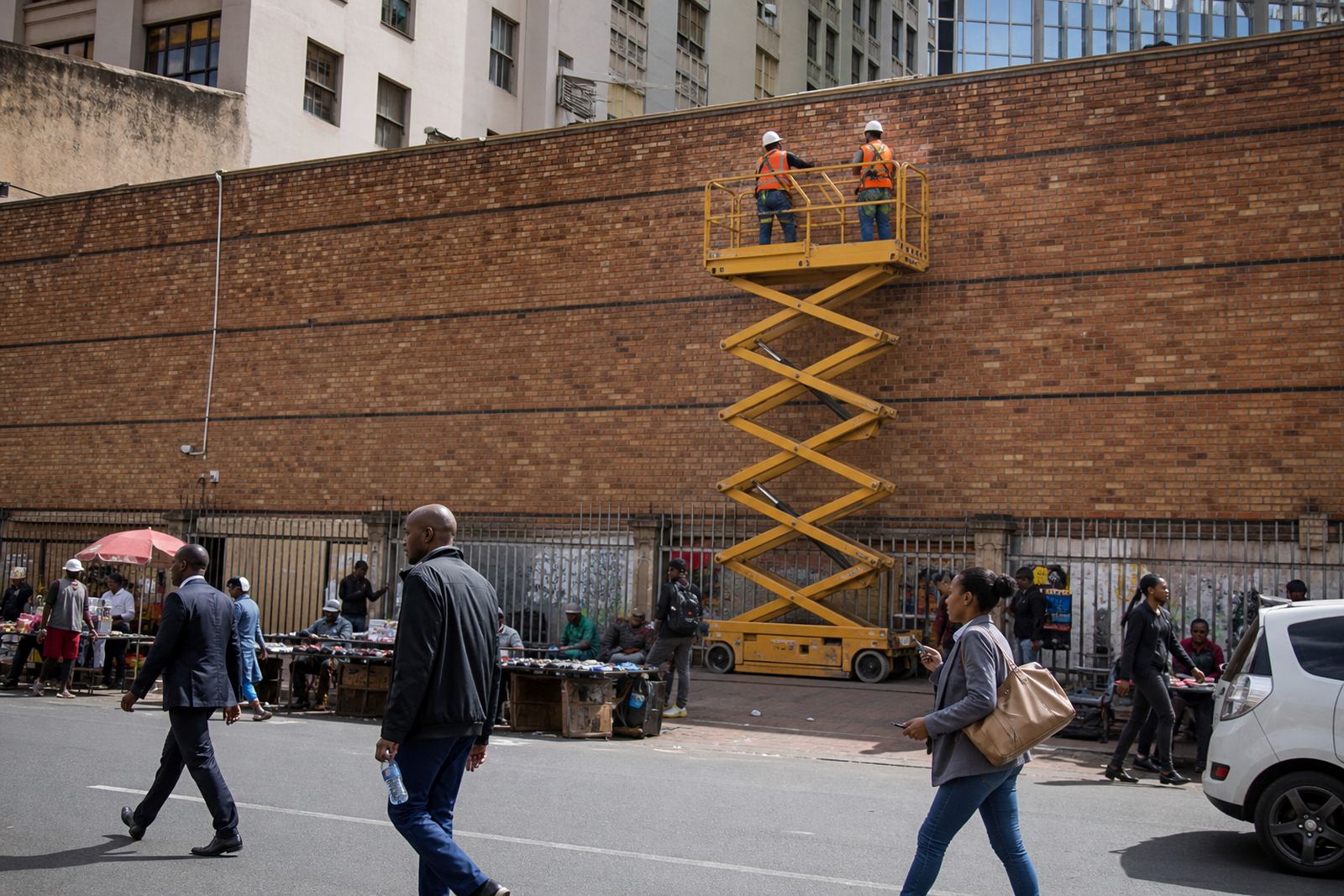
The wall must be assessed for surface condition, access and safety. Installation may need scaffold, a cherry picker or rope-access work depending on height and the building layout. Access routes also matter, especially in tight CBD streets where delivery vehicles, security controls and pedestrian movement can slow down work. If the building is old or exposed to coastal humidity, the fixing method and material choice need extra attention.
- Check whether electrical supply is available for lighting or monitoring
- Confirm access for installers and lifting equipment
- Ask if the wall needs cleaning, repairs or sealing before fixing
- Plan around weather, wind exposure and busy street conditions
On some sites, council or building management rules may limit installation times. That is common in central areas where access is controlled and work must be done during specific hours.
Care, Maintenance And Servicing
Outdoor wall signage needs routine care to stay legible and safe. Dust, rain, pollution and vehicle grime can collect quickly in central districts. Near the coast, salt in the air can also shorten the life of fittings and finishes if they are not chosen carefully. Regular inspection helps you catch loose edges, fading, lifting corners or water ingress before the sign starts looking untidy.
Servicing should include checking the surface fixings, cleaning the face, confirming that any lights still work and making sure nothing has shifted after strong wind. If the property has shared services or roof access nearby, that should also be checked for safety. A simple maintenance routine is usually enough, but it should be consistent.
- Wipe down visible surfaces when dirt builds up
- Inspect fixings after storms or strong winds
- Check for fading, peeling or panel movement
- Replace damaged graphics before they start looking worn
Good servicing protects both the advertiser and the property owner. It helps the wall remain presentable and avoids complaints from neighbours or building management.
What To Check Before You Book
Before confirming a City Centre Wall booking, check the exact measurements, viewing direction and whether the site is clear from obstructions. Confirm who owns the wall, who signs off on access and whether the building rules allow advertising at that spot. You should also verify if the installation requires any municipal steps, because signage needs the property owner’s consent and local municipal bylaw approval.
It is also important to ask what is included in the booking. Some spaces are supplied as a bare wall location, while others include basic fitment guidance, artwork checks or scheduling support. Make sure the campaign dates, installation window and removal plan are all clear before you send artwork to print.
- Exact usable size in metres, not just the building dimensions
- Property owner consent and any written permission needed
- Local municipal bylaw approval requirements
- Whether lighting, access equipment or cleaning is included
- Artwork spec limits for bleed, file type and finish
If the site is near a busy junction or inside a controlled commercial block, ask how access will work for installers and whether there are any restrictions on work hours. A small detail missed at the start can delay the whole campaign.
How RentThisWall Supports The Process
RentThisWall helps connect advertisers with wall-space opportunities across South Africa, including Johannesburg, Pretoria, Cape Town, Durban and Bloemfontein. For City Centre Wall bookings, the team can help with listing setup, site photo curation, listing copywriting, availability management, brief matching, booking coordination and campaign logistics. Consent check guidance, bylaw process support and artwork spec checks are part of the process as well.
The Braamfontein, Johannesburg base works with property owners and advertisers who need a practical route from enquiry to booking. If you are planning a campaign in a central district, it helps to have the right wall, the right measurements and the right approvals lined up before installation starts.
- Listing renewal support for ongoing campaigns
- Installation scheduling and campaign monitoring
- Content and listing checks for accurate site details
- Support for both property owners and advertisers
Use the enquiry form on the contact page to ask about current availability. If the wall fits your brief, the next step is a proper consent and compliance check before any booking is confirmed.
Key facts
| Product type | Central business district wall-space advertising |
|---|---|
| Typical use | Outdoor brand visibility on a building wall |
| Size range | Site-specific, measured in metres |
| Power needs | Only if lighting or electrical features are included |
| Gas needs | Not required |
| Compliance | Property owner consent and local municipal bylaw approval required |