
What Taxi Route Wall Means for Your Campaign
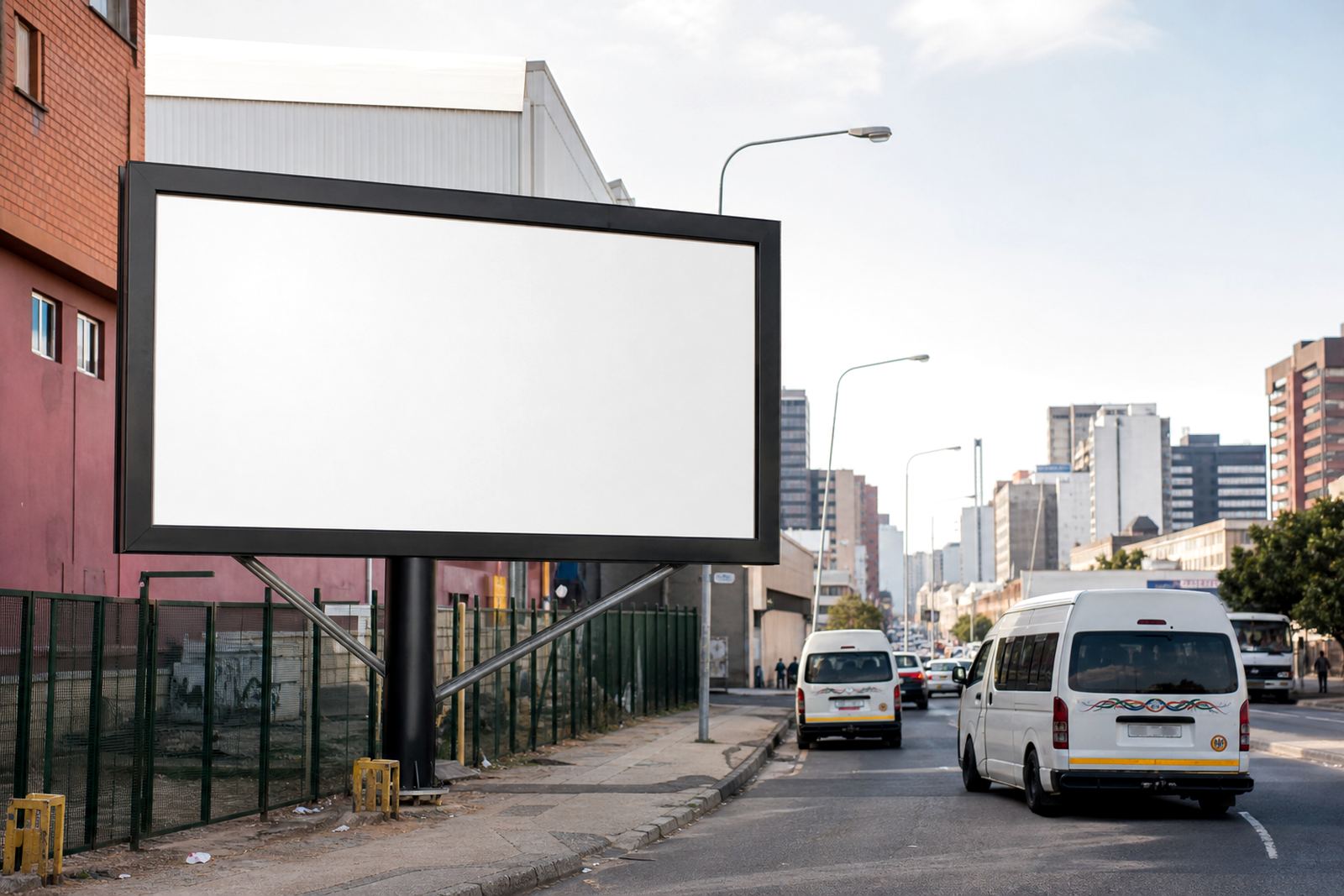
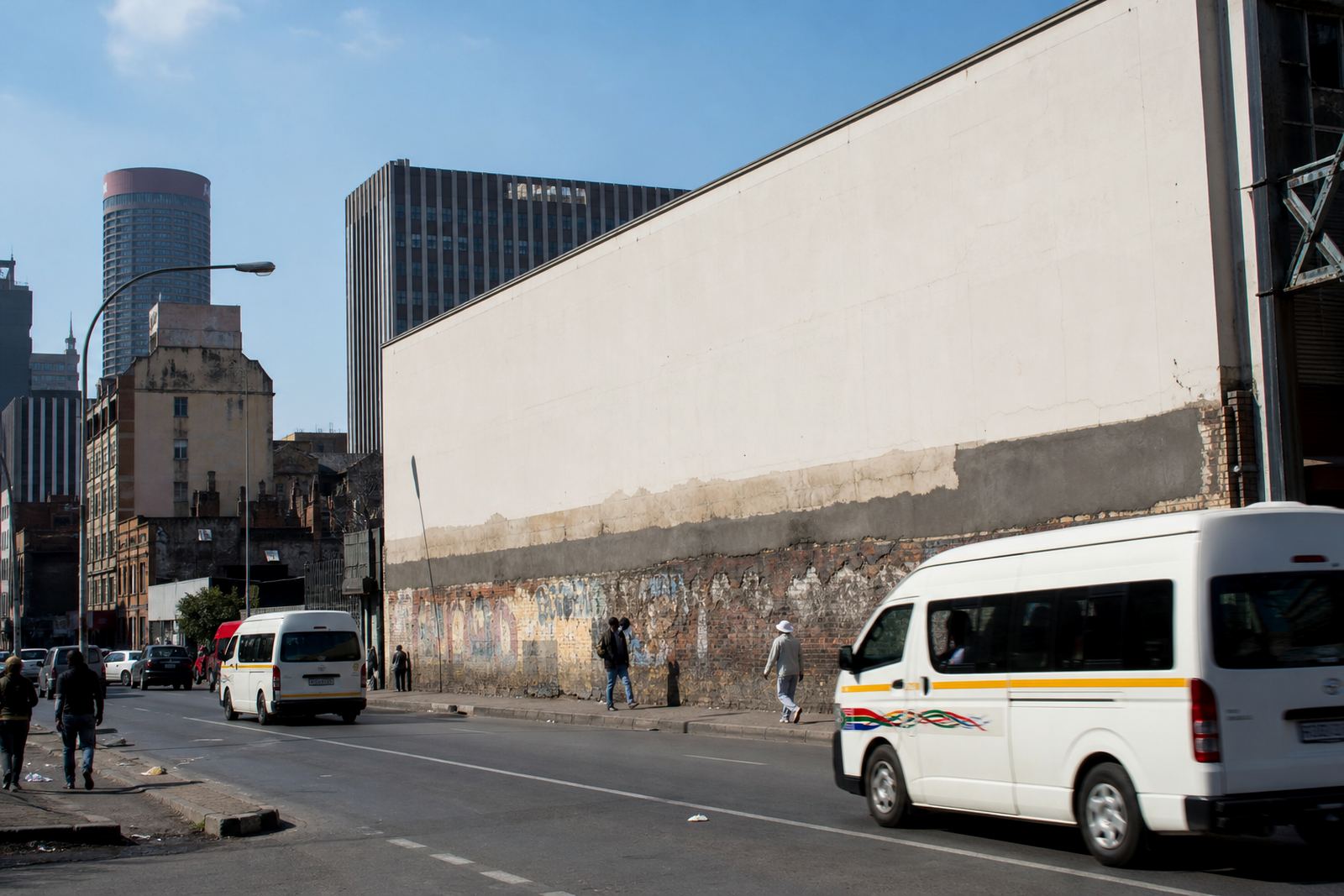
Taxi Route Wall is a wall-space advertising option positioned along routes used by minibus taxis and other commuter transport. The format is built for repeated viewing from vehicles, pedestrians and nearby roadside activity, so it works well where people pass the same point day after day. In Braamfontein, Sandton, Pretoria, Cape Town, Durban, Bloemfontein and other busy centres, these walls can support short brand messages, directional promotions, or longer campaign runs that need a fixed presence.
Because wall surfaces vary from one property to the next, each listing should be checked for frontage, viewing distance, surface condition and any site restrictions. Some walls are suited to painted branding, others to printed panels or framed sign systems. The choice depends on the property, the local road layout and what the owner allows. You should also confirm that the owner has given written consent and that local municipal bylaw approval is in place before any installation begins.
Sizes, Formats and Surface Options
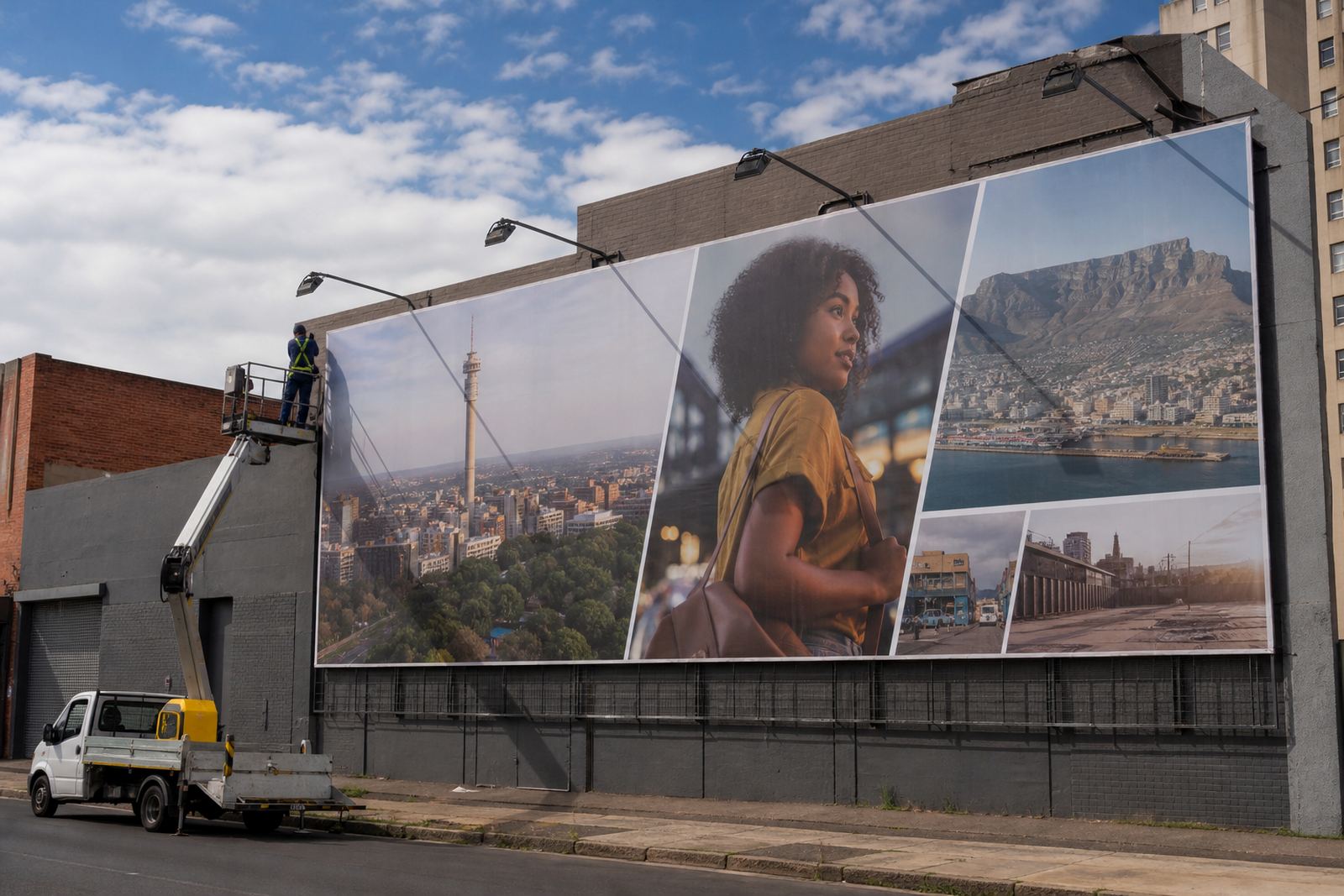
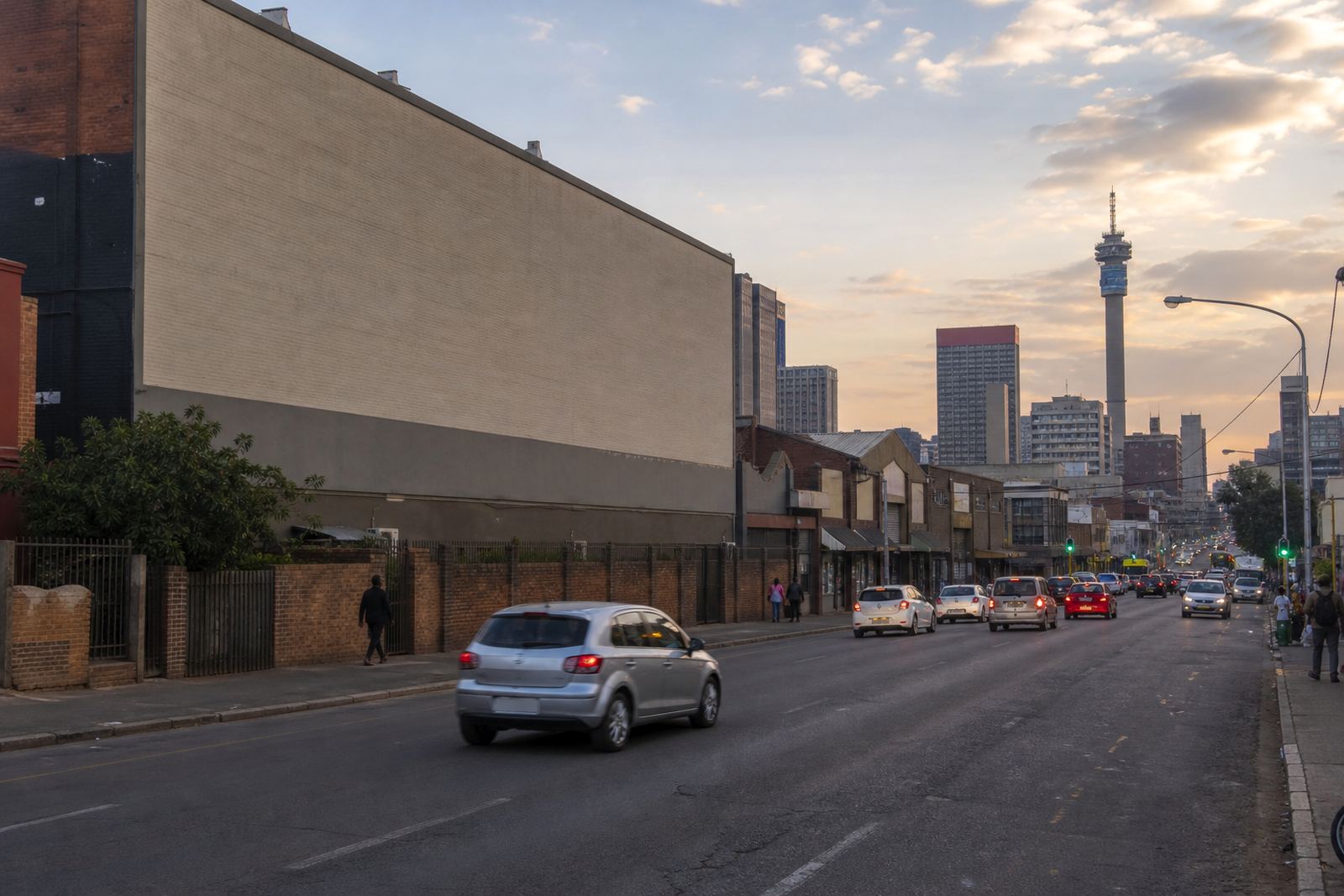
Taxi route walls are not one standard size, so listings normally show the usable area in metres and the type of finish allowed. A wall can be a narrow strip above a boundary line, a full facade section, or a longer run made up of several panels. The right choice depends on the viewing angle, the distance from the street and whether the surface is brick, plastered, painted concrete or clad with boards. Coastal humidity in places like Durban and parts of Cape Town can also affect material choice, so it helps to ask what will hold up best in that climate.
- Single-panel wall space for one clear message
- Multi-panel runs for a longer visual line along the route
- Painted applications where the owner allows direct treatment
- Printed or mounted panels for cleaner artwork control
- Lit or unlit options, depending on site power and permissions
Not every site supports all formats, and some properties have limits on drilling, adhesives or frame depth. If the wall is older or uneven, a more forgiving finish may be needed. A good listing should state the approximate width, height, mounting method and whether the surface has any obstructions like security fencing, cables or windows.
Where This Format Works Best
This product suits commuter-heavy areas where the same route is used throughout the week. It is often a practical choice near taxi ranks, route junctions, access roads to industrial areas, and mixed-use neighbourhoods where foot traffic and vehicle movement overlap. In Johannesburg and Pretoria, wall-space along arterial roads can be effective for local retail, services and recruitment messages. In Cape Town and Durban, careful positioning matters even more because weather, salt air and municipal controls can affect both the finish and the approval process.
It also suits businesses that need a presence without relying on a large freestanding structure. Wall space can be easier to position in tighter urban streets, and it can work well where nearby buildings or walls already shape the visual line of travel. A clean, well-placed wall piece can hold attention without competing with too many other elements. It does not need to be flashy, but it must be readable at a glance, especially where taxi movement is fast and the viewing time is short.
- Roads leading to taxi ranks and commuter stops
- Busy mixed-use streets near shops, schools and offices
- Industrial edges where workers move on set routes
- Neighbourhood connectors with steady local movement
Installation, Power and Site Readiness
Before installation, the property owner must consent in writing and the required municipal bylaw approval must be confirmed. That step matters because wall signage can fall under local controls on size, placement, lighting and street visibility. Some sites also need additional checks for building condition, access for installers and any heritage or zoning limits. If the wall sits near traffic or overhead services, planning becomes even more important.
Power is only needed if the site includes lighting, digital elements or any electrical feature. Many Taxi Route Wall listings are unlit and do not need a power supply at all. If lighting is planned, the installer should check the available feed, load capacity and how the fittings will be protected from rain and tampering. On sites exposed to load-shedding, it may be worth asking whether the lighting needs backup or a manual switch so the property does not carry unnecessary strain. Gas is not normally required for this product, unless a separate site feature uses it for another purpose.
Access for installation should also be agreed upfront. That includes ladder or lift access, working hours, parking for the crew and how long the wall will be occupied. In some cases the route or pavement may need temporary control while the team works, so the booking should allow for that without disrupting nearby tenants or commuters.
Care, Servicing and Campaign Monitoring
Once the wall is up, care mostly comes down to keeping the surface clean, secure and legible. Dust, road grime and rain marks can build up quickly on roadside sites, especially in high-dust inland areas or where traffic spray is common. A regular check helps you catch peeling edges, loose fixings, fading print or damage from weather and passing vehicles. If the site is painted, touch-up timing should be set from the start so the message does not start looking tired.
Good servicing also includes looking at the area around the wall. Trees grow, neighbouring signs change and new obstructions can appear. A route that was clear at booking time may look different a few months later. Campaign monitoring should check visibility from both directions where possible, and confirm that the message is still readable from the intended approach. If a site becomes blocked or the surface condition changes, the listing may need renewal support or a revised setup.
- Check fixings after strong wind, heavy rain or dust storms
- Clean surfaces without damaging printed or painted layers
- Watch for fading, lifting corners or water staining
- Review visibility if nearby activity changes
What to Check Before You Book
Before you commit to a Taxi Route Wall listing, ask for the exact size in metres, the surface type and what format is allowed. Confirm whether the wall is facing the route clearly or if the view is partly angled. Check if there are any poles, trees, security spikes or other objects that may cut into the frame. You should also know whether the site allows lighting, whether the installation needs drilling and if any reinstatement is required when the campaign ends.
It is also sensible to confirm how the property owner wants the work done and whether there are any site-specific rules. Some owners want a certain finish, some need installation only during set hours, and some ask for a simple method that can be removed cleanly later. Make sure the artwork spec is checked before production starts, because a banner that is too small or a file that is not set right can cost time and money. A tidy order depends on clear measurements and upfront approval, not guess work.
How RentThisWall Supports the Booking
RentThisWall lists wall-space options across Johannesburg, Braamfontein, Pretoria, Cape Town, Durban, Bloemfontein, Sandton and Midrand, with support for property owners and advertisers from first enquiry to renewal. The team can help with space listing setup, site photo curation, listing copywriting, availability management, brief matching, booking coordination, consent check guidance, bylaw process support, artwork spec check, installation scheduling, campaign monitoring and listing renewal support.
This makes it easier to compare wall sites that suit commuter routes, then move through the booking properly. The focus stays on practical details: what the wall looks like, who controls the property, what the municipality allows and how the installation will be handled. For businesses that need a steady roadside presence, that kind of checking is often the part that saves time. It is simple enough when the site is ready, but it still needs proper process.
Whether the campaign is for a small local service or a wider regional run, the right Taxi Route Wall should fit the route, the wall and the approval path. If those parts line up, the site can carry a clear message for a good stretch of time, with less hassle later on.
Key facts
| Product type | Wall-space advertising along active taxi and commuter routes |
|---|---|
| Typical format | Printed panels, painted branding or framed wall signage |
| Size range | Site-specific, usually listed in metres for width and height |
| Power requirement | Not required for unlit sites; needed only for lighting or electrical features |
| Gas requirement | Not normally required |
| Compliance | Owner consent and local municipal bylaw approval required before installation |