
What a suburban main road site is
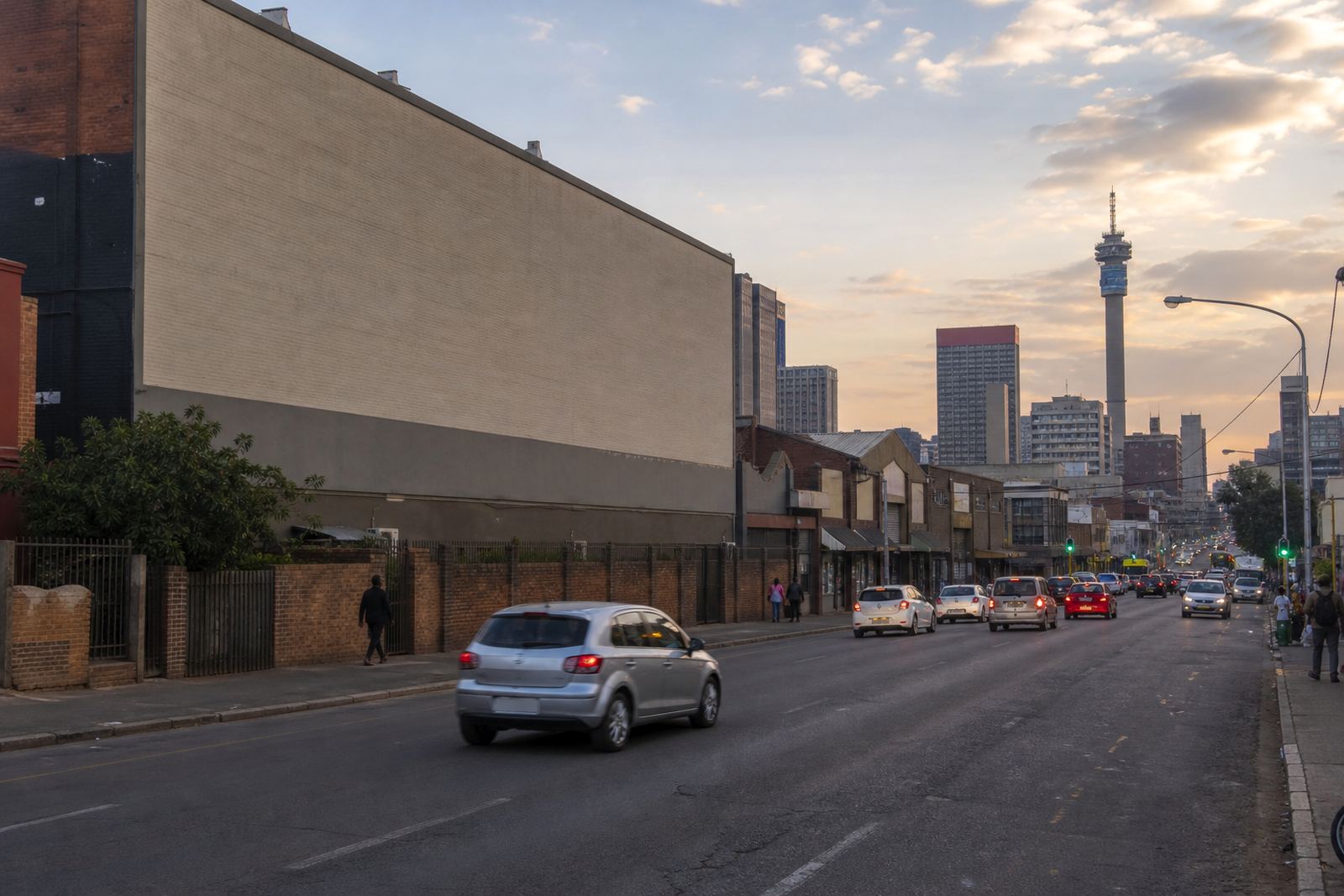
A suburban main road site is an outdoor advertising position facing a busy arterial that carries local trips between homes, schools, shopping nodes and small business centres. These sites are usually seen by motorists, minibus taxis, delivery vehicles, pedestrians and cyclists moving through the area during the day and into the early evening.
For many campaigns this is the right middle ground between a neighbourhood street and a major highway. It gives your artwork repeated exposure to people who already know the area, and to visitors looking for service businesses, trades, clinics, estate agents, takeaways or seasonal promotions. Because the format sits in a lived-in part of town, the message needs to be clear from a moving vehicle and still readable when someone is waiting at a light or turning into a side road.
RentThisWall lists suburban main road opportunities across Johannesburg, Pretoria, Cape Town, Durban and Bloemfontein, with support from our Braamfontein, Johannesburg base. We help property owners and advertisers connect around available wall and billboard space, with listing checks and booking coordination handled in one place.
Sizes and format options to look for
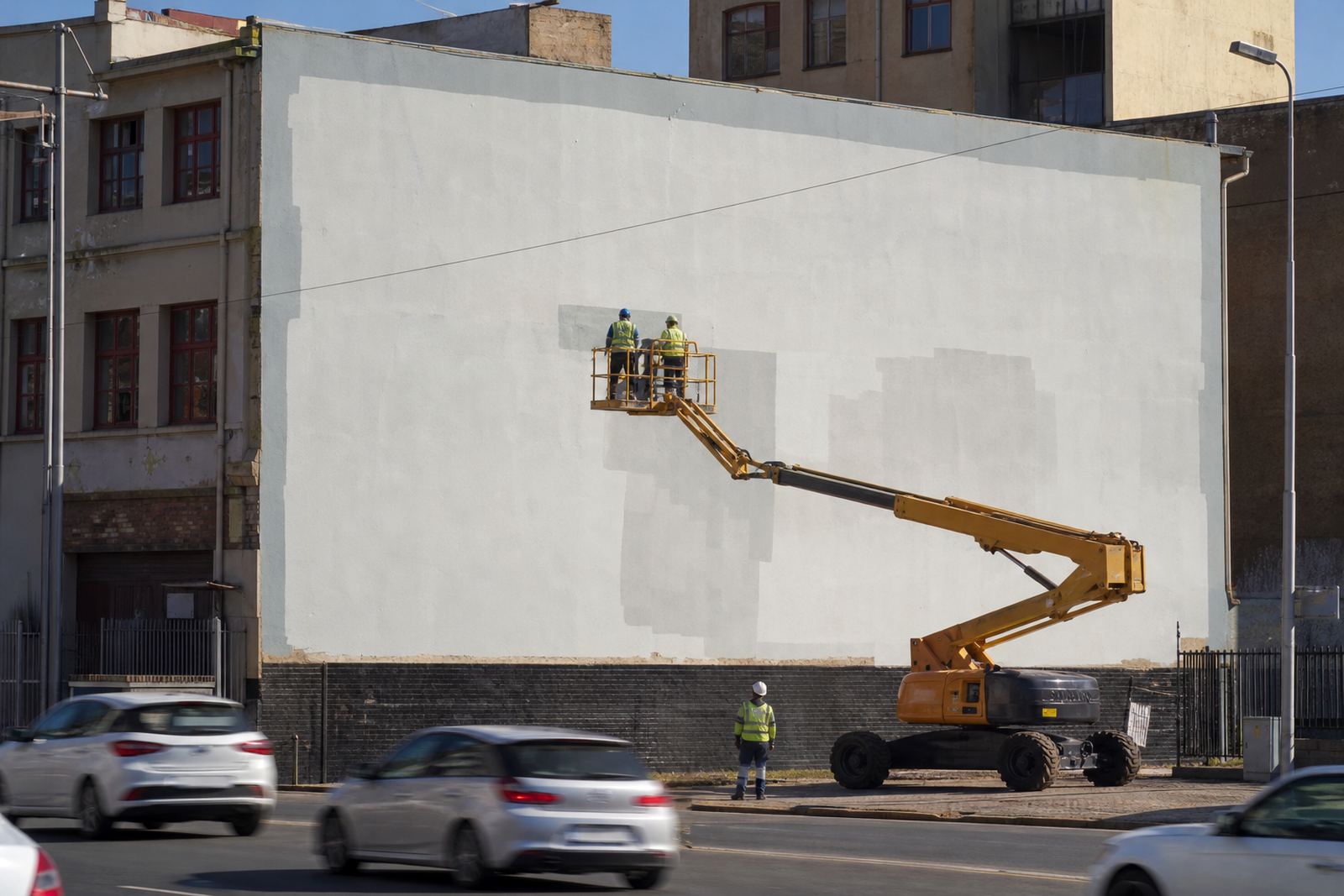
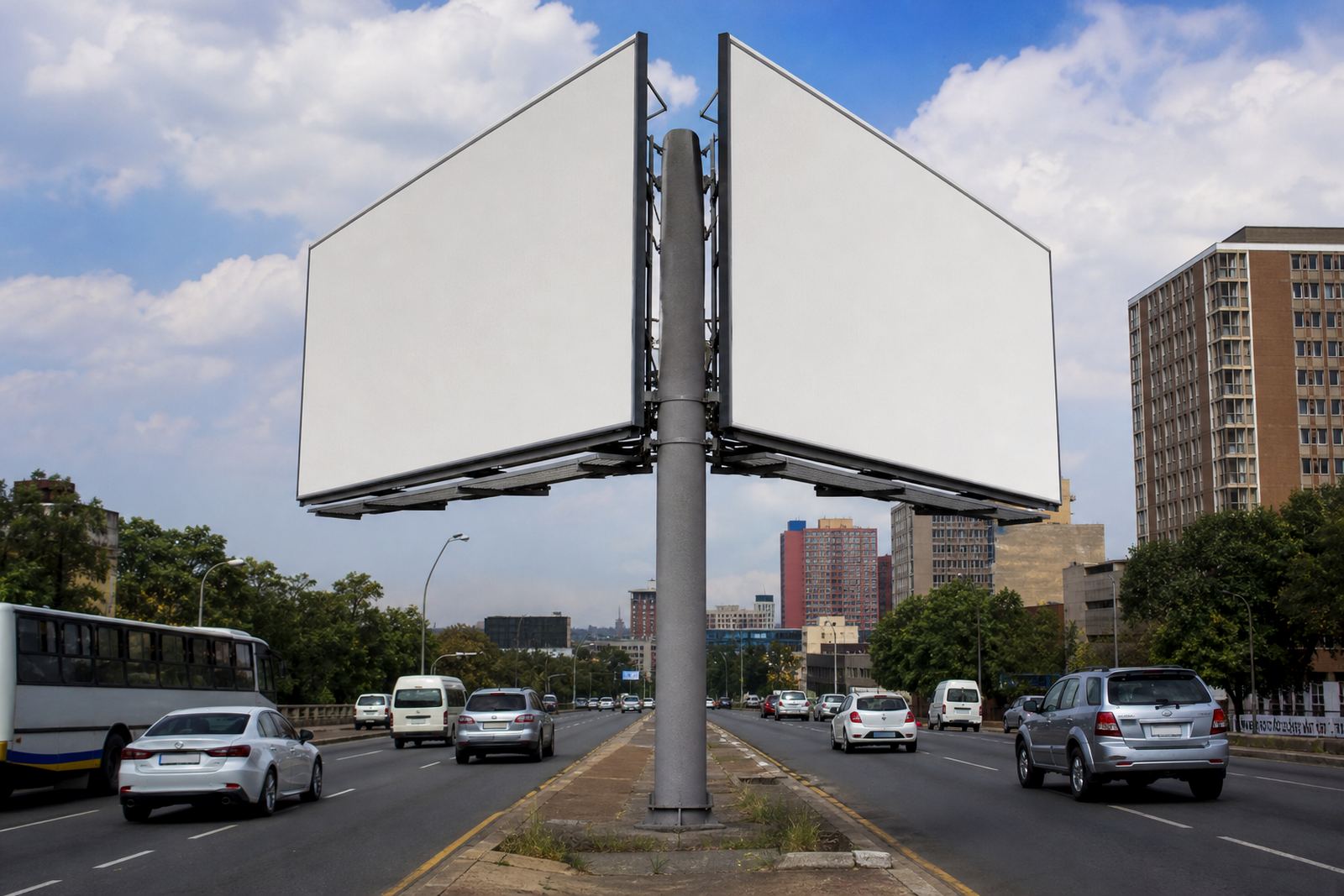
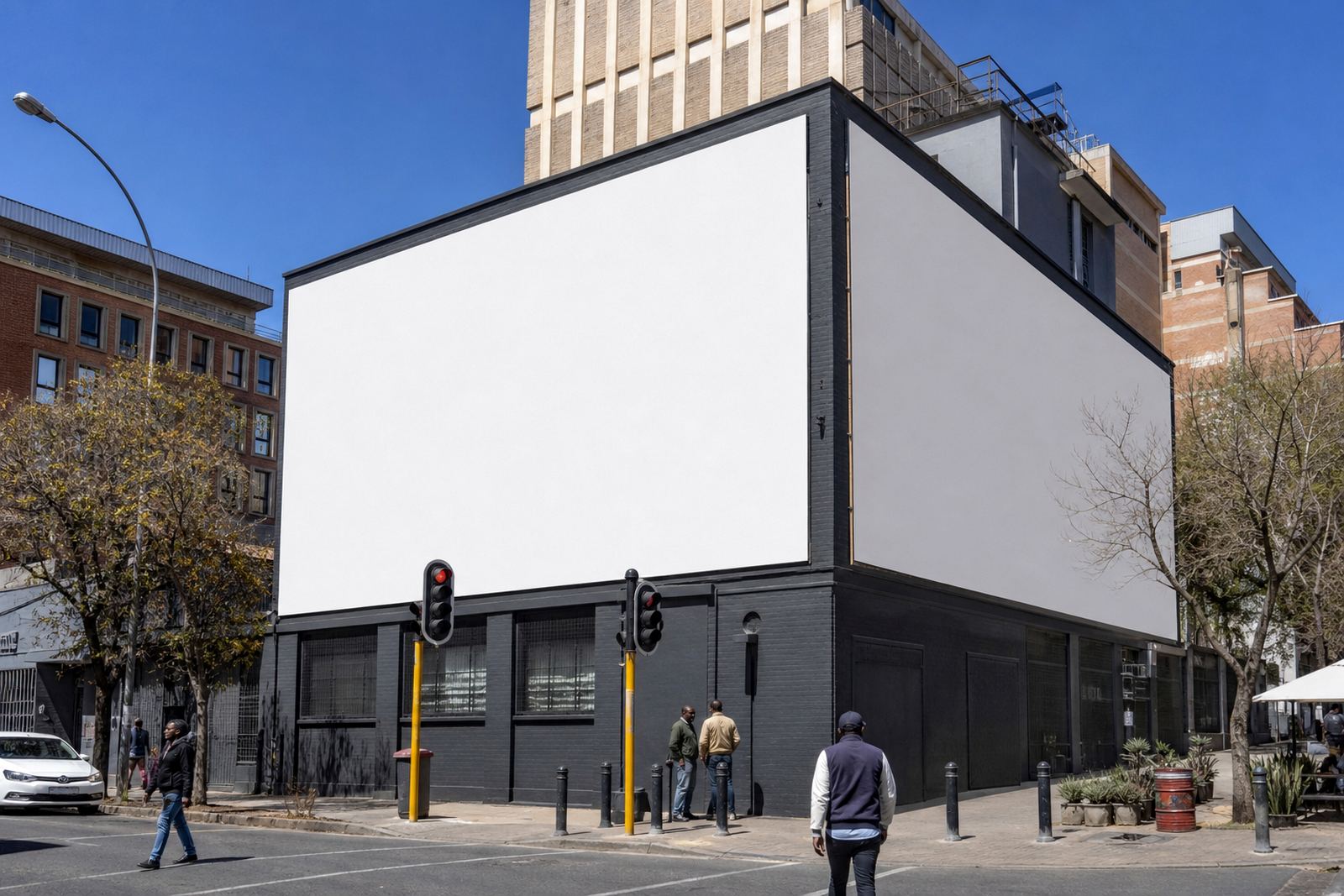
Suburban main road sites come in a few practical formats depending on the wall, boundary line or stand position. The most common options are large painted wall panels, framed billboard structures and smaller wall-mounted advert faces. Some sites are high enough to clear parked vehicles and boundary walls, while others sit lower and work better for pedestrian-heavy streets.
- Small wall panel: good for local traders, single-branch services and directional messages.
- Medium format: useful for brands that want stronger presence without needing a very large structure.
- Large wall face or billboard: suited to longer copy, brand visuals and repeated roadside viewing.
- Single-sided or double-sided orientation: depends on street direction and site layout.
- Portrait or landscape proportion: chosen to match the wall opening and view angle from the road.
When you order, check the usable width and height, the viewing distance, and whether nearby trees, overhead cables or road signs reduce visibility. A site that looks large from the pavement can still have a narrow effective face once measured properly. It is better to work from the actual spec sheet than from a quick roadside glance.
Where this format works best
This format suits businesses that want local market awareness within a defined suburb or corridor. It is useful for retail promotions, home services, private education, health and wellness, property services, motoring, food outlets and community-based offers. It also works well for brands that need repeated visibility around a branch, warehouse, dealership or service centre.
In Johannesburg and Pretoria, suburban arterials can carry a mix of commuter and neighbourhood traffic, with strong use around schools, shopping centres and busier intersections. In Cape Town and Durban, coastal humidity means the physical condition of the panel matters, especially on older walls and metal frames. In Bloemfontein and other inland areas, the dry climate can be gentler on materials but dust build-up still affects print and paint finishes.
These sites are often best where the road slows naturally because of crossings, turning lanes, robots or local access points. That gives the viewer a little extra time to read the message, though the artwork still needs to stay simple. One strong line, a clear visual and enough contrast usually works better than trying to say too much at once.
Installation, power and site conditions
Installation depends on the format and the property. A wall panel may need drilling, brackets, steel framing or paint preparation, while a freestanding billboard may require a base, posts and structural fastening. On some suburban main road sites the owner may already have a suitable wall face in place, while others need a custom support arrangement. We also check whether access for installers is easy from the street or whether work must be done from inside the property.
Most static outdoor advertising does not need power. If the site includes lighting, then you will need to confirm electrical supply, safe cable routing and whether backup power is required during load-shedding. Some illuminated sites use mains power with timed switching, but a suitable electrical plan still has to be checked before work starts. Gas is not normally required for this product, unless a separate feature on the property uses it and affects installation access or safety clearances.
Because many suburban properties are occupied and close to neighbours, consent matters. The property owner must give permission, and local municipal bylaw approval may also be required depending on the structure, size and placement. Height, setback, street visibility and any impact on road safety can all affect approval. Our team supports consent check guidance and bylaw process support so the booking does not stall halfway through. A tidy paper trail saves a lot of time later, and avoids arguments with neighbours or the municipality.
Care, cleaning and routine servicing
Outdoor wall and billboard advertising needs regular checking. Sun exposure fades colours over time, especially on north-facing walls, while wind can loosen vinyl, lift paint edges or work fixings loose. In coastal areas salt air and humidity can shorten the life of some materials, so inspections should be more frequent. Inland, dust and road grime can dull a panel faster than many people expect.
- Inspect fixings, frames and wall surfaces after heavy wind or rain.
- Check for peeling, rust, cracking, water marks and faded artwork.
- Clean the face gently so the message stays readable from the road.
- Trim or remove anything that blocks the site, such as overgrown branches.
- Confirm that lighting, if fitted, still works after power interruptions.
If the site is part of a longer campaign, plan for maintenance at the start rather than as an afterthought. A damaged panel or dirty face can weaken the whole placement. It is also worth confirming who handles repairs, who reports damage and how quickly the site owner can give access when servicing is needed.
What to check before you place an order
Before you book a suburban main road site, confirm the exact position, the viewing direction and the measured size. Ask for recent site photos, the artwork spec, and details on any poles, trees, road furniture or building edges that may interfere with the view. If the site is on a shared wall or boundary line, check who controls access and who signs off on the installation.
It also helps to confirm whether the site is available for the full campaign period, or whether there is a handover date for another booking. Some advertisers need campaign timing around school terms, month-end trade, launches or special events. If your creative changes during the booking, ask about renewal support and whether the old panel can be replaced without a new structural visit.
- Exact size and orientation of the usable face
- Whether the owner has given written consent
- Whether municipal bylaw approval is needed or already in process
- Access requirements for installation and servicing
- Lighting, power supply and backup needs if the site is illuminated
- Whether the artwork will be printed, painted or mounted as a panel
Our listing team can help with brief matching, artwork spec checks, booking coordination and campaign monitoring, so the site you choose fits the road, the suburb and the practical limits of the property. That sort of checking is boring but important, and it keeps the campaign moving.
Key facts
| Product type | Outdoor suburban main road wall or billboard advertising site |
|---|---|
| Typical formats | Wall panel, framed billboard, painted wall face, single-sided or double-sided |
| Common sizes | Small, medium and large site-specific faces based on wall measurements |
| Power needs | Usually none unless illumination or digital elements are included |
| Gas needs | Not normally required |
| Compliance | Property owner consent and local municipal bylaw approval may be required |