
What a Stadium Approach Board is used for
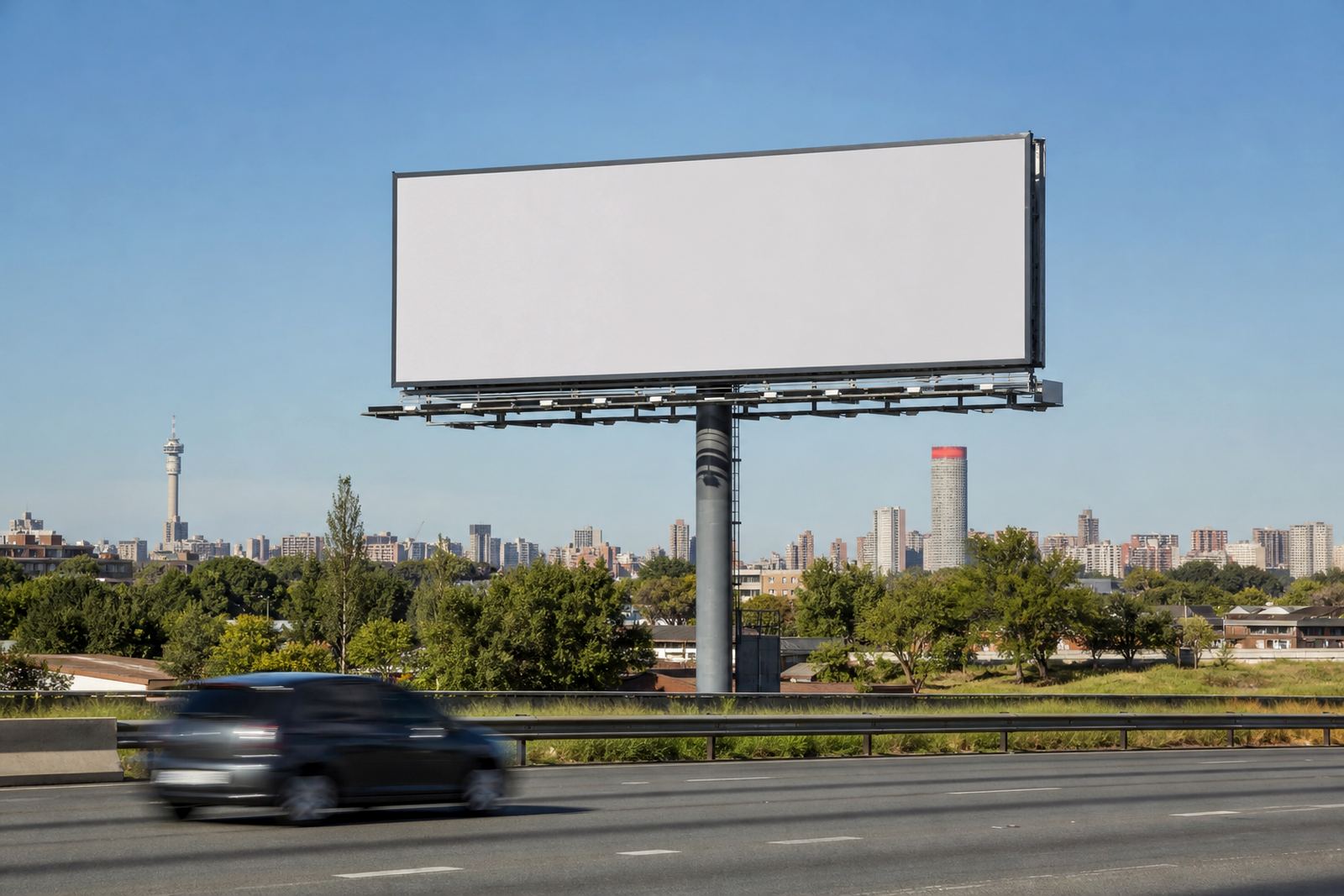
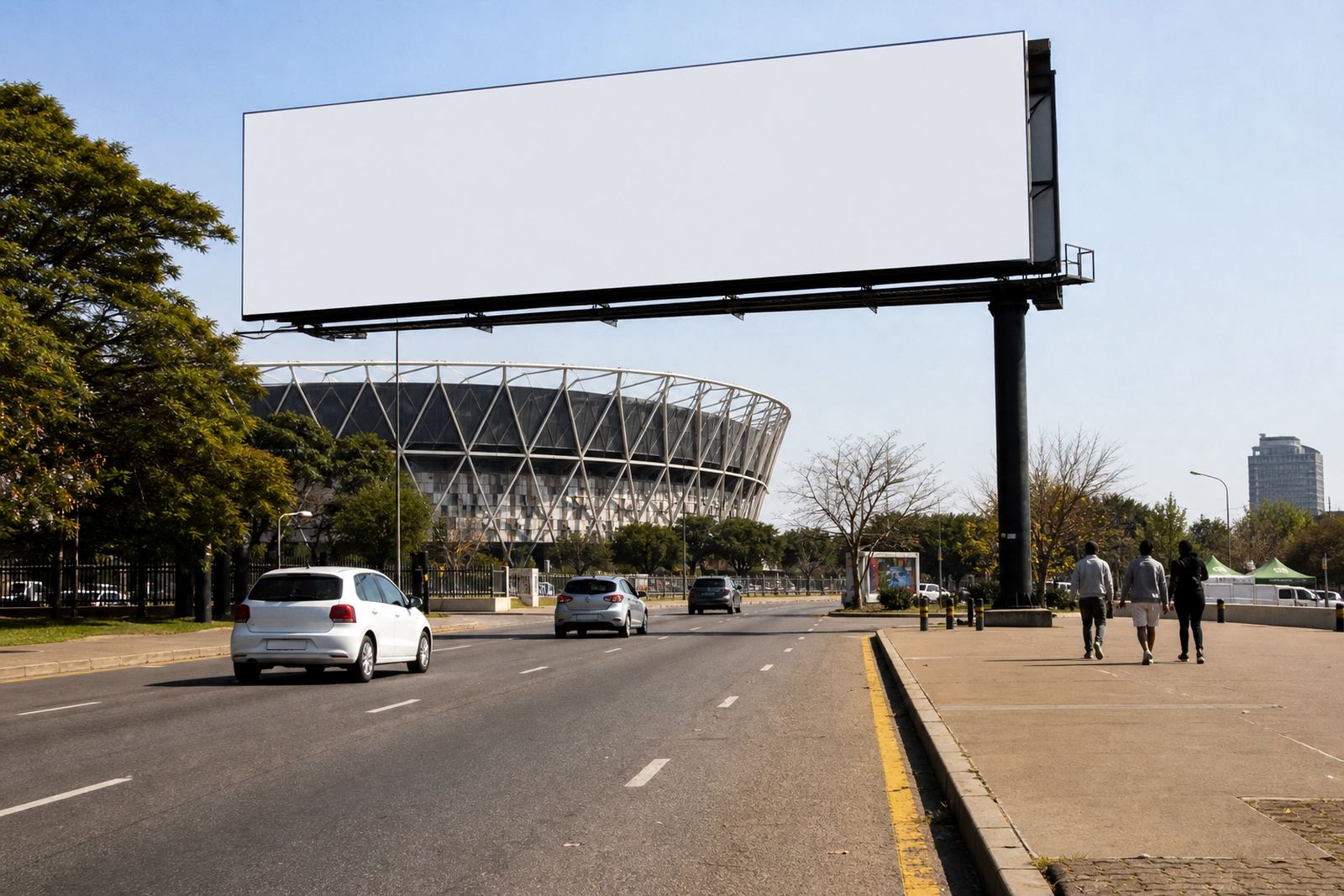
A Stadium Approach Board is a large outdoor advertising panel positioned on roads that lead toward a stadium, arena or event precinct. It is built for short viewing distances and repeated exposure along the route in Braamfontein, Johannesburg and other busy urban areas where traffic slows near intersections, parking entries and pedestrian crossings.
This format works well when you want a direct message that can be read quickly. It is often used for launches, seasonal promotions, event campaigns and location based offers, especially where the audience is already in a travel mindset. The copy has to stay simple, with strong contrast and a layout that can be taken in at a glance.
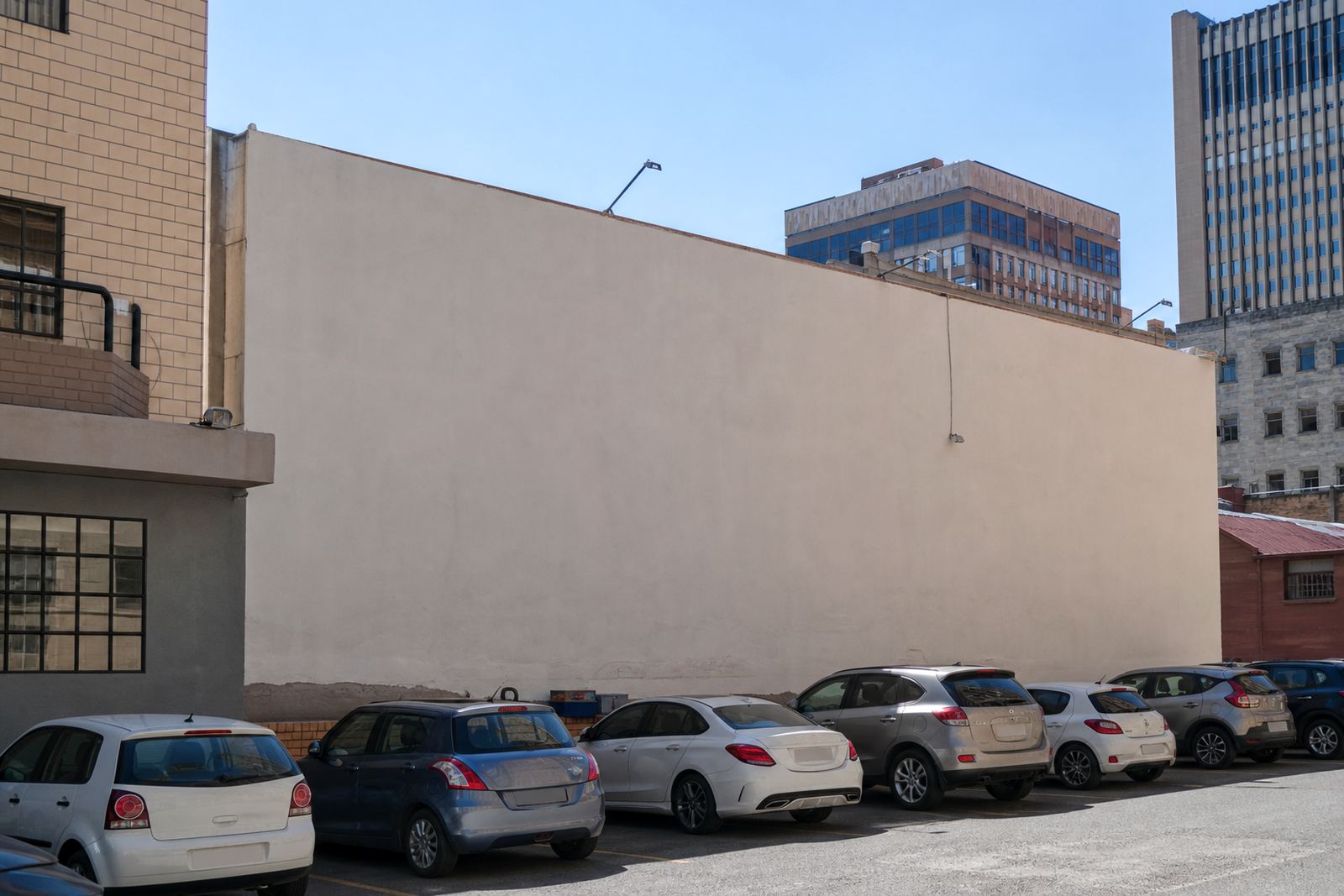
Because these boards sit near public roads and venue access points, the property setting matters just as much as the artwork. Sightlines, turning movements, street lighting and neighbouring structures all influence how the board performs. A wall mounted option may suit one site, while a freestanding frame works better on another property depending on setback and frontage.
Common sizes and format options
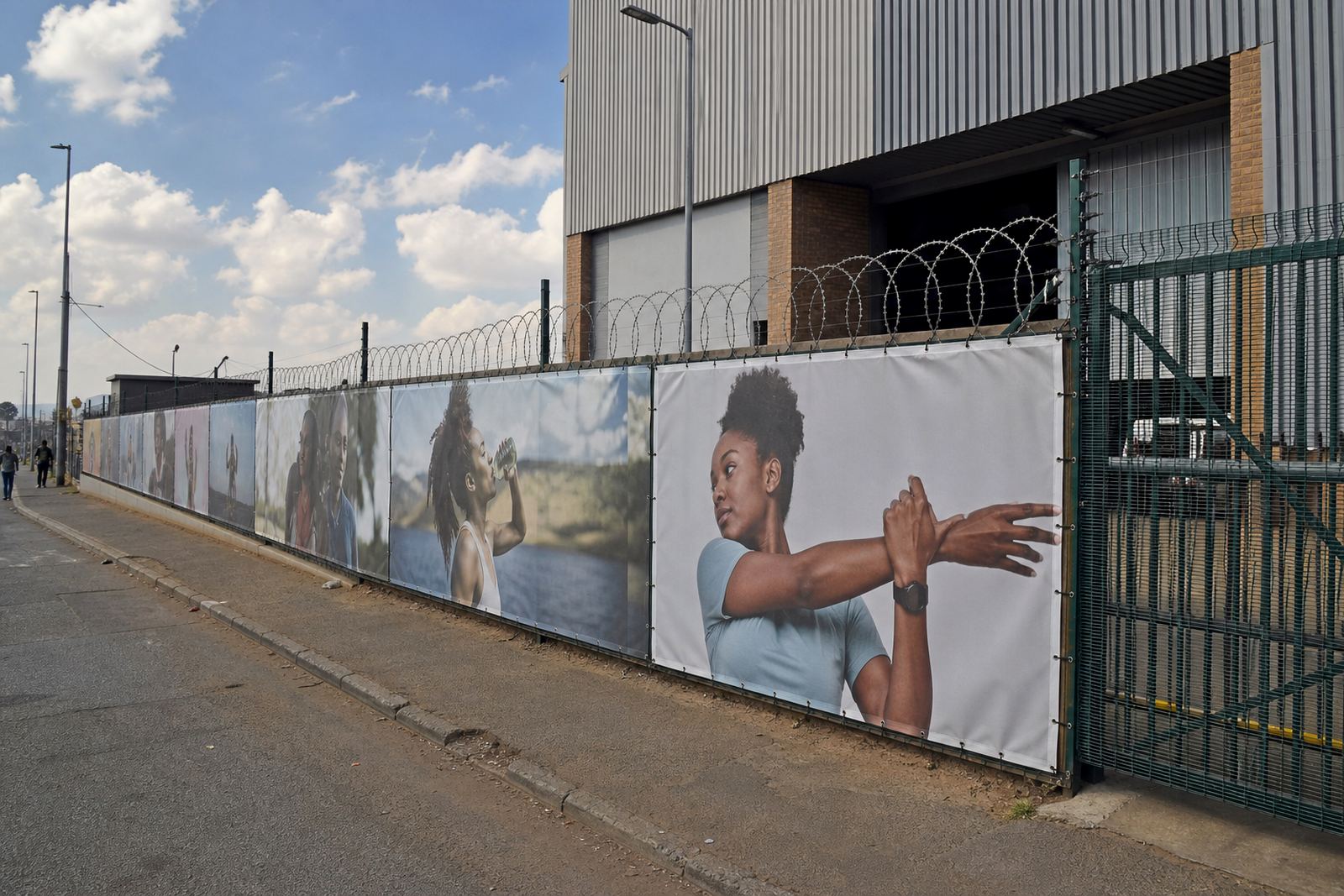
These boards come in practical roadside sizes that can be matched to the available wall or frame area. The exact dimensions depend on the property, the distance from the road and the viewing angle. Some sites allow a single large face, while others work better with a narrower board that sits neatly on an existing wall line.
Typical setups are built to suit local conditions such as coastal humidity in Durban, strong sun in Cape Town and dusty winter winds in inland areas. Face material, mounting method and frame depth need to match the site so the sign stays neat and safe. In some locations, a lit panel is possible, but only where the property and electrical supply allow it.
- Single-face wall mounted boards for building frontage or retaining walls
- Freestanding frames for open setbacks and road-facing properties
- Illuminated options where power supply and wiring access are available
- Non-illuminated options for sites with no practical power connection
Where the format suits best
Stadium Approach Boards suit places where people are already heading to a destination and need clear directional context. They are practical near sporting grounds, concert precincts, taxi routes, parking entrances, pedestrian bridges and feeder roads that carry regular event traffic. In Johannesburg, Pretoria, Cape Town, Durban and Bloemfontein, they can also work near large mixed-use nodes where a venue draws regular visitors throughout the week.
This format is also useful where the road speed drops naturally, such as bends, traffic circles and approach lanes before a venue entrance. On those routes, a board can hold attention long enough for a simple message to land. The site still needs to be legal and suitable, which means checking the property rights, the road position and the local municipal rules before anything is fixed in place.
- Sports venues and stadium surrounds
- Event precinct access roads
- Parking approach routes and pedestrian entry points
- Mixed-use urban corridors near transport links
Installation, power and site requirements
Installation depends on whether the board is fixed to an existing wall or supported on a frame. The structure must be secure enough for wind loads, seasonal rain and normal wear from the roadside environment. A proper installation plan should cover access for installers, safe working height, fixing points and any local restrictions around road reserves or public areas.
If the board will be lit, power has to be planned early. You need a suitable supply, safe wiring and a place for the electrician to connect and test the system. In some cases, a non-lit board is the simpler option, especially where the site is exposed, the property owner does not want a new electrical connection, or load-shedding would make ongoing lighting unreliable. Gas is not normally required for this product, although a site may need a generator plan or battery backup if lighting must stay on.
- Confirm who owns the wall or land and get written consent
- Check whether the site falls under road reserve or private property rules
- Confirm electrical access if illumination is part of the brief
- Allow space for safe installation and future maintenance access
Care, servicing and campaign monitoring
Outdoor boards need regular care because dust, rain, sun and pollution all leave a mark over time. A Stadium Approach Board should be checked for loose fittings, lifted corners, fading print, water marks and any obstruction from trees, poles or temporary structures. In coastal areas, corrosion can show up faster, so fasteners and frame edges need closer attention.
Servicing usually includes cleaning the face, checking the frame, tightening fixings and confirming that illumination still works if the panel is lit. If the campaign runs for several months, it is wise to review the site after heavy weather and again after municipal work nearby. A sign can look fine from the street but still need small maintenance work behind the scenes.
- Monthly visual checks for dirt, damage and fading
- After-storm inspection for loose edges and water ingress
- Lighting checks where the panel is electrified
- Removal or replacement planning at the end of the booking period
What to check before you place an order
Before booking a Stadium Approach Board, confirm the site location, the usable face size, the mounting method and whether the property owner has signed off. You should also check the view corridor from both directions, the type of lighting available and whether the message will need to be adapted for a narrow read. If the board is part of a launch or time sensitive campaign, ask about the booking window and any lead time needed for approval and installation.
Artwork should be prepared to the final spec, with safe margins and enough contrast for quick reading. Avoid crowding the face with too much text. Roadside advertising works best when one message carries the whole board, and tiny details are moved to other channels. It is also worth asking about renewal support if you may want to keep the site beyond the first term.
- Final site address and exact position on the property
- Approved dimensions and artwork bleed allowances
- Consent status from the property owner and municipality
- Lighting, access and servicing arrangements
Key facts
| Format | Outdoor billboard or wall mounted approach-route board |
|---|---|
| Typical use | Venue access roads, sports precincts and event corridors |
| Viewing distance | Short to medium roadside viewing |
| Lighting | Optional, subject to site power and electrical access |
| Materials | Printed face on frame or wall fixed panel |
| Compliance | Property owner consent and municipal bylaw approval required |