What a Parking Lot Wall Listing Covers
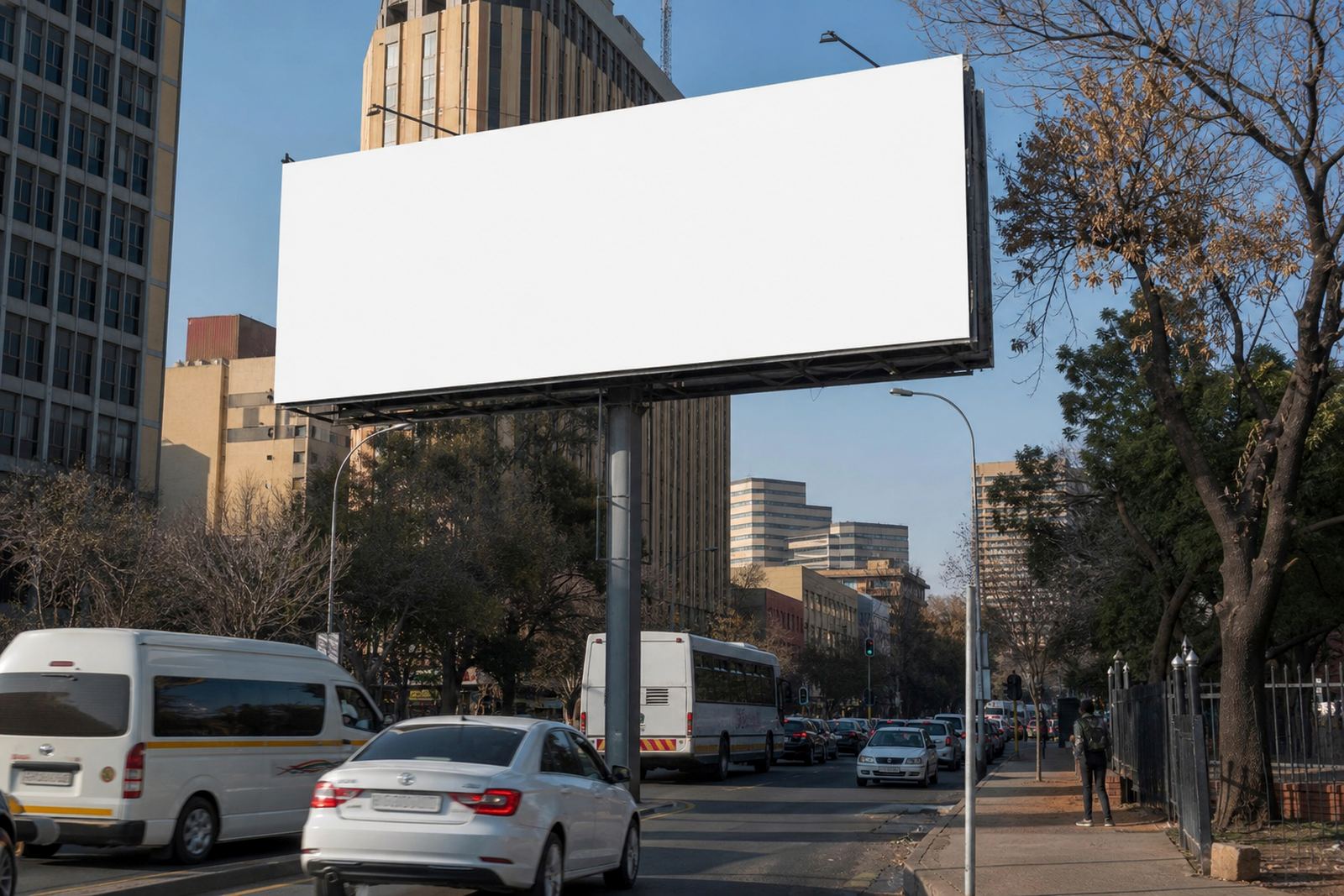
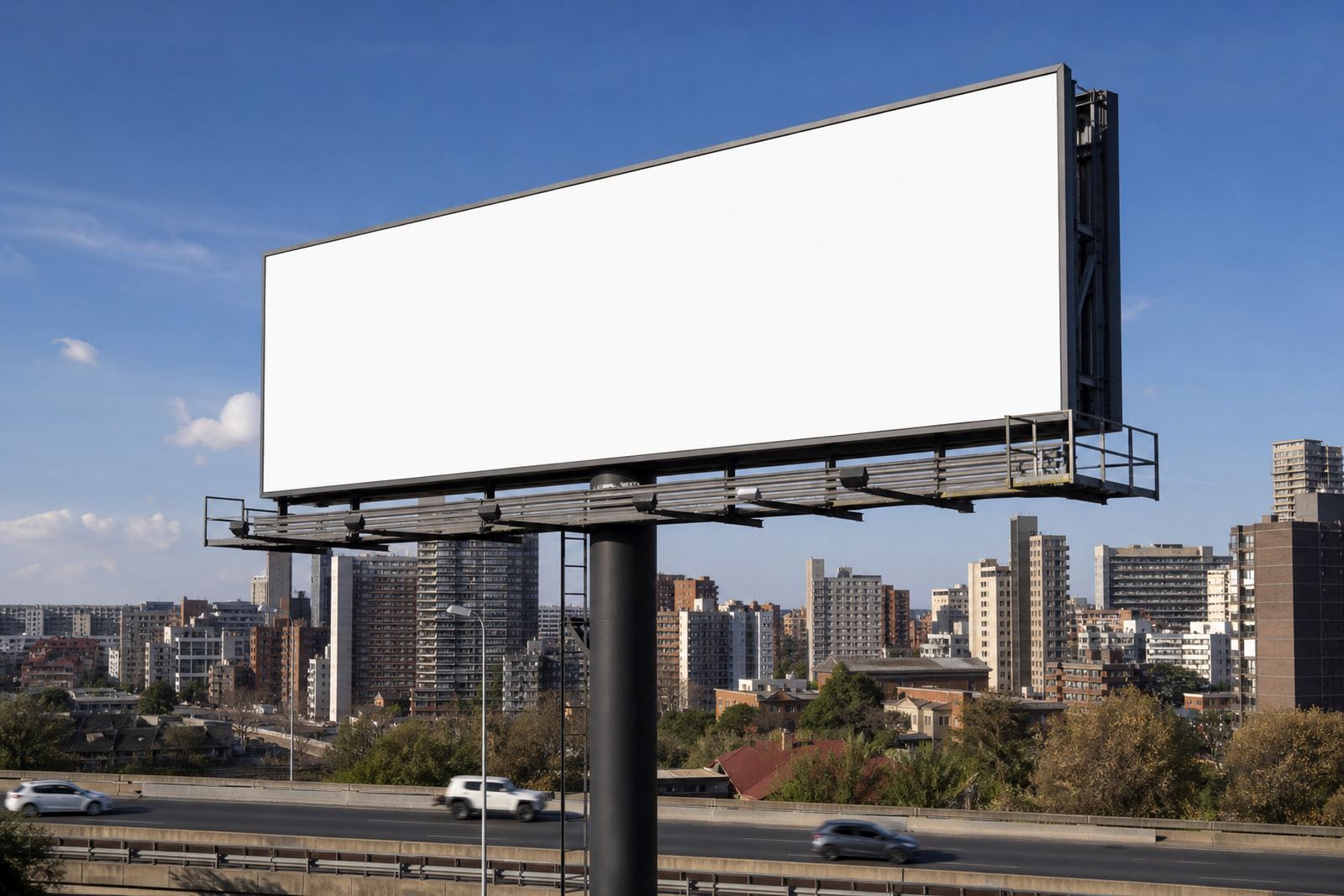
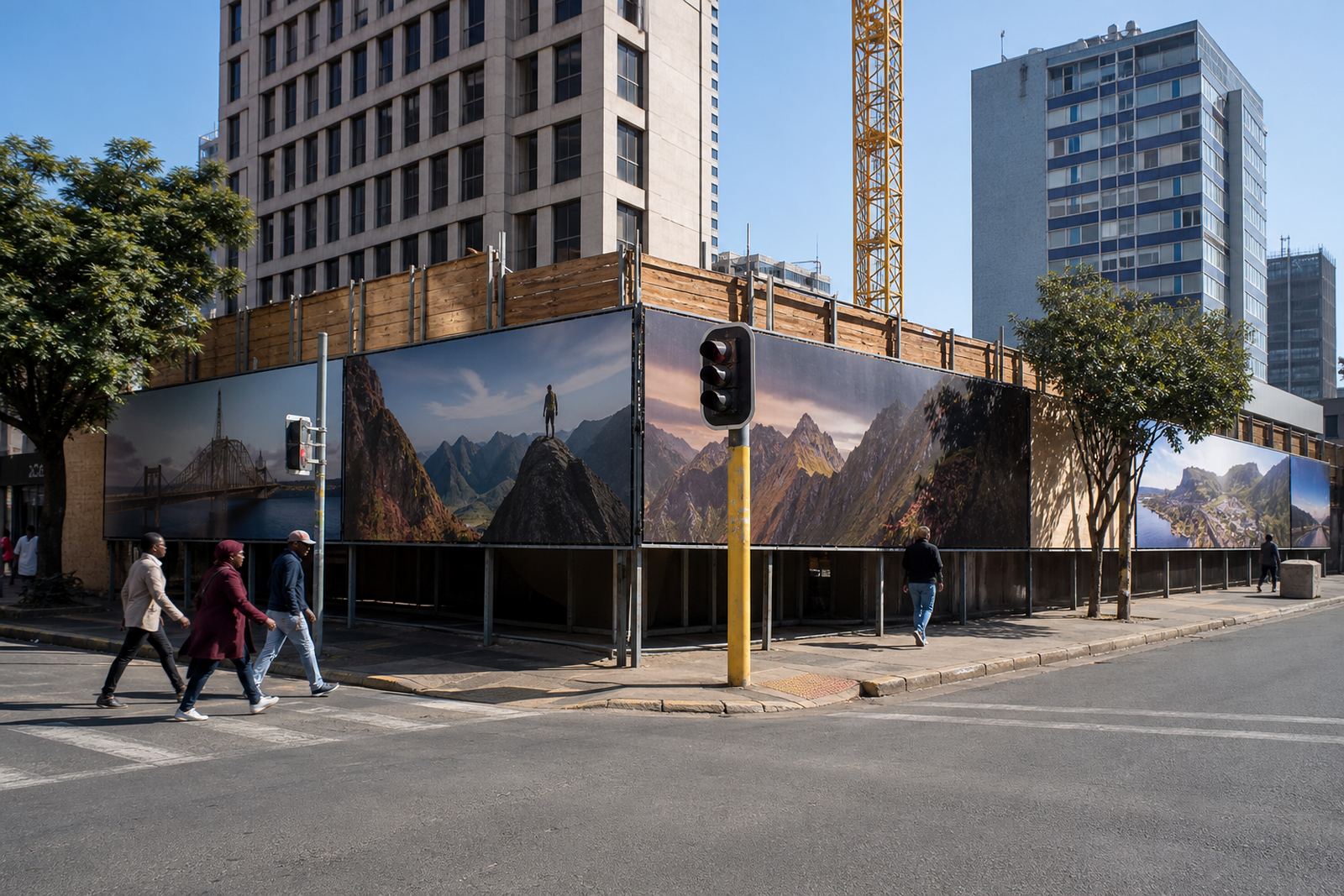
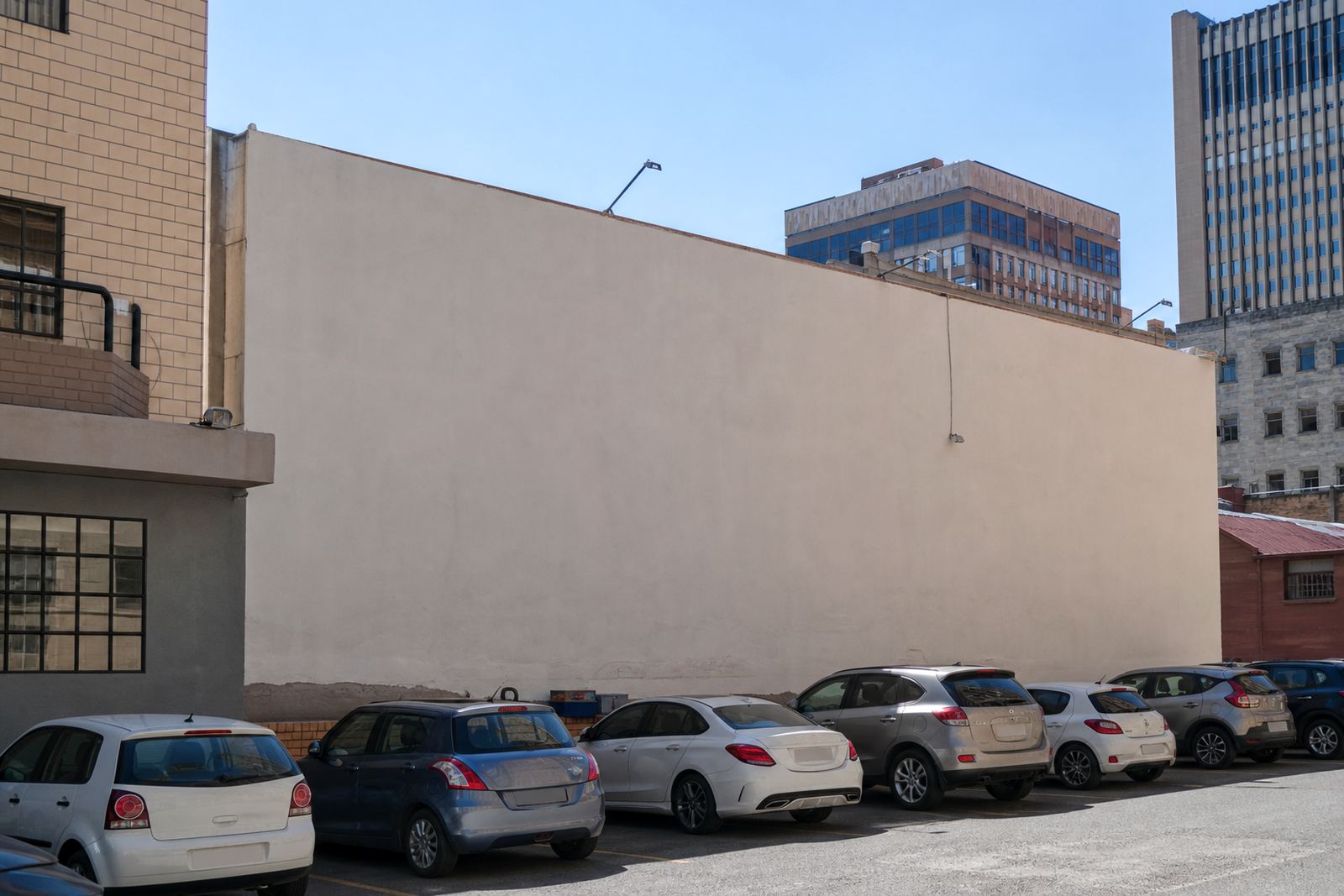
A parking lot wall is a wall surface facing open parking areas, drive aisles or vehicle circulation zones. It is often used for vinyl graphics, painted signage panels or framed advertising boards where the wall has a clear line of sight from drivers and pedestrians moving through the site. The space may be part of a retail centre, office park, fuel forecourt, mixed-use property or a standalone premises with shared parking.
For advertisers, this kind of wall space is useful because it sits in a place people already stop, turn or wait. For property owners, it can make better use of an idle surface without blocking access or interrupting operations. Every listing still needs the property owner’s consent and the relevant municipal bylaw approval before any sign is installed.
Typical Sizes, Formats and Viewing Angles
Parking lot walls vary a lot from site to site, so measurements are taken per listing rather than assumed. A usable wall may be a narrow strip above a boundary wall, a full brick face, a rendered concrete section or a clad surface with enough clear area for one large panel or several smaller panels. Height, width and the mounting method all affect what can be fitted safely.
- Panel sizes can range from small directional boards to long-format wall panels
- Clearance must be checked for parking bays, vehicle turning arcs and pedestrian paths
- Surface condition matters, especially on older painted walls or rough plaster finishes
- Angle and distance from the parking row affect legibility more than sheer size alone
- Any obstruction such as trees, poles, lighting columns or drainage pipes should be noted
In Johannesburg and Sandton, many parking lot walls sit beside busier access points and need a neat finish with secure fixing. In coastal areas like Cape Town and Durban, surface prep matters more because humidity and salt air can affect adhesives, fixings and paint condition over time.
Where This Wall Space Works Best
This type of advertising suits places where vehicles move slowly and people spend a few minutes on site. That includes office parks, residential estate entrances, shopping centre parking edges, school drop-off areas where permitted, and business premises with visitor parking. The wall should not create a hazard, block sight lines or interfere with loading access.
It also works well where a business wants repeated exposure to regular site users rather than a once-off roadside pass. A parking lot wall can support a local service, a new store opening, a property launch or a seasonal campaign. In Braamfontein and Pretoria, it is often useful near mixed-use properties where people arrive, park and walk into the building. Smaller walls can still carry useful copy if the message is simple and the placement is right.
- Retail parking areas with controlled access
- Office and business park boundary walls
- Residential estate visitor parking zones where advertising is allowed
- Forecourt or drive-in service areas with safe sight lines
- Inner-city properties with managed access and clear pedestrian routes
Installation, Power and Site Requirements
Most parking lot wall advertising does not need electricity unless the design includes illumination or a digital display element. Standard wall panels, vinyl wraps and painted signage are usually passive. If lighting is added, the site must have a proper power supply, safe routing and mounting that suits the wall material and local electrical rules. Gas is not normally required for this product.
Before installation, the wall should be checked for cracks, damp patches, loose plaster and any hidden services. On older buildings around Bloemfontein and Johannesburg, a surface that looks fine from a distance may still need repair before fixings go in. The install plan should also allow for loading access, ladder or lift access if needed, and a schedule that avoids peak parking periods. In some cases, the owner may want after-hours work so the site stays clear and safe.
Where a wall is exposed to wind, installers may need stronger framing or more fixing points. On coastal sites, corrosion-resistant hardware is worth specifying. A neat edge finish also helps reduce peeling and water ingress, which can shorten the life of the display if it is ignored for too long.
Care, Servicing and Campaign Monitoring
Parking lot walls are exposed to dust, soot, car spray, sun and occasional contact from trolleys or vehicles, so routine care matters. A printed panel or vinyl surface should be inspected for lifting edges, fading, water damage and marks from cleaning chemicals. Painted walls may need touch-ups where the finish chips or where moisture starts showing through. If the site gets a lot of dust from nearby roads, a gentle wash now and then keeps the message readable.
Good servicing also means checking that the wall stays visible from the intended approach. New parked vehicles, changed bay markings or additional site furniture can affect the view. Our campaign monitoring can help keep the listing accurate if the wall condition changes or if the owner wants the placement reviewed. In wet months, drainage and damp spots should be watched closely, especially on lower wall sections. A small issue left alone can become a bigger repair, pretty quick.
What to Check Before You Book
Before booking a parking lot wall, ask for exact measurements, recent site photos and clear details on the wall surface. You should know whether the space is for one fixed panel, a stretch of wall, or a modular setup with multiple sections. It also helps to confirm whether the wall is free of obstructions and whether the owner allows drilling, adhesive fixing or only non-invasive mounting.
- Confirm the wall dimensions and the usable area, not only the overall building size
- Check the surface type, such as brick, plaster, concrete or cladding
- Ask where vehicles enter, park and exit so you understand the viewing angle
- Confirm whether the property owner has given consent in writing
- Make sure the local municipal bylaw approval process is understood before any installation
- Request artwork size limits, bleed allowance and any content rules for the site
It is also worth checking how long the space will stay available and whether renewal support is needed if your campaign runs longer than expected. For properties in Midrand, Sandton and the wider Johannesburg area, access control can affect install timing and delivery windows, so the booking should be aligned with site rules from the start.
Key facts
| Product type | Outdoor wall advertising space facing parking and vehicle circulation areas |
|---|---|
| Common formats | Vinyl panels, framed boards, painted signage or wrapped wall sections |
| Typical size range | Small feature panels to long-format wall runs, measured per site |
| Power requirement | None for standard static signage; power only if illuminated elements are used |
| Gas requirement | Not required |
| Compliance note | Property owner consent and local municipal bylaw approval are required before installation |