What a Retail Centre Wall listing covers
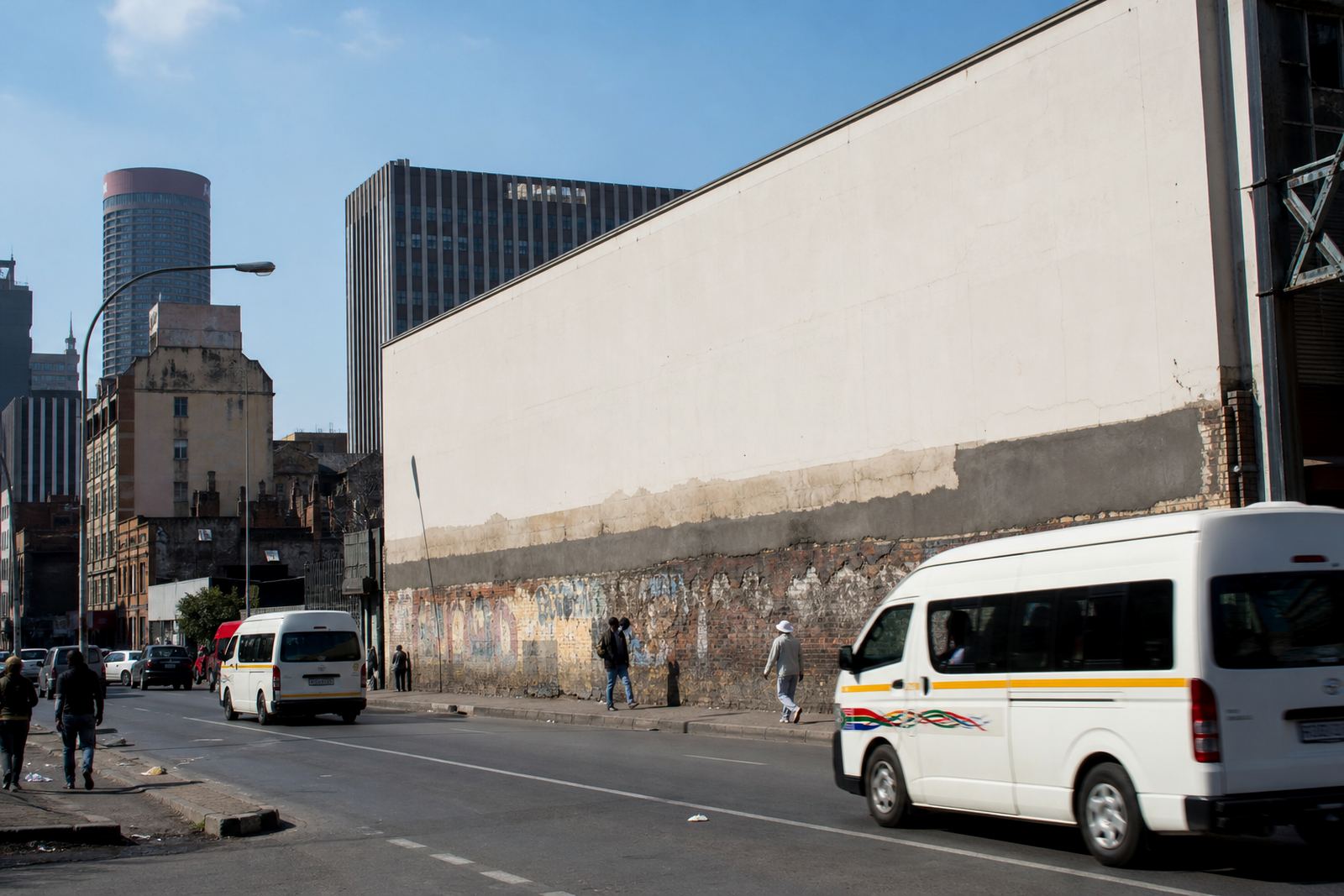
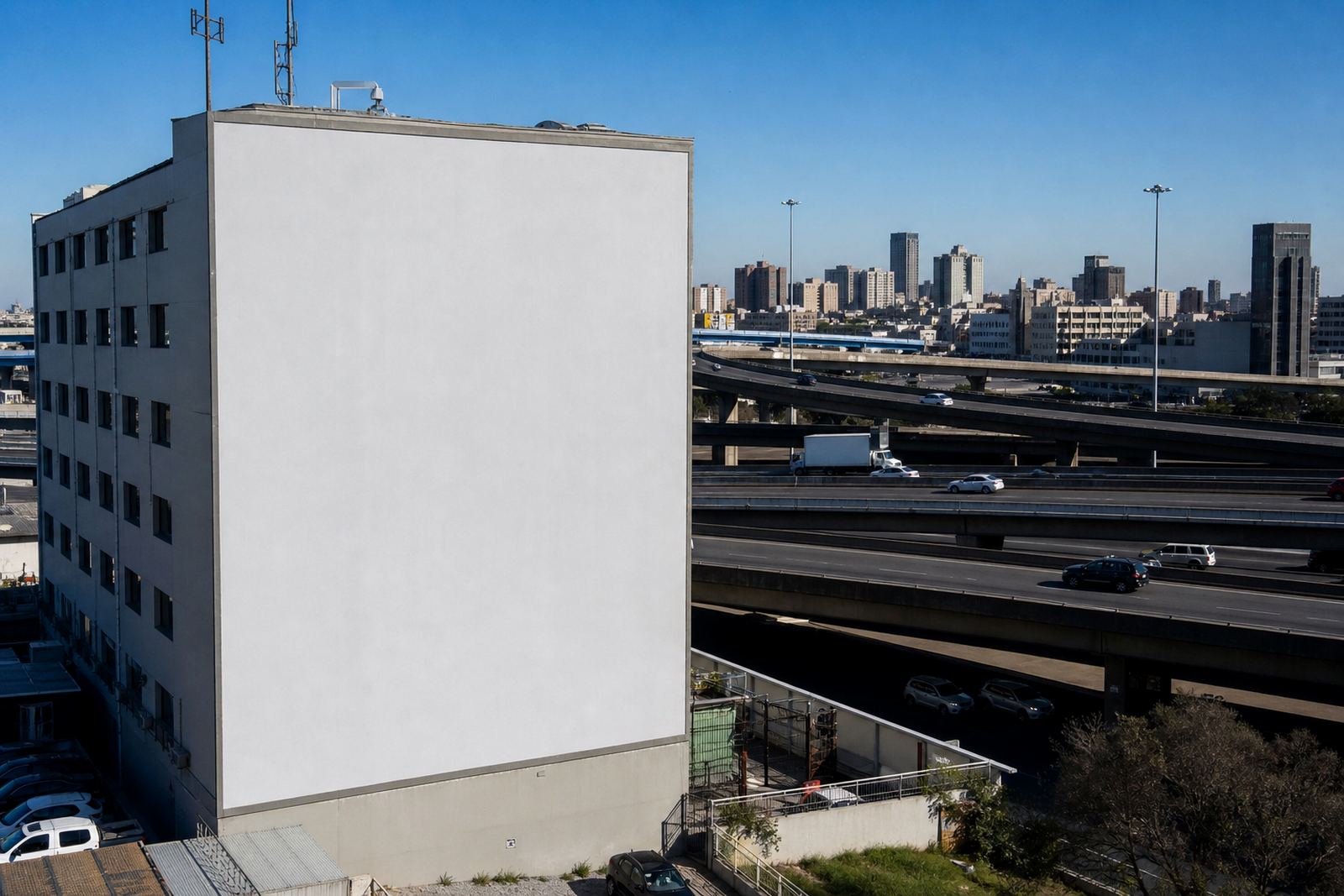
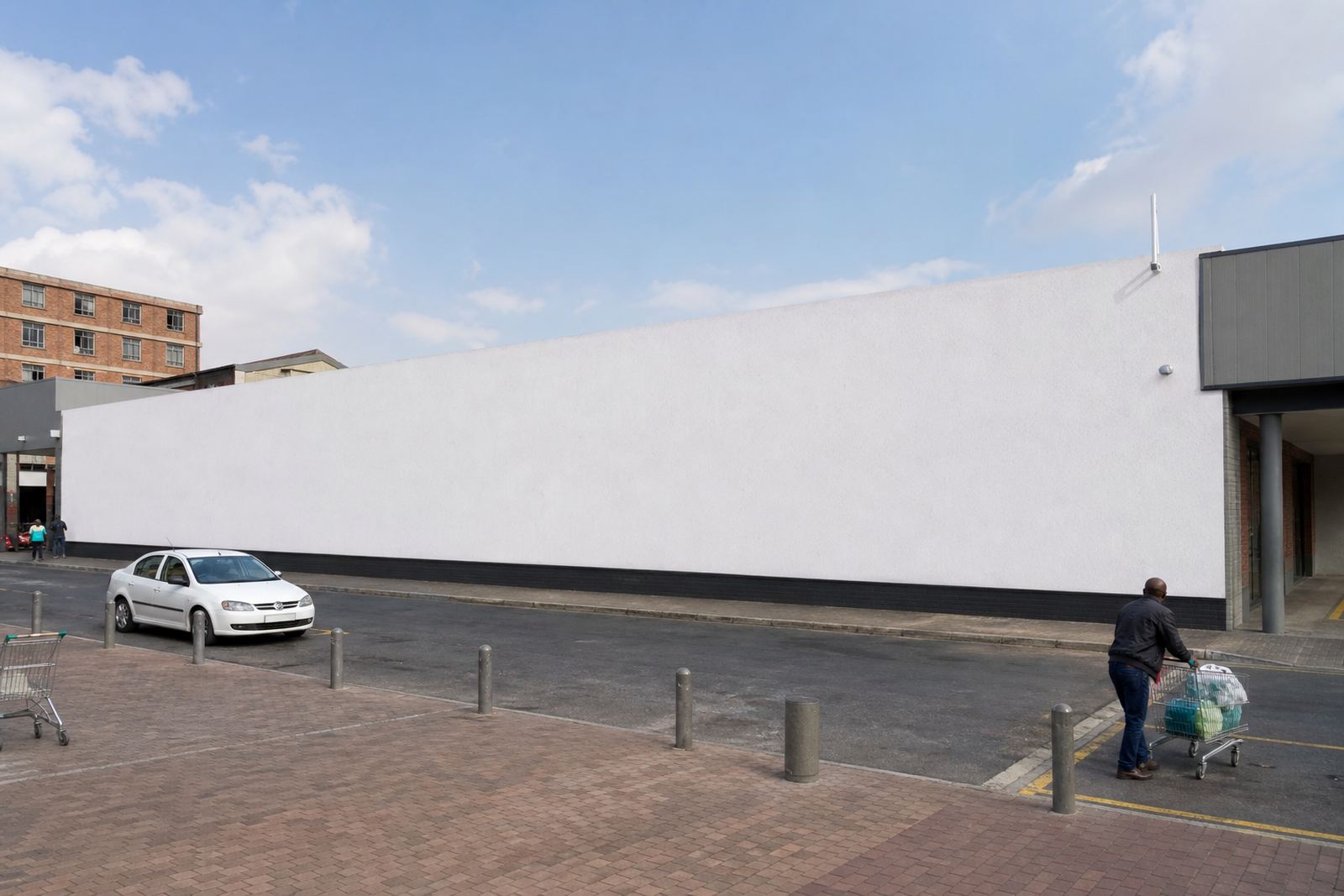
A Retail Centre Wall listing is for wall-facing advertising space on or near a neighbourhood retail property, such as a centre facade, side wall, boundary wall or retaining wall that faces passing pedestrians and vehicles. It is used for printed panels, branded wraps, painted signage or other fixed outdoor advertising formats, depending on the wall surface and what the property owner allows.
These spaces are usually chosen for straightforward local promotion. They work well where people visit shops for groceries, takeaways, services, haircuts or quick errands. You are not buying a loose idea of visibility, you are booking a specific wall location with known dimensions, surface condition and access requirements. That matters when you need to plan artwork, installation and maintenance properly.
Every listing should confirm the property owner's consent, the available space and whether the site needs municipal bylaw approval before installation. If a sign is placed without the right permission, it can be removed or blocked by the local authority, and that is time and money wasted.
Typical sizes and wall format options
Retail Centre Wall spaces come in different sizes because no two properties are the same. A compact wall panel may be used for a simple message and logo, while a larger wall face can carry a more detailed layout with product images, a call to action and contact details. The exact size depends on the available wall section, the visibility angle and the property rules.
Common options include single-panel signs, multiple joined panels, stretched vinyl on a smooth surface, painted lettering, or framed structures fixed to the wall. If the wall is uneven or exposed to heavy weather, a framed solution may be better than direct fixing. Along the coast, for example in Durban, salt air and moisture can affect materials faster than inland sites, so the finish should be chosen with care.
Before booking, ask for measured dimensions in metres and confirm the usable area, not just the total wall size. Sometimes there is a beam, light fitting, drainpipe or entrance sign that cuts into the workable space. That small detail can change the artwork layout quite a bit.
- Small format: clear brand mark and one message
- Medium format: logo, service line and contact detail
- Large format: campaign message, image area and call to action
- Custom format: split panels or irregular wall sections
Where this wall space suits best
This product suits businesses that want local reach in shopping districts, mixed-use neighbourhoods and commuter areas. A retail centre wall can work for convenience services, food outlets, mobile services, clinics, financial services, property-related promotions and community notices. It is especially useful where people return often and notice the same message more than once.
It also suits campaigns that need to support a nearby store, branch, event or service area. If you are promoting something in Braamfontein, Sandton, Midrand or Pretoria, a wall space close to daily movement can give you a relevant local presence. The same applies in Cape Town, Durban and Bloemfontein where centre-based footfall and street visibility matter more than broad, general reach.
For smaller businesses, a wall sign can be more practical than a very large roadside structure because the message can sit closer to the point of sale. It is a neat way to keep the promotion tied to the place where customers already shop or pass by.
- Neighbourhood retail centres and convenience centres
- Mixed-use sites with regular pedestrian movement
- Parking-edge walls, entrance walls and boundary walls
- Centres near residential suburbs, taxi routes or local service nodes
Installation, power and site access
Most wall signage does not need power or gas. That is one reason it is popular for outdoor promotion. If the format includes lighting, then the site should be checked for a safe electrical supply, isolator access and proper weather protection for the fittings. Any electrical work must suit the property and be done through the correct process, especially where the site is exposed to rain or load-shedding interruptions.
Installation depends on the wall surface and the chosen structure. Brick, plaster, concrete and cladding each need different fixings. Some walls can take direct mounting, while others need a frame or stand-off system. On older walls, the owner may want a survey first to confirm that drilling or anchoring will not damage the structure.
Access is another point to check. You may need permission for ladders, scaffolding, a small lift or temporary workspace during fitting. If the centre has trading hours, delivery routes or tight parking, the installation window should be arranged carefully so the site is safe and the shop tenants are not disrupted.
- Confirm whether any lighting is included or planned later
- Check if the wall needs drilling, adhesive fixing or a free-standing frame
- Agree on access times and installation method before booking
- Make sure the property owner has approved the work in writing
Care, servicing and listing renewal
Wall advertising needs regular care if you want it to stay presentable. Dirt, wind, sun and rain can age a sign faster than expected, especially on busy roads or coastal sites. Printed panels may need cleaning, and fixed structures should be checked for loosening, fading or water damage. If lighting is fitted, lamps or electrical parts may need servicing from time to time.
For advertisers, it helps to agree upfront who looks after cleaning, repairs and replacement panels. Some property owners handle general site access only, while the advertiser manages artwork upkeep. Other agreements are more full service, especially where the campaign is long-running. Either way, the responsibility should be clear before the booking starts.
When a campaign ends, the listing can be renewed, rebooked or changed to a new brief if the property owner is open to that. Renewal support is useful where the site performs well and the advertiser wants to keep the same wall without having to start over. It also helps when the centre is busy and the next booking needs to be locked in early.
- Check for fading, peeling edges and loose fixings
- Keep printed surfaces clean and free of dust build-up
- Inspect lighting and power points after storms or outages
- Confirm renewal dates before the existing booking expires
What to check before you place an order
Before you order a Retail Centre Wall listing, confirm the exact wall size, the surface type, how the sign will be fixed and who gives final approval. You should also check whether the property owner has consented and whether the local municipality requires a bylaw application or any other approval. These steps are not optional on outdoor signage, and it is better to sort them out early than after artwork has already been prepared.
It is also wise to check visibility from the main approach, the expected viewing distance and whether trees, poles, canopies or parked vehicles may block the sign. If the wall sits in a shopping centre with rules about branding, trading hours or maintenance, those rules should be read before you commit.
For a clean booking, make sure the listing includes the campaign period, installation dates, artwork spec, repair responsibilities and any site restrictions. That is the practical part that keeps a wall booking running smoothly from the first day to the last.
- Exact dimensions in metres, including any blocked areas
- Surface condition and fixing method
- Owner consent and bylaw approval status
- Artwork format, bleed allowance and print finish
- Access times for installation and maintenance
Key facts
| Space type | Neighbourhood retail property wall advertising |
|---|---|
| Typical format | Printed panel, vinyl wrap, painted sign or framed wall sign |
| Size range | Custom, from small panels to large wall faces |
| Power or gas | Not usually needed unless lighting is included |
| Installation | Wall fixings, frame mounting or surface application depending on the site |
| Compliance | Property owner consent and local municipal bylaw approval required |