
What a Freeway Side Wall site is
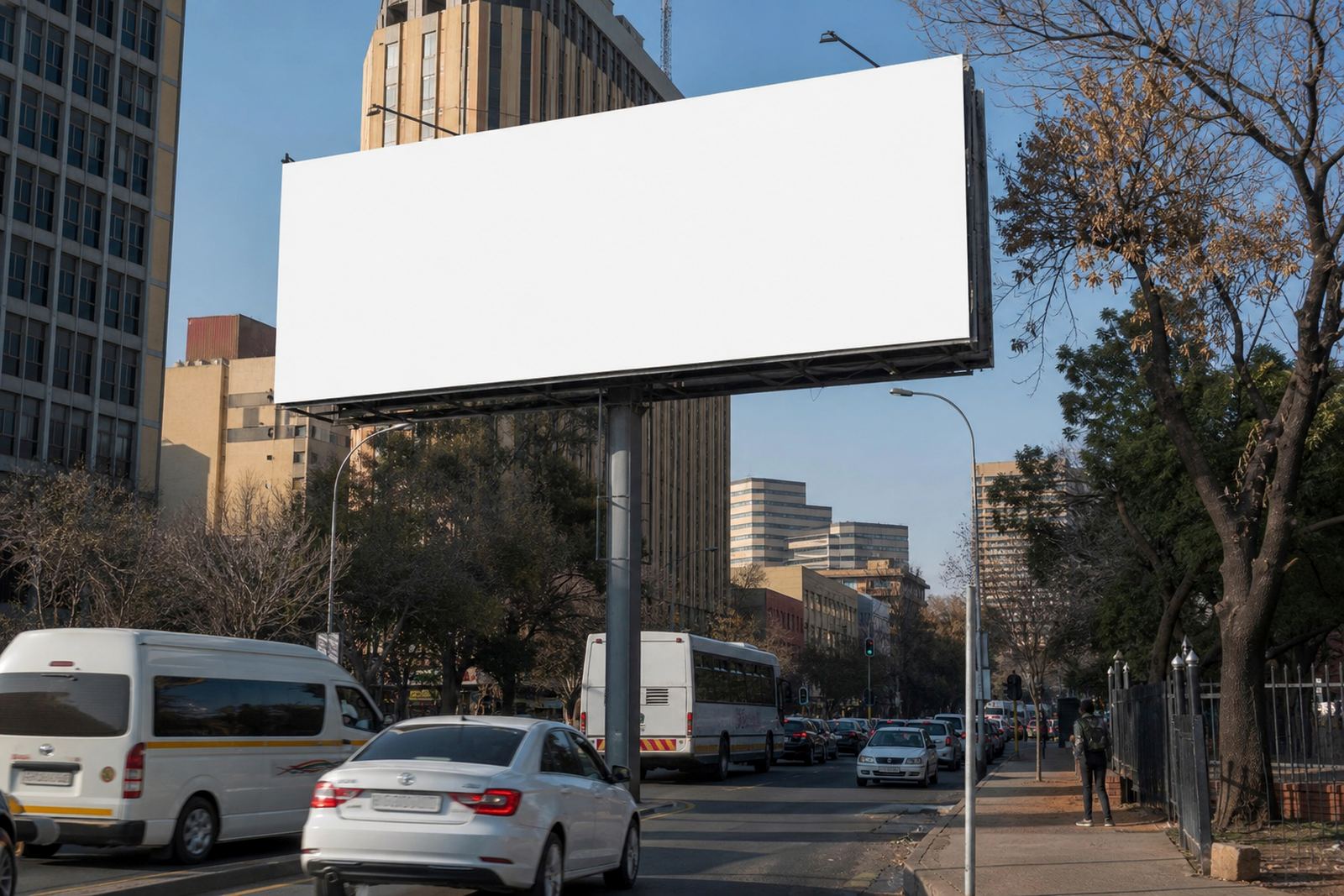
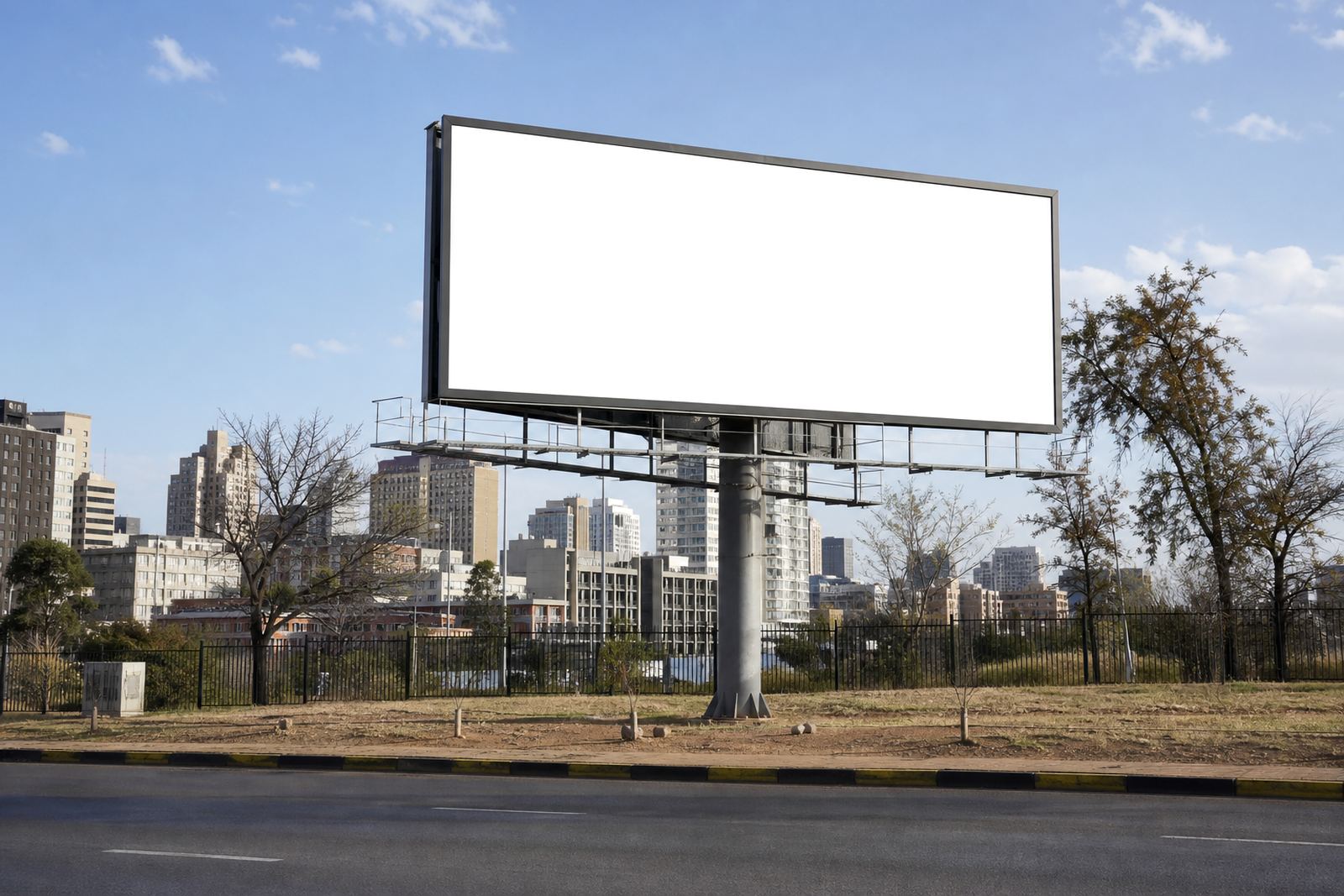
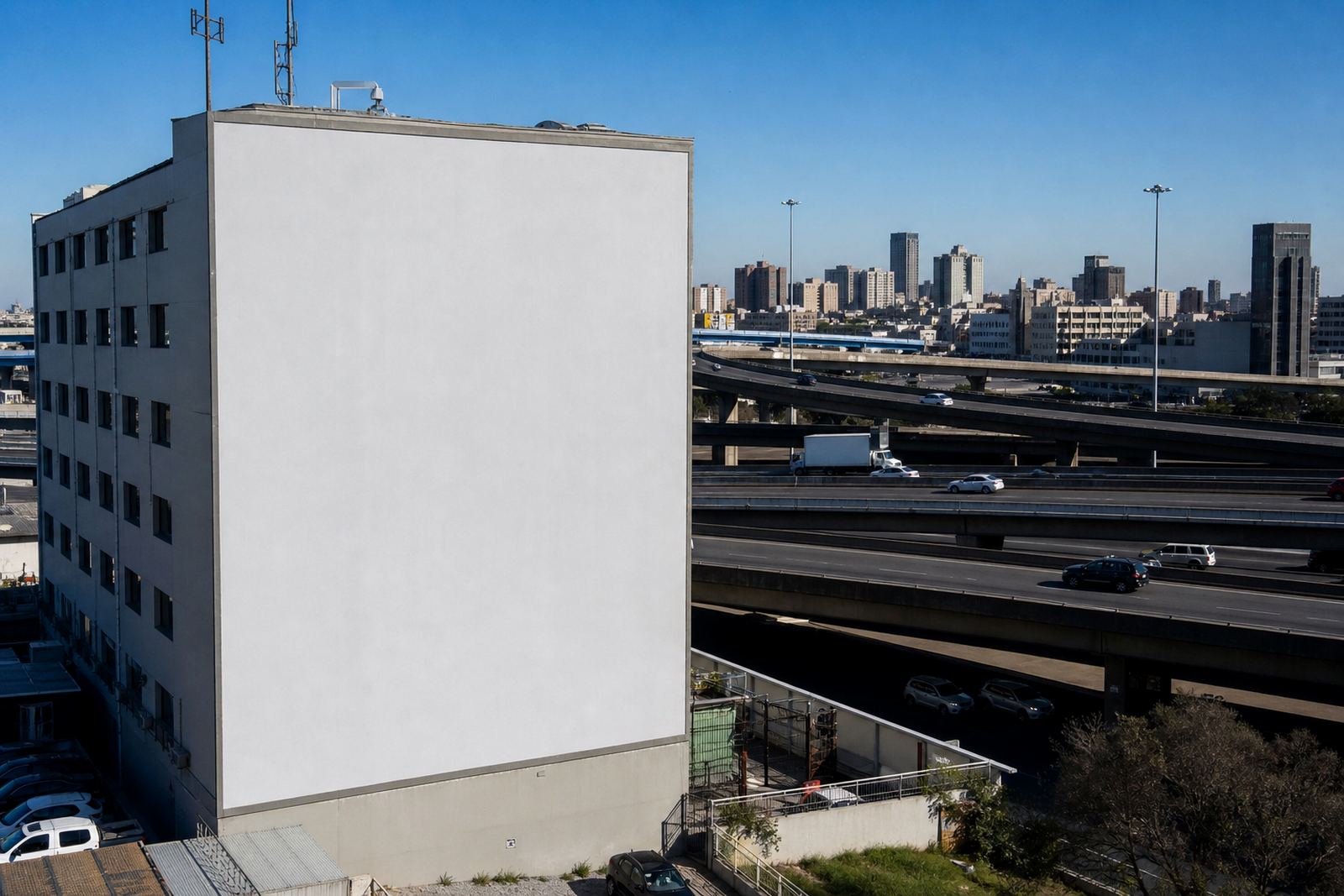
A Freeway Side Wall is a wall-facing advertising site on a building that can be seen from a freeway, ramp, interchange or busy connector road. It is used for large-format printed or illuminated signage, depending on the property, the wall structure and the local rules that apply. The space may be part of a single panel, a set of panels, or a wall wrap if the building and approval allow it.
These sites are usually chosen for direct roadside visibility where drivers, passengers and public transport users can see the message from a distance. Because the view is from moving traffic, the artwork needs to stay simple and bold. Keep the copy short, the contact details clear if used, and the image style clean enough to read at a glance. A wall site works well when the building face is high enough and there are no trees, poles or other structures blocking the line of sight.
- Suitable for long, clear viewing from road level
- Can be printed, framed or illuminated depending on the site
- Often placed on gable ends, side walls or large parapet areas
- Needs property owner consent before any booking is confirmed
Common sizes and site options
Freeway Side Wall sites vary from one property to the next, so the available size depends on the building shape, usable wall area and clearance around the site. Some are narrow and tall, while others are wide panels better suited to one strong message. The listing should show the actual viewing face, not only the brick or plaster wall behind it. That makes it easier to judge whether the site suits a short-term campaign or a longer booking.
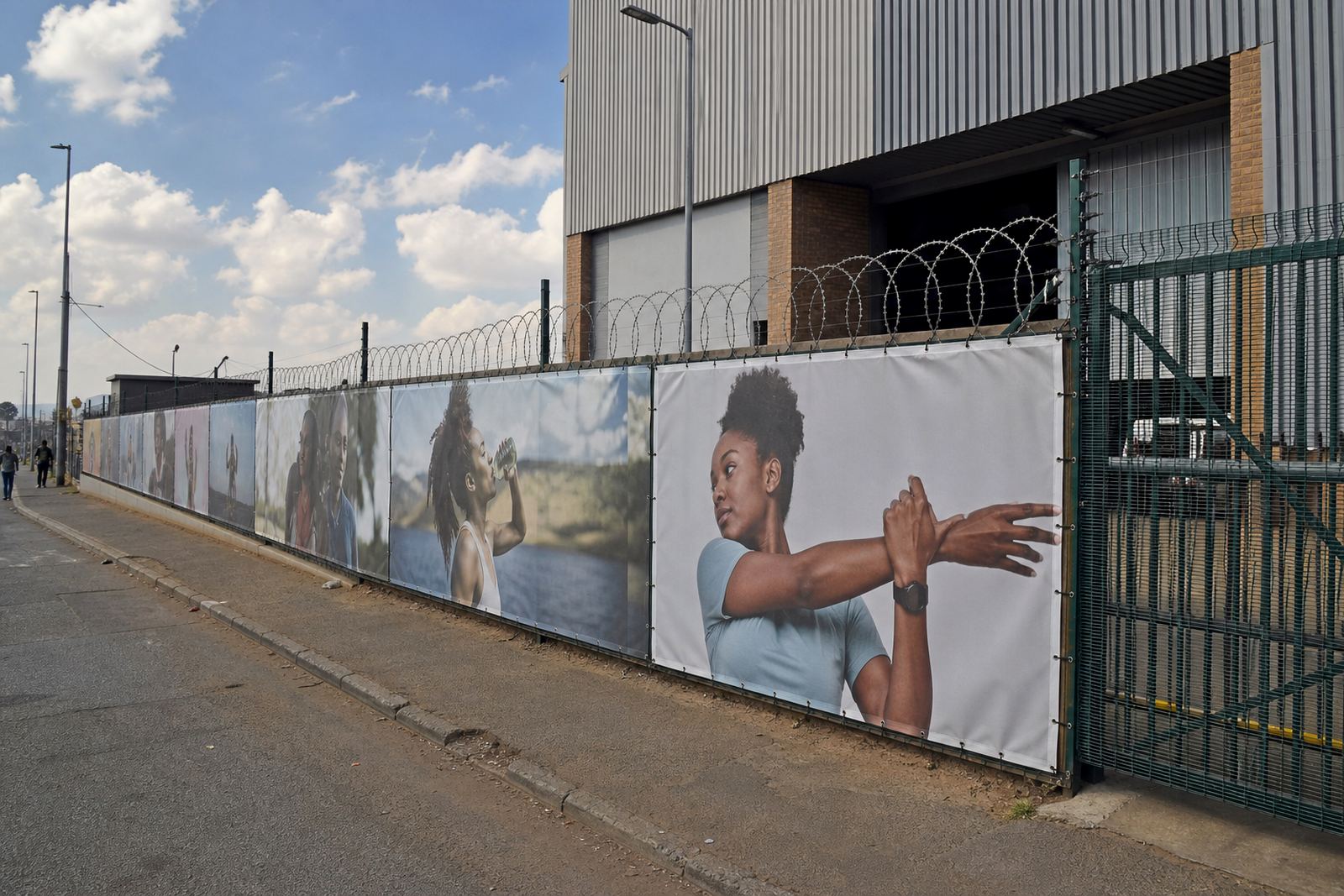
For planning, look at the visible face, the mounting zone and any restrictions from windows, service ducts, ledges or signage already on the building. A site may allow a single printed panel, a set of stacked panels, or a framed structure fixed to the wall. In some cases, the wall face can also take a banner system or a painted finish if that is approved. If the building is in a coastal area like Durban, material choice matters because salt air can affect fittings and printed skins over time.
- Small wall face: suitable for a compact panel or directional message
- Medium wall face: often used for standard billboard-style layouts
- Large wall face: can support bigger visual impact and stronger branding
- Illuminated option: useful where the site stays visible after dark and where power is available
Where this format suits best
This format suits businesses that need repeat roadside exposure in places where traffic moves steadily past the same point each day. It is commonly used near interchanges, main arterial routes and approach roads into business districts, industrial areas and retail nodes. In Johannesburg and Pretoria, the format can work near major connectors where there is enough speed and distance for the eye to catch the message. In Cape Town and Durban, wind exposure and coastal moisture should be checked before finalising the structure.
It also suits campaigns that need a local presence around a specific node rather than broad national coverage. A Freeway Side Wall near Braamfontein, Sandton, Midrand or Bloemfontein can support launches, seasonal promotions or ongoing brand visibility, if the message is kept clear and the artwork is prepared correctly. If the site is close to a freeway on-ramp or a split in the road, the composition should favour one main idea only, because drivers do not have long to read smaller text. A neat signoff and contact point can work better than trying to squeeze in too much detail.
- Retail and service brands wanting strong roadside recall
- Developers, estates and commercial properties promoting a location
- Campaigns that need a fixed presence near business districts
- Brands that want to place the same artwork across multiple cities
Installation, power and gas requirements
Installation depends on the wall condition, access to the site and the type of sign approved for the property. A safe install needs proper fixing points, structural assessment where required, and a schedule that fits around building access, weather and traffic control. For larger panels, access equipment may be needed, and that must be planned with the property owner in advance. On some sites, installation can only happen during off-peak hours or over a weekend, especially where the road edge is tight.
If the sign is illuminated, check whether power is already available at the wall and whether the electrical point is suitable for the load. Any wiring should be handled by a qualified installer and kept neat and protected from rain, dust and tampering. In areas with load-shedding, a non-illuminated option may be easier to maintain, or the client may choose an alternative that does not rely on constant power. Gas is not usually part of a standard wall sign setup, but any special lighting or display feature should be checked before booking. Also confirm that the proposed sign size fits the approved wall face and does not interfere with exits, gutters or maintenance access.
- Check structural support and safe fixing points before booking
- Confirm access for ladders, lifts or cherry pickers
- Verify whether electrical supply is available for lighting
- Allow for weather, wind and road-side work restrictions
Care, servicing and upkeep
Outdoor wall advertising needs routine care so it stays legible and presentable. Dust, soot and road grime build up quickly on freeway-facing sites, especially near busy corridors and construction areas. In coastal towns, salt can dull finishes and affect metal fittings. A maintenance plan should include cleaning, checking the frame, tightening fixings and replacing damaged print before it becomes a problem. If the site is lit, lamps or electrical components need regular testing, not only when they fail.
Servicing is easier when the campaign file is prepared with the correct dimensions and when the artwork can be reprinted quickly if needed. For longer bookings, inspect the sign after heavy wind, rain or hail. A small tear or loose edge can become a larger issue if it is ignored. Keep an eye on the surrounding building too, because new signage, repainting or roof work on the property can change how the wall reads from the road. Routine checks help protect both the message and the property relationship.
- Wash the face where dust and road film reduce visibility
- Inspect brackets, fasteners and support frames regularly
- Replace faded or damaged print without delay
- Check lighting, timers and cable protection on illuminated sites
What to check before you order
Before you book a Freeway Side Wall, confirm the exact site location, the visible face size and whether the message will be seen from one direction or both. Ask for current photos, the viewing angle, and any obstructions such as trees, poles, railings or adjacent buildings. You should also confirm who owns the property, whether consent has been given, and whether local municipal bylaw approval is required for the proposed sign. These checks matter because wall advertising cannot be installed lawfully without the property owner's consent and the required municipal process where applicable.
It helps to ask about the artwork format, the installation window and any restrictions on lighting, reflections or overhang. If the site is in a busy urban area like Johannesburg, Cape Town or Durban, access and road-side safety should be clarified early. In some cases, campaign timing must fit around building access or municipal review steps. A clean brief makes the process quicker and reduces back-and-forth. If you are comparing sites, look at the wall size, the road speed, the angle of approach and the amount of time the sign stays in view. That gives a clearer picture than a simple name on a list.
- Exact dimensions of the visible face and mounting area
- Confirmation of owner consent and bylaw approval path
- Illumination details, power access and servicing access
- Photo set, viewing direction and any obstruction notes
Key facts
| Product type | Building-side outdoor advertising site visible from a freeway or major connector road |
|---|---|
| Typical use | Printed panel, framed billboard face or approved wall wrap |
| Viewing context | Road-facing exposure from moving traffic and adjacent routes |
| Installation needs | Owner consent, structural check, safe access and approved fixing method |
| Power needs | Only if illuminated, with suitable electrical supply and protection |
| Compliance | Property owner consent plus local municipal bylaw approval where required |