
What a Large Billboard Is and Why It Works
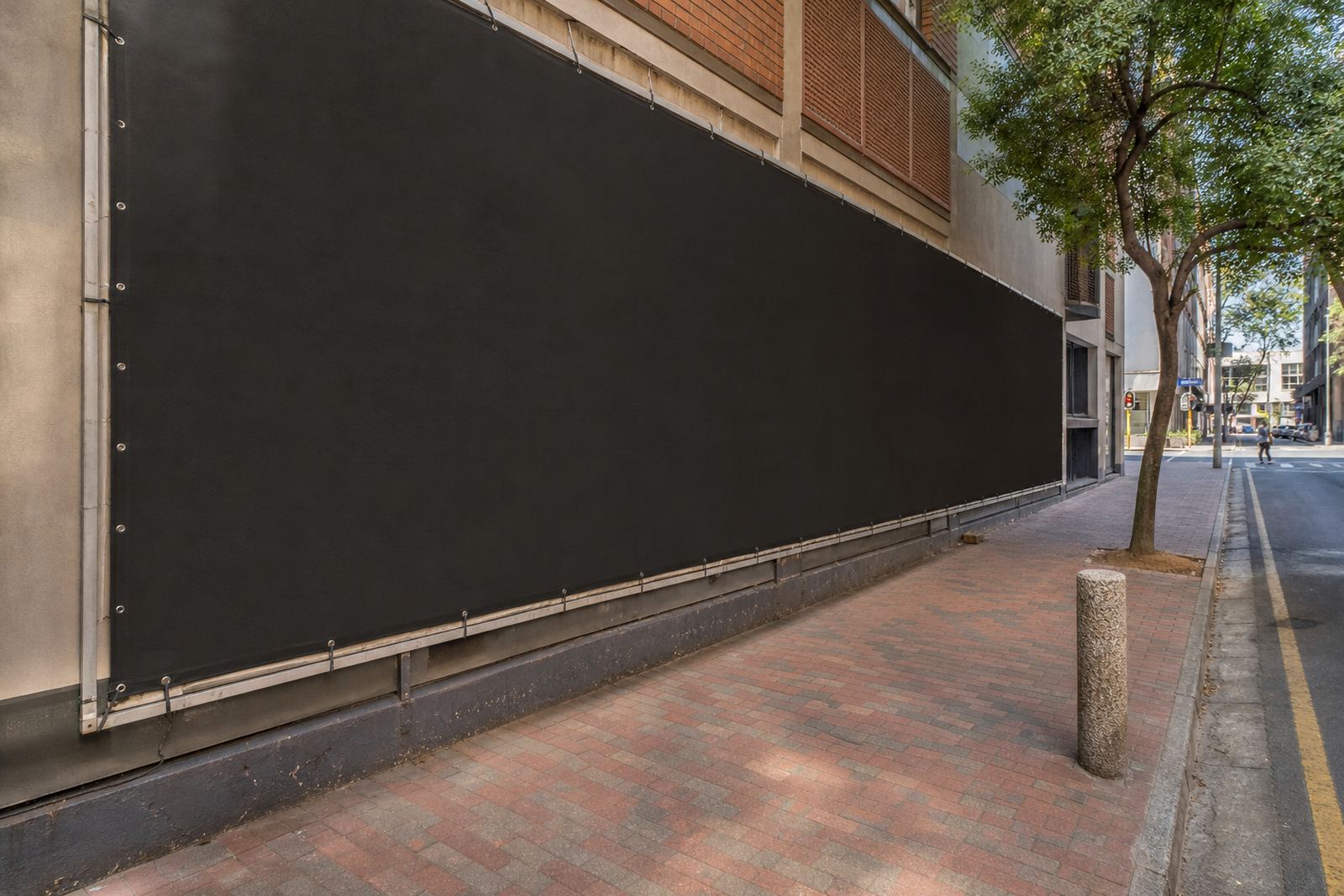
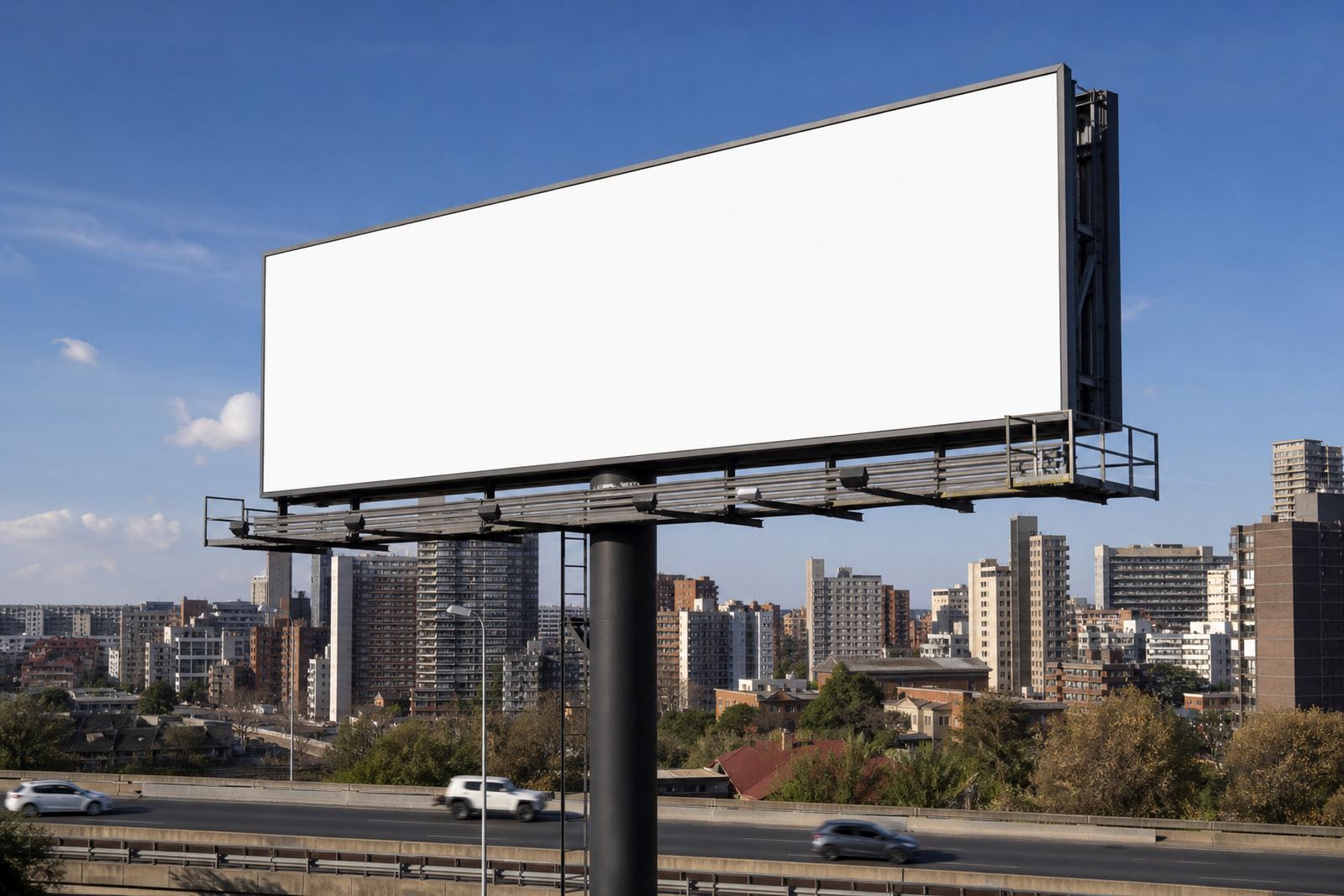
A large billboard is an outdoor advertising face mounted for strong roadside visibility, usually on a freestanding structure or a prominent wall position with long sightlines. It is built for short messages, clear branding and simple visuals that can be understood in seconds, which matters on roads where people are moving fast and only have a brief viewing window.
In Johannesburg, Pretoria, Cape Town, Durban and Bloemfontein, these sites are often chosen near arterial routes, interchanges, commercial nodes and approach roads where a brand needs a steady presence. They are also useful for time-sensitive campaigns, retail promotions, launch messages and awareness campaigns that need a wide format without clutter. The best boards are cleanly lit, well positioned and easy to maintain, so the message stays visible through day and night, even in load-shedding areas where backup power matters.
Common Sizes, Faces and Viewing Formats
Large billboard sites come in a range of practical sizes, depending on the structure, location and viewing distance. The most common formats are single-face boards, double-face boards and wall-mounted formats. Some sites are designed for one direction of traffic only, while others can carry copy on both sides when the road layout allows it.
- Typical display area: from about 18 square metres to 36 square metres or more
- Common proportions: wide landscape layouts for easy reading from a moving vehicle
- Lighting options: lit or unlit depending on site access and power supply
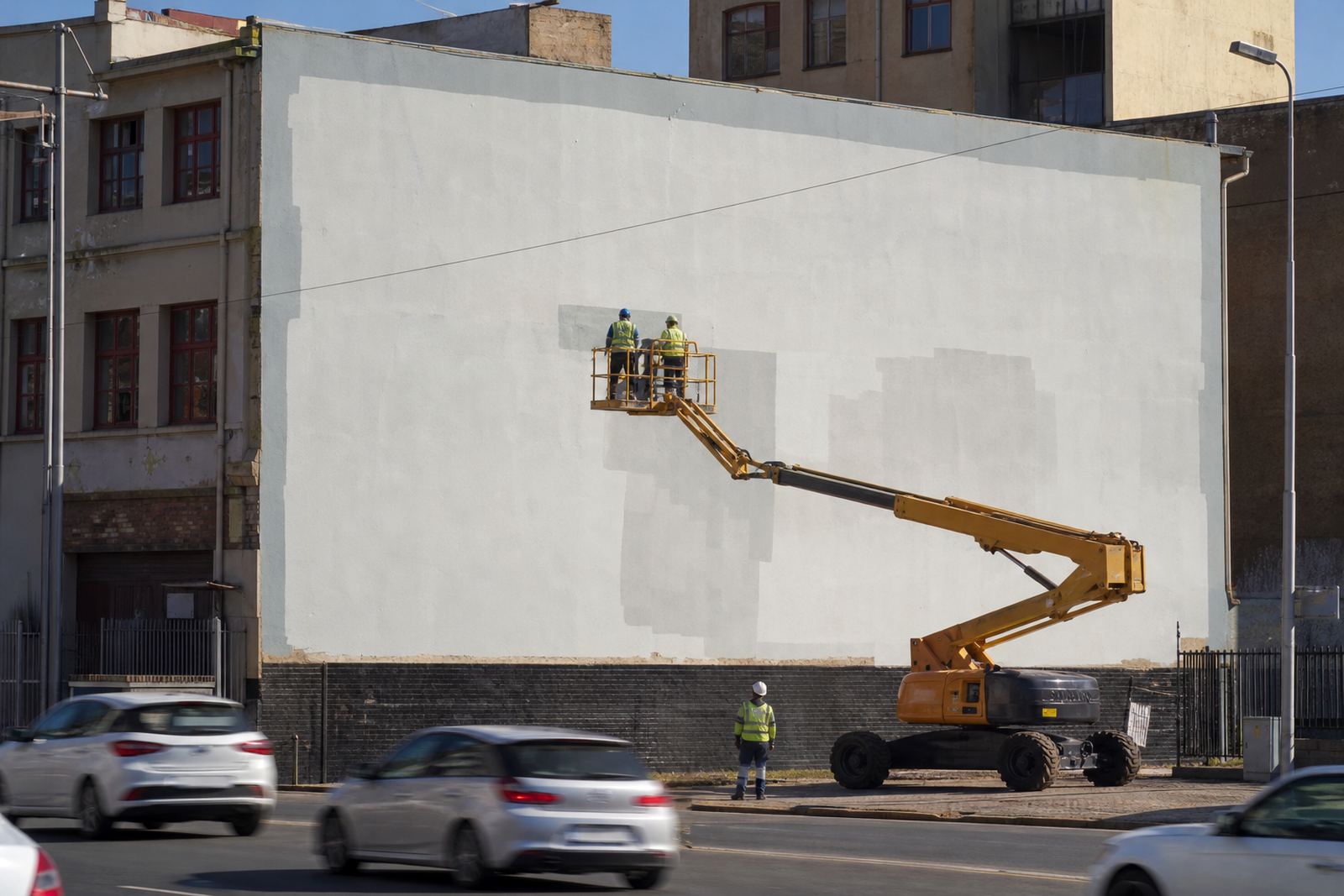
- Finish options: printed flex face, painted wall advertising or a rigid panel system where suitable
- Site position: roadside, highway approach, bridge-side, wall-mounted or free-standing structure
When you are ordering, it helps to know whether you need a long-distance read or a closer city route view. A larger face with fewer words is usually better for major roads, while a slightly smaller board may suit urban routes where traffic slows down more often.
Where Large Billboards Suit Best
Large billboards work well where the road gives people enough time to take in the message. That includes highway approaches, main commuter roads, large intersections, industrial routes, airport access roads and long straight stretches where the viewing angle is clean. They also suit retail corridors and transport routes near shopping centres, business districts and mixed-use nodes.
These boards are a good fit for advertisers who want regular exposure over a longer period, such as property launches, education campaigns, vehicle promotions, events, services and national or regional brand awareness. They can also support local traders who need visibility near their own area, especially where foot traffic and car traffic overlap. In coastal areas like Durban and Cape Town, the material and fixings must handle salt air and moisture, while inland sites may need stronger dust protection and careful servicing after heavy rain or high winds.
- Best for major roads and approach routes
- Useful for long viewing distances and fast-moving traffic
- Suitable for awareness, launches and seasonal offers
- Works well where the message can stay simple and direct
Installation, Power and Site Access Requirements
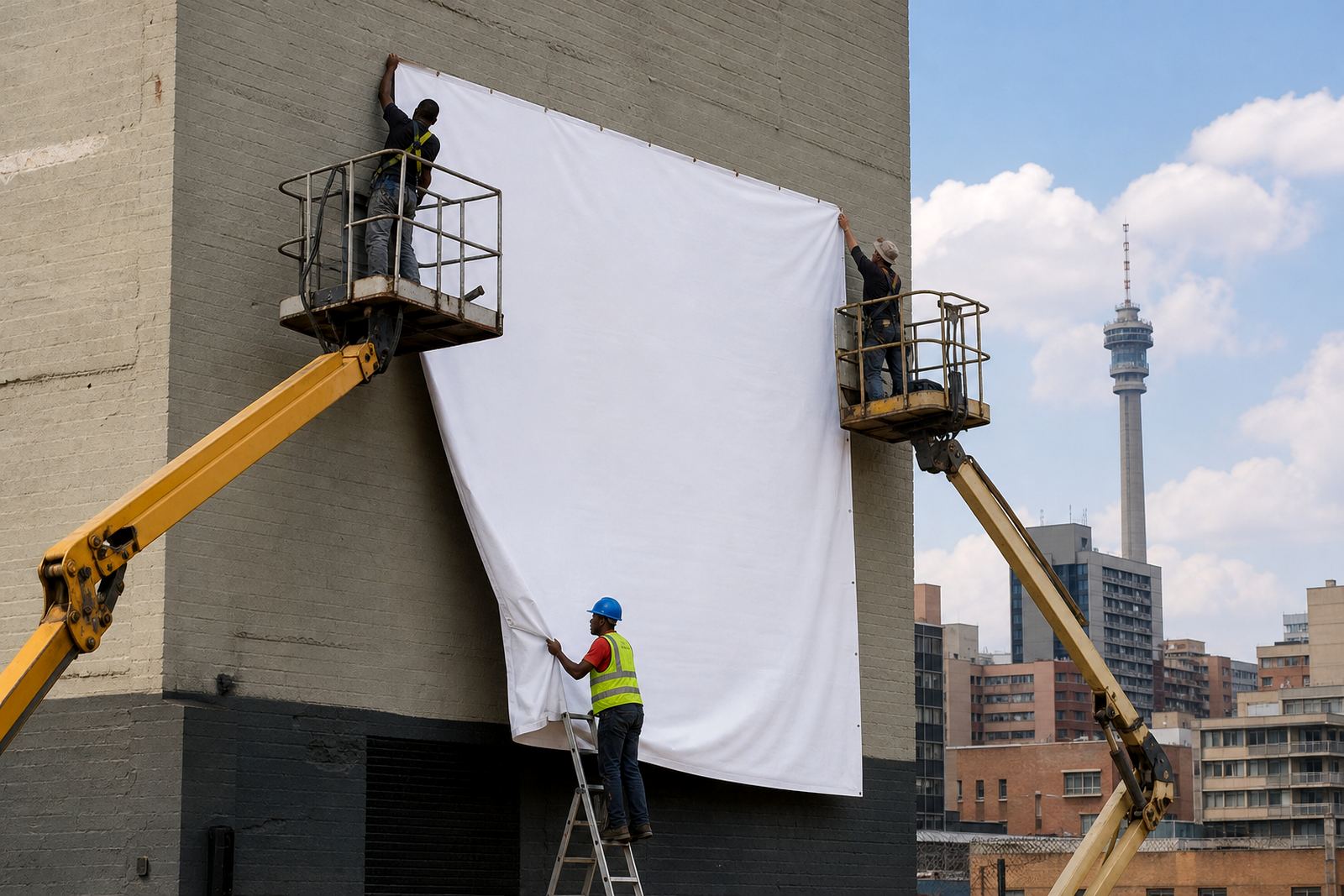
Installation depends on the type of structure, the condition of the wall or frame, and the access available for crews and equipment. Some large boards need scaffolding, lifting gear or working-at-height access, while others can be serviced from the ground depending on the design. If the site includes lighting, power supply must be checked in advance, including whether mains power is available and whether backup power is needed during outages.
Where a lit billboard is involved, the electrical setup must be suitable for outdoor use and protected against weather exposure. In some locations, a small standby system may be used so the copy remains visible during load-shedding. If the structure is near a boundary, road reserve or municipal servitude, access and installation planning need to respect the property layout and any local rules. For wall advertising, the property owner's consent is essential and local municipal bylaw approval may also be required before work starts. We guide the booking and compliance steps, but the final site conditions still need to be checked carefully on the ground.
- Check structural suitability before booking
- Confirm access for installation and future servicing
- Verify power availability for any lit face
- Allow time for consent, bylaw checks and scheduling
Care, Servicing and Weather Protection
Large billboards need regular care so they stay legible and tidy. Printed faces may need cleaning, tightening or replacement if wind, rain or sun exposure starts to affect the finish. On wall-mounted sites, the surface should be checked for cracks, peeling paint or water damage before artwork goes up. In humid coastal areas, fixings and frames should be checked more often, since salt and moisture can shorten the life of exposed parts.
For lit boards, servicing should include lamp checks, cabling inspection and any weather seal repairs. The face should also be checked after storms or strong wind events, because loose sections can become unsafe. A good maintenance routine keeps the message readable and avoids the tired look that can happen when a board is left too long without attention, especially in high sun areas like Johannesburg and Pretoria.
- Regular cleaning to keep copy visible
- Check for loose edges, fading and weather damage
- Inspect lighting, cables and power connections where fitted
- Replace worn printed material before it starts to look untidy
What to Check Before You Order
Before confirming a large billboard, check the exact site position, the usable display area, the viewing direction and the content limits for the board. You should also confirm whether the site is lit, whether artwork needs to be supplied in a specific format, and how long the booking runs for. If the campaign depends on a quick start, make sure the approval and installation timeline can fit your dates, otherwise the launch can slip by a week or two and that is never helpful.
It is also wise to ask about the property consent process, any municipal bylaw requirements, and whether the site needs extra checks before installation. For advertisers working across several towns, consistency matters too. A campaign in Braamfontein may need a different size or viewing angle to a site in Sandton or Midrand, while Cape Town and Durban may need stronger weather planning. Our team helps match the brief to the right site, confirms availability, checks artwork specs and keeps the booking moving so the final setup is practical, legal and fit for purpose.
- Confirm size, direction and viewing distance
- Check whether the site is lit or unlit
- Ask for artwork specs before design starts
- Allow for consent and municipal approval where needed
Key facts
| Product type | Large outdoor billboard rental |
|---|---|
| Typical display area | About 18 m² to 36 m² plus, site dependent |
| Format | Single-face, double-face or wall-mounted |
| Viewing distance | Best for long-distance roadside viewing |
| Lighting | Lit or unlit, depending on site and power |
| Compliance | Property owner consent and local municipal bylaw approval may be required |