What a commuter corridor board is
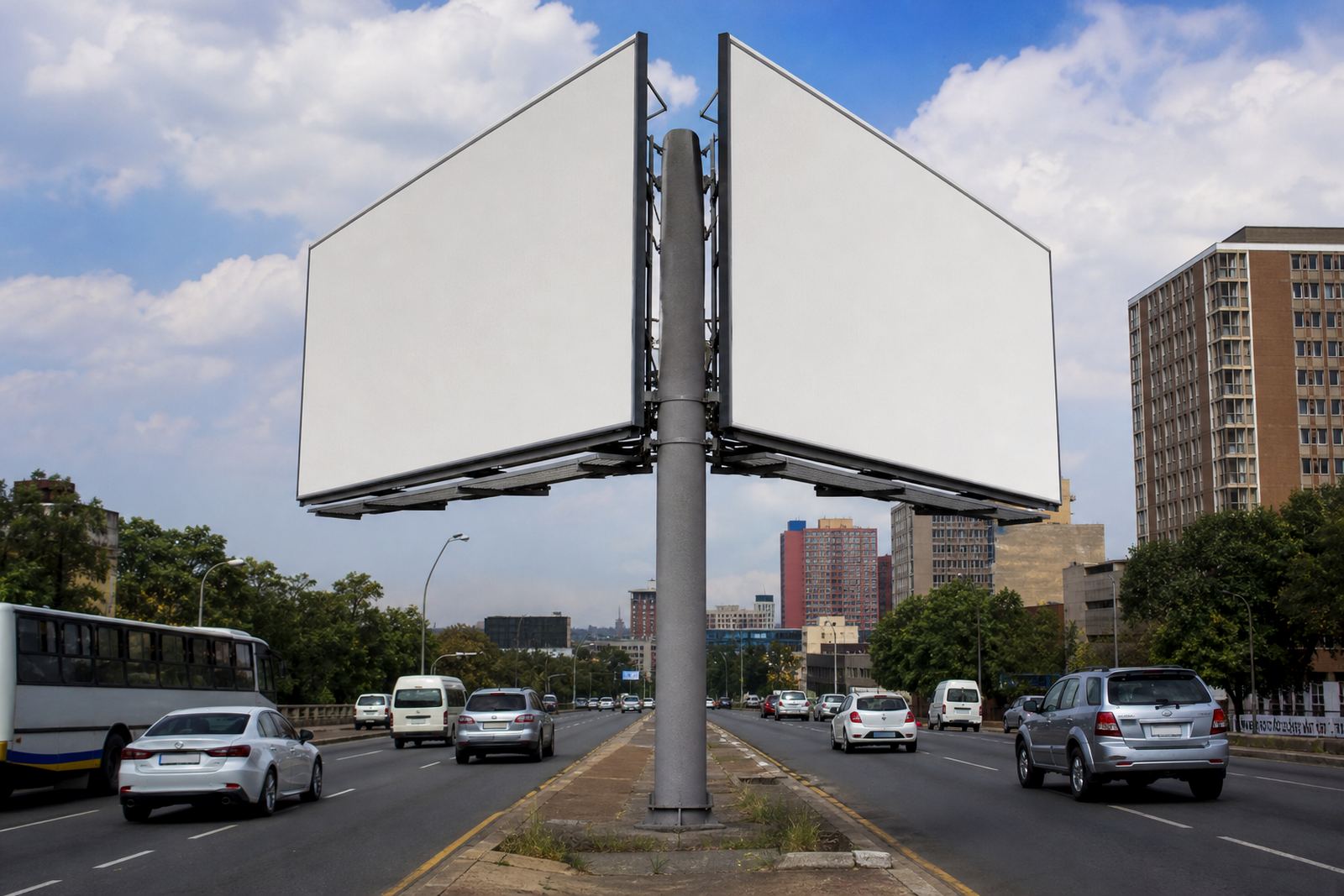
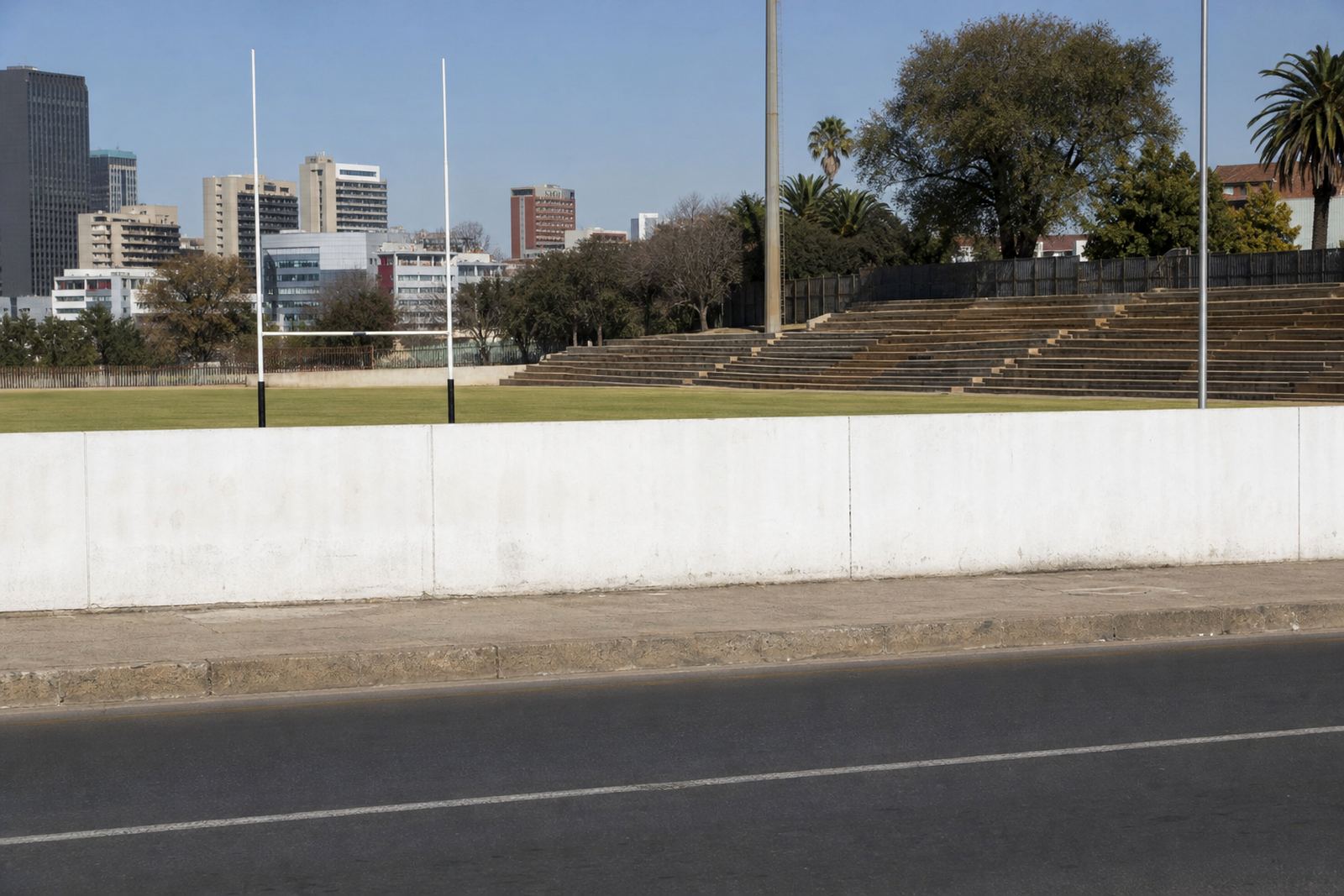
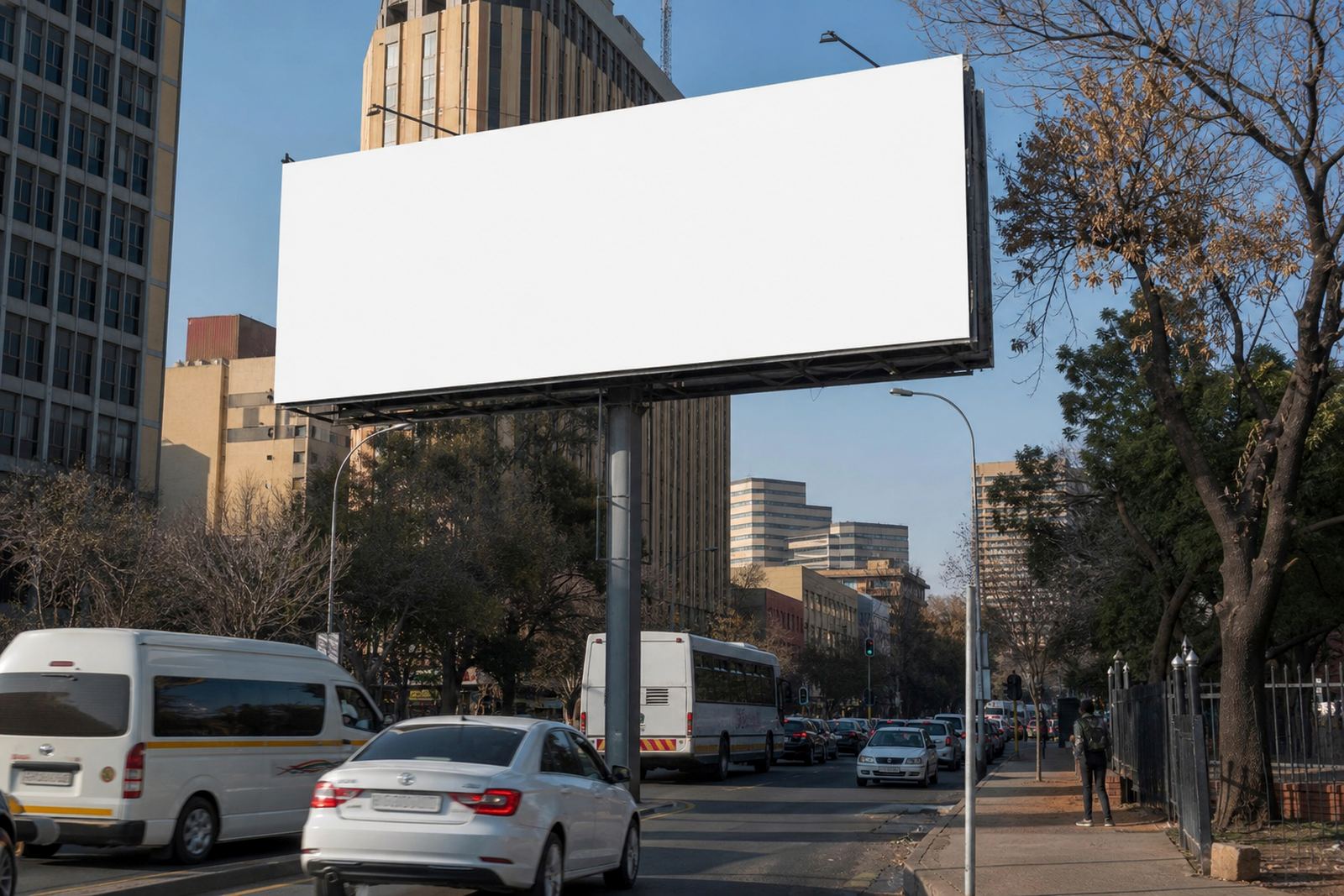
A commuter corridor board is a large format outdoor advertising surface placed beside roads that carry regular weekday movement between residential areas, business nodes and industrial routes. It is used on walls, boundary structures and purpose built frames where the site has clear roadside visibility and enough stand off to keep the copy readable at speed.
These boards are often chosen for routes in Johannesburg, Pretoria, Cape Town, Durban and Bloemfontein, as well as key links around Braamfontein, Sandton and Midrand. They are suited to brands that need repeated exposure on the same route each day, rather than short burst foot traffic only.
- Works well on straight approaches, intersections and merge points
- Can be single sided or double sided depending on the site
- Commonly used for long running campaigns and seasonal promotions
Sizes and format options
Size depends on the property and the viewing distance. Some sites take a compact wall face for tighter urban streets while others support larger panels along open commuter roads. The right choice depends on how far away a driver first sees the board, how long the message remains in view and whether the structure sits parallel or angled to traffic.
Typical format options include standard rectangular panels, elongated wall boards and tall portrait faces where the building line allows it. A cleaner layout with fewer words usually performs better for faster routes. If the board will be seen near traffic lights or slow moving queues, there is more room for detail. On quicker stretches, the message should stay short and direct.
- Common face sizes range from compact wall units to full scale roadside boards
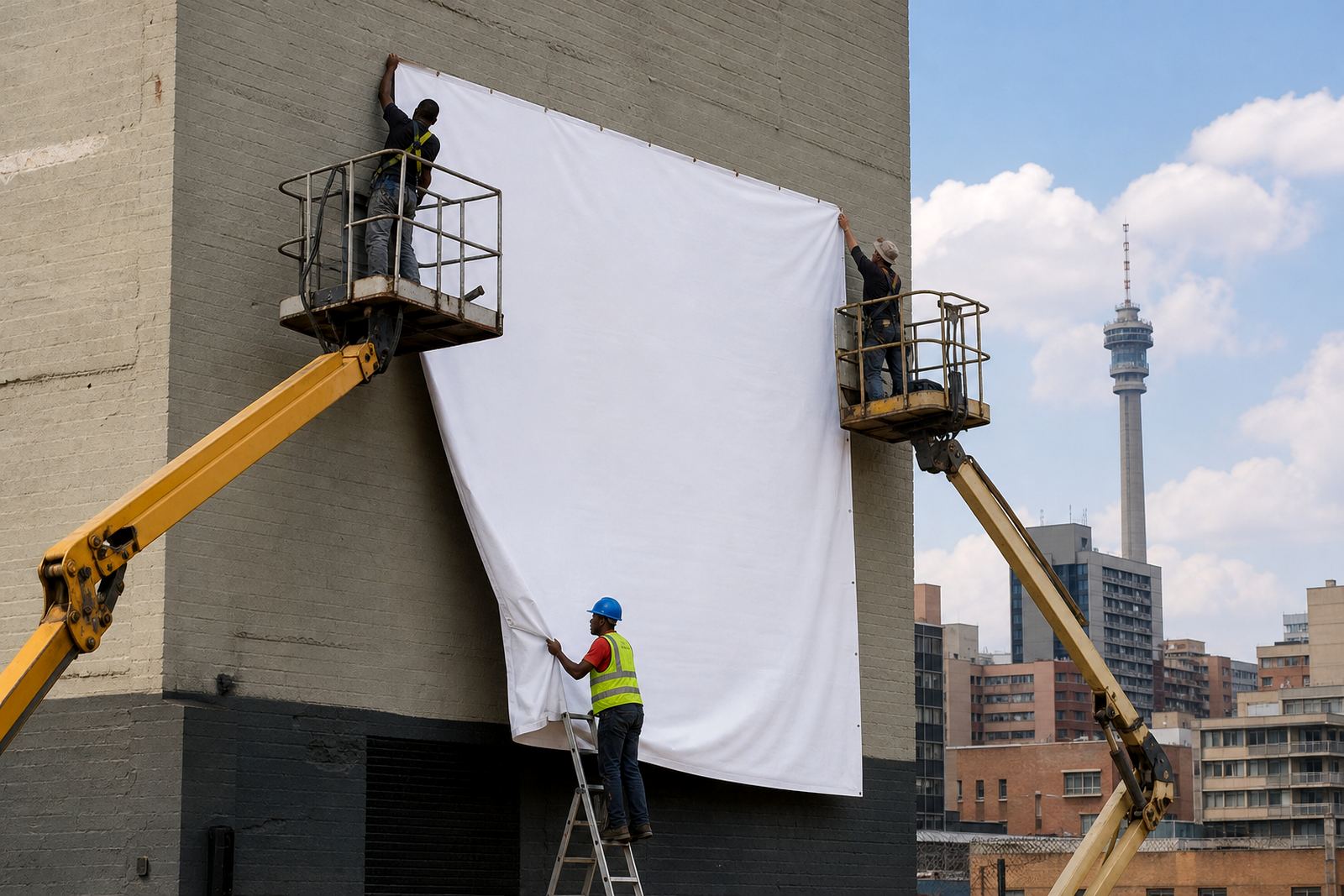
- Vinyl or printed panel faces are usually used, depending on the structure
- Lighting can be added where the site is used after dark
Where this format suits best
This format suits roads with steady daily movement between home, work and service areas. It is useful near freeway feeders, arterial roads, taxi routes, bridge approaches, intersections and access roads into shopping, office and industrial zones. In many cases the board is most effective where people pass the same point more than once a week.
For Braamfontein and central Johannesburg, commuter corridor boards can work well on streets with mixed pedestrian and vehicle movement, while outer suburban connectors often suit larger roadside faces. In coastal areas such as Durban and Cape Town, materials and fixings should be chosen for humidity, salt air and wind exposure. Inland sites usually need less corrosion protection, but the structure still has to cope with summer storms and dust.
- Suitable for commuter roads, arterial routes and urban connectors
- Useful near retail, transport and business access points
- Can support brand awareness, event promotion or location based messaging
Installation, power and site requirements
Installation depends on whether the board is mounted to an existing wall or built on a separate frame. The property owner’s consent is required before any booking goes ahead, and local municipal bylaw approval must also be checked for the site. Some locations need extra sign off where the board is visible from a major road or where building rules place limits on size, height or lighting.
Most commuter corridor boards do not need power unless the site uses illumination. If lighting is planned, a proper power source, safe cabling and weather protected fittings are needed. In areas affected by load shedding, advertisers should also consider whether the board stays visible without power after dark. Solar or battery backed options may suit some sites, but the structure and fixings still need to be assessed before any installation date is set. Gas is not normally part of this type of sign.
- Check wall strength, mounting points and wind loading before booking
- Confirm access for installers, especially on busy roads or upper walls
- Allow time for consent, bylaw checks and any site specific approvals
Care and servicing during the campaign
Outdoor boards need regular attention, especially in areas with dust, rain or coastal air. Faces should be checked for lifting edges, fading, vandal marks and water ingress. If the board is lit, the lights, timers and cabling need routine inspection. A clean face makes the message easier to read and helps the property owner keep the site presentable.
For wall mounted sites, the surface around the board should also be monitored for cracks, loose plaster or staining. In older buildings or exposed structures, minor movement can affect the finish over time. If the site is near a road with heavy spray, windblown dirt or salt air, more frequent checks are worth planning. A simple service schedule often prevents bigger repairs later on.
- Inspect the face after strong wind or heavy rain
- Keep lighting and fixings in working order where installed
- Remove damaged prints quickly so the site does not look neglected
What to check before you order
Before booking a commuter corridor board, confirm the exact site position, the viewing direction and whether the board faces inbound or outbound traffic. Ask for current photos, measurements and a clear note on any obstructions such as trees, poles, gantries or nearby building lines. It also helps to know if the site has day only exposure or if it needs night visibility too.
Advertisers should check that the artwork suits the actual panel size and that key text will remain legible from a moving vehicle. Keep the message simple and avoid crowding the layout. If the campaign must start on a fixed date, ask about lead time for proof checks, consent guidance and installation scheduling. Property owners should confirm whether the site is available for the full campaign period and whether any maintenance windows could interrupt display.
- Verify size, orientation and sightline before artwork is finalised
- Ask about access, power and lighting if the site needs it
- Make sure consent and municipal requirements are clear before booking
How RentThisWall helps with this product
RentThisWall lists commuter corridor boards across South Africa and connects property owners with advertisers looking for the right roadside location. The team can help with space listing setup, site photo curation, listing copywriting, availability management and brief matching. For a property owner, that means the site can be presented clearly and kept current. For an advertiser, it means the board details are easier to compare before making a booking.
Support also covers booking coordination, consent check guidance, bylaw process support, artwork spec checks, installation scheduling, campaign monitoring and listing renewal support. The Braamfontein base serves Johannesburg and surrounding areas, while listings can be arranged for Pretoria, Cape Town, Durban and Bloemfontein as well. If you need a commuter corridor board that fits a specific route or wall face, the enquiry form on the contact page is the way to start.
Key facts
| Product type | Outdoor billboard and wall space advertising |
|---|---|
| Format | Single sided or double sided board options |
| Typical use | Commuter roads, urban connectors and access routes |
| Size range | Site specific, from compact wall faces to large roadside panels |
| Power needs | Not required unless the site uses lighting |
| Compliance | Property owner consent and local municipal bylaw approval required |