What a Factory Perimeter Wall Listing Covers
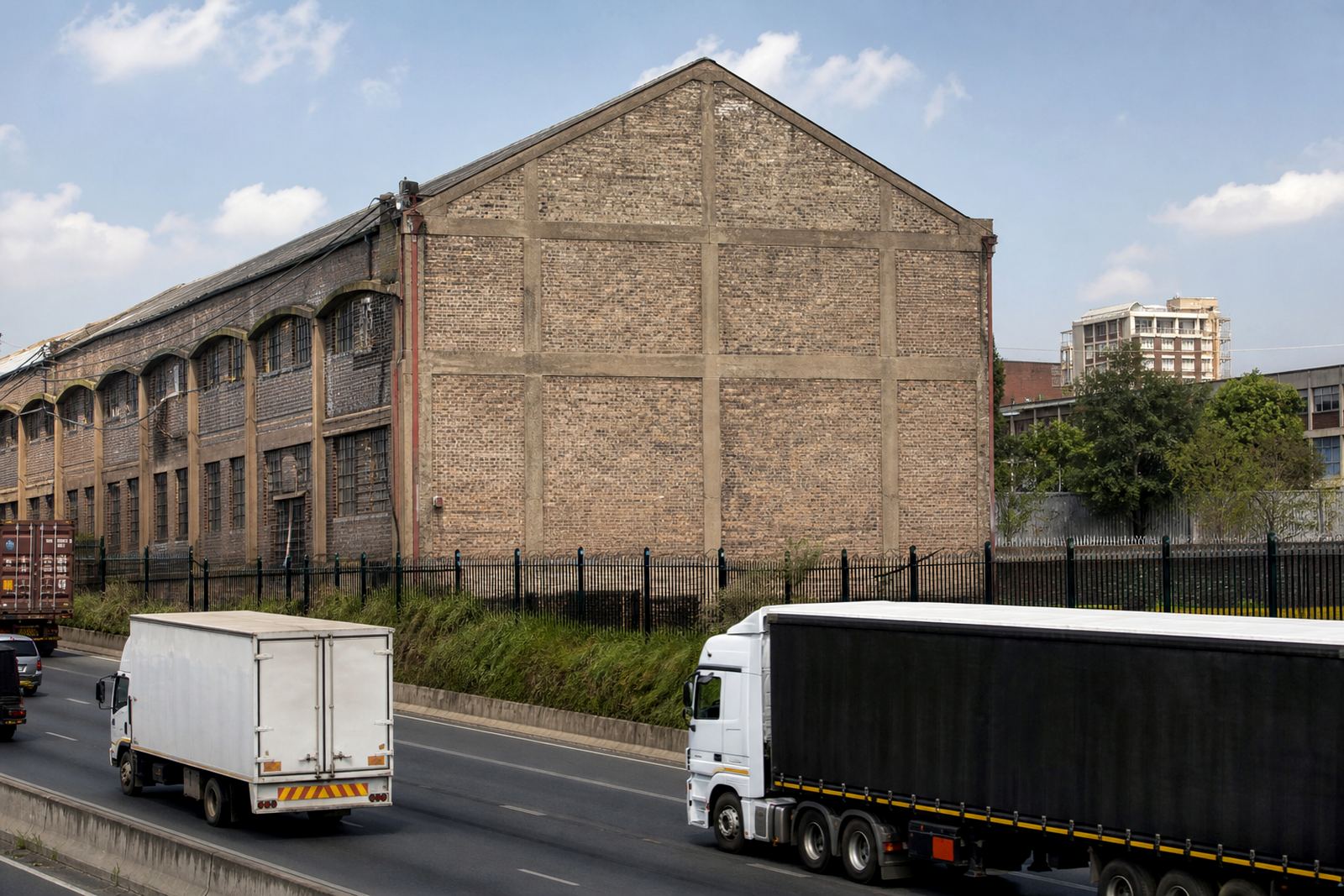
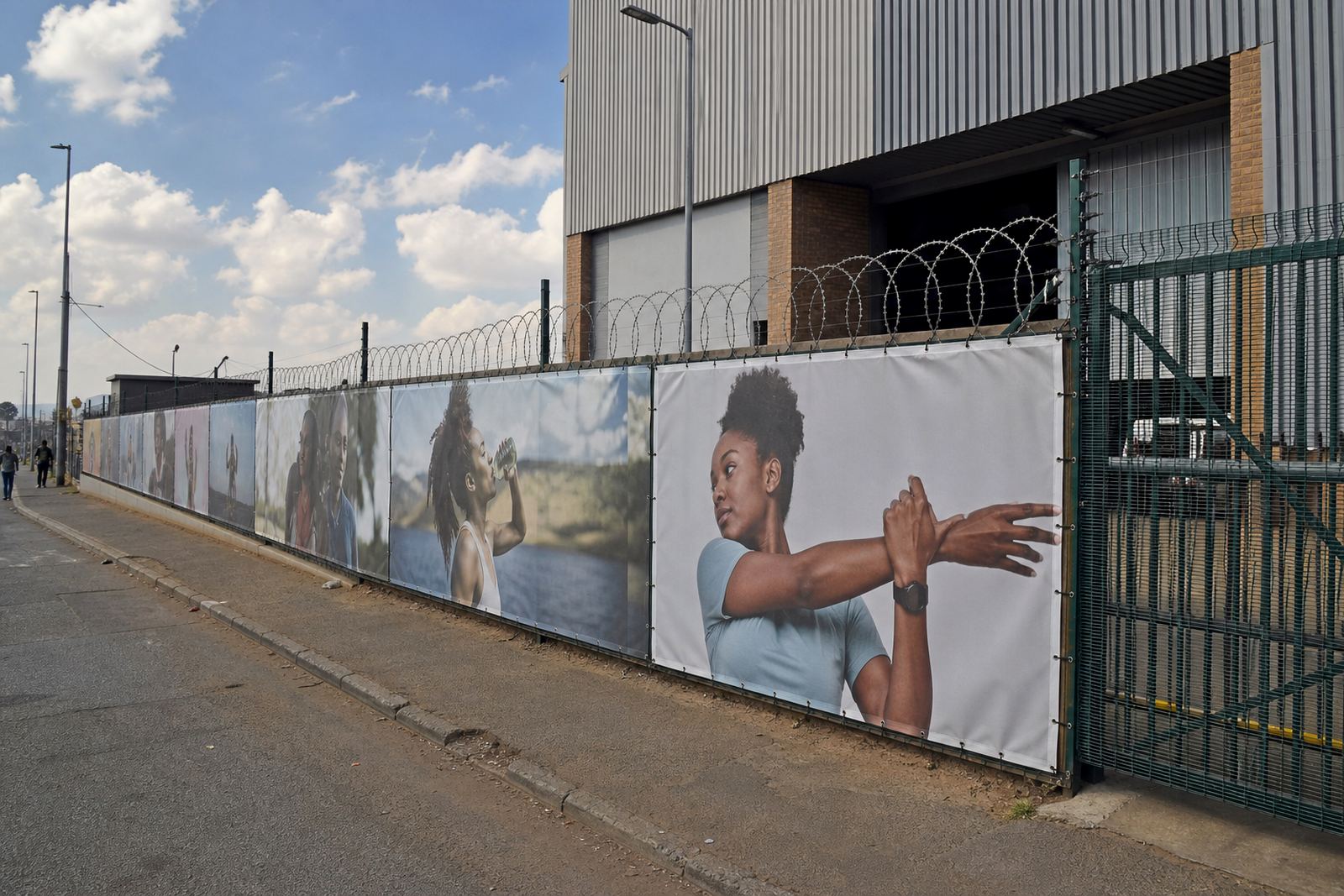
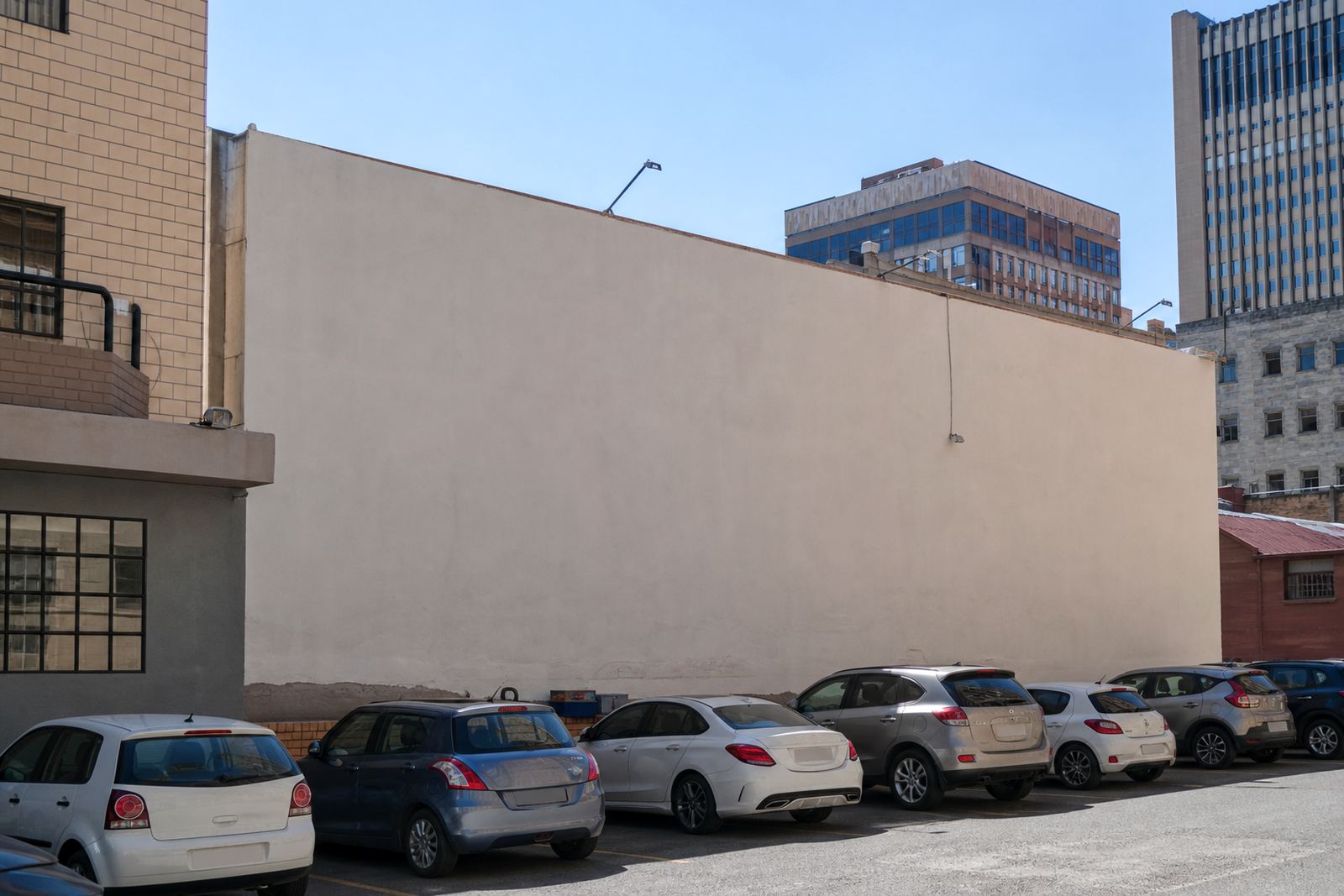
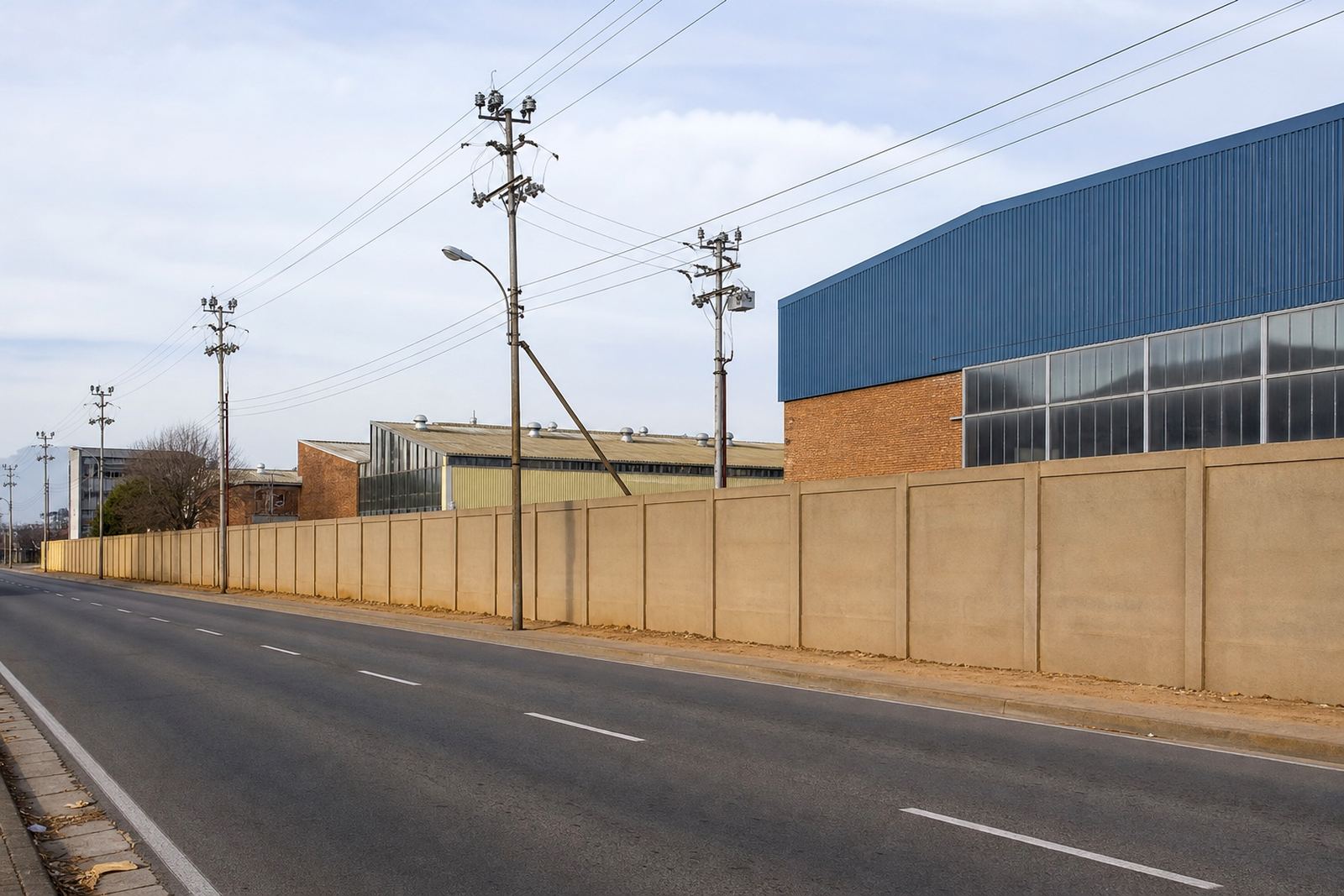
A factory perimeter wall listing is for the outside face of a boundary wall, fence line or long boundary structure at an industrial property. It is usually suited to wall-mounted signage, vinyl application, painted graphics or framed panels, depending on the structure and the property rules. The wall may sit alongside a main road, access street or service route, which makes it a useful place for regular visibility without getting in the way of the site’s daily operations.
These listings are generally used where the wall is sound, the viewing line is clear and the owner is happy to allow advertising. The exact format depends on the wall height, surface condition and access for installation. Some walls work well for one long panel, while others are better split into sections. In industrial areas, this can be a cost-effective way to use otherwise plain boundary space, especially where the wall is already exposed to passing vehicles and pedestrians.
Typical Sizes, Formats and Fixing Options
Factory perimeter walls come in different lengths and heights, so the available advertising area needs to be measured on site. Common options include single panels, repeated panels along a boundary, or a continuous run across several bays. The usable space is often limited by pillars, gates, drainage lines, security lighting and existing wall features. We always suggest confirming the clear width and clear height before a booking is finalised.
- Panel sizes often suit widths from 2 metres to 20 metres or more, depending on the wall run
- Heights commonly range from 1.5 metres to 6 metres, subject to the structure and safety access
- Fixing methods may include drilled supports, clamp systems, adhesive vinyl or painted finishes
- Some sites allow one-sided exposure only, while others can be seen from two approaches
- Fence and wall combinations may need separate approval for each visible face
When the surface is rough, damp or uneven, the fixings need more care. Coastal humidity can affect paint adhesion and metal fittings, while inland industrial dust can build up quickly on exposed faces. On older factory walls, a clean and level surface is often needed before artwork goes up.
Where This Wall Space Suits Best
This product is a good fit for industrial streets, logistics corridors, warehouse zones, light manufacturing areas and factory access roads. It can also work near depots, distribution points, building supply yards and premises with steady vehicle movement in and out. The best results usually come where the wall runs parallel to the road and stays visible for a reasonable stretch, rather than being hidden behind trees, parked trucks or boundary clutter.
In places like Johannesburg, Pretoria, Sandton and Midrand, factory perimeter walls can suit road-facing industrial property with controlled entry points. In Cape Town, Durban and Bloemfontein, exposure may vary depending on the site layout, wind conditions and local rules. Some areas are better for short, sharp messages, while longer walls suit larger layouts with clearer reading distance. A wall near a loading bay can work well if it does not interfere with deliveries, security access or turning circles.
Because this is outdoor advertising, the surrounding environment matters. If the road is narrow, the viewing distance is close. If the boundary sits behind a fast-moving lane, the message needs to stay simple and legible. Signs on factory walls also need to respect zoning, access and safety. No use trying to squeeze a huge graphic onto a wall that only gives you a few clean metres, it just looks cramped.
Installation, Power Needs and Site Access
Most factory perimeter wall advertising does not need electricity or gas. A printed wall panel or non-illuminated sign is usually the simplest option for industrial sites, especially where load-shedding makes lighting less practical. If the wall uses illuminated elements, then power availability, cable routing and maintenance access must be checked before booking. Any electrical work must be handled safely and in line with the property’s rules.
Installation planning depends on the wall material and how easy it is to reach. Concrete, brick and block walls may need drilling and fixing points. Steel-framed panels need secure anchoring and, in some cases, extra bracing for wind exposure. On active factory sites, installation is often timed around deliveries, shift changes or security control points so the work does not interrupt operations. We also look at whether a lift, scaffold or cherry picker is needed, and if the yard surface can take that equipment.
- Confirm the exact wall length, height and surface type before booking
- Check whether the site allows after-hours installation
- Allow for weather delays, especially in windy or rainy conditions
- Make sure access gates are wide enough for equipment and materials
- Confirm who is responsible for site escort and sign-off on the day
Care, Servicing and Ongoing Condition
Outdoor wall advertising needs regular checking because dust, soot, bird droppings and weather can all affect the finish. In factory areas, vehicles and forklifts can also kick up dirt, so the lower sections may need more frequent cleaning. A simple maintenance routine helps the message stay readable and keeps the site looking tidy. If the wall is painted, touch-ups may be needed after rain or sun fade. If it is a vinyl application, lifting edges or bubbles should be dealt with quickly.
Owners and advertisers should also watch for cracking, rust, loose fasteners or damage from strong wind. Near the coast, salty air can shorten the life of metal fittings and exposed frames. Inland, heat and dust can dry out some surfaces faster than expected. A periodic inspection makes sense, especially after storms or if a nearby change, like new fencing or a parked container, affects visibility. Small issues get bigger if left alone.
Where lighting is used, the fittings need occasional testing and cleaning. Power interruptions can also affect lit signs, so the site should have a clear plan for faults. If the wall sits on a working industrial property, servicing times should be set with the owner so nobody is blocked from loading areas or security access.
What to Check Before You Order
Before reserving a factory perimeter wall listing, check the visible size, surface condition and whether the wall is actually approved for advertising. The property owner’s consent is required, and the relevant municipal bylaw approval must also be in place. That step matters because different towns and districts may treat wall signs differently, especially around industrial zoning, safety setbacks and road-facing structures.
- Confirm who owns the property and who can approve the signage
- Ask for the clear advertising dimensions, not just the overall wall size
- Check whether the wall has pipes, cables, gates or fire exits that affect layout
- Confirm whether artwork is print, paint or a combined finish
- Ask if the site needs bylaw submissions or other local compliance steps
- Check installation windows, access rules and any security clearance needed
It is also worth checking the condition of the surrounding area. If the wall is next to a rough verge, parked trucks or a loading yard, the sign may need a tougher finish. If the site is exposed to strong winds, the structure should be checked for suitability before anything is fixed in place.
How RentThisWall Helps With the Booking Process
RentThisWall runs an online marketplace for billboard and wall-space advertising rentals across South Africa, with listings in Johannesburg, Braamfontein, Pretoria, Cape Town, Durban, Bloemfontein, Sandton and Midrand. Our team handles listing setup, site photo curation, listing copywriting, availability management, brief matching, booking coordination, consent check guidance, bylaw process support, artwork spec check, installation scheduling, campaign monitoring and listing renewal support. That helps keep the process practical, especially when a site has more than one decision-maker or a tighter compliance path.
If you are looking at a factory perimeter wall, we can help you match the right site to your campaign brief and check the details before you book. Our marketplace team works with property owners and advertisers so the listing information is clear and current. For questions or to start an enquiry, use the form on our contact page and our team will come back to you. Simple, straight and without fuss.
Key facts
| Product type | Outdoor factory perimeter wall advertising space |
|---|---|
| Typical wall height | 1.5 metres to 6 metres, depending on the site |
| Typical run length | 2 metres to 20 metres or more, subject to the property |
| Common finishes | Printed vinyl, painted artwork, framed panels, or mixed formats |
| Power requirement | None for non-illuminated signage; electrical supply only if lit elements are used |
| Compliance | Property owner consent and local municipal bylaw approval required |