What a Sports Ground Wall listing covers
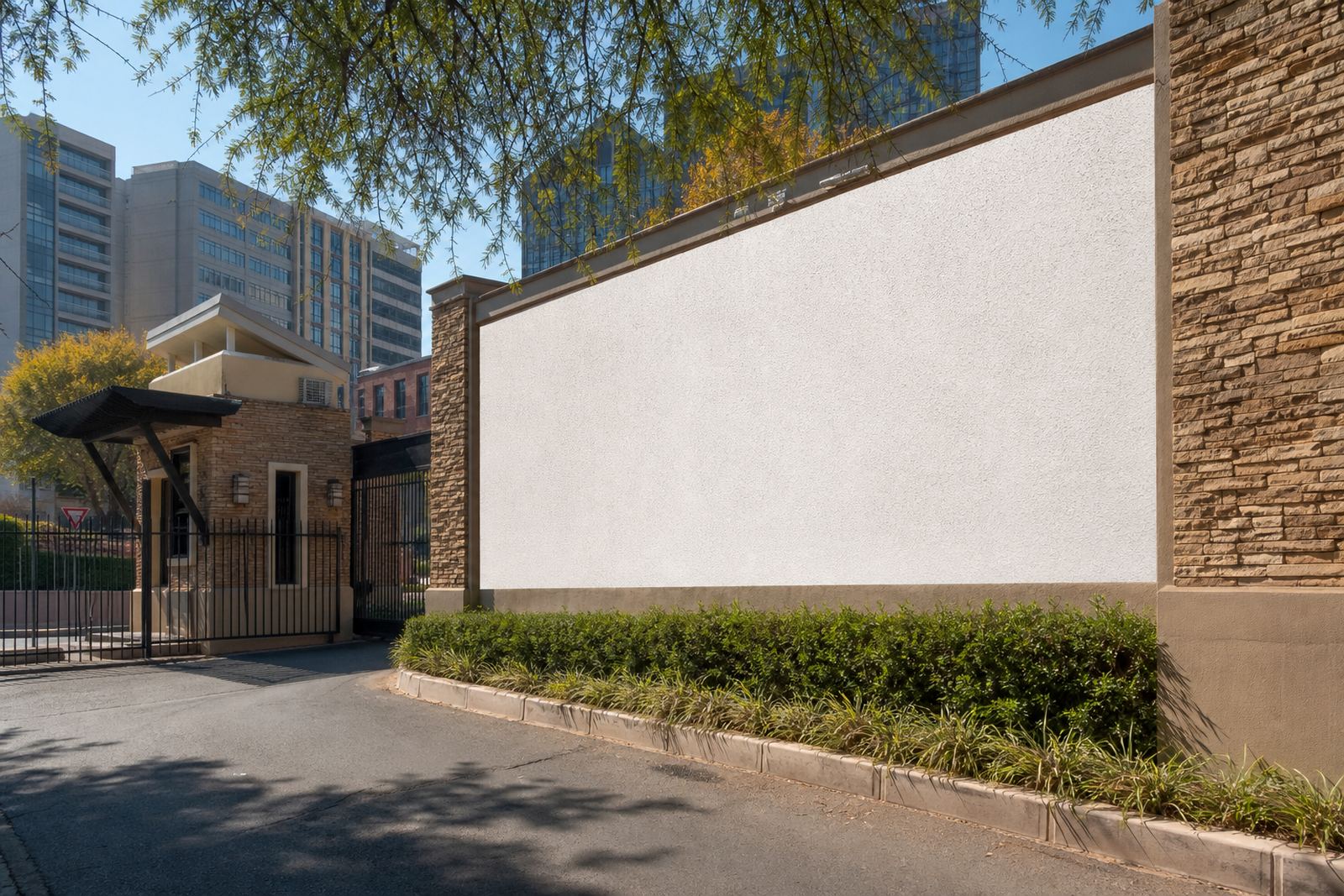
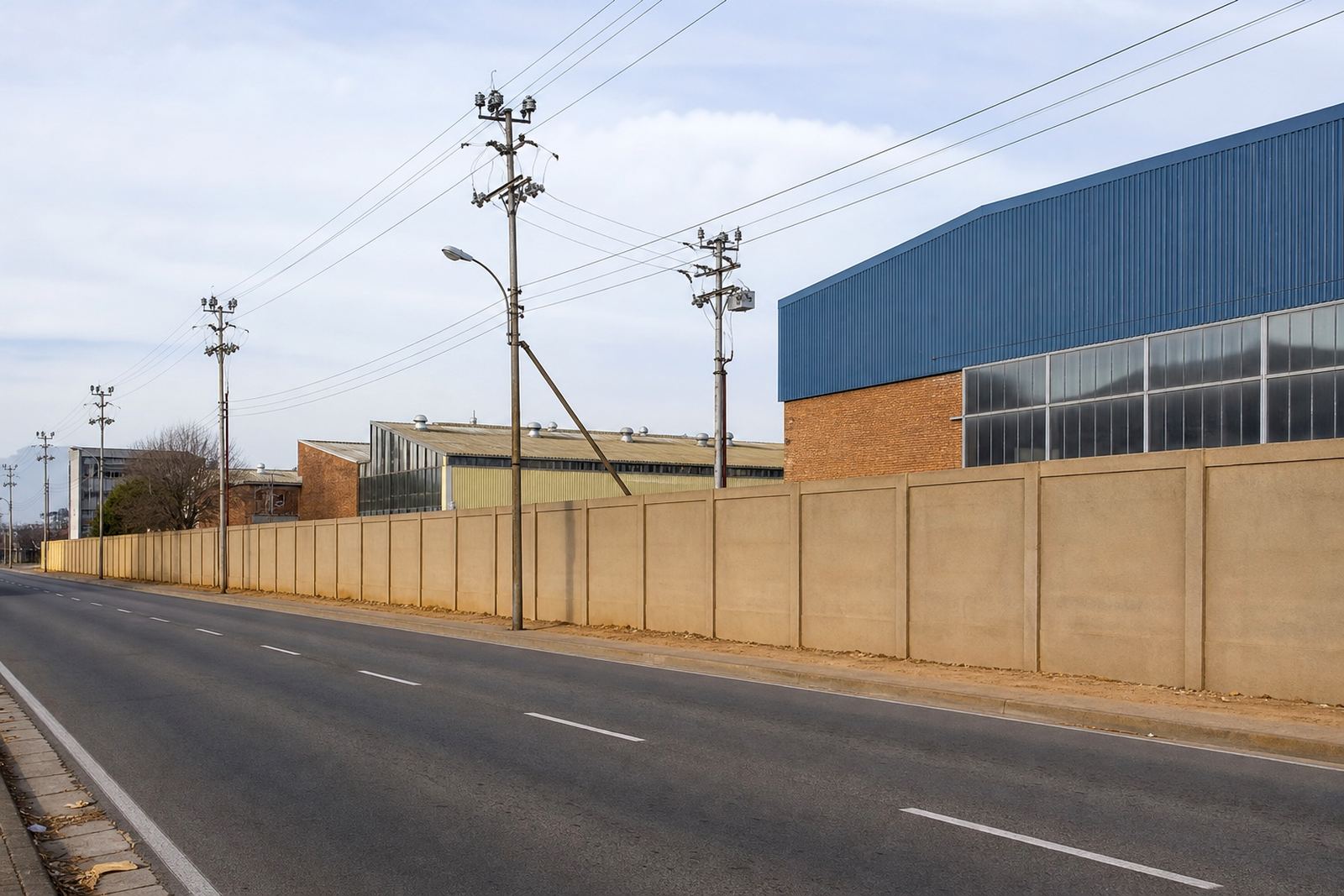
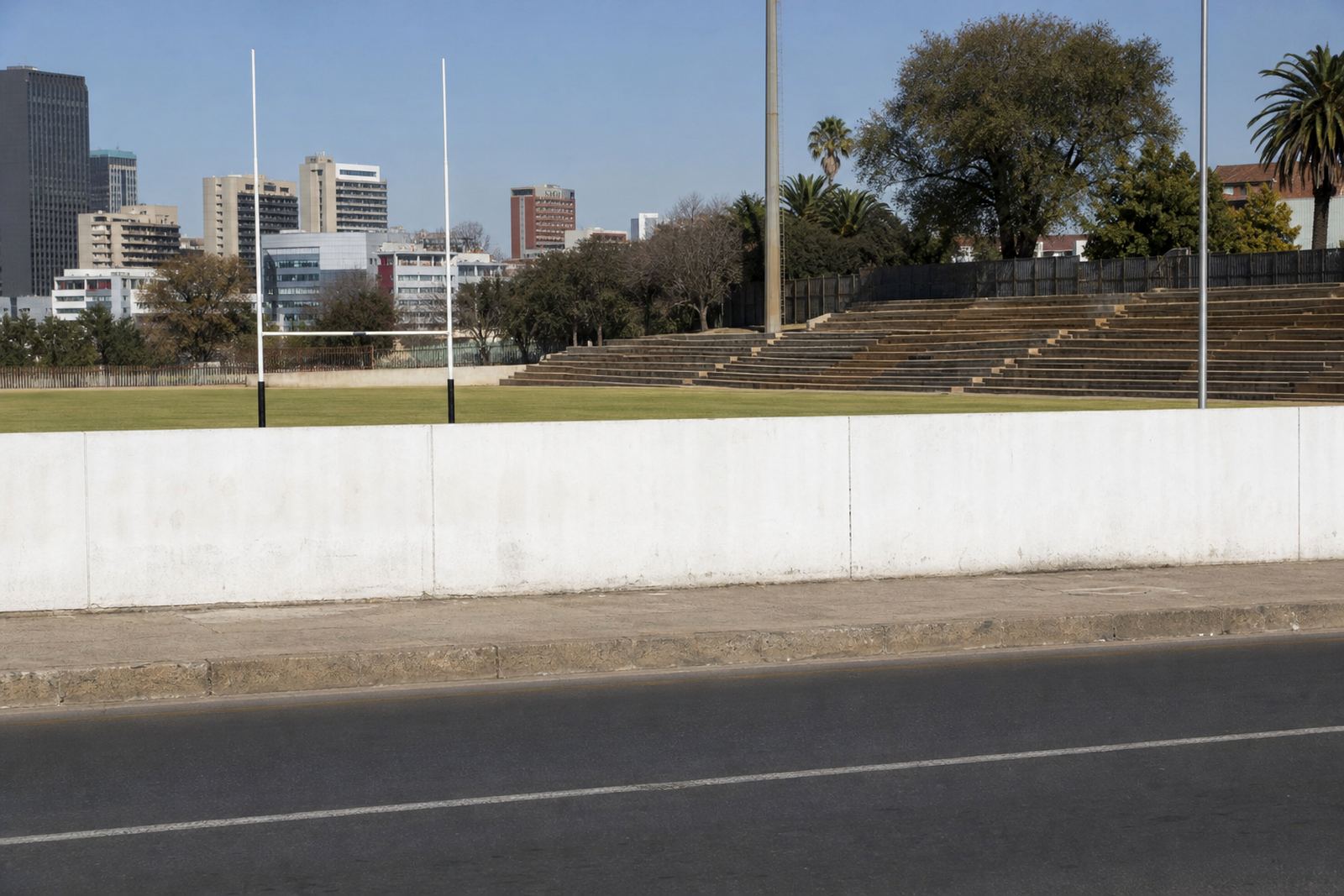
A Sports Ground Wall is a wall, boundary or perimeter surface used for outdoor advertising near a sports facility. It can be a plastered boundary wall, precast wall, brick wall or another flat surface that faces a road, walkway, entrance or open public area. In practical terms, this is the kind of space that works well where people come and go for training sessions, weekend matches, school fixtures and community events.
For advertisers, the appeal is simple. The site is fixed, visible and usually easier to read at a glance than a moving format. For property owners, it is a way to make use of an existing wall without changing the use of the property. Each listing should show the exact wall length, height, finish and viewing side so the advertiser knows what is available before booking.
- Suitable for painted vinyl, mesh or rigid panel applications, depending on the wall finish
- Can be used on street-facing or internal boundary walls
- Works best where the surface is dry, sound and free of loose plaster or cracks
- Needs written consent from the property owner before any booking is confirmed
Typical sizes and format options
Sports Ground Walls come in different sizes, and the exact dimensions matter because artwork must fit the wall properly. Common practical options include short boundary sections, longer perimeter runs and taller gable or end walls. A narrow wall may suit a simple message and logo, while a larger face can carry more detail. Where the surface is uneven or stepped, the usable area is often smaller than the total wall length.
When a listing is prepared, it helps to measure the wall in metres from end to end and top to bottom. If there are gates, pillars, rails, lights, drainpipes or scoreboards, these must be noted as part of the usable area. That avoids awkward artwork cuts and extra site work later.
- Short walls: useful for small campaigns and directional visibility
- Medium walls: good for steady exposure at entrances and side boundaries
- Large walls: suited to wider graphics and repeated viewing from nearby roads or fields
- Hoarding style panels: useful where a smoother face is needed over an older wall
Where this format suits best
This format suits sports facilities in Braamfontein, Johannesburg, Sandton, Midrand, Pretoria, Cape Town, Durban and Bloemfontein, as well as towns and suburbs across South Africa where a wall sits close to the public flow. It works well near football fields, netball courts, cricket ovals, rugby grounds, school sports areas and community recreation spaces. The key is not just the sport itself but the position of the wall in relation to the route people use most.
It can suit local businesses that want practical area exposure, as well as larger advertisers that need a steady, repeated presence in one location. It is also a useful option for campaigns that need to stay in one place for a season or longer, especially where the property owner wants a clean, orderly finish that does not interfere with the facility's day to day use.
- School sports grounds with regular weekday and weekend use
- Clubs and recreation centres with consistent foot traffic
- Boundary walls facing access roads, parking areas or pedestrian entries
- Facilities where the wall can stay visible during matches, practice sessions and events
Installation, power and gas considerations
Most Sports Ground Wall advertising does not need power or gas, because the format is usually a static wall face or panel application. If the space includes any lighting, digital add-ons or other powered elements, then those needs must be agreed in writing and checked against site supply, metre access and safety requirements. On outdoor sites, load-shedding and power availability can affect any illuminated extras, so it is better to confirm that upfront.
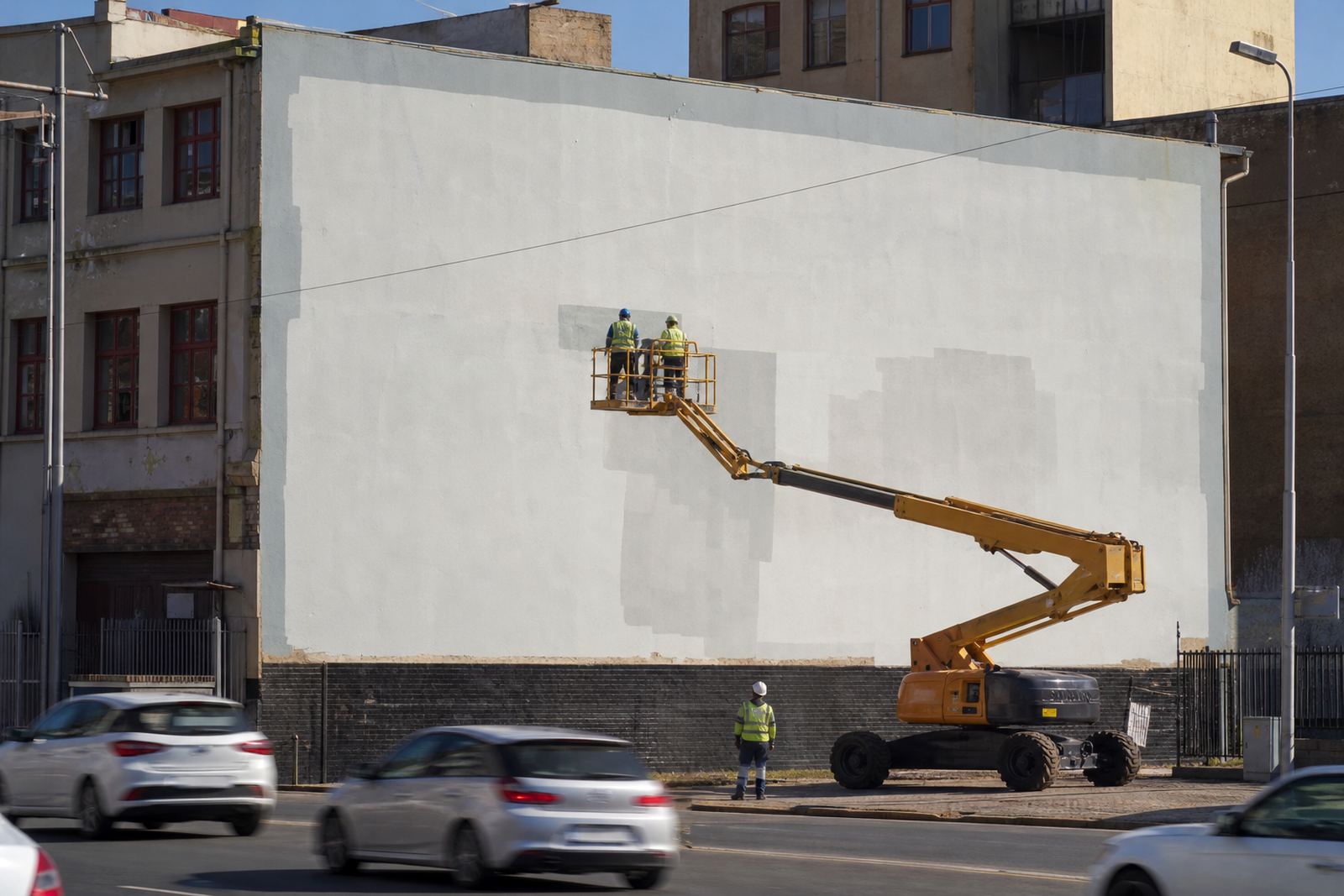
Installation depends on the wall condition. A sound wall may only need surface preparation, cleaning and fixing points, while a rough or damaged wall may need patching before artwork goes up. In coastal areas like Cape Town or Durban, moisture and salt air can affect fixings and finishes, so materials should be suitable for that environment. For schools, clubs and municipal sites, access times may also be controlled around training, matches and public use.
- Check whether drilling or adhesive fixing is permitted on the wall
- Confirm if scaffolding, ladders or a cherry picker will be needed
- Allow for safe access to the site during installation and removal
- Verify whether any lighting, timers or power points are part of the brief
Care, servicing and keeping the wall presentable
Wall spaces near sports grounds can collect dust, ball marks, weathering and general wear. If the surface is painted, the finish may need touch-ups from time to time. If a vinyl or panel application is used, edges should be checked after heavy wind or rain. On exposed sites, especially where the wall faces open ground, maintenance keeps the space looking orderly and helps avoid premature replacement.
Property owners should also consider routine inspection after storms or strong summer winds. In Johannesburg and Pretoria, dust and seasonal rain can leave marks on lighter finishes. In coastal towns, humidity can affect adhesives and metal fittings, so a more regular servicing plan is useful. A good listing should state who is responsible for cleaning, minor repairs and any removal at the end of the booking.
- Wipe down the face where the wall gathers dust or splash marks
- Check fixings after heavy weather or long holiday periods
- Repair cracks, flaking paint or loose plaster before relisting
- Keep access clear so servicing can happen without disrupting the facility
What to check before you place an order
Before booking a Sports Ground Wall, check the ownership, the exact wall measurements and whether the surface is actually suitable for outdoor advertising. The property owner must consent, and local municipal bylaw approval may also be required depending on the site and type of signage. It is also wise to confirm whether the wall is visible from public space or only from within the property, because that affects the site description and the approval process.
You should also check the artwork requirements early. Some walls work best with a single strong message, while others can carry a fuller design. The finish, access route and installation method all influence the final result. If the wall is close to sport equipment, seating or entrances, make sure the ad placement will not interfere with movement or safety. That matters even more on busy days when there are tournaments or school events.
- Exact wall length, height and any obstructions such as pipes, gates or lights
- Surface type, condition and whether repair work is needed first
- Consent from the property owner and any bylaw process required
- Artwork size, file format and installation timing
How RentThisWall handles listings and bookings
RentThisWall connects property owners and advertisers through one marketplace for billboard and wall space advertising across South Africa. Our team supports Space Listing Setup, Site Photo Curation, Listing Copywriting, Availability Management, Brief Matching, Booking Coordination, Consent Check Guidance, Bylaw Process Support, Artwork Spec Check, Installation Scheduling, Campaign Monitoring and Listing Renewal Support. That means a Sports Ground Wall can be prepared properly before it is booked, with the right details in place from the start.
In Braamfontein and other service areas, the focus is on practical local handling. The listing must show what is available, what is permitted and what the advertiser can expect on site. Where a wall needs extra coordination with the property owner or local authority, the process is kept clear and documented. For enquiries, clients use the form on the contact page and our team follows up from there.
- Clear listing details for wall size, location and access
- Checks for consent and municipality-related steps where needed
- Support for booking timing, installation planning and renewal
- Local coverage in Johannesburg, Pretoria, Cape Town, Durban and Bloemfontein
Key facts
| Format | Outdoor wall or boundary advertising near a sports facility |
|---|---|
| Typical use | Static branding, campaign messaging or local area exposure |
| Surface types | Brick, plaster, painted wall, precast boundary wall or panelled face |
| Size range | From short sections to long perimeter runs, measured in metres |
| Power or gas | Not usually required unless extra lighting or powered features are added |
| Consent | Property owner consent required, with local municipal bylaw approval where applicable |