What site photo curation covers
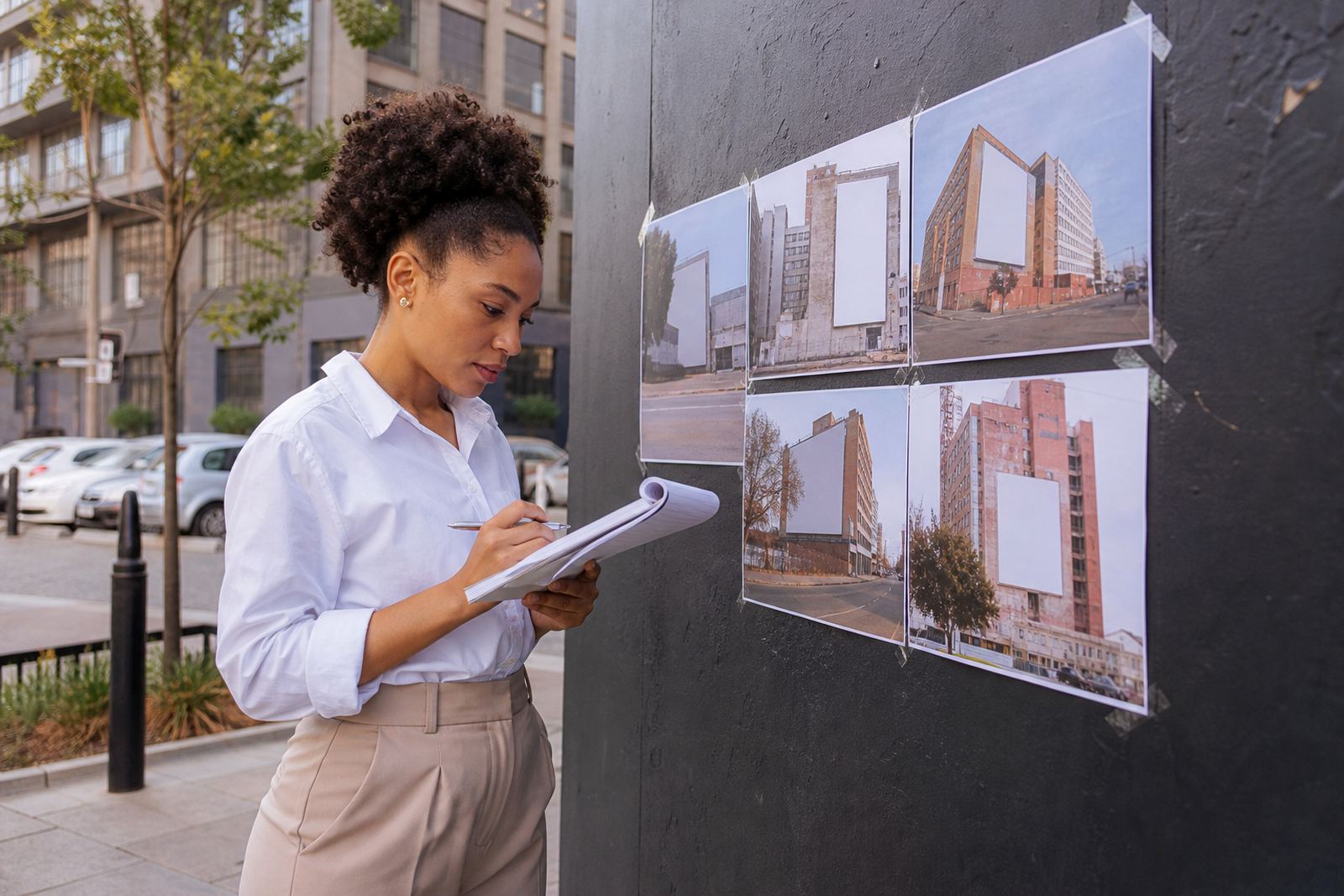
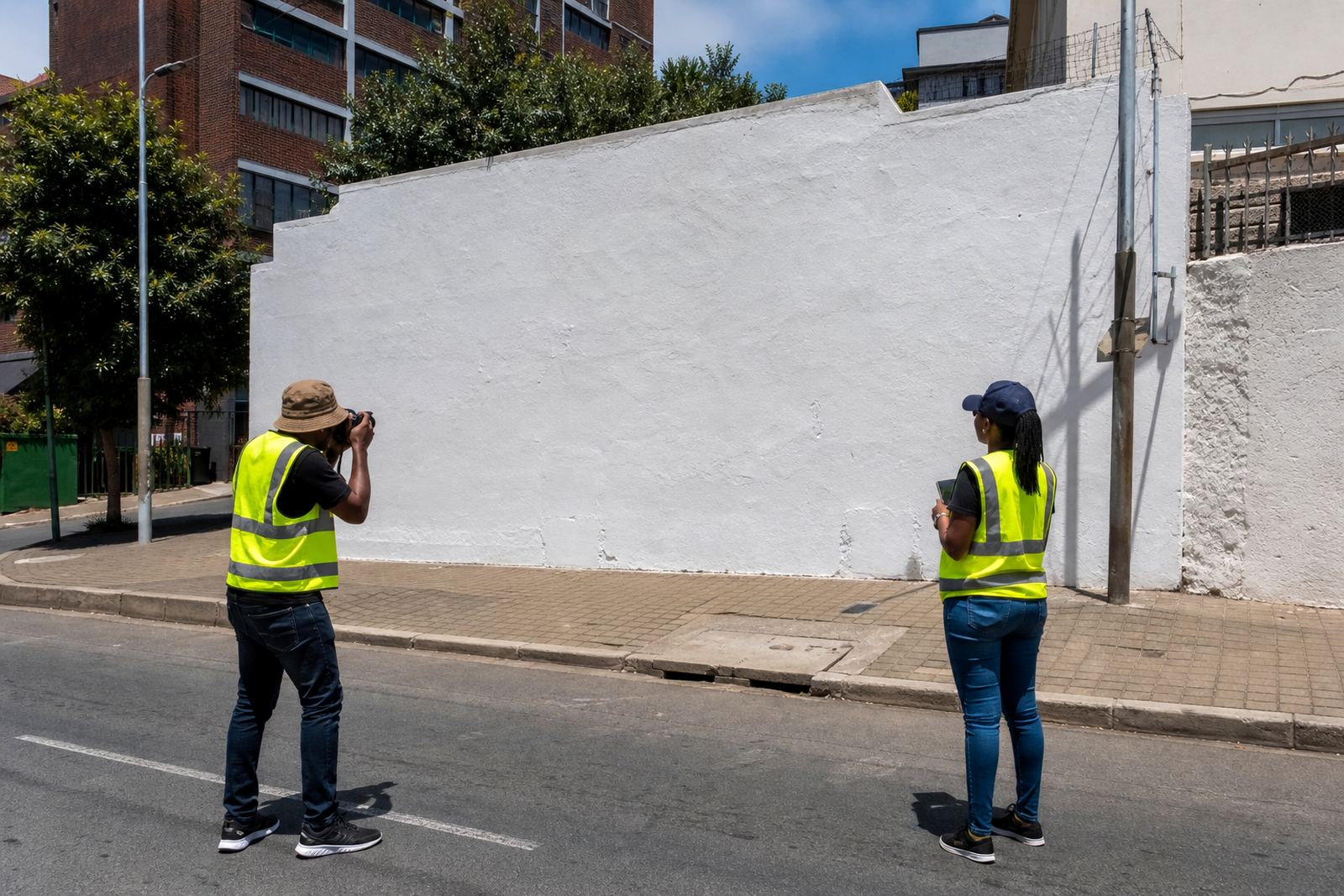
Site photo curation is the process of collecting and arranging practical photos that show an advertising space as it really is. For wall advertising and outdoor display sites, the images need to show more than just the blank surface. They should show the road approach, nearby landmarks, pedestrian flow points, the angle from which the sign is viewed and any obstructions such as trees, poles or overhead lines.
We also look for the details that matter to both sides of the marketplace. Property owners need their site shown fairly and clearly, while advertisers need enough context to assess visibility, access and suitability for their brief. Where possible, we include daytime shots, different angles and a close view of the actual mounting area. For sites in Johannesburg, Pretoria, Cape Town, Durban or Bloemfontein, local conditions can change the quality of a photo quickly, so timing matters.
- Front-on and angled photographs of the wall or billboard position
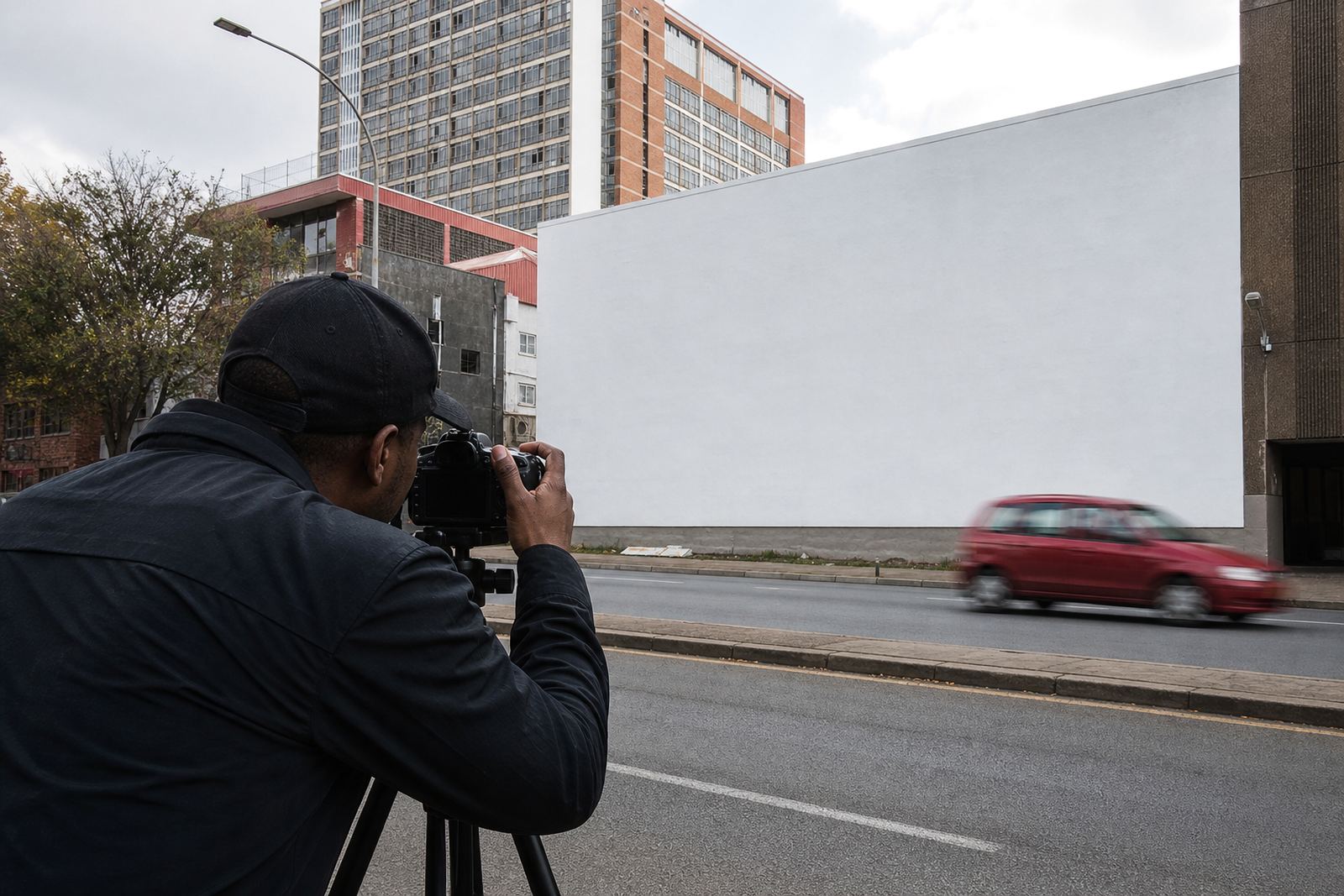
- Road view images that show approach direction and sightlines
- Context shots of the immediate surroundings
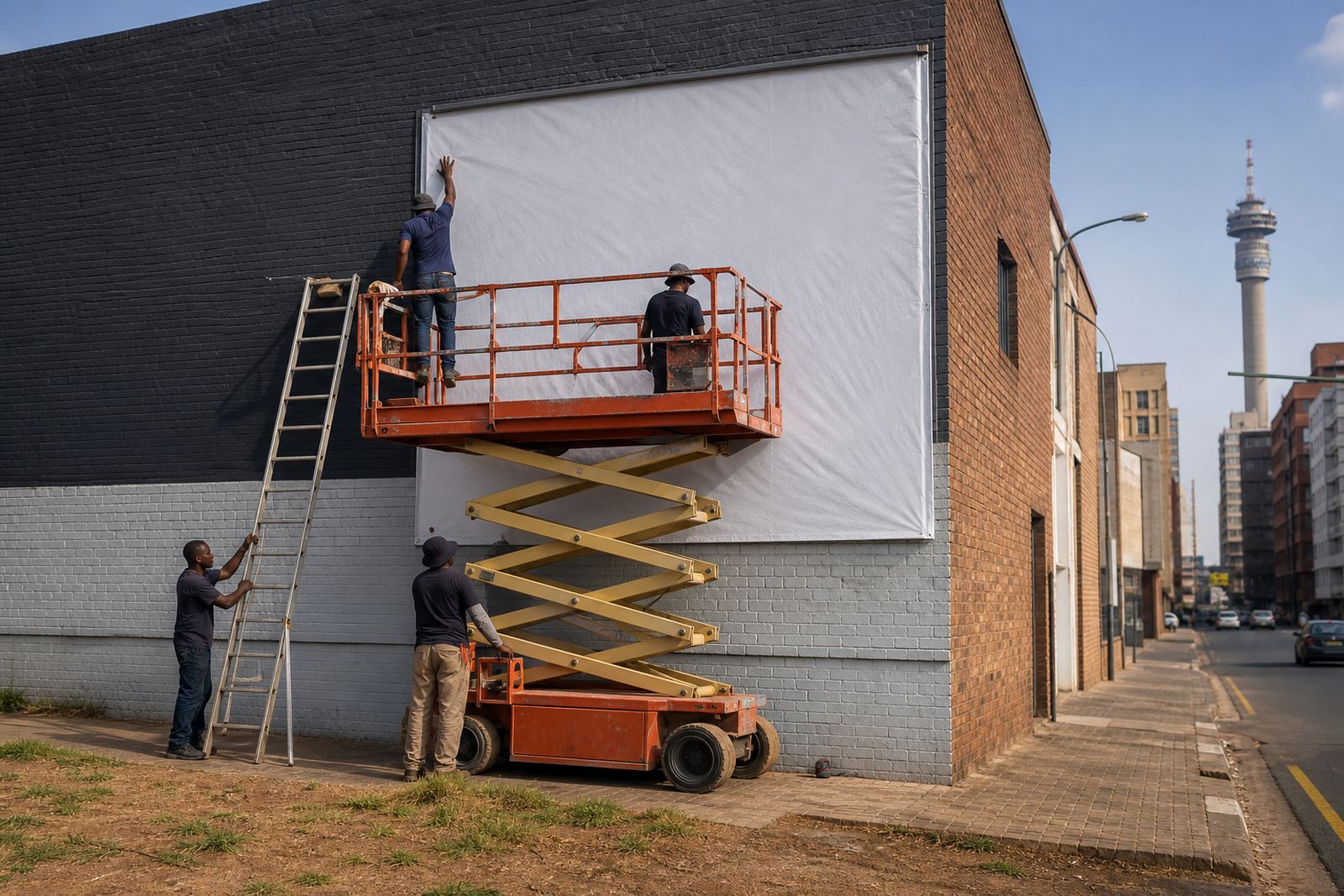
- Close-ups of mounting points, surface condition and access areas
- Notes for height, orientation and any visible limitations
Why better photos improve listing quality
When a listing has weak or incomplete photos, it takes longer for advertisers to understand the space. That often means extra back-and-forth, and in some cases a site may be overlooked even when it is well placed. Good photo curation helps reduce uncertainty by showing the basics upfront, including whether the surface is suitable for vinyl, painted signage or another outdoor format.
It also helps when a property owner is managing several spaces across different suburbs. A clean set of images makes it easier to compare sites in Braamfontein, Sandton, Midrand or other areas without relying on memory. For owners, this can save time during renewal discussions and reduce the number of repeated site visits. For advertisers, it gives a more honest picture of what they are booking, which is important when planning artwork size, installation method and access requirements.
- Reduces confusion about the exact placement and viewing angle
- Helps match the site to the right campaign brief
- Makes it easier to compare multiple locations side by side
- Supports clearer booking decisions before artwork is prepared
How we collect and organise the images
Our process starts with the site details already available on the listing. We then check what photos are needed to present the space properly and whether any extra images will help explain the location. In some cases, a single photo is not enough. A wall in a busy Johannesburg side street may need a full set of images to show traffic direction, while a coastal site in Durban may need clearer close-ups to show how salt air has affected the surface.
We arrange the images so they tell the right story. That includes naming or grouping photos by angle, setting and access point, then adding useful notes where needed. If the site requires consent from the property owner or another controlling party, that is confirmed before any public listing use. We also keep in mind that local municipal bylaw approval may be required for signage, so the photo set should support the process rather than confuse it.
- Review the site brief and current listing information
- Identify the key views needed for decision-making
- Collect images that show the space, the road and the surroundings
- Sort and label the photos for easy listing use
- Flag visible issues that may affect installation or approval
Photo specs that help advertisers assess a site
A strong image set should be practical, not decorative. We look for clear daylight pictures where possible, with enough detail to judge scale and condition. If the site sits near a busy intersection, we want images that show the direction from which the sign is seen. If the wall is in a narrow street, the photo should show how close the viewer will be to the structure. Small details matter, especially when a campaign must fit a specific size or installation method.
The best set usually includes a mix of wide and close images. Wide shots show the full context, while close shots help with surface inspection and access planning. If the area is affected by load-shedding, poor lighting or early sunset, the photo plan may need to be adjusted so the images are still usable. In coastal areas, moisture and weather can also affect how a surface appears, so recent photos are always preferable.
- Wide shot of the full site and immediate surroundings
- Road-facing view from the likely viewer position
- Close-up of the surface and mounting area
- Access route or service entry if relevant
- Orientation notes, such as north-facing or side-on view
- Recent images where weathering or repainting may have changed the site
Turnaround times and review steps
Turnaround depends on where the site is, how easy it is to reach and whether existing images can be used. A site in central Braamfontein or Sandton may be quicker to document than a property that needs special access or after-hours entry. Once the photos are gathered, we review them for clarity, relevance and completeness before they are attached to the listing workflow.
After review, we can ask for missing angles or a fresh set if a photo does not show what advertisers need to see. This is especially useful when a site has changed, such as after repainting, repairs or new neighbouring signage. We keep the process practical so the listing can move forward without delays caused by unusable images or unclear angles.
- Initial review of the site brief and photo needs
- Collection or request of current site images
- Quality check for clarity, framing and usefulness
- Rework request if key details are missing
- Final image set prepared for listing use
Pricing approach and maintenance intervals
Our pricing approach is based on the amount of photo work needed, the number of sites involved and whether a location needs repeated updates. We do not treat every site the same because a single wall in Bloemfontein is not the same as a multi-angle listing with access notes, surroundings and repeated seasonal updates. The quote is shaped by the actual work required, not by guesswork.
Maintenance intervals are set according to the site itself. A clean, steady location may only need photo refreshes when something changes, while a street-facing wall near active construction or seasonal tree growth may need more regular updates. We usually recommend checking the images whenever there is a change to the surface, the neighbouring environment or the approval status. That way the listing stays accurate and advertisers are not working from outdated material.
- Quoted according to site count and image complexity
- Higher detail work for mixed-angle or hard-to-access sites
- Image refreshes when the wall, road view or surroundings change
- Periodic checks after weather, repairs or new installations nearby
Working with property owners and compliance in mind
Photo curation is not only about showing a site well, it is also about showing it correctly. We work with the understanding that signage on private property needs the owner’s consent, and that local municipal bylaw approval may be required before a sign can go up. The photo set should support those steps by showing the property boundary, the exact display position and anything that may matter during review.
For owners, this helps keep the listing accurate and professional. For advertisers, it reduces the risk of booking a site that is not ready or not properly approved. When photos are handled with that kind of care, the listing becomes easier to trust and easier to use, which is the real point of the service.
- Consent checked before any public use of the images
- Site position shown in relation to the property and street
- Useful for bylaw discussions and installation planning
- Supports cleaner communication between owner and advertiser
Key facts
| Service name | Site Photo Curation |
|---|---|
| Primary purpose | Collect and organise useful photos for billboard and wall-space listings |
| Coverage areas | Johannesburg, Pretoria, Cape Town, Durban and Bloemfontein |
| Useful photo types | Wide shots, road views, close-ups, access points and surrounding context |
| Compliance note | Property owner consent and local municipal bylaw approval may be required |
| Base | Braamfontein, Johannesburg |