How installation scheduling fits into a live booking
Installation scheduling is the step that turns an approved booking into an actual on-site start. It links the property owner, the advertiser, the installer and the booking calendar so everyone is working to the same date. On busy city routes and in mixed-use areas like Braamfontein, Sandton, Pretoria central, Cape Town CBD, Durban industrial zones and Bloemfontein corridors, timing has to account for site access, weather, contractor availability and the specific conditions of the wall or billboard face.
We first confirm the booking window, the access requirements for the property and any site-specific notes that affect the install. That can include after-hours access, lift or ladder access, loading space, security sign-in, and whether the surface needs extra prep before artwork goes up. In coastal areas, especially where humidity and salt air are part of daily conditions, we allow for extra care on fixings and material handling so the work is done properly.
What is included in installation scheduling
This service is about practical coordination, not guesswork. It covers the steps needed to get the job on site at the right time and with the right details. We keep the booking aligned with the property owner's availability and the advertiser's campaign dates, while checking that the install plan matches the site specification.
- Confirming the installation date and time window with the relevant parties
- Checking site access needs, entry points and any security procedures
- Aligning the booking dates with the campaign start and end dates
- Reviewing artwork size, fixing method and placement notes before install
- Coordinating with the owner on consent requirements and local bylaw steps
- Planning for load-shedding, weather delays or restricted access where needed
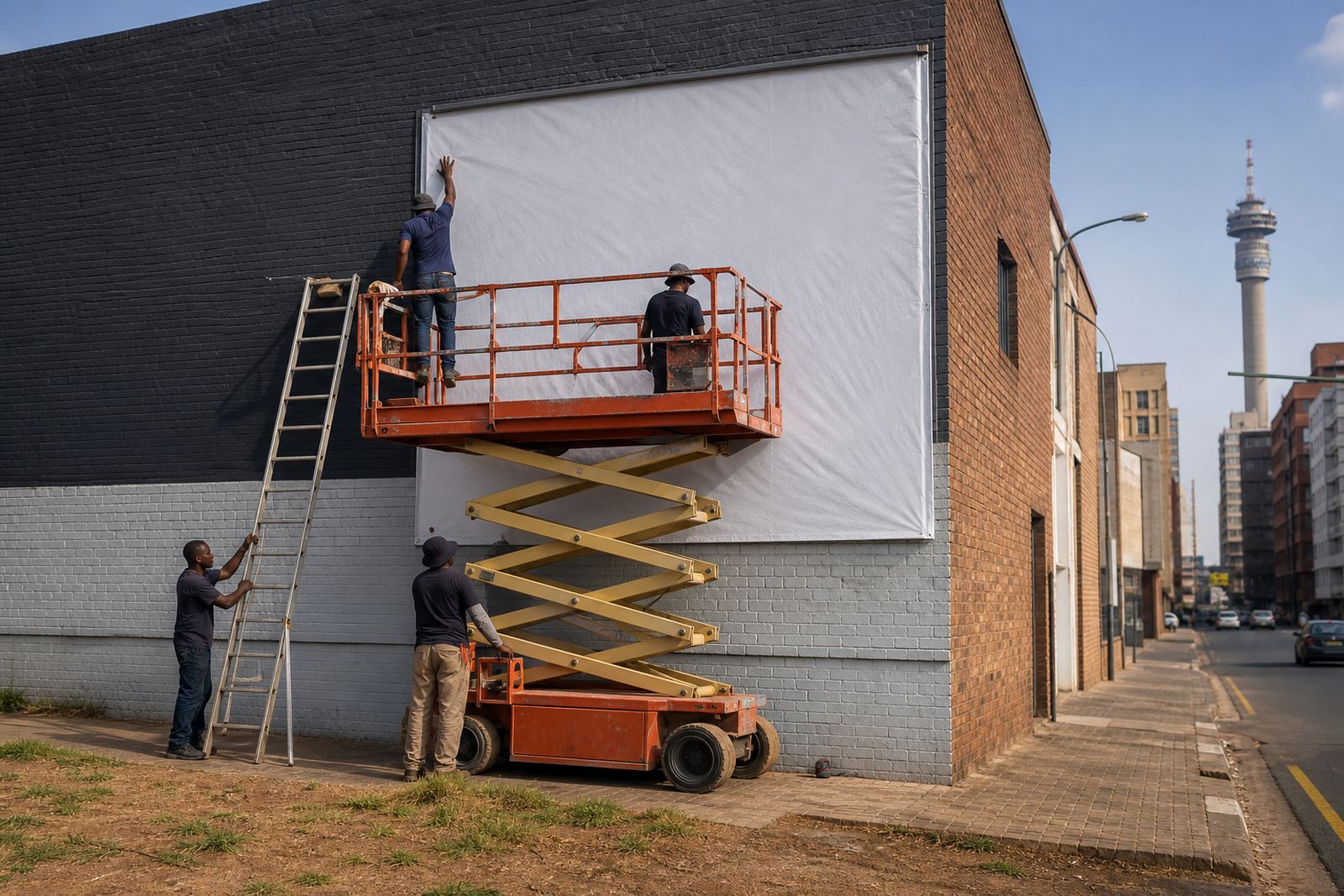
Where a site is close to traffic, schools, taxi ranks or municipal infrastructure, we may suggest an earlier morning slot or an off-peak window to keep the work safe and orderly. If the installation involves a high wall face, we also check whether the crew needs extra time for access, measuring or surface cleaning.
The scheduling process from booking to site handover
The process starts once the space is booked and the campaign details are confirmed. We then match the installation timing to the site conditions and the approved booking period. If anything on the site has changed, such as access hours or surface condition, we flag it early so there is time to adjust. That avoids last minute calls and keeps the campaign moving.
After the date is set, the site instructions are issued and the install team is briefed on what to expect. We keep track of the important items: access contact, load-in instructions, artwork readiness, and any municipal or property-owner conditions that must be met before work begins. If a consent form or bylaw approval is still in progress, we work around that sequence rather than forcing the install ahead of the paperwork.
- Booking confirmed and campaign dates locked in
- Site access details checked and installation slot reserved
- Artwork and fixings reviewed against the site spec
- Consent and bylaw items tracked to completion
- Install day coordinated, with updates if weather or access shifts
Specs we check before installation day
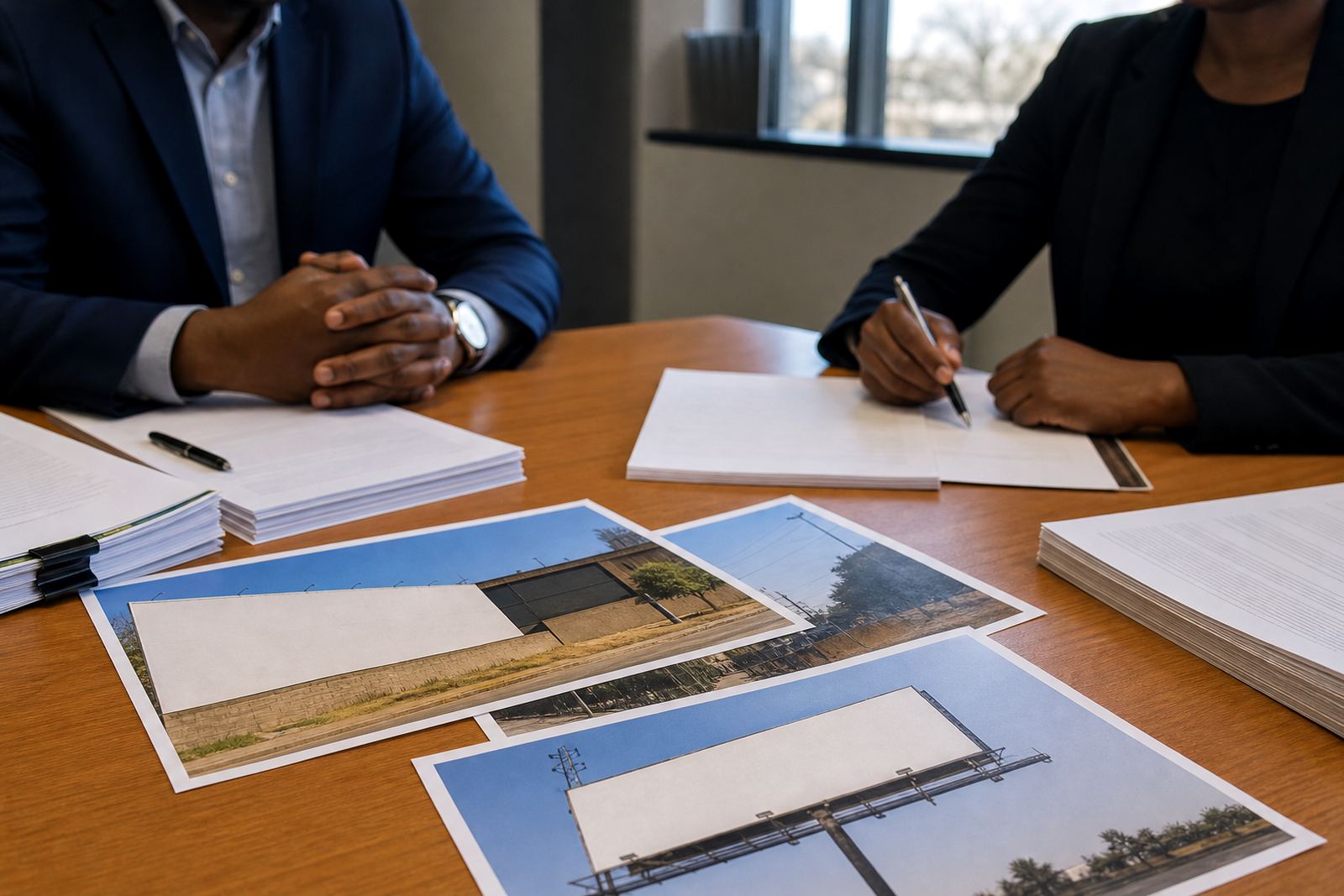
Every wall or billboard face needs its own practical check. A clean install depends on size, material, surface condition and the way the site is used day to day. Our team checks the specification sheet against the actual property, so the booking matches what can be installed safely and on time.
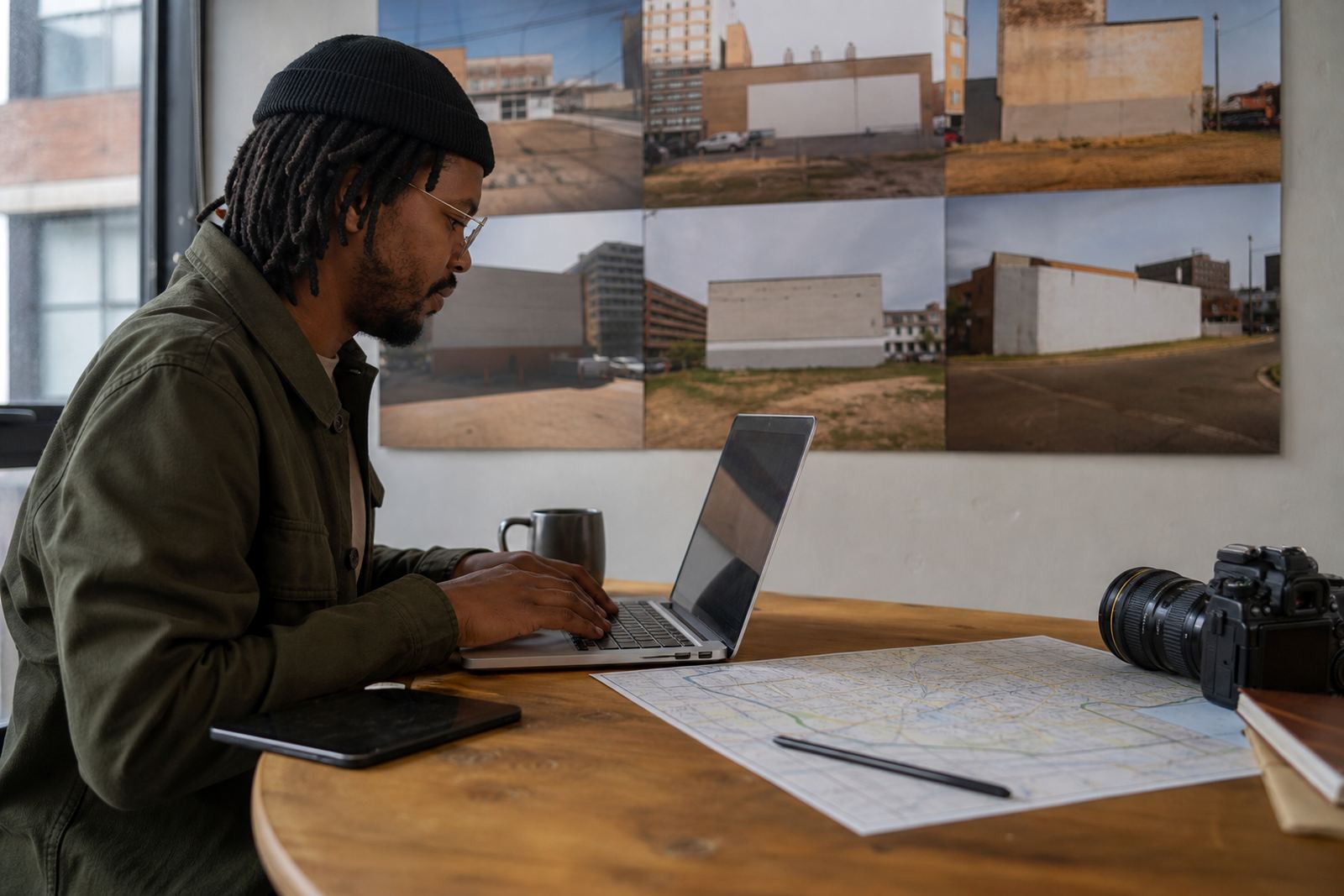
The most common checks include face dimensions, mounting points, viewing angle, height from ground level, surface condition and whether the site has any restrictions due to nearby structures. In Johannesburg and Pretoria, many sites have access rules tied to commercial buildings or residential estates. In Cape Town and Durban, wind exposure and coastal weather can affect timing. In Bloemfontein and inland sites, dust and heat can matter for prep and finishing. It is simple work, but it needs careful handling.
- Face size and usable advertising area
- Wall material or billboard structure condition
- Access height, access route and working space
- Fixing method and installation equipment needed
- Weather exposure, including wind and coastal humidity
- Power and lighting considerations where the site uses illuminated elements
Turnaround times and how we plan around delays
Turnaround depends on the site, the booking date and how quickly the access and approval items are finalised. A straightforward install on a ready site can be scheduled without much delay, while more complex locations may need extra coordination for access, lifts or surface prep. We build the timing around the actual site conditions, not a one-size-fits-all promise.
Where there is load-shedding or restricted operating hours, installation may need to happen in a specific window. If a building manager only allows access during certain hours, or the municipality has conditions linked to road reserve work, those limits are built into the plan. This keeps the team from arriving with the wrong timing and helps avoid repeat visits. The goal is to get the campaign up once and properly, not to chase a loose schedule.
We also plan for short notice changes. Rain, high winds, security lockdowns or an owner request can move the slot by a day or two. When that happens, we update the booking sequence and keep the advertiser informed so the campaign start stays realistic.
Pricing approach for installation scheduling
Pricing for installation scheduling is based on the work involved at the specific site. A simple, easy-access face with standard timing needs less coordination than a site that requires special entry, multiple visits or out-of-hours installation. We do not force a flat approach onto every booking because the access and compliance work is different from one property to the next.
Costs can vary depending on the location, the amount of coordination needed, whether there are additional checks for consent or bylaw steps, and whether the site requires rescheduling. Any practical extras are discussed before the booking is confirmed so there are no surprises later. For advertisers, that means the schedule is set with the real site demands in mind. For property owners, it means the work is planned around their rules and access requirements, with less back and forth.
Ongoing checks after the advert goes up
Once the installation is complete, we do not just close the file and move on. Many sites need a follow-up check after the first few days to make sure the face is holding correctly and that nothing has shifted after wind, rain or routine building activity. On exposed roadside sites, especially in coastal zones, a maintenance check can be sensible sooner rather than later.
Maintenance intervals depend on the property and the campaign length. For short campaigns, one post-install check may be enough. For longer bookings, we may suggest periodic checks at agreed intervals so issues can be picked up early. That can include looking at fixings, surface wear, lifting edges, fading from strong sun, or damage from site access work nearby. If the campaign needs a renewal or a rebook, the schedule can be carried forward with the same site notes and access details, which saves time on the next cycle.
Key facts
| Service type | Installation scheduling for billboard and wall advertising |
|---|---|
| Coverage | Johannesburg, Pretoria, Cape Town, Durban and Bloemfontein |
| Typical inputs | Booking dates, access hours, artwork specs, site conditions |
| Compliance note | Property owner consent and local municipal bylaw approval required |
| Timing factors | Weather, load-shedding, access rules and contractor availability |
| Follow-up | Post-install checks and agreed maintenance intervals |