When a seasonal campaign needs outdoor space
Seasonal activity usually starts with a clear date, then runs back from there. If you are promoting year end trading, winter stock, back to school, Easter travel, black Friday or a summer service push, outdoor space can carry the message near the moment people make a buying decision. In Johannesburg, Pretoria, Cape Town, Durban and Bloemfontein, the best placements are often the ones that fit the timing of the local calendar, not just the biggest board on offer.
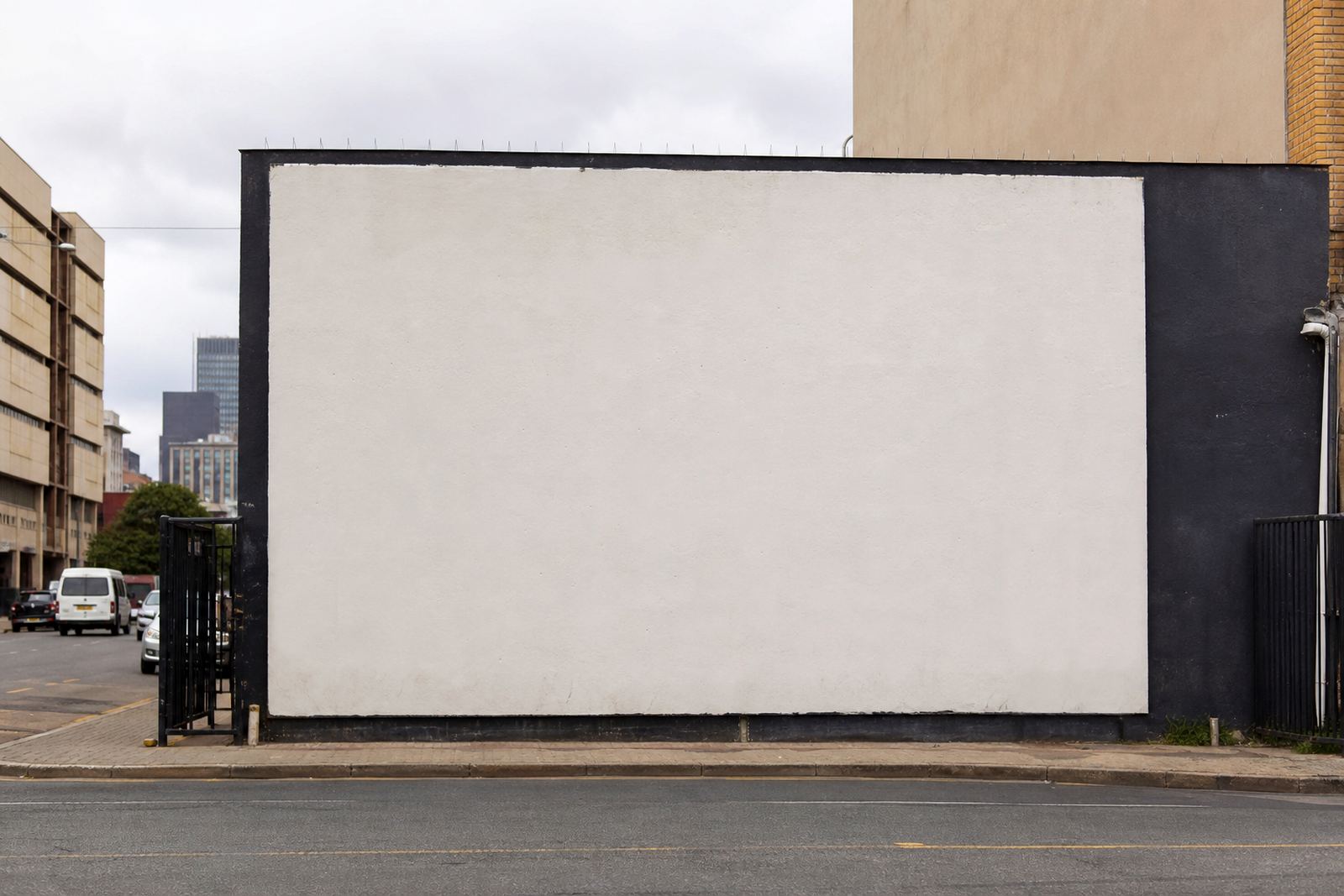
The client situation is usually simple. There is a fixed promotion period, a product range that changes by season, and a need to keep the message visible without changing it every week. Wall advertising and billboard space work well when the creative is short, the dates are firm, and the campaign can be planned around school terms, pay cycles, municipal event calendars and the realities of load-shedding. On some streets, evening visibility matters more than daytime footfall, so lighting and visibility should be checked early.
- Holiday trading periods that need advance notice
- Short promotions tied to stock arrival or clearance
- Weather-linked services such as cooling, roofing, insulation or outdoor gear
- Travel periods when route visibility matters
Typical placements for a seasonal brief
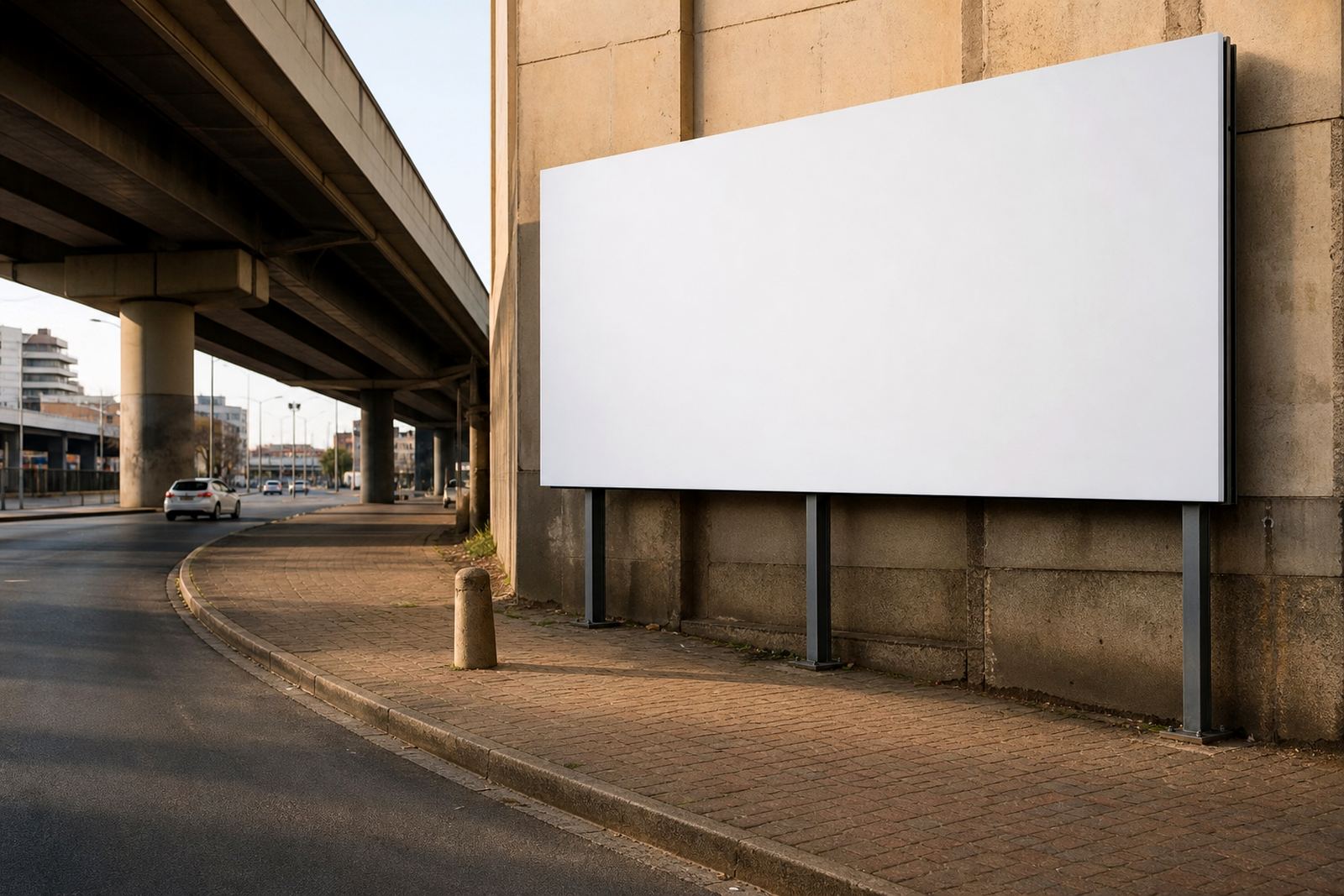
For seasonal work, the usual equipment set is straightforward: a roadside billboard, a wall banner on a visible property, or a building-facing display near a busy movement corridor. In Braamfontein, Sandton, Midrand and Pretoria central, advertisers often look for roadside visibility near offices, retail routes and commuter roads. In coastal areas such as Cape Town and Durban, the same brief may need materials that handle humidity and wind better, especially where the face is exposed to salt air.
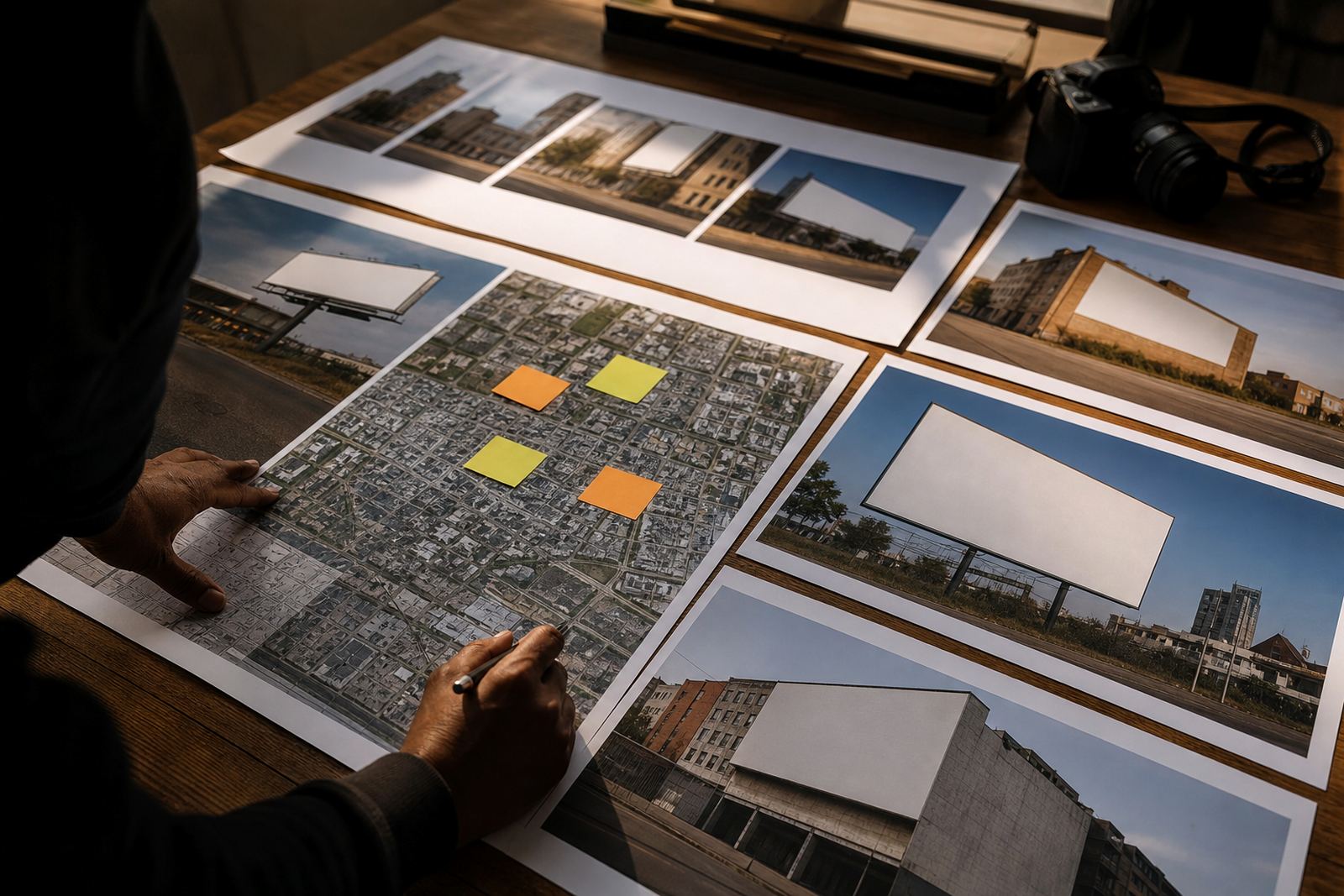
Some campaigns use one main placement with a clean message. Others use a small group of sites so the same offer appears in more than one area. If the campaign is tied to a specific branch, depot or event, a wall site close to that point can be more practical than a large-format board farther away. The aim is not to overspend on space that does not match the season, but to place the message where it makes sense for the buyer journey.
- Large-format boards for broad seasonal awareness
- Wall signage for neighbourhood or route level visibility
- Short-term panels for launches and limited offers
- Multi-site sets for city to city consistency
Planning the layout before the calendar fills up
A seasonal layout should be planned with the artwork deadline first, then the booking window, then the installation date. That order matters because property consent and local bylaw approval can take time, and some walls need extra checking before any fixed signage goes up. If the property owner has not signed off, or the municipal process is still pending, the whole campaign can slip past the useful window.
For seasonal campaigns, keep the message short enough to read at speed. One headline, one offer or call to action, and one clear brand mark is usually enough. If the site sits in an area with high evening use, think about how the artwork reads at dusk and after load-shedding. For coastal towns, ask about material choice and fixing methods so the face can hold in damp air and strong wind without curling at the edges.
- Confirm the campaign dates before artwork is finalised
- Check the face size and viewing angle before designing
- Leave time for consent check guidance and bylaw process support
- Plan installation so it does not clash with public holidays or site access limits
Common mistakes that waste a seasonal budget
One common mistake is booking too late. Seasonal demand can rise fast and the best wall spaces are often taken before the promotion period begins. Another mistake is using artwork that tries to say too much. If the message is cluttered, people miss the actual offer and the spend gets diluted. The third issue is ignoring the site conditions. A face that works in a dry inland suburb may not behave the same way on a damp coastal building, and a site with poor access can slow the installation schedule.
Advertisers also sometimes forget that the owner’s consent and municipal approval are part of the job, not a box to tick later. A sign can look ready on paper yet still be delayed by a missing signature or a bylaw issue. For seasonal work, that delay can mean missing the exact trading period you wanted. It helps to have a clean brief, artwork sized correctly, and a realistic view of what can be done in the remaining time.
- Booking after the key trading window has already started
- Overcrowding the face with too many words
- Skipping the consent and bylaw steps
- Choosing a site without checking access for installation
Budget ranges that make sense for seasonal use
Seasonal budgets vary by format, location, duration and the work needed to get the site live. A simple local wall placement for a short run may suit a smaller spend, while a multi-site billboard campaign across Johannesburg, Cape Town or Durban will need a broader budget. As a working guide, many seasonal briefs start from around R8 000 to R25 000 for a single small to medium site and can move higher where the face is large, central, or needs extra logistics.
When planning cost, include more than the rental alone. There may be costs for site photo curation, listing copywriting, artwork checks, booking coordination, installation scheduling and campaign monitoring. If the message needs renewal for another season, it is worth setting aside funds for listing renewal support and any updated compliance checks. That way the next campaign can move faster, especially when a repeat seasonal window is close.
- Lower budgets suit one clear placement and a short run
- Mid-range budgets allow for stronger location choice and better scheduling
- Higher budgets are usually needed for multiple cities or premium faces
- Always allow room for compliance and installation related costs
How RentThisWall helps seasonal campaigns run on time
RentThisWall connects property owners with advertisers looking for billboard and wall space across South Africa, with coverage that includes Johannesburg, Pretoria, Cape Town, Durban and Bloemfontein. The team can help with space listing setup, availability management, brief matching and booking coordination, while keeping the focus on sites that fit the season and the message. For seasonal work, that means less time chasing options and more time preparing the creative and the launch plan.
The support also includes consent check guidance, bylaw process support, artwork spec checks, installation scheduling and campaign monitoring. That is especially useful when a seasonal brief needs to move quickly but still has to follow the proper steps. If you are planning a holiday push, a weather driven service offer or a retail period with a clear deadline, a well matched site and a clean process can save a lot of back and forth.
- Match the site to the campaign window
- Check ownership consent before booking
- Keep artwork simple and readable
- Use one point of contact for changes and renewals