
Why Tourism Messages Need Local Presence
Tourism campaigns are often asking people to act on impulse and plan at the same time, which is not easy. A destination, museum, lodge, township experience or coastal activity needs more than a pretty image, it needs visibility in the right part of the journey. That is why outdoor and wall advertising can work well for tourism promotion in Johannesburg, Pretoria, Cape Town, Durban and Bloemfontein, as well as busy nodes like Braamfontein, Sandton and Midrand.
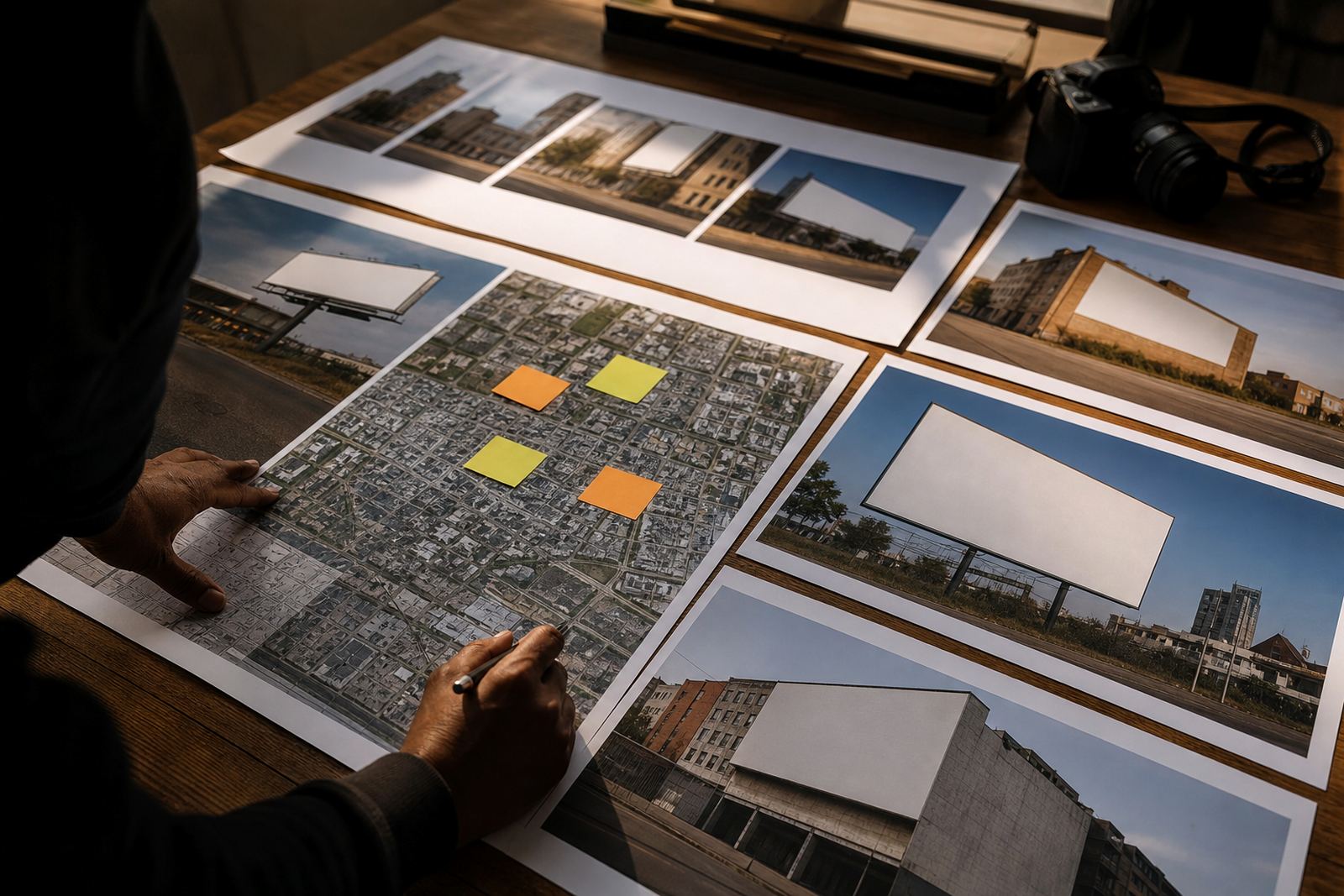
For a tourism advertiser, the key is to place the message where it supports trip planning, day-out decisions and last-minute bookings. In practice that means choosing sites near commuter routes, retail edges, hotel areas, event precincts and transport corridors. The aim is to keep the place name, visual identity and call to action in front of people for long enough that they remember it later, or act on it now.
Because this type of advertising sits on private property or on surfaces tied to a specific site, the property owner's consent matters. Local municipal bylaw approval also needs to be part of the process, and the paperwork can take time. It is better to plan that early rather than rush the layout and then find the sign cannot go up, or has to be changed after a compliance check.
Best Fit Sites For Tourism Campaigns
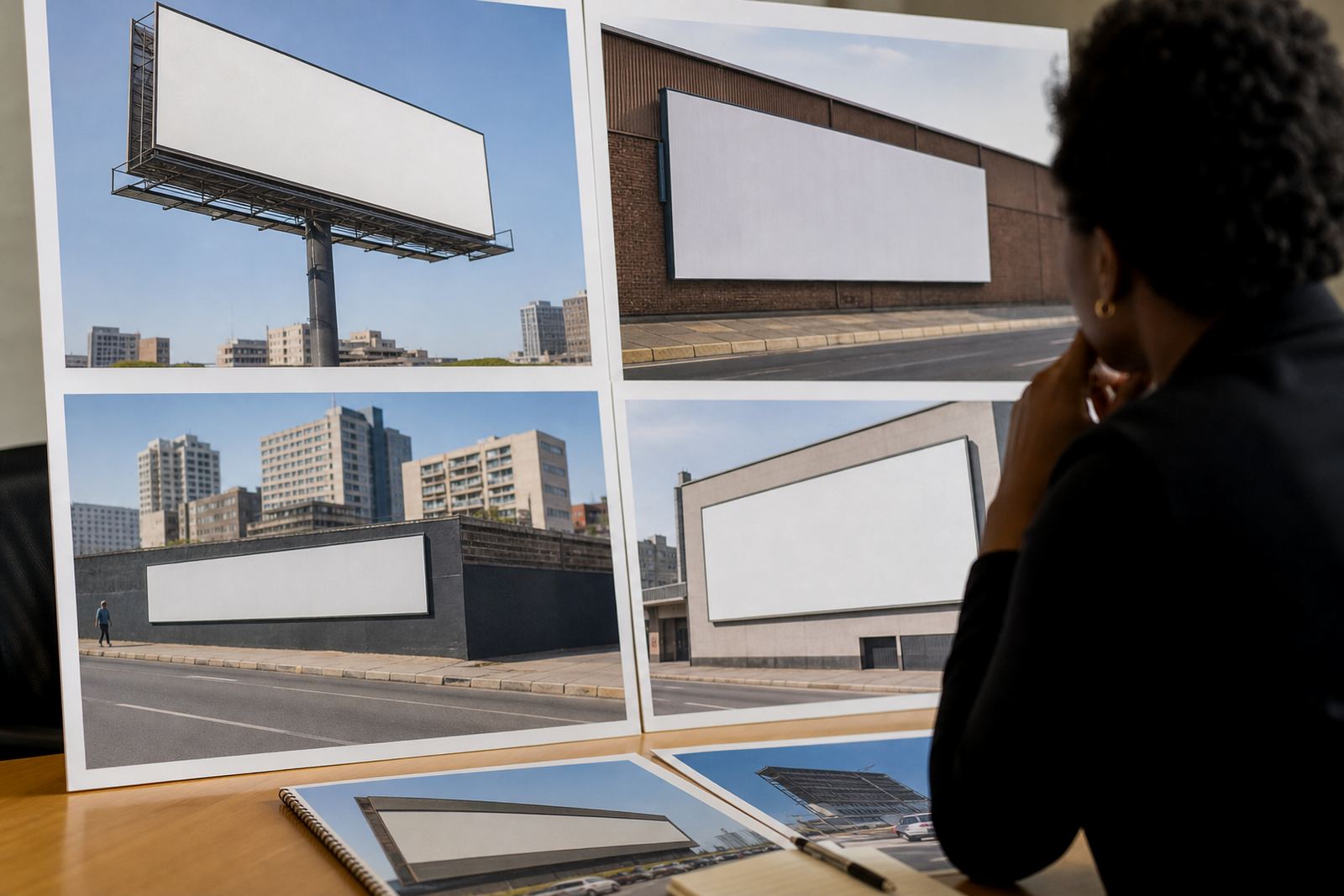
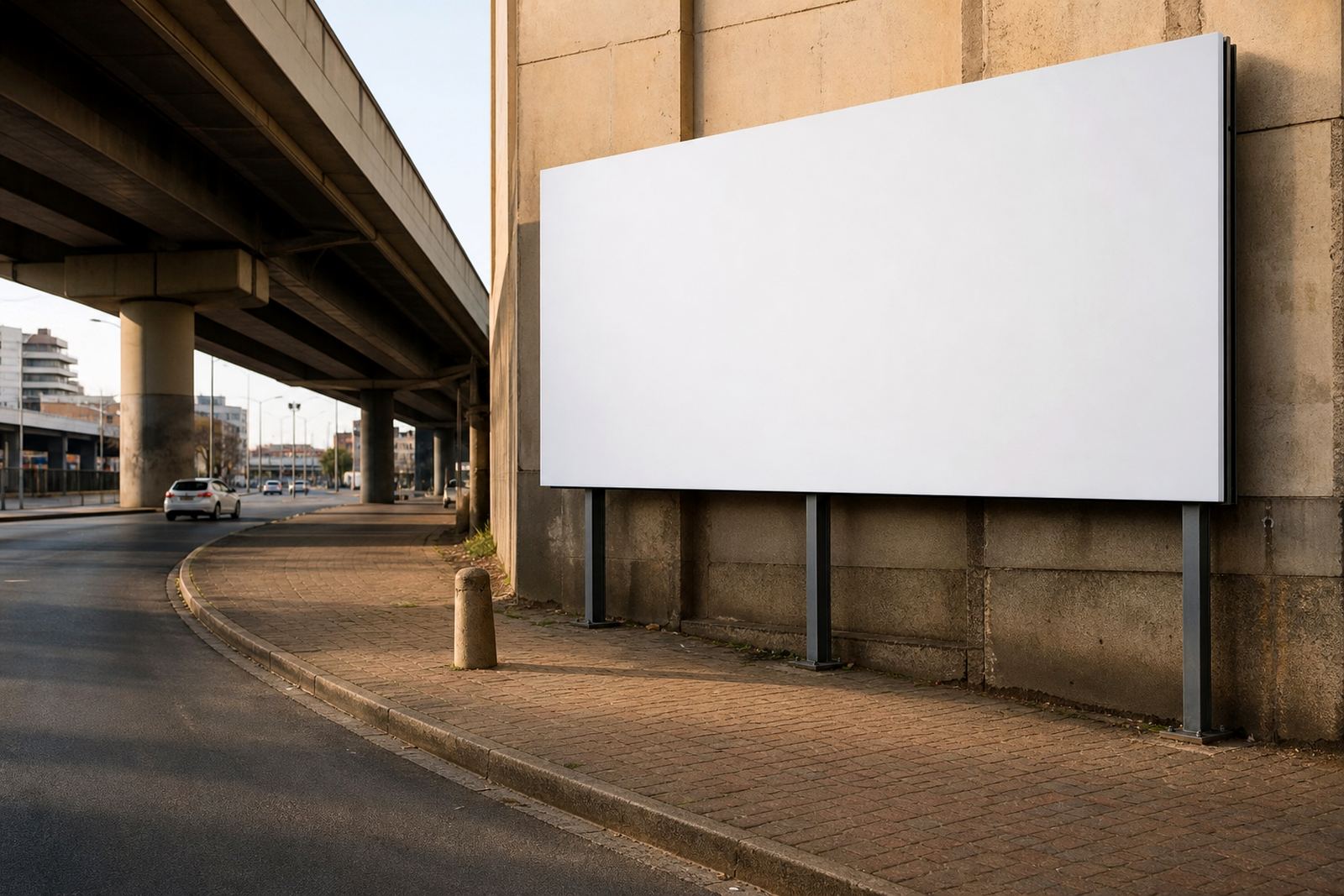
Tourism promotion usually performs best on larger outdoor faces or prominent wall spaces with clear sightlines. Depending on the budget and the route you want to cover, the right mix can include standard billboard formats, building wall wraps, super-graphic wall panels and smaller directional signs near access points. In some cases a single strong site is enough, while in others a group of linked placements works better for a regional campaign.
- High visibility wall space on buildings facing main roads or pedestrian movement
- Traditional billboard placements near key travel routes and urban approach roads
- Station, taxi rank or mixed-use edge sites where travel decisions are made
- Wall graphics near attractions, hotels, restaurants or event venues
- Short-term placements for festivals, school holidays and seasonal trade
For tourism, the layout should match the way people move through the area. A visitor may see the ad while driving, then again while walking or waiting. That repetition helps. If the destination is coastal, inland or in a heritage district, the surrounding context should fit the offer too, because a mismatched site can weaken the message rather than support it.
Planning Copy And Artwork For Outdoor Travel Messaging
Tourism advertising needs a very simple message. People should be able to read the place, understand the offer and know what to do next without stopping or studying the board. Long sentences, too many points and small text are common mistakes. A better approach is one main image, one clear message and one direct response line, such as booking, visiting or enquiring through the appropriate channel.
Artwork spec checks matter more than many advertisers expect. Wall space and large-format signage need the right dimensions, safe margins, good contrast and image resolution that holds up at distance. In coastal areas like Durban or Cape Town, weather exposure and salt air can affect finishes, so material choice and installation planning should be practical. In Johannesburg, load-shedding and maintenance access may affect working windows, lighting and the timing of installation, so those details need to be checked upfront.
- Keep the name of the destination visible and easy to say
- Use images that show the experience, not just the logo
- Leave enough space for a booking line, QR code or website path if allowed
- Check that the board is readable from the actual viewing distance
- Confirm the artwork still works in daylight, rain and low light
When the message is for domestic travel, the tone can be practical and inviting. When it is for a specific event or attraction, urgency can be used but should stay clear and calm. A cluttered board often looks busy, but it does not help tourism decisions.
Common Mistakes That Waste Outdoor Spend
One of the most common mistakes is choosing a site because it is available, not because it suits the traveller journey. Another is using too many words, which makes the ad harder to read and lowers recall. Tourism advertisers also sometimes forget to match the campaign timing to school holidays, public holidays, weekend trade or the actual season of the destination.
Another issue is skipping the consent and bylaw steps until the last minute. A wall may look perfect, but without the property owner's permission and the correct municipal process, the campaign can stall. That is particularly important where the site is near sensitive zoning, heritage rules or transport infrastructure. It is also wise to think about maintenance, because outdoor signs do not perform well if the face is damaged, faded or partly blocked by growth and nearby structures.
- Do not overpack the artwork with multiple offers and small print
- Do not rely on a single placement if the campaign has a wide area to cover
- Do not ignore weather, access or installation timing
- Do not assume a good-looking wall is automatically approved
- Do not forget to check renewal dates if the campaign must run longer than planned
In tourism, the wrong board can still look attractive but fail to move people. Better to have a smaller number of suitable placements than pay for space that does not support the trip, event or attraction.
Budget Ranges For Tourism Promotion In Rand
Tourism promotion budgets vary a lot depending on the format, the size of the face, the duration and the location. A short run on a smaller wall space may suit a local attraction or weekend experience, while a multi-site campaign across several cities will need more planning and a larger budget. As a general guide, many tourism advertisers start from around R15,000 to R40,000 for a modest local presence, while broader campaigns can move into the R50,000 to R150,000 range or higher depending on the sites selected.
The total spend should also allow for artwork preparation, installation coordination, possible renewal, and any compliance-related steps that come with the site. Some campaigns are better run in phases. That lets the advertiser test one area first, then extend into other towns if the message is working and the destination is getting interest. A phased approach is often useful for new attractions or seasonal travel offers, because it reduces pressure on the first placement and keeps the planning tidy.
If the campaign has to cover Johannesburg and another city at the same time, it can help to separate the budget by region rather than trying to spread it too thin. In the end, the best spend is the one that keeps the message visible long enough for people to remember it and act on it, not the one with the most artwork changes.
How RentThisWall Supports Tourism Campaigns
RentThisWall works as an online marketplace connecting property owners with advertisers who need billboard and wall space across South Africa. For tourism promotion, that means finding suitable sites, checking what is available and keeping the process practical from brief to booking. The team can help with space listing setup, site photo curation, listing copywriting, availability management, brief matching, booking coordination, consent check guidance, bylaw process support, artwork spec check, installation scheduling, campaign monitoring and listing renewal support.
Our Braamfontein, Johannesburg base supports campaigns across Johannesburg, Pretoria, Cape Town, Durban and Bloemfontein, with reach into areas such as Sandton and Midrand as well. The team includes Thabiso Mokoena, Anele Dlamini, Ruan van Wyk, Lerato Molefe, Musa Khumalo, Bianca Naidoo and Pieter Smit, each handling a practical part of the process so the campaign can move without confusion. Clients reach us through the enquiry form on our contact page, which keeps the first step simple and easy to track.
For tourism advertisers, the useful part is matching the right place to the right message. When the site, timing and compliance line up, outdoor advertising can support real travel interest without unnecessary fuss.