
Start with the space basics before you shortlist
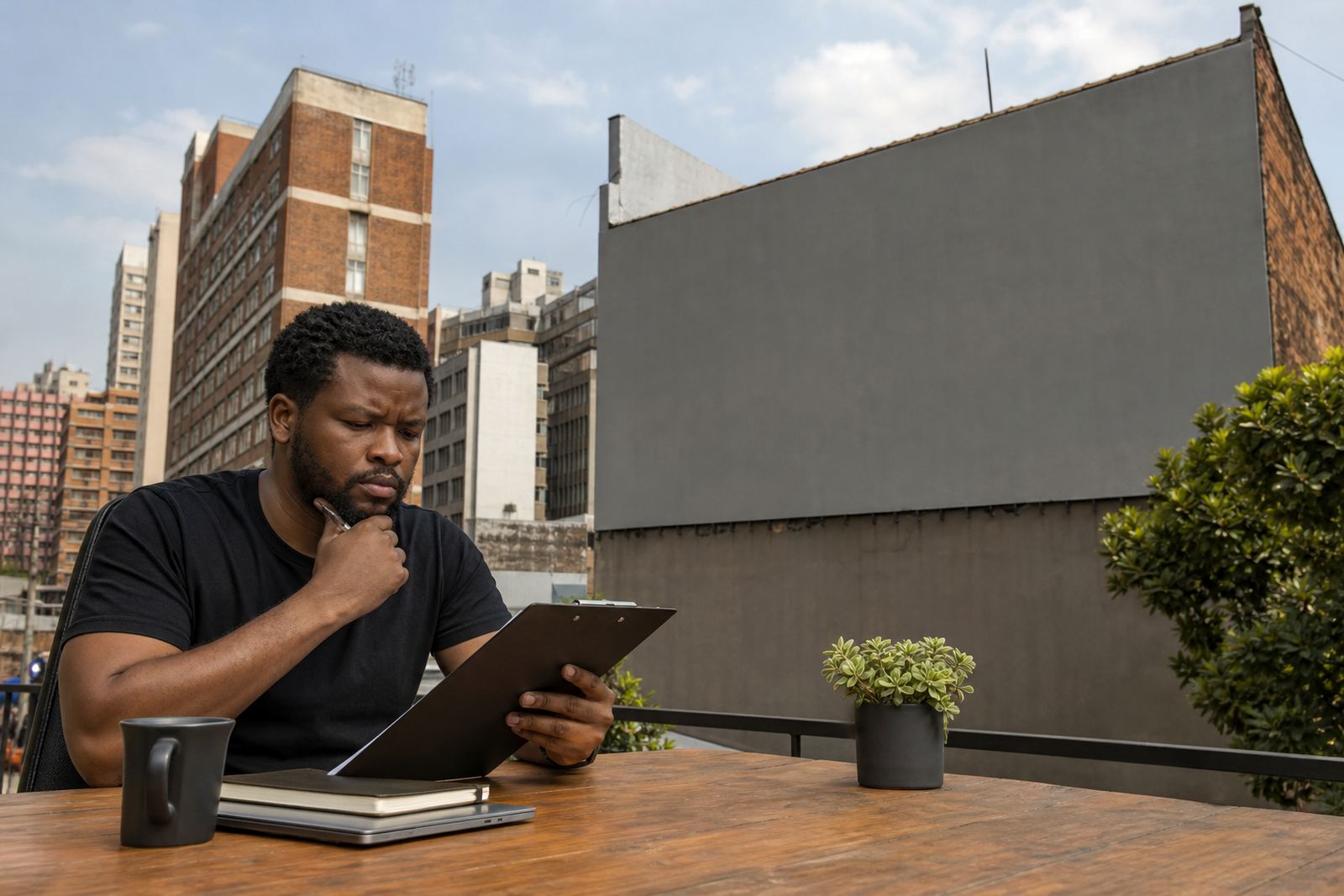
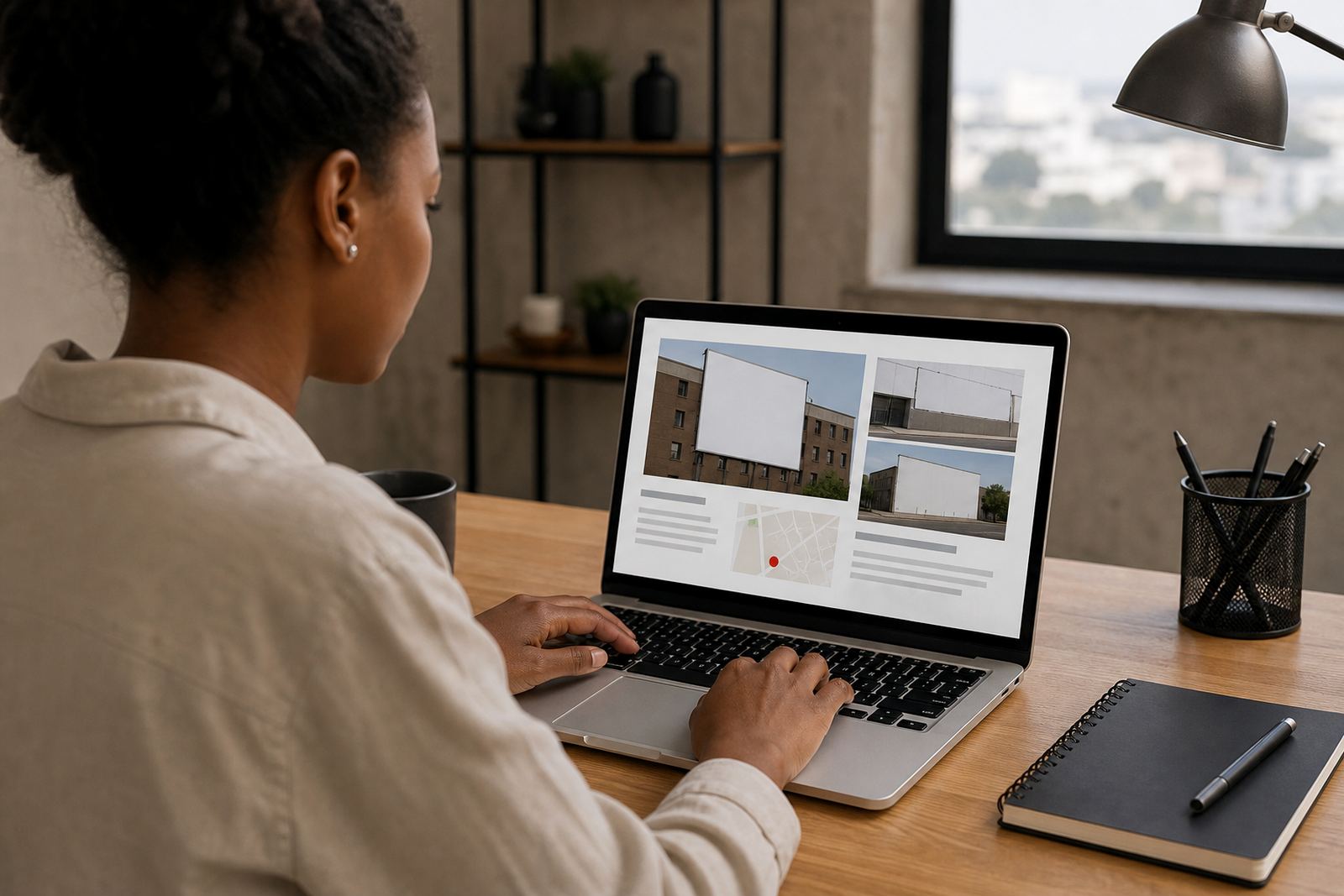
Open the listing and begin with the fundamentals. Check the suburb or city, the property type, the type of advertising surface, and whether it is a wall, freestanding sign, rooftop panel or other outdoor format. A clear listing should also explain if the space faces a road, a pedestrian route, a busy intersection or a retail frontage, because that changes how the unit works for your message.
Look at the dimensions carefully. You need the usable advertising area, not just the building size or the wall size. If the listing gives metre measurements, compare them with your artwork plan and any copy you want to use. In Braamfontein, Sandton, Pretoria, Cape Town, Durban and Bloemfontein, surface sizes can vary a lot from one property to the next, so never assume two similar looking spaces are the same.
It also helps to note the condition of the surface. A clean painted wall, an exposed brick finish or a panel mounted on a building may all need different preparation. In coastal areas like Durban and Cape Town, humidity and salt air can affect the finish over time, so the listing should tell you if there are any limits on materials or installation methods.
Check who owns the space and what approval is needed
Every listing should make it clear that the property owner must give consent before any advertising goes up. If that part is missing or vague, pause and ask for clarification. You are not just booking a visible wall, you are using someone elses property and the agreement needs to be in place before artwork is approved or installation is scheduled.
Also check whether the listing mentions local municipal bylaw approval. Different areas can have different rules for outdoor advertising, building-mounted signage and visibility from public roads. A proper listing should flag if a site is subject to extra checks, so you know what to expect before you commit to dates or production.
- Confirm the property owner has consented to the use of the space.
- Check whether municipal bylaw approval is required for that specific site.
- Ask if any consent documents or site details still need to be supplied.
- Make sure the listing states who handles the process and what support is included.
If you are planning a time-sensitive campaign, this matters even more. A space can look ideal on paper but still be delayed by missing consent or a bylaw query. It is better to know that upfront than to hold artwork, print costs or installation teams while paperwork catches up.
Read the booking window and availability notes closely
Availability is one of the most important details on a listing page. Check when the space is open, how long it is available for, and whether the booking is fixed or flexible. Some surfaces are available for short runs, while others are tied to longer placements or renewal periods. If the listing says availability is managed by request, make sure you know what that means for your timeline.
Look for any notes about overlaps, existing campaigns or handover dates. A space might be listed, but not ready for immediate installation. In busy areas like Johannesburg CBD, Midrand or parts of Pretoria, campaign timing can shift because a previous booking is still in place or a site inspection is needed before release.
- Check the start date and end date of the rental period.
- Look for notes on handover, access times or restricted days.
- Confirm whether the listing allows a renewal if you want to extend.
- Ask whether the space is currently open, reserved or pending approval.
For seasonal campaigns, event promotions or retail launches, the timing should match your print and installation schedule. If you need the ad to go up by a certain date, keep a close eye on any listing that mentions approval steps, access arrangements or production lead times.
Match the listing to your artwork and campaign brief
A strong listing should help you decide whether the space suits your message. Review the viewing angle, the distance from the road or walkway, and the shape of the surface. Some spaces work better for short messages and bold branding, while others allow longer copy or directional content. The listing should give enough detail to judge that fit before you start artwork.
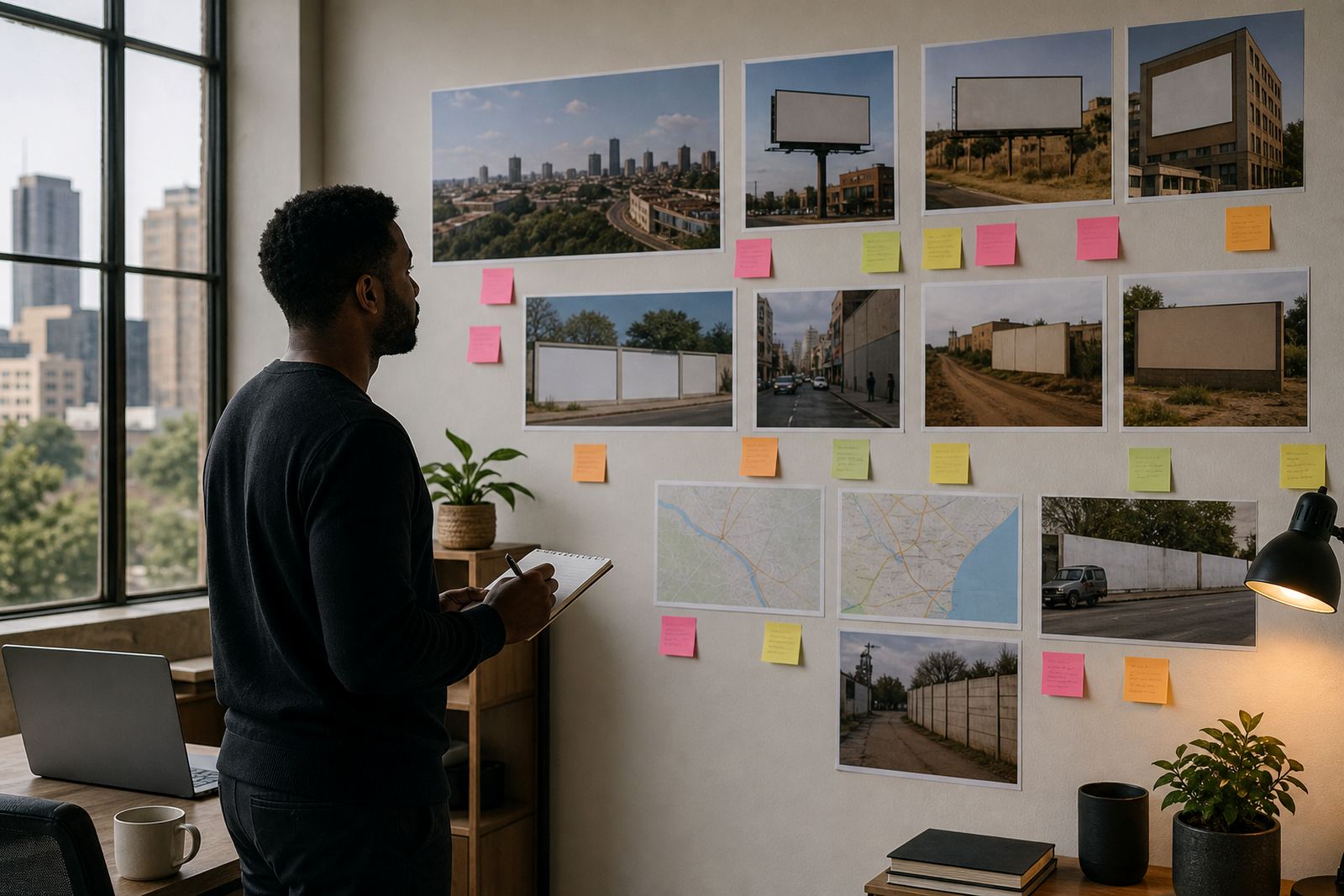
Check whether the page includes site photos and whether those photos show the space in daylight, at street level and from a realistic viewing position. A good photo set makes it easier to understand the wall, surrounding buildings and any objects that might block part of the view. If the site is in an area with overhead wires, trees, uneven paving or narrow streets, those details matter too.
Use the listing to match the site to your campaign goal. A property near a business district may suit professional services, while a wall near retail or transport routes may suit offers, launches or local awareness. The listing should help you judge this without guesswork, not leave you trying to fill in the gaps later.
Use the artwork and production notes as a checklist
Before you book, read the artwork spec notes carefully. The listing should say what file type or layout is needed, what size the artwork must be, and whether there are safe areas, bleed requirements or restrictions on fine detail. If the surface is large or irregular, the production notes may also mention how to handle joins, mounting points or background colours.
It is wise to compare the listing specs with your final artwork file before you send anything through. Small errors at this stage can mean delays, extra printing costs or a campaign that does not sit properly on the space. If the surface is exposed to strong sun, rain or load-shedding related lighting changes, ask whether the material choice or finish should be adjusted.
- Check the required artwork size in metres or millimetres.
- Review bleed, safe area and any edge restrictions.
- Confirm whether there are photo quality or file format rules.
- Ask if the site needs special material for wind, moisture or sunlight.
If the listing is clear, it should reduce back-and-forth later. You should be able to see what is expected and whether your creative team can meet it without last-minute changes.
Confirm logistics, access and installation planning
Installation details are practical, and they matter. The listing should show whether access is from street level, through a gate, via a rooftop path or by arrangement with the property manager. If the space sits in a high-traffic part of Braamfontein or Sandton, access can be tight and work may need to happen at set times. In industrial or mixed-use areas, loading access and safety requirements may also come into play.
Look for any mention of installation scheduling, maintenance or monitoring. If the service includes coordination, the listing or booking notes should explain who arranges the install, who confirms the site is ready and who checks the space once the campaign is live. That keeps everyone on the same page and helps avoid small delays becoming bigger ones.
Also check whether the listing includes guidance on viewing any existing fixtures, mounting points or access limits. If the wall sits in an older building or a property with shared access, these details can affect when and how the work gets done. A careful listing saves time and keeps the process orderly from booking to handover.
Use the listing as a final yes or no filter
When you finish reading a listing, you should be able to answer a simple question: does this space fit the campaign, the timing and the approval process. If the answer is yes, you can move on with confidence. If anything is unclear, ask before you proceed. A good listing gives enough detail to support a practical decision, not just a quick glance.
At RentThisWall, the point of the listing page is to help property owners and advertisers work from the same facts. If you are checking one site in Johannesburg or comparing options across Pretoria, Cape Town, Durban and Bloemfontein, use the same checklist every time. That way, the space, the consent and the bylaw steps are all in line before booking starts.
When the details are complete, the next step becomes much easier: confirm the site, secure consent, sort the bylaw process, and line up the artwork and installation without surprises.