
What a Long-Term Wall Lease Covers
A long-term wall lease is an advertising arrangement for wall space that stays active for an extended period, often months rather than weeks. It is used for painted murals, printed flex face panels, vinyl graphics, mesh wraps and other wall-mounted advertising where the property and location suit ongoing brand visibility. In practice, it works best when the site owner wants a stable income stream and the advertiser needs a consistent presence in a well-chosen area.
On this type of booking, the wall remains part of the property and the advertiser is leasing the advertising rights for the agreed term. That means the space, access points, fixing method and care of the surface must be clear before anything is installed. For central business areas like Braamfontein, Sandton, Pretoria CBD, Cape Town, Durban and Bloemfontein, this usually means checking building access, pedestrian routes, sight lines and any body corporate or landlord rules before a listing is confirmed.
Signage on private property still needs the property owner’s consent, and local municipal bylaw approval may also be required depending on the site, size and format. That point should be handled before artwork goes to print or a crew is booked.
Sizes, Formats and Wall Types That Work Best
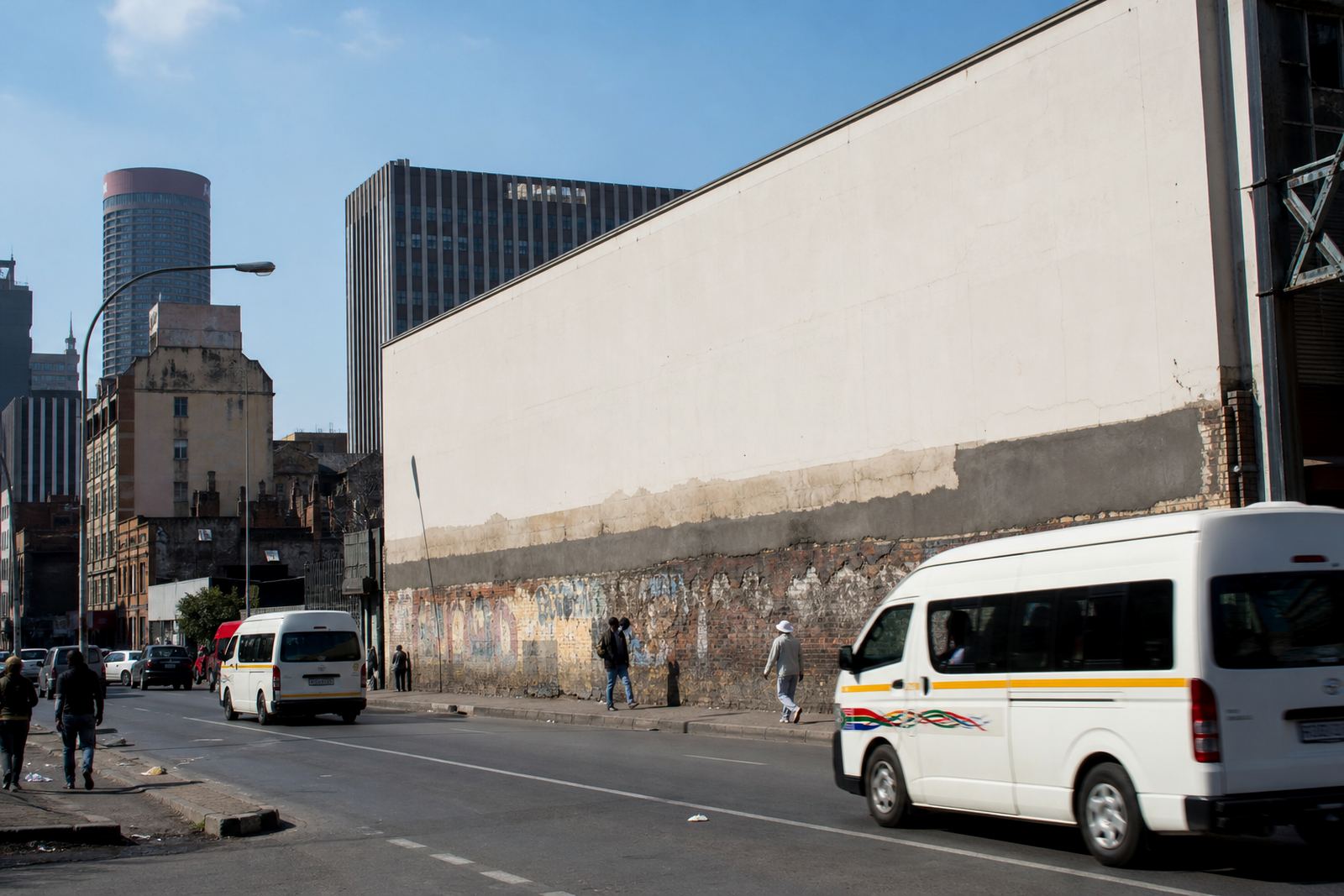
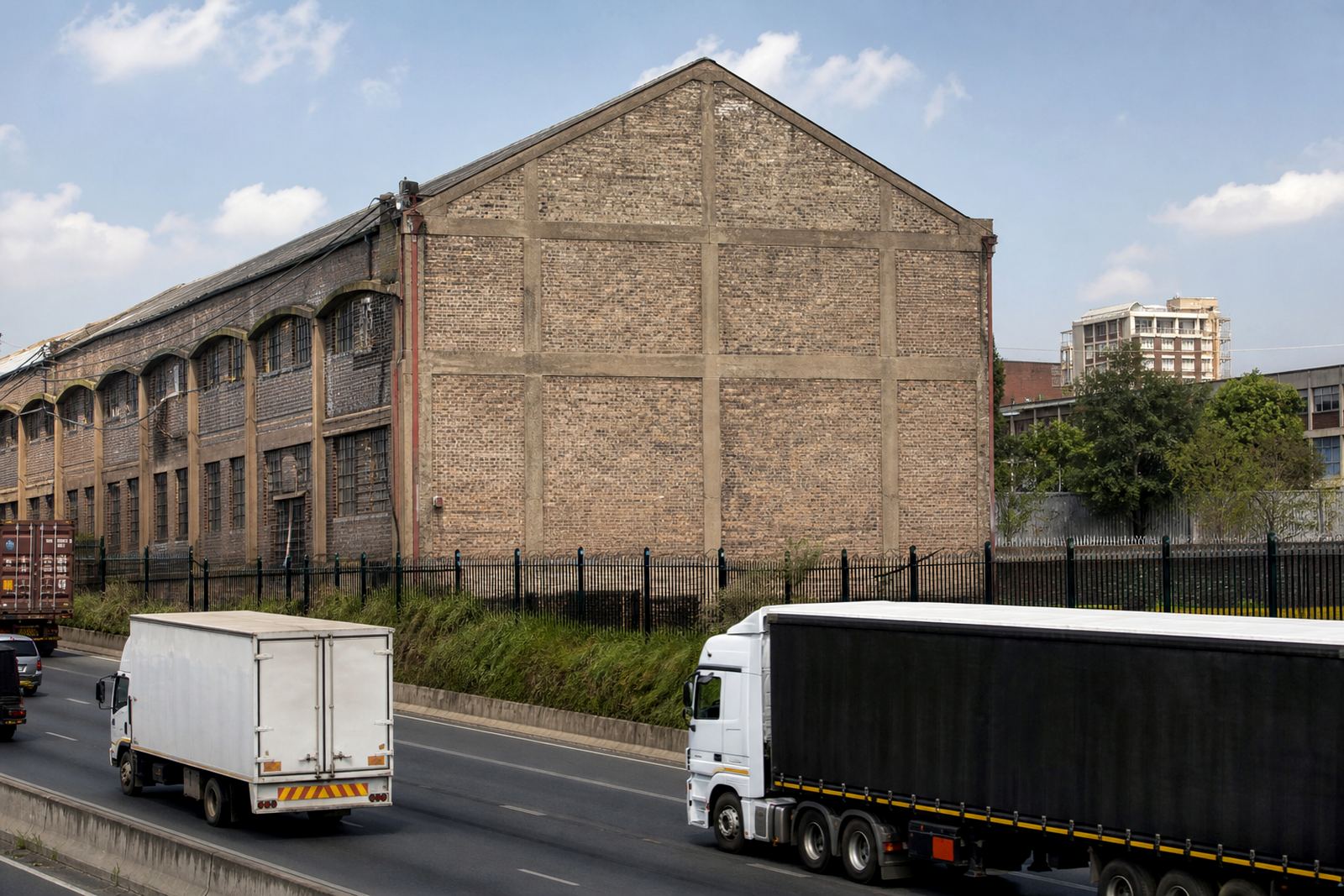
Wall advertising is not one-size-fits-all. Some sites suit a narrow strip above a shopfront, while others can take a full façade treatment or a very large gable wall. The correct format depends on the wall material, the viewing distance, the condition of the paint or plaster, and whether the surface is exposed to strong sun, rain or coastal humidity. In places like Durban, moisture and salt air can affect adhesives and finishes, so material choice matters. In Johannesburg and Pretoria, dust and direct sunlight can affect how long a sign stays sharp.
Common options include:
- Small wall panels: useful for local visibility and tighter urban sites
- Medium-format graphics: suitable for retail edges, mixed-use buildings and parking-facing walls
- Large façade wraps: used where the wall is visible from a main road or busy intersection
- Painted wall displays: suitable where the property owner wants a longer-lasting finish with fewer joins
- Mesh or perforated panels: helpful where wind load needs to be reduced
For long-term use, the surface needs to be checked for cracks, damp, loose render and old screw holes. A wall that looks fine from the street can still need repairs before installation. That is especially true on older buildings in Braamfontein, Woodstock, Salt River and parts of inner-city Johannesburg where maintenance history can vary from one section to another.
Where a Long Lease Usually Fits Best
This product suits advertisers who want a message to remain in place long enough to build recall, support a launch or hold a strong area presence without changing formats every few weeks. It is often used by retailers, professional services, property developments, education providers, hospitality groups and events with a long booking window. It also works well for property owners with secure exterior walls that are not needed for loading bays, access control or fire escape routes.
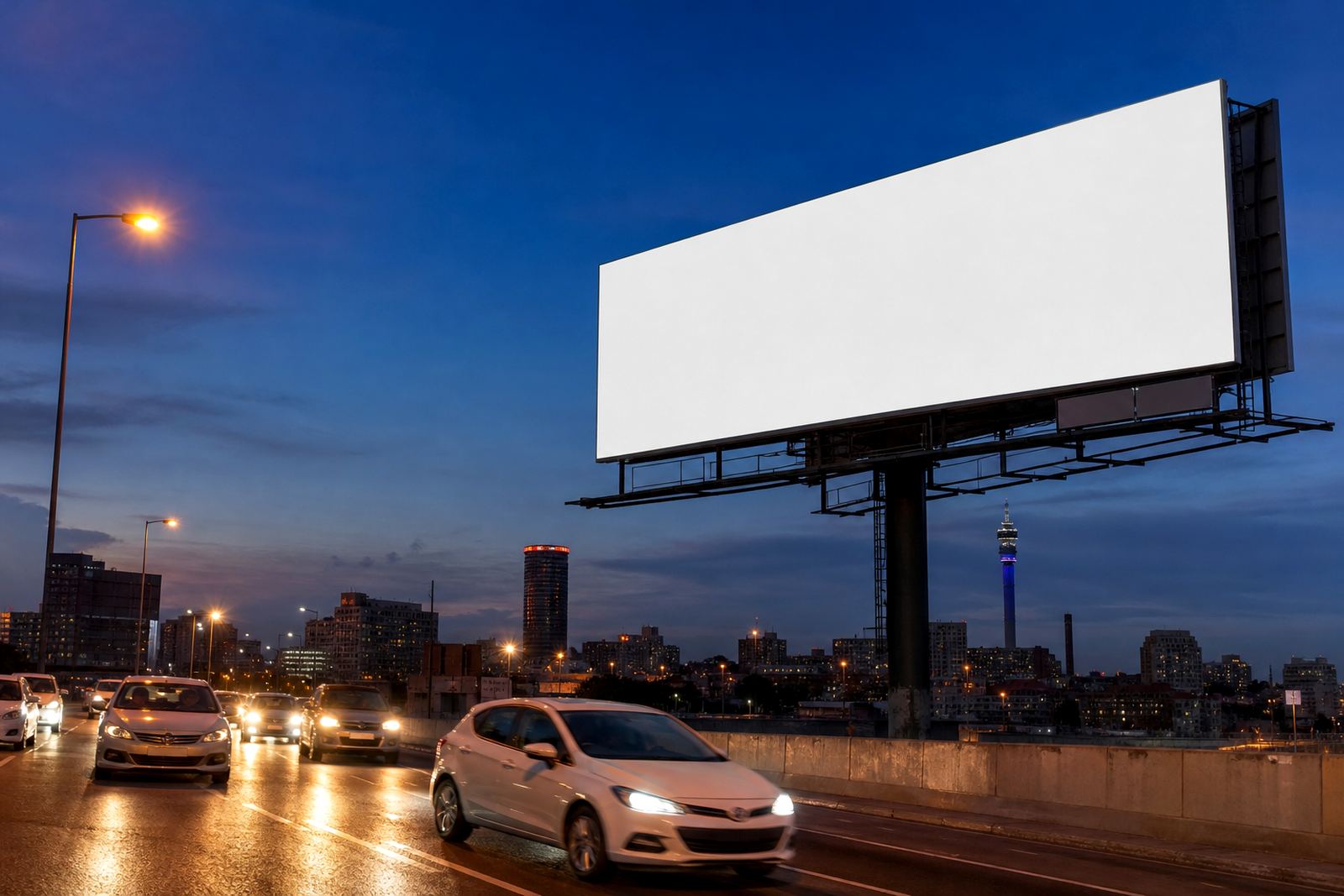
Good sites are usually along busy commuter paths, near transport nodes, around commercial corridors or facing roads with steady vehicle and foot movement. Braamfontein, Midrand, Sandton, the Pretoria east corridor, central Cape Town, Durban’s business areas and Bloemfontein’s main routes can all suit wall advertising when the actual wall, building use and approvals line up. Not every wall is worth listing though, because some are blocked by trees, canopy structures, traffic islands or neighbouring buildings that cut off the view.
For landlords and managing agents, a long lease is often easier to plan around than repeated short campaigns. The structure is clearer, the upkeep can be scheduled, and the space is less likely to sit unused between bookings.
Installation, Access and Power Requirements
Most wall advertising installations are planned around the fixing method and the condition of the wall. A printed graphic may use drilled fixings, a framing system or adhesive systems depending on the surface and the term. A painted wall requires surface preparation, masking and a suitable exterior coating. If lighting is part of the arrangement, the site must allow for safe cable routing and access to power from the building or another approved source.
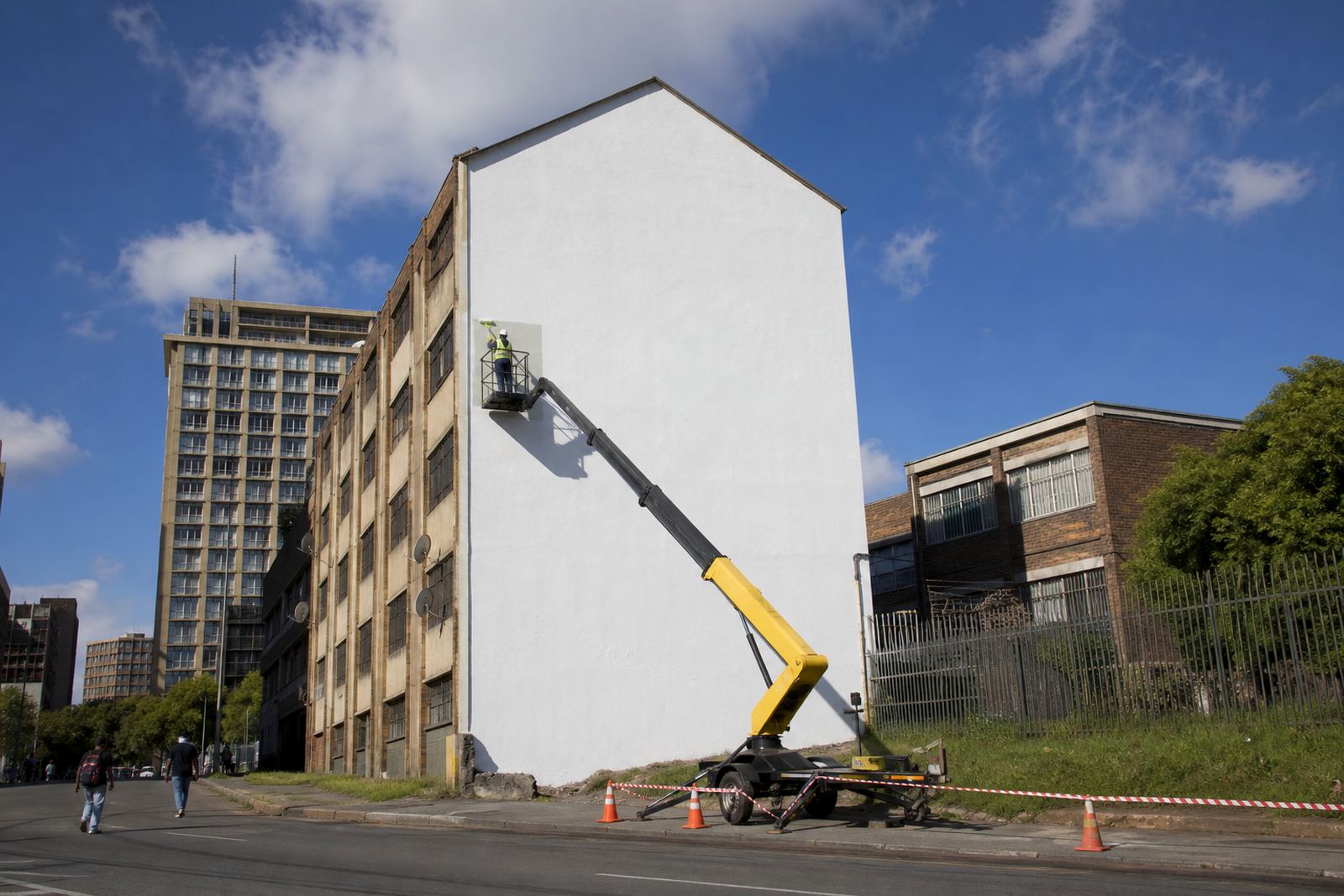
For long-term formats, the crew may need safe access equipment, especially on multi-storey buildings or hard-to-reach façades. That means checking whether there is enough space for ladders, scaffolding or a boom lift, and whether the pavement or driveway can support that work without interrupting tenants or the public. In some cases, the building has spare power at the point of installation, but it should still be tested and confirmed before booking. If lighting is not available, the display should still perform in daylight and after sunset without relying on power.
- Confirm wall access times with the owner or managing agent
- Check whether the surface can take fixings without damage
- Verify any power point needed for illumination or timers
- Allow for weather delays, especially on windy or rainy days
On certain sites, gas is not required at all. If a tenant or owner is proposing heated or special-effect elements, that must be handled separately and only where the site allows it. Most wall advertising does not need gas, but it should be confirmed upfront if the display includes any added features.
Care, Servicing and Ongoing Checks
Long-term wall advertising needs light but regular attention. Dust, bird droppings, rain streaks and sun fade can all change the appearance over time. On coastal sites, salt build-up may need more frequent cleaning, while inland walls can collect dust after windy periods or construction activity nearby. A good listing should say whether cleaning is included, who arranges it and how often the wall may be accessed for maintenance.
The surface should also be checked after heavy rain, strong wind or any nearby construction. Loose edges, peeling vinyl, water ingress and paint failure can turn a good site into a problem if they are left unchecked. If the installation uses lighting, the fittings and timers should be tested regularly, especially during load-shedding periods when the building power supply may switch on and off. That can affect illuminated signs and should be factored into the plan.
- Set a cleaning schedule for visible dust and grime
- Inspect corners, joins and fixings after bad weather
- Check the wall for damp patches or cracking under the display
- Test lighting, timers and cabling if the site is lit
If a wall remains in good condition, it can stay listed for another term without major changes. If the surface starts to fail, repairs should be done before renewal so the next advertiser is not taking on a damaged site.
What to Check Before You Place an Order
Before ordering a long-term wall lease, check the exact wall dimensions, the surface type, the viewing angle and any restrictions from the owner or manager. It is also worth confirming whether the space is exclusive, whether there are nearby signs that may compete for attention, and whether any planned building work could block the wall during the term. In inner-city areas and mixed-use buildings, the access plan matters just as much as the artwork size.
Ask for clear site photos, recent measurements and a simple description of the visibility from the street. The listing should show whether the wall can take a large format, a single-panel install or a series of smaller panels. If there is any question about consent or approvals, sort that out first. No advertiser wants a delay because the wall was booked before the owner signed off or before the municipality has given the needed approval.
- Wall measurements and usable display area
- Owner consent and any building management rules
- Municipal bylaw approval status where applicable
- Artwork specs, bleed, safe area and file format
- Installation timing and any access limits
- Renewal terms and removal obligations at the end of the lease
Once these points are settled, a long-term wall lease becomes a practical option for steady presence across South Africa, with less last-minute scrambling and fewer costly surprises.
Key facts
| Term length | Typically months rather than weeks, subject to site and agreement |
|---|---|
| Format types | Painted wall, vinyl graphic, flex face panel, mesh or perforated panel |
| Typical wall sizes | Small shopfront bands to full façade installations, measured per site |
| Power requirement | Only needed where lighting or timers are included |
| Gas requirement | Not normally required for wall advertising |
| Approval requirement | Property owner consent plus local municipal bylaw approval where applicable |