Start With Clear Site Photos That Show the Real Space
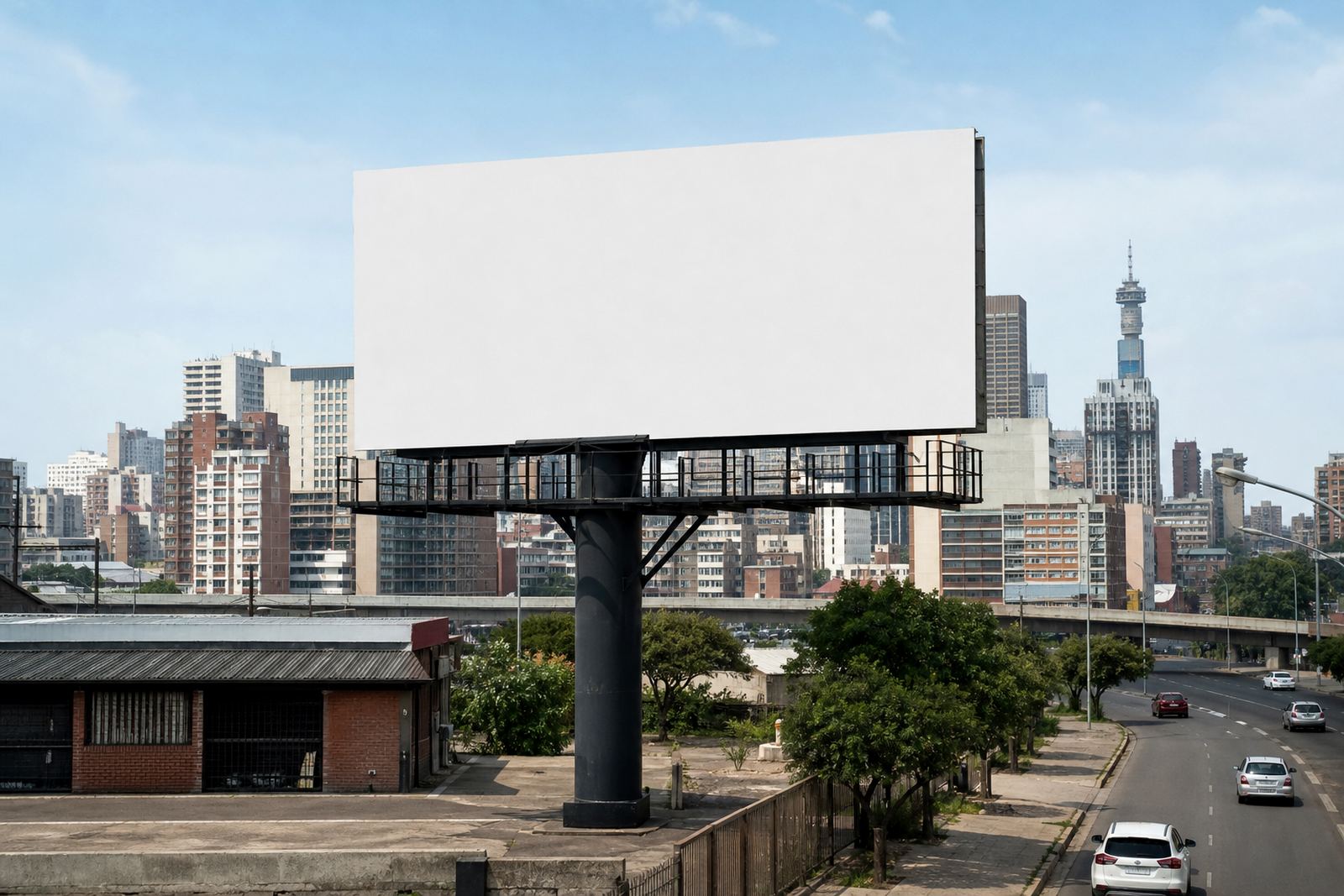
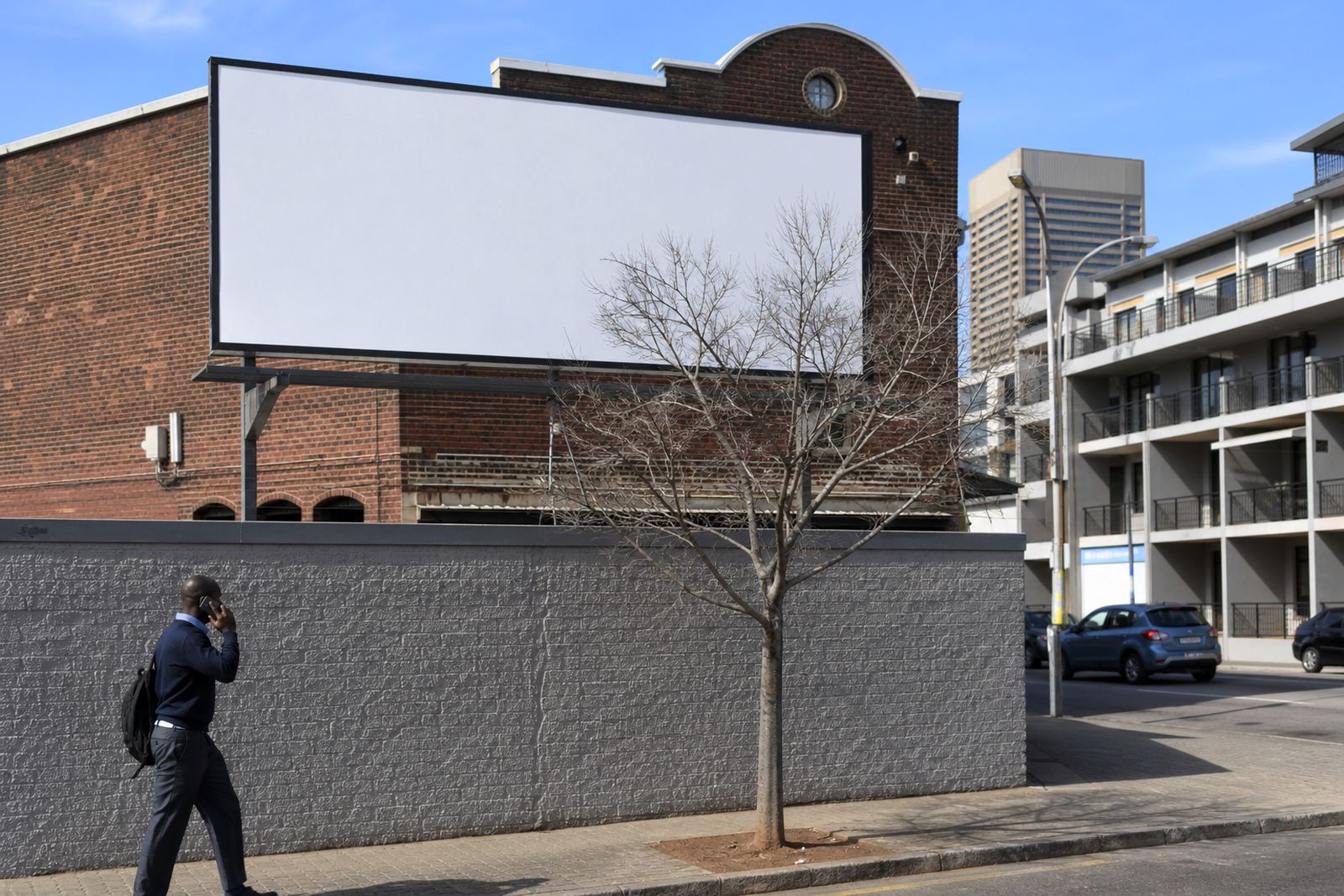
Good listing photos help advertisers judge whether a wall or billboard space suits their campaign before they enquire. Use recent images taken in daylight where possible, and make sure the full viewing area is visible. A clean image saves time for everyone, especially when a site is in a busy area like Braamfontein, Sandton or along a main route in Pretoria.
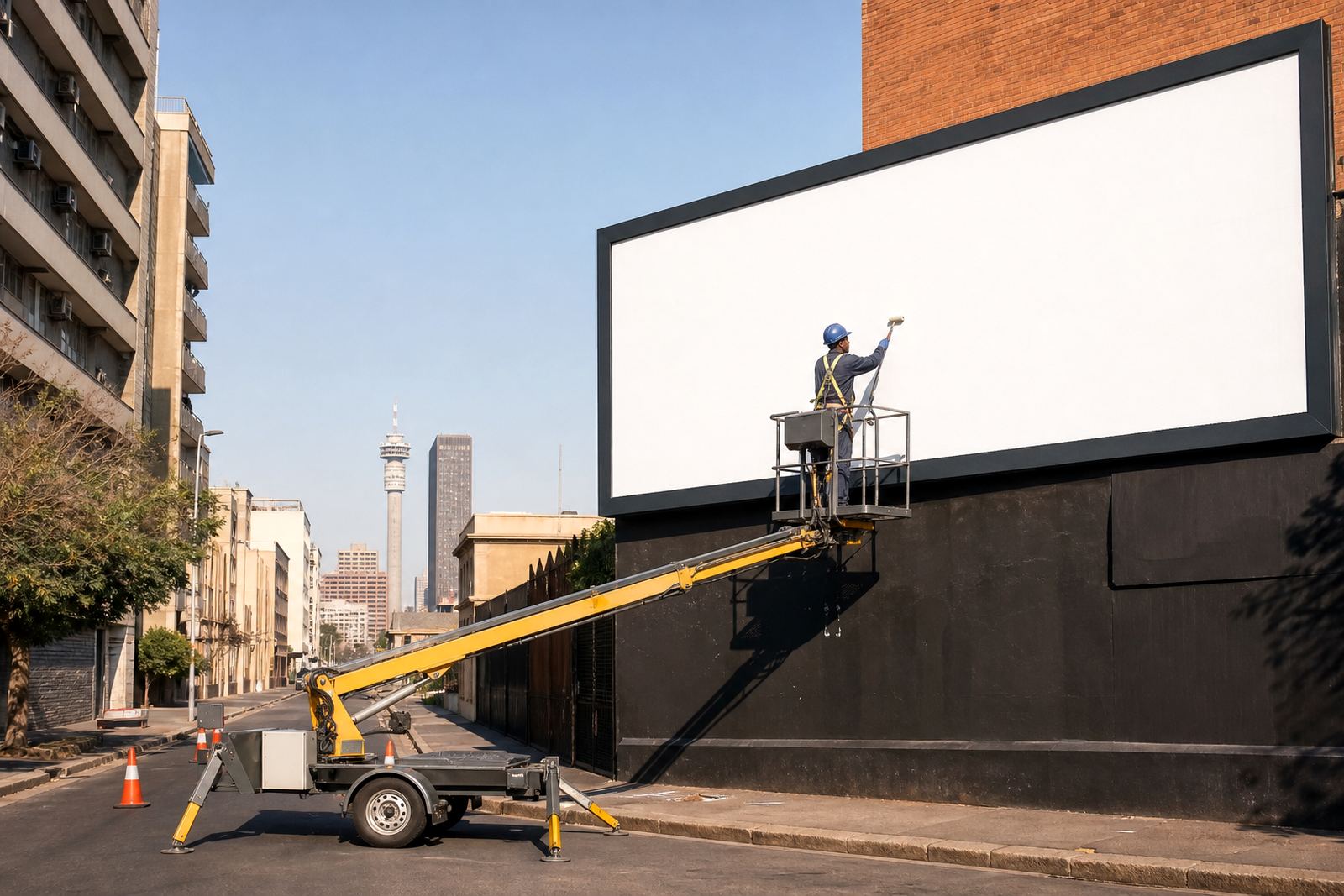
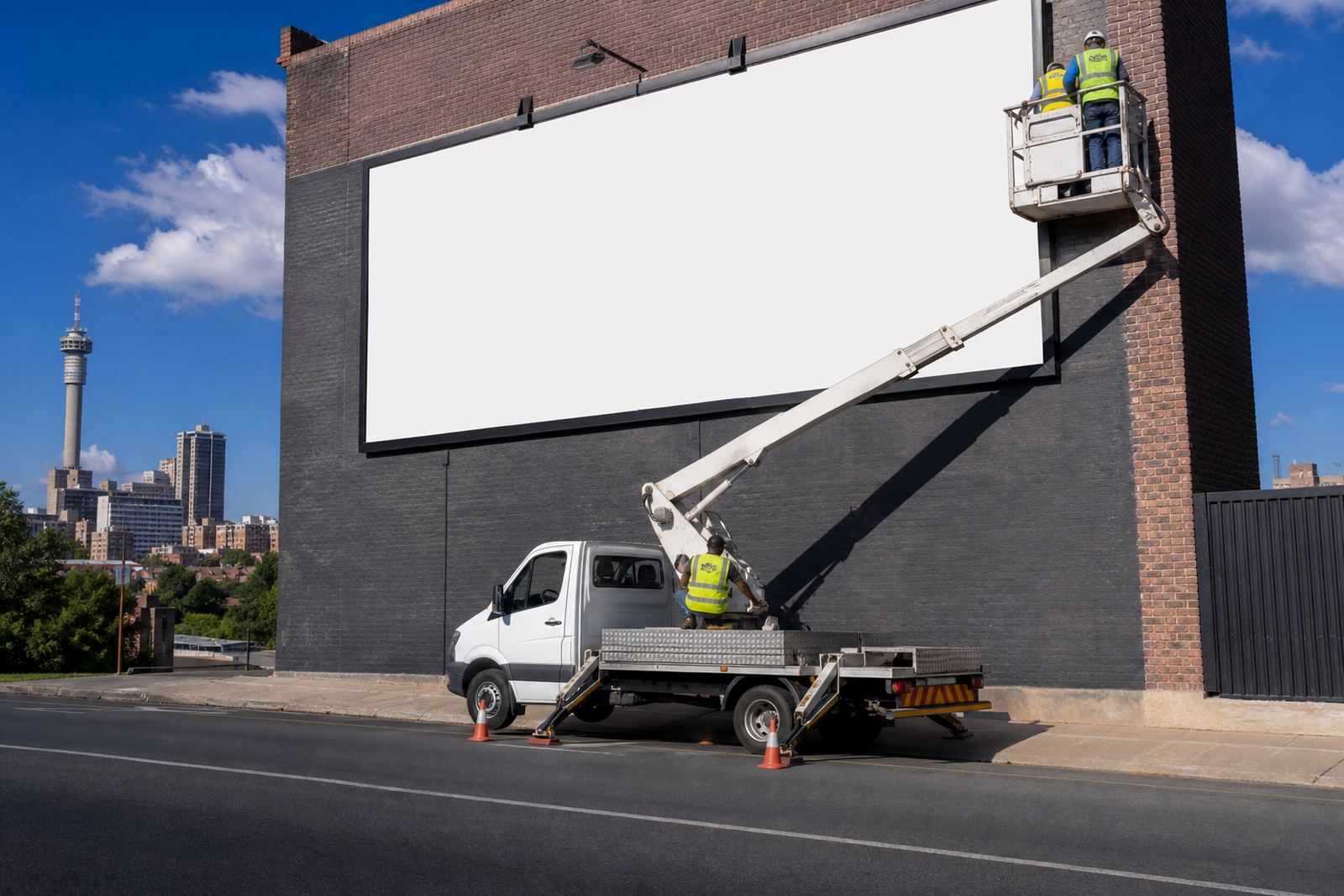
Take one wide shot from a distance and a second closer shot that shows the surface, frame or mounting area. If there are poles, nearby windows, access points or obstructions, include those too. In coastal places such as Durban or Cape Town, it also helps to show any weather exposure, peeling paint or salt wear so advertisers know what condition the site is in.
- Take photos in landscape format where possible.
- Capture the full surface, not only part of it.
- Show the approach point and how the site is viewed from the street.
- Avoid filters, heavy editing or dark night shots unless they are specifically needed.
Include Measurements and Surface Details That Matter
Advertisers need enough detail to work out whether their artwork can fit the site and whether the installation method is practical. Please provide accurate measurements in metres, plus the type of surface being offered. If the site is a blank wall, note the usable width and height, any windows or gaps, and whether the wall is flat or uneven. For billboard structures, include the face size, frame condition and whether lighting is already in place.
It also helps to mention if the site is on private property, a commercial building, a warehouse wall or a freestanding structure. That tells the advertiser what kind of access and consent process may be needed. If the wall has existing signage, say whether it can be replaced, covered or must remain in place.
- Width and height in metres.
- Surface type, such as painted brick, plaster, metal or board.
- Any fixed items on the surface, including windows, vents or cables.
- Lighting status, if the site is visible after dark.
Set Out Availability Clearly Before You List
One of the most common delays is vague availability. If a space is open for a short period only, say so upfront. If it is available from a certain date, include the start date and whether the space can be renewed after the first booking. This is especially important for campaign planning in cities where advertisers may need to move quickly when a site becomes available.
Availability should also reflect practical readiness. A site may be physically open but still need cleaning, consent confirmation or artwork checks before it can be booked. If there are time restrictions for installation or access hours on the property, add that as well. Clear timing helps prevent back and forth later on.
- State if the site is available now, from a future date, or only for a set term.
- Note whether renewals are possible.
- Include any access hours for installers or maintenance teams.
- Flag if the site is pending consent or municipal review.
Confirm Consent and Local Bylaw Requirements Early
Any signage or advertising installation needs the property owner's consent, and local municipal bylaw approval may also apply. That applies whether the site is in Johannesburg, Bloemfontein, Durban, Cape Town or Pretoria. Getting this step right early avoids wasted time and protects both the property owner and the advertiser.
If you already have written permission from the owner, keep it ready for the listing process. If approval still needs to be arranged, say so clearly and outline what information is still required. Some sites may also need compliance checks for size, placement, safety clearances or road visibility. It is better to note these items before a booking is confirmed than to sort them out afterwards.
- Check that the owner of the property has agreed in writing.
- Confirm whether municipal approval is needed for the site.
- List any access, safety or placement conditions.
- Share if the site is in a controlled building, estate or business park.
Write Listing Copy That Answers the First Questions
The listing text should be plain and useful. Advertisers want to know where the space is, what type of surface it is, how big it is, and what makes it suitable for a campaign. Keep the wording factual and avoid vague claims. A short, clear description works better than long copy that does not say much.
When you send us the details, include the location, suburb or area, nearby landmarks if useful, the type of property, and any practical notes. If there are load-shedding concerns on a lit sign, mention whether backup power is available or whether the face remains visible without lighting. That kind of detail helps advertisers plan for the real conditions on site.
- Use simple language and short sentences.
- Give the exact area and property type.
- Mention access, lighting, and any visible wear or repairs.
- Keep the tone practical rather than promotional.
What Our Team Checks Before a Listing Goes Live
Once the photos, measurements and notes are in, our team reviews the listing for completeness and practical fit. The goal is to make sure advertisers are seeing the right information and that the space can be matched to a suitable brief. If anything is missing, we will ask for it before moving ahead.
Different team members handle different parts of the process. Marketplace Operations looks at the listing setup, Property Owner Relations checks the site details, Advertiser Success reviews brief matching, and Municipal Compliance looks at approval requirements. This keeps the process orderly and avoids errors that can slow a booking down. If a site needs a new photo, a cleaner angle or a clearer date for availability, we will let you know.
- Photo quality and site visibility.
- Measurement accuracy and surface notes.
- Consent and compliance details.
- Availability and renewal information.
How to Send a Strong Listing Pack the First Time
Before you submit, gather the basics in one file or message. That makes it easier to review and reduces the chance of missing information. If you manage several sites across Johannesburg, Midrand, Sandton or other areas, use the same format for each one so comparisons are straightforward.
A complete pack should include the site name or address, photos, dimensions, availability, owner consent status and any bylaws or access notes. If you are unsure about one detail, send what you have and flag the missing item. We can work from a partial pack, but a full pack saves time and helps keep the listing accurate from the start.
- Site location and suburb.
- Current photos from more than one angle.
- Measurements and surface type.
- Consent status and municipal notes.